

In the quiet suburbs of Silver Spring, Maryland, Evelyn Thompson, 72, used to spend her evenings alone, the TV her only companion after her husband passed away two years ago. Like millions of older Americans, she faced the creeping loneliness that statistics from the National Academies of Sciences paint in stark terms: nearly one in four adults over 65 report feeling isolated, a condition linked to higher risks of depression, dementia and early death. But Thompsons story took a turn when she moved into a co housing community designed for seniors. These intentional neighborhoods, blending private homes with communal spaces, are emerging as a thoughtful antidote to the isolation crisis.
Fostering Daily Connections Through Shared Spaces
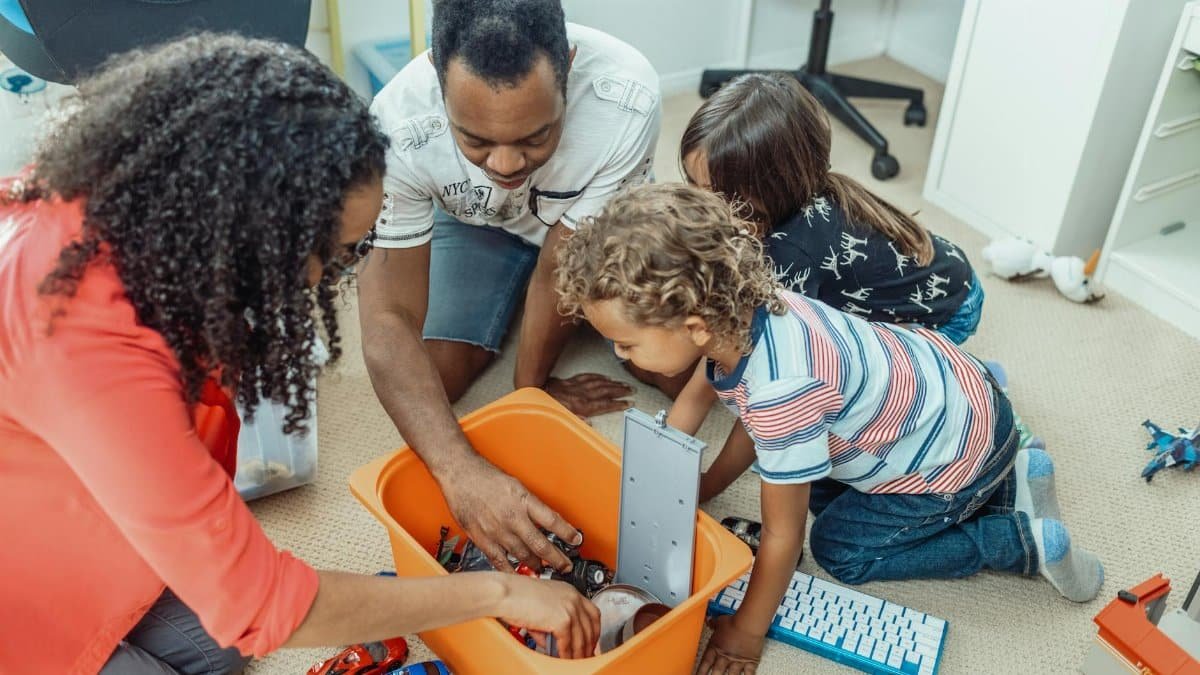
Co housing communities prioritize architecture that encourages spontaneous interactions. Unlike traditional apartments or retirement homes, they feature central kitchens, gardens and lounges where residents naturally cross paths. In the elder co housing at Mountain View in California, residents report bumping into neighbors during morning coffee runs or evening walks, turning isolation into routine camaraderie. This design isnt accidental; its rooted in the co housing model pioneered in Denmark in the 1960s and adapted for aging Americans. A 2022 study by the Cohousing Association of the United States found that 85 percent of senior residents in such setups felt less lonely within the first year, compared to just 40 percent in conventional senior housing. (https://www.cohousing.org/research/)
Organized Meals That Build Lasting Bonds

One hallmark of co housing is communal dining, often several nights a week. Residents take turns cooking and hosting, creating rituals that combat the solitude of solo suppers. At Elder Spirit in Abingdon, Virginia, Wednesdays mean a potluck where stories flow as freely as the wine. This isnt mere convenience; its a buffer against the emotional void. Research from AARP highlights how shared meals reduce feelings of abandonment among seniors by 30 percent, and co housing amplifies this through consistent participation. Evelyn Thompson now hosts pasta nights, her table a hub for laughter that fills the void left by distant family.
Mutual Aid Networks for Everyday Security

Isolation thrives when small needs go unmet, but co housing flips this script with built-in support systems. Neighbors commit to checking on one another, handling errands or minor repairs without the formality of paid services. In Seattle’s Cascade Cohousing, a resident’s flu last winter prompted daily soup deliveries and rides to doctors appointments. This reciprocal care echoes findings from a Harvard study on longevity, which ties strong social ties to healthier aging. (https://www.hsph.harvard.edu/news/hsph-in-the-news/social-relationships-and-health/) Co housing formalizes these ties through group meetings, ensuring no one slips through the cracks.
Activity Hubs Sparking Purpose and Joy

Boredom feeds isolation, yet co housing counters it with resident-led programs: yoga classes, book clubs, gardening collectives or even art studios. At Oakcreek in Stillwater, Oklahoma, a weekly hiking group keeps septuagenarians active and engaged. These arent programmed like in assisted living; they bubble up organically from shared interests. A report from the Urban Institute notes that such community-driven activities boost life satisfaction scores by 25 percent among older adults. (https://www.urban.org/research/publication/cohousing-and-aging) For middle-aged readers eyeing their own futures, this model promises vitality without institutional rigidity.
Financial Efficiency Easing the Burden

Seniors isolation often worsens under financial strain, but co housing pools resources smartly. Shared laundry, maintenance and bulk buying cut costs by 15 to 20 percent, per data from the National Cohousing Conference. This affordability allows more spending on social outings or travel. In Durham, North Carolina’s Alba Co-housing, residents fund group trips to nearby museums, turning potential scrimping into collective adventure. Its a pragmatic fix: lower overhead means less worry, more connection.
Emotional Resilience Through Collective Wisdom

Grief and loss hit harder in solitude, but co housing offers a village of empathy. When a resident at Sirius Community in Massachusetts lost a sibling, the group held a memorial circle, sharing memories late into the night. This peer counseling fosters resilience; psychologists at the American Psychological Association link such support networks to lower anxiety rates in the elderly. (https://www.apa.org/monitor/2020/05/social-isolation) Co housing isnt therapy, but its proximity to understanding neighbors serves much the same purpose, weaving a safety net of shared human experience.
Scalable Models for Broader Adoption

What makes co housing a crisis solver is its adaptability. Developers are scaling it nationwide, from pocket neighborhoods in Oregon to multigenerational hybrids in Colorado, where seniors mentor younger families. Incentives like zoning reforms in states such as Vermont are accelerating growth; by 2030, projections from the Senior Living Innovation Forum suggest 500 such communities. (https://seniorlivinginnovationforum.com/reports/) This momentum addresses the demographic wave: 10,000 Americans turn 65 daily, many dreading isolation.
Challenges and Realistic Expectations

No model is flawless. Co housing demands compromise—group decisions can frustrate individualists—and upfront costs, though offset long-term, deter some. Startup times stretch two to five years, relying on committed buyers. Yet success stories dominate: turnover rates hover below 5 percent in established senior co-ops, versus 20 percent in standard facilities.
As America grapples with an aging population projected to double by 2050, co housing stands out for its human-centered approach. It doesnt erase aging’s aches but surrounds them with community, proving that thoughtful living arrangements can heal the hidden wounds of loneliness. For Evelyn Thompson and thousands like her, its not just housing; its a reclamation of connection in lifes later chapters. Policymakers and planners take note: this could redefine aging in place.