

In the heart of Washington DC, where the hum of policy debates and endless networking events never quite fades, a startling reality has emerged. According to a 2024 survey by the American Psychological Association, nearly 60% of professionals in high-pressure urban centers like DC report symptoms of chronic stress, a jump from just 40% a decade ago. This isn’t mere fatigue; it’s a signal of deeper burnout eroding lives. Yet amid this, a growing number of residents are turning to concepts like healing recovery strength to rebuild. This approach, blending emotional resilience with practical recovery strategies, offers a way to counteract the toll. As the nation’s capital grapples with its relentless pace, understanding these burnout signs becomes crucial. It points not just to problems, but to paths toward renewal in 2025.
1. Persistent Exhaustion That Sleep Can’t Fix

Washington DC’s fast-paced world often leaves people drained, but burnout exhaustion goes beyond a bad night’s rest. Picture a Capitol Hill staffer, juggling briefings and late-night emails, who wakes up feeling just as wiped out as the night before. This isn’t ordinary tiredness. It’s a bone-deep weariness that lingers, no matter how many hours under the covers.
Experts note this as a hallmark of burnout, where the body’s stress response stays in overdrive. A study from the National Institutes of Health highlights how chronic stress disrupts sleep cycles, leading to this unending fatigue. In DC, with its culture of long hours in government and think tanks, this sign hits hard. One anonymous account shared publicly online described it vividly: feeling like “running on fumes in a city that never stops.”
Here, healing recovery strength steps in as a counterforce. It emphasizes restorative practices, like mindfulness breaks amid the workday chaos. Rather than pushing through, individuals learn to rebuild energy reserves. Think of it as recalibrating the internal battery. For many in DC, incorporating short walks along the National Mall or brief meditation sessions has made a tangible difference. It’s not about escaping the demands, but fortifying against them.
This approach draws from evidence-based methods. Research from Harvard Medical School shows that consistent recovery techniques can lower cortisol levels, easing that persistent drain. In a place like DC, where ambition fuels the fire, recognizing this exhaustion early opens doors to sustainable strength.
2. Growing Cynicism Toward Work and Colleagues

Start with a question that many in DC might whisper to themselves: When did optimism turn to sarcasm? Burnout often manifests as a creeping cynicism, where once-inspiring roles feel pointless. A lobbyist, for instance, might scoff at yet another policy meeting, viewing it all as futile theater.
This shift isn’t just moodiness. It’s a defense mechanism against overload, as outlined in reports from the American Psychological Association. In Washington, the high-stakes environment amplifies it, breeding detachment from colleagues and causes alike.
Yet healing recovery strength offers a way to reclaim perspective. By focusing on personal growth and emotional processing, it helps dissolve that bitter lens. Imagine reframing a frustrating day not as defeat, but as a step in building resilience. Stories from DC professionals reveal how journaling about small wins counters the negativity.
Diving deeper, this cynicism can isolate people, worsening the cycle. But through community support groups, common in the city, individuals share experiences and find solidarity. It’s a reminder that strength in recovery comes from connection, not isolation. As 2025 unfolds, more are embracing this to foster genuine engagement again.
3. Declining Performance Despite Best Efforts
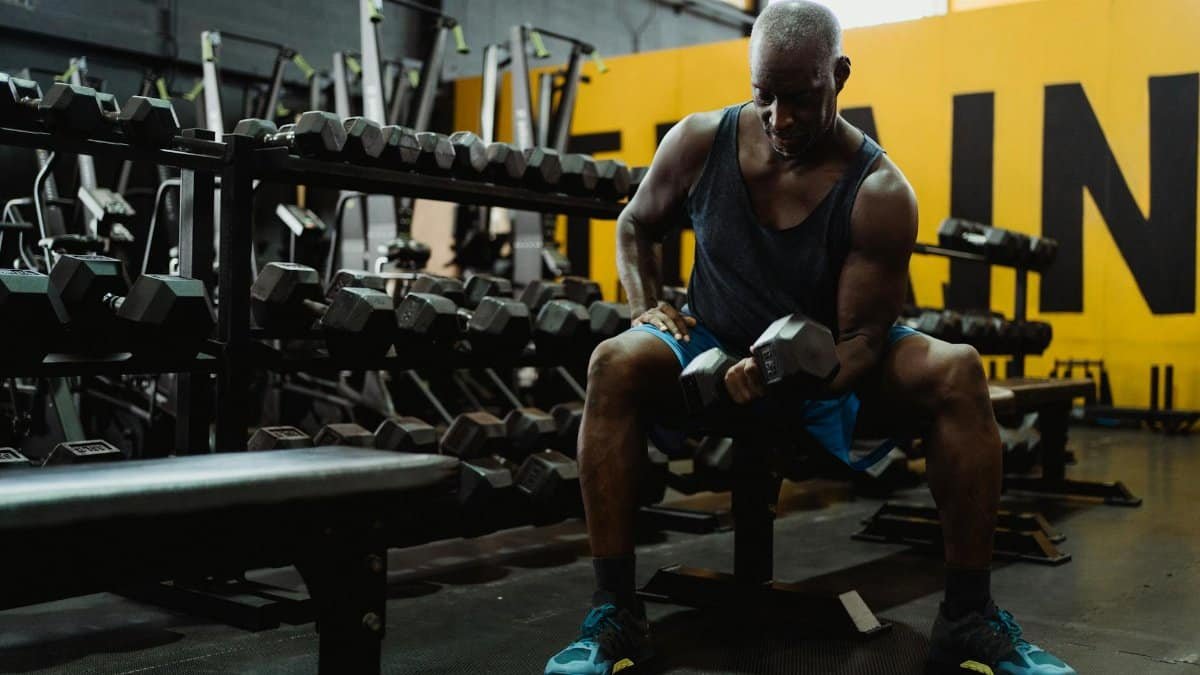
Ever notice how burnout sneaks up, turning sharp minds foggy? In DC’s competitive arenas, from law firms to nonprofits, people suddenly struggle with tasks they once aced. Deadlines slip, errors creep in, all while effort remains high.
This drop stems from cognitive overload, as detailed in a CDC workplace health report. The brain, taxed by constant demands, can’t sustain peak function. For DC residents, the pressure cooker of politics and advocacy exacerbates it.
Enter healing recovery strength, which prioritizes mental recharge over relentless grind. Techniques like cognitive behavioral strategies help restore focus. One local executive recounted adopting daily reflection rituals, transforming scattered thoughts into clarity.
It’s worth exploring the nuance here. Performance dips aren’t always about skill; they’re signals of unmet needs. By integrating recovery practices, such as boundary-setting in high-demand jobs, individuals regain their edge. This isn’t quick-fix advice. It’s a sustained build toward inner fortitude, vital in a city that rewards endurance.
4. Emotional Numbness or Irritability Spikes

Anecdotes abound in DC circles: the once-even-tempered advisor snapping over minor setbacks, or feeling oddly detached during heated debates. Burnout can dull emotions or ignite them unpredictably, creating a volatile inner landscape.
Psychological insights from the Mayo Clinic explain this as the body’s way of coping with prolonged stress. In Washington, where emotional labor is part of the job, this sign disrupts relationships and self-perception.
Healing recovery strength counters this by encouraging emotional awareness. Practices like guided imagery or therapy sessions help process feelings, rather than suppress them. Consider a journalist who, after months of numbness, found solace in peer support networks, slowly thawing the ice.
The tension lies in balancing DC’s stoic culture with vulnerability. Yet embracing recovery builds true strength, allowing emotions to flow without overwhelming. As trends in 2025 show, more professionals are seeking this balance, leading to healthier interactions.
5. Physical Symptoms Without Clear Cause
Burnout doesn’t just tax the mind; it shows up in the body. Headaches, digestive issues, or unexplained aches plague many in DC, often dismissed as “just stress.” But these are red flags, persistent and unexplained by routine checkups.
Research from the National Library of Medicine links chronic stress to such somatic symptoms, as the body’s systems go haywire. In a city of power lunches and all-nighters, ignoring them only deepens the rut.
Through healing recovery strength, people address the root. Holistic approaches, like yoga classes in Dupont Circle, integrate physical and emotional recovery. One resident shared how regular movement practices alleviated migraines tied to work pressure.
There’s complexity in distinguishing these from other ailments, but awareness is key. Building strength means listening to the body, not overriding it. This mindset shift is gaining traction in DC, promising a more embodied resilience.
6. Withdrawal from Social and Personal Life

Isolation creeps in quietly. A DC consultant might skip happy hours or family gatherings, preferring solitude over connection. This withdrawal, a classic burnout sign, stems from depleted social energy.
Studies by Pew Research Center indicate rising loneliness in urban professionals, exacerbated by demanding careers. In Washington, the blend of transient networks and intense workloads makes it prevalent.
Healing recovery strength rebuilds these bonds. By fostering self-compassion, it encourages gradual re-engagement. Imagine starting with a coffee chat, rediscovering joy in relationships. Anonymous online reflections often highlight this journey, from isolation to renewed ties.
The challenge is overcoming inertia, but small steps accumulate. In 2025, community initiatives in DC are amplifying this, turning solitary struggles into shared recoveries.
7. Loss of Purpose or Motivation
Finally, burnout strips away the “why.” In DC, where missions drive careers, suddenly questioning one’s path feels disorienting. Motivation wanes, replaced by apathy toward goals once cherished.
This existential drift is documented in wellness literature, like findings from the Gallup workplace studies. The capital’s high-ideals environment makes it particularly jarring.
Yet healing recovery strength reignites that spark. Through reflective exercises and goal realignment, individuals rediscover meaning. A policy analyst, for example, pivoted by volunteering, blending recovery with purpose.
It’s not always linear; doubts persist. But cultivating inner strength transforms setbacks into growth. As DC evolves in 2025, this sign prompts not despair, but proactive healing, ensuring resilience endures.