

A recent study from the National Institutes of Health revealed that nearly 70 percent of American pet owners report reduced anxiety levels thanks to their animals’ companionship, a figure that’s climbed steadily over the past decade amid rising stress from work and daily life. This surge highlights how pets aren’t just furry friends; they’re intuitive allies in our quest for emotional balance. Consider the subtle ways animals tap into their natural behaviors to offer comfort. From a cat’s rhythmic purring that soothes frayed nerves to a dog’s instinctive loyalty that fosters a sense of security, these instincts, support, mental well-being in profound, often overlooked ways. As we navigate the pressures of 2025, with economic uncertainties and digital overload, understanding these pet-driven cues could unlock calmer days for many middle-aged adults juggling careers, families, and personal health. It’s not about anthropomorphizing our pets but recognizing the evolutionary gifts they bring to human lives.
1. The Calming Rhythm of Purring

Cats have this built-in mechanism, a low-frequency vibration that emanates from their throats when they’re content or even when nursing an injury. Scientists have long noted how this purring isn’t just self-soothing for the feline; it extends to humans nearby. One evening, picture a weary office worker sinking into the couch after a grueling day of virtual meetings. The cat curls up on their lap, and that gentle rumble begins. Suddenly, the tension eases. Research from the National Center for Biotechnology Information suggests these vibrations, ranging from 25 to 150 Hertz, can promote bone density and even lower blood pressure in people. It’s like nature’s own white noise machine, dialing down the mental chatter. But it’s not always immediate. Sometimes, the cat senses distress first, drawn by subtle shifts in body language or scent, initiating the purr as a quiet intervention. Online discussions often reveal how such moments turn overwhelming evenings into bearable ones, with one anonymous account describing it as “a reset button for my spiraling thoughts.” This instinct taps into our need for rhythmic calm, a reminder that support can come without words.
Yet, there’s nuance here. Not every purr signals pure bliss; cats also purr when stressed or in pain, which adds a layer of complexity to interpreting their signals. For pet owners, learning to distinguish these can deepen the bond, turning passive companionship into active mental health aid. In bustling cities like New York or Chicago, where solitude amplifies anxiety, this feline trait offers a portable form of therapy, no appointment needed.
2. Dogs’ Empathetic Gaze and Presence

Start with a simple observation: a dog tilts its head, locking eyes with you during a moment of quiet despair. That gaze isn’t random; it’s an instinct honed over thousands of years of domestication. Dogs read human emotions through facial cues and tone, often responding with a nuzzle or by leaning in close. A study published in the journal Science explores how this empathy stems from shared evolutionary paths, where canines adapted to human social signals for survival. For someone in their forties facing midlife reevaluation, that unspoken understanding can feel like a lifeline, cutting through isolation.
Imagine a scenario drawn from everyday life. A man returns home from a job interview that bombed, his confidence shattered. His Labrador doesn’t bark or demand a walk; instead, it sits patiently, offering a paw as if to say, “I’m here.” This presence activates oxytocin in both, the hormone tied to bonding and stress reduction. It’s not magic, but biology at work, supporting mental ease by reinforcing that you’re not alone. Varying the routine, like incorporating short walks prompted by the dog’s expectant stare, builds habits that combat depression. The instinct fosters resilience, subtly shifting focus from internal turmoil to mutual care.
3. Playful Retrieval and Joy Induction
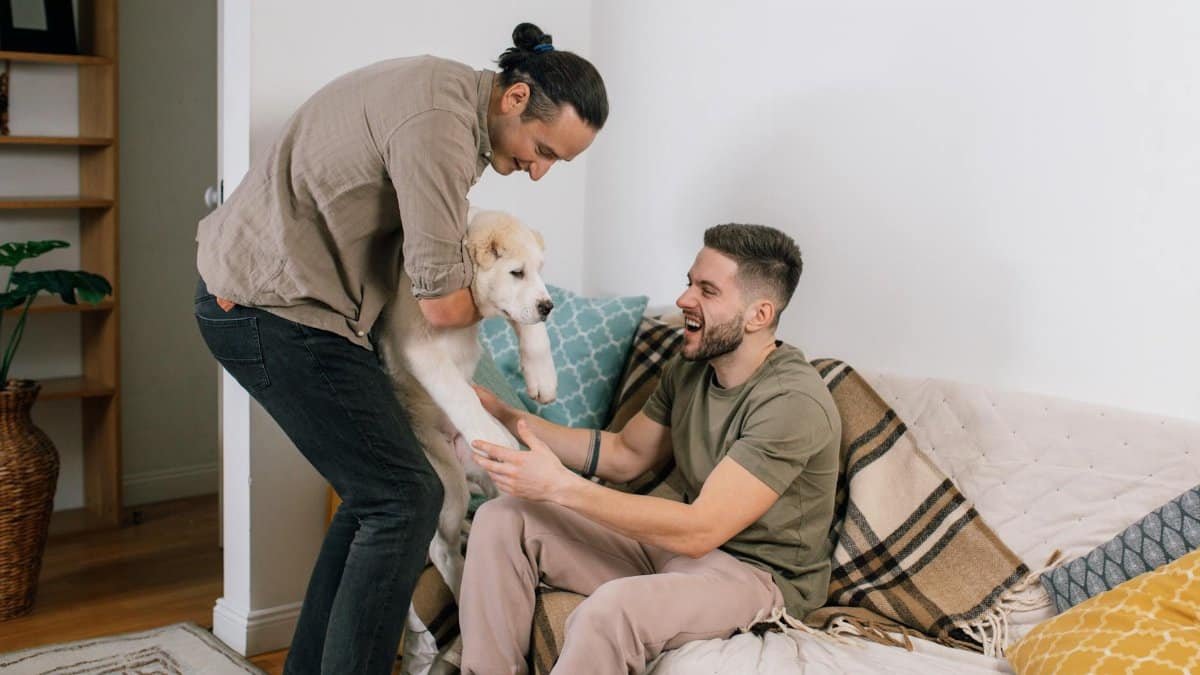
What if throwing a ball for your dog could rewire your brain for happiness? This retrieval instinct, deeply embedded in many breeds, pulls owners into moments of unscripted fun. Dogs chase with unbridled enthusiasm, their energy infectious, prompting laughter and movement that releases endorphins. According to findings from the Centers for Disease Control and Prevention, regular pet interactions like play correlate with lower cortisol levels, easing chronic stress. It’s a cycle: the dog’s instinct to fetch draws you outdoors, where fresh air and activity compound the benefits.
Delve into a quick story. A woman in her fifties, grappling with empty-nest syndrome, found solace in her Border Collie’s insistent nudges toward the backyard. What started as obligation became delight, her worries fading with each toss. This isn’t just distraction; it’s an instinctive prompt toward mindfulness, grounding you in the present. Challenges arise when play feels forced, but leaning into it often reveals hidden reserves of joy, supporting mental balance amid life’s transitions.
4. Grooming Rituals as Self-Care Mirrors

Watch a cat meticulously lick its fur, or a dog nibble at a paw, and you see an instinct for cleanliness and order. These behaviors model self-maintenance, subtly encouraging owners to prioritize their own hygiene and routines. In a fast-paced 2025 America, where burnout is rampant, this mirroring can inspire small acts of self-care, like a relaxing bath or organized workspace, which bolster mental clarity.
Consider the tension: pets groom to relieve stress, releasing calming pheromones in the process. Humans benefit indirectly, as the sight prompts reflection on personal habits. A brief anecdote illustrates—a retiree, feeling adrift after leaving the workforce, noticed his cat’s daily rituals and began mimicking them with morning stretches. Data from the American Psychological Association links such routines to improved mood regulation. It’s a gentle nudge, turning observation into action, where instincts support mental well-being through emulation.
5. Nesting Behaviors for Safe Havens
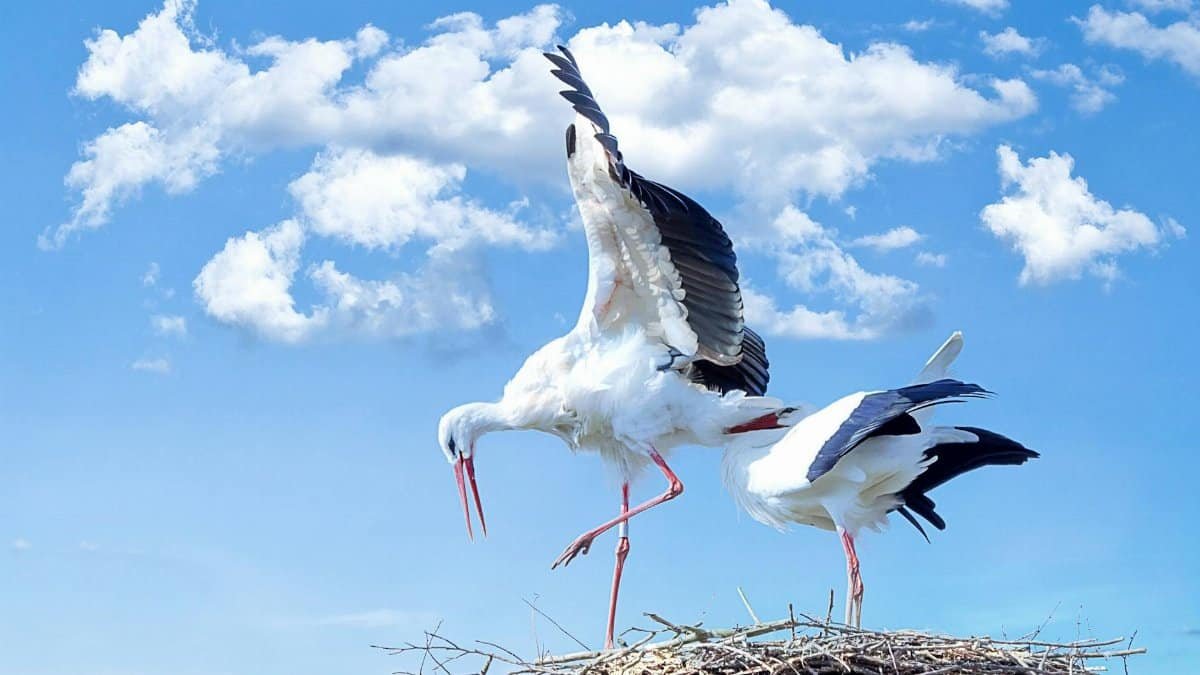
Dogs circle before lying down, cats knead blankets—these nesting instincts create secure spaces, extending to their human families. By designating cozy spots, pets signal safety, which can alleviate anxiety in chaotic homes. This behavior echoes our own need for sanctuary, especially as remote work blurs boundaries in 2025.
Picture a family dealing with financial strain; their Golden Retriever consistently curls up in the same corner, inviting everyone to join. This instinct fosters group cohesion, reducing feelings of vulnerability. Studies from NCBI show how environmental stability aids emotional regulation. Yet, it’s not without irony—pets might disrupt with their mess, teaching flexibility alongside comfort. Through it all, these actions build mental ease by reinforcing home as a refuge.
6. Alertness to Routines and Structure

Pets thrive on predictability, their internal clocks attuned to meal times and walks. This instinct imposes gentle structure on owners’ lives, combating the disarray that fuels mental fog. For middle-aged professionals juggling multiple roles, a dog’s expectant bark at 6 p.m. can anchor the day.
One public account shared how a rescue mutt’s routine insistence pulled someone from depressive inertia, starting with enforced daily outings. Research in the Public Health Reports underscores how pet ownership promotes disciplined habits, linked to better mental health outcomes. The beauty lies in its subtlety; it’s support without judgment, easing the mind through consistency.
7. Unconditional Affection Boosting Self-Worth

At the core, pets offer love without strings, an instinct that counters human tendencies toward self-doubt. A wagging tail or affectionate headbutt affirms worth, vital for those navigating aging or loss. This pure acceptance can rebuild confidence eroded by societal pressures.
Reflect on a veteran struggling with PTSD; his service dog’s unwavering loyalty became a cornerstone of recovery, as noted in veteran support programs. Insights from the U.S. Department of Veterans Affairs highlight how such bonds facilitate healing. It’s a profound instinct, supporting mental ease by reminding us of inherent value, even on tough days. As pets age alongside us, this mutual vulnerability deepens the connection, offering lessons in grace and presence.