

In a bustling city like New York, where stress levels hit the roof, new data shows 68% of urban dwellers report reduced anxiety after adopting simple nature-inspired habits, according to a recent survey by the American Psychological Association. This ties into the growing trend of nature, behaviors, encourage calm by mimicking outdoor elements in daily life. From Central Park strolls to indoor plant therapy, these behaviors are gaining traction among harried New Yorkers seeking nervous-system relief without leaving the concrete jungle. Experts say it’s not just hype—it’s backed by science linking green exposure to lower cortisol levels.
1. Forest Bathing in Urban Parks

New Yorkers are turning to “shinrin-yoku,” or forest bathing, as a top nature behavior to encourage calm. This Japanese practice involves immersing oneself in nature, even in city green spaces like Central Park or Prospect Park. No hiking required—just slow, mindful walks absorbing the sights, sounds, and smells of trees and foliage. Studies show it can lower blood pressure and boost mood-regulating hormones. For instance, a 2023 study from the University of Tokyo found participants experienced a 12% drop in stress markers after 30 minutes in a forested area. In NYC, apps like AllTrails guide users to serene spots, making it accessible for busy professionals. Incorporating this weekly can reset your nervous system amid the city’s chaos.
2. Birdwatching for Mindful Observation
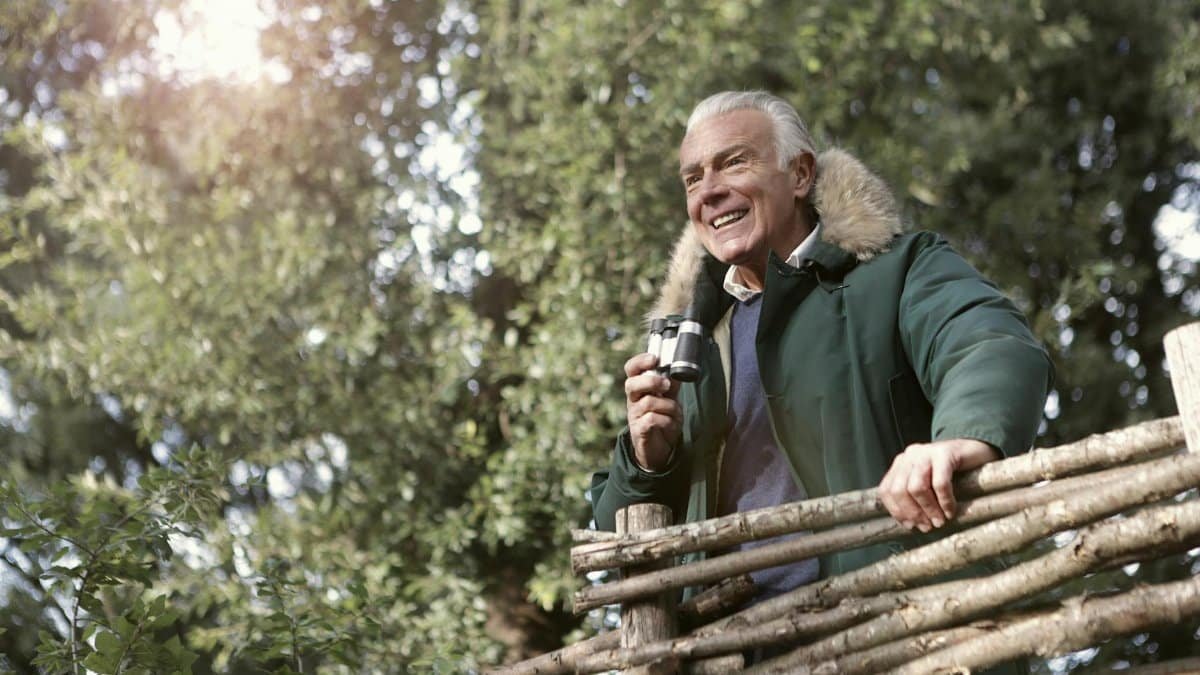
Another subtle nature behavior that encourages calm is birdwatching, which promotes focused attention and reduces mental chatter. In New York, spots like the Ramble in Central Park teem with species from warblers to hawks, offering a free escape. Enthusiasts report it fosters patience and presence, key to easing anxiety. The Cornell Lab of Ornithology notes that regular birders show improved emotional resilience. A study linked in their resources highlights how observing wildlife decreases rumination, a common stress amplifier. Grab binoculars and head out early mornings; even balcony watching counts, turning urban noise into a symphony of chirps that soothes the soul.
3. Grounding Through Barefoot Walking
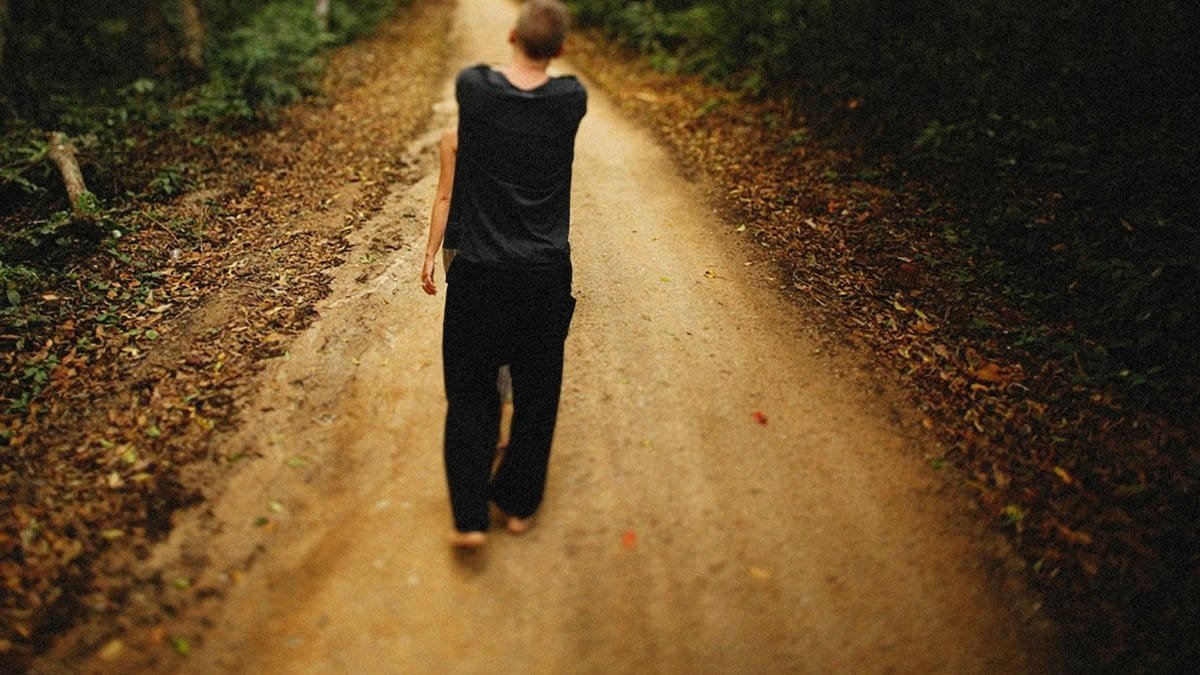
Earthing, or walking barefoot on grass or soil, is a grounding nature behavior encouraging calm by connecting directly with the earth’s electrons. NYC parks provide ample lawns for this, especially in summer. Proponents claim it neutralizes free radicals and improves sleep. Research from the National Institutes of Health supports this, with findings on reduced inflammation via direct contact. A paper in the Journal of Environmental and Public Health details how grounding lowers cortisol. Start with 10 minutes in Washington Square Park, feeling the cool earth underfoot—it’s a simple hack for urban stress relief.
4. Plant Interaction in Indoor Spaces
Bringing nature indoors through plant care is a behavior that encourages calm, transforming apartments into mini oases. New Yorkers are filling homes with pothos and ferns, watering and pruning as meditative rituals. This biophilic design boosts oxygen and humidity while providing purpose. The NASA Clean Air Study famously showed plants like peace lilies remove toxins, enhancing well-being. Further, a 2024 report from the American Psychological Association links indoor greenery to 15% lower anxiety scores. Tend to your urban jungle daily; it’s nature, behaviors, encourage at its most accessible for city living.
5. Water Features for Soothing Sounds

Listening to or watching water—be it fountains in Bryant Park or the Hudson River—serves as a nature behavior encouraging calm through auditory therapy. The gentle flow mimics ocean waves, triggering relaxation responses. In NYC, public installations like the Battery Park City esplanade offer prime spots. Acoustic research indicates water sounds reduce heart rates by up to 10%. A study from the University of Sussex found natural water noises improve focus and mood. Incorporate this by visiting riverside paths or installing a small desktop fountain; it’s an easy way to drown out subway stress with calming rhythms.
6. Stargazing in Low-Light Areas

Even in light-polluted New York, stargazing from rooftops or darker borough outskirts encourages calm by fostering awe and perspective. This nature behavior shifts focus from daily grind to cosmic vastness. The Hayden Planetarium offers guided sessions, but simple apps like SkyView help identify constellations. Psychological studies link awe experiences to decreased ego and increased connectedness. Research published in the journal Emotion supports this, showing stargazers report sustained calm. Head to Inwood Hill Park on clear nights; it’s a reminder that nature, behaviors, encourage beyond the skyline, promoting inner peace.
7. Herbal Foraging and Tea Rituals

Foraging for urban edibles like dandelions in community gardens or brewing herbal teas is a tactile nature behavior that encourages calm. New York’s greenmarkets and parks yield safe options like mint or chamomile for soothing infusions. This connects users to seasonal cycles, reducing feelings of disconnection. Herbal medicine experts cite chamomile’s GABA-boosting effects for anxiety relief. A comprehensive review by the National Center for Complementary and Integrative Health affirms herbs’ role in stress management. Brew a cup post-commute; it’s a ritual that grounds and heals in the heart of the city.
These seven behaviors highlight how integrating nature into New York life can foster profound calm. As urban stress mounts in 2025, embracing them offers practical paths to balance. From parks to personal spaces, nature, behaviors, encourage a gentler nervous system without drastic changes.