

A recent study from the Yale School of the Environment found that over 60 percent of Americans now incorporate some form of nature interaction into their routines, up from just 40 percent a decade ago. This surge reflects a broader cultural shift. In cities like Seattle and Denver, where urban sprawl meets wild landscapes, people are turning to these practices not just for leisure, but for real change. Walk through a park in Brooklyn on a weekday morning, and you might spot professionals pausing to touch tree bark or breathe deeply by a pond. It’s a quiet rebellion against screen-dominated days. At the heart of this movement is the idea of daily, nature-based, transforming rituals. These aren’t fleeting trends. They promise to reshape how we handle stress, boost creativity, and foster connections. As life accelerates in 2025, more are discovering that stepping into nature’s rhythm can alter everything from mood to mindset. But what specific rituals are making the difference? Let’s explore seven that stand out.
1. Morning Grounding Walks
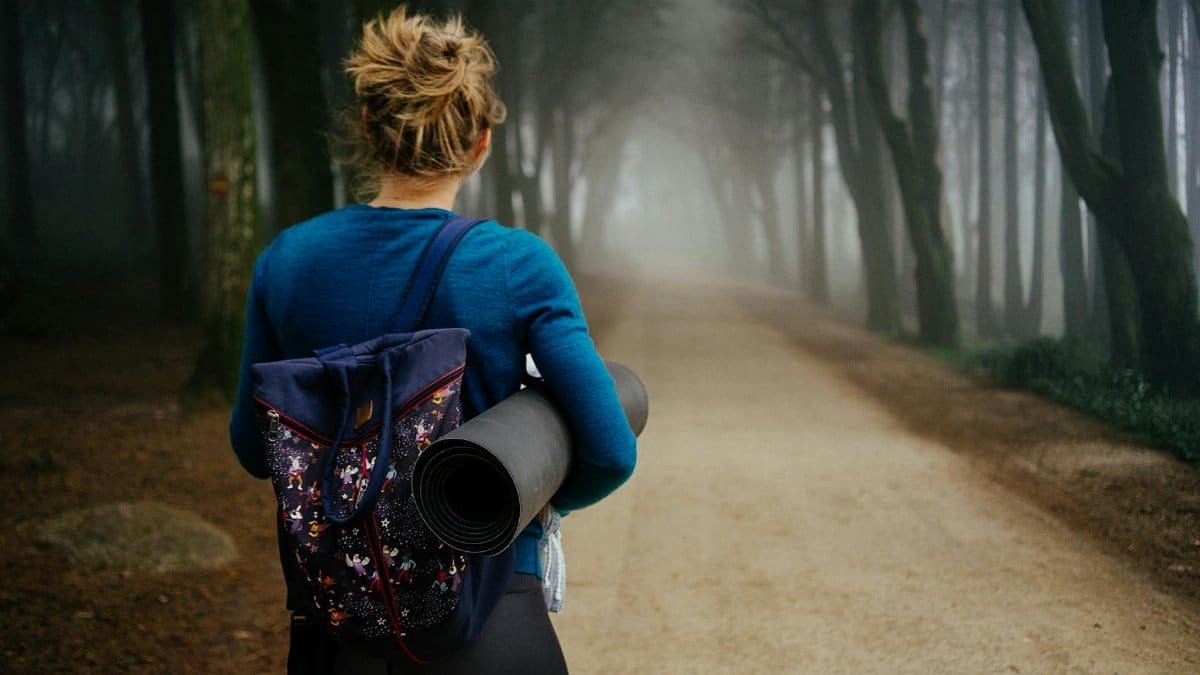
Imagine starting the day with bare feet on dew-kissed grass. This simple act, known as earthing, connects the body directly to the earth’s electrical charge. Research from the National Institutes of Health suggests it can reduce inflammation and improve sleep. For many, it’s transformative. One middle-aged accountant in Chicago shared how these walks shifted his perspective. He used to rush through mornings, coffee in hand, mind racing with emails. Now, he steps outside, feels the soil, and lets worries dissipate. It’s not magic, but science backs the calm it brings. Variations include walking mindfully, noting bird calls or leaf patterns. In a fast world, this ritual anchors the day, turning chaos into clarity. People report sharper focus at work, a subtle but profound change.
2. Forest Bathing Sessions
What if a slow wander through woods could lower blood pressure? That’s the essence of shinrin-yoku, or forest bathing, a practice imported from Japan but gaining traction in U.S. national parks. A study by the U.S. Forest Service highlights how phytoncides from trees boost immune function. Picture a group in California’s redwoods, standing still, inhaling deeply. No hiking required, just presence. One anonymous online account described it vividly: after a session, the poster felt reborn, anxiety melting away like morning fog. It’s especially popular among those battling burnout. Integrate it weekly, and it transforms daily stress into manageable waves. The key is immersion, letting nature’s quiet dialogue reset the mind. In 2025, apps even guide virtual versions, but nothing beats the real thing.
3. Herbal Tea Rituals

Brewing tea from foraged herbs isn’t just about flavor. It’s a deliberate pause, blending nature’s gifts into everyday routine. Chamomile from the garden or wild mint can soothe nerves, as noted in findings from the American Botanical Council. Start by selecting leaves, steeping them slowly. A teacher in Austin incorporates this after school, turning a hectic afternoon into reflective time. She sips, watches steam rise, and journals thoughts. This ritual fosters mindfulness, often leading to better emotional balance. It’s accessible, even in urban apartments with potted plants. Over time, it builds resilience, making daily challenges feel less overwhelming. Friends gather for shared sessions, strengthening bonds through this nature-infused habit.
4. Sunset Reflection Practices
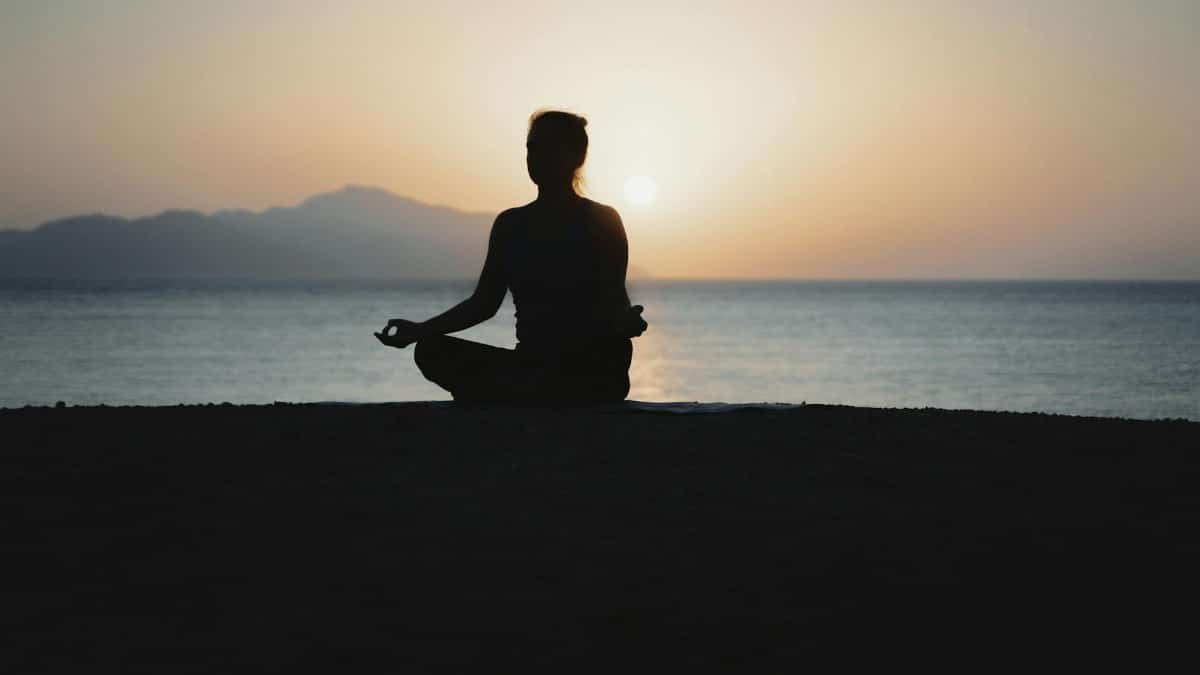
As the sun dips, many now pause to reflect. This ritual involves watching the horizon, noting colors shift from gold to purple. It’s linked to improved mental health, per a report from Pew Research Center on Americans’ time use and well-being. In coastal towns like San Diego, people sit on beaches, letting the day’s events unfold in their minds. One story stands out: a retiree in Florida found it helped process grief, transforming isolation into peace. No tools needed, just intention. It encourages gratitude, shifting focus from what’s lacking to abundance. Even in landlocked areas, a window view works. This practice turns evenings into opportunities for growth, subtly altering life’s narrative.
5. Moonlight Gardening
Under the moon’s glow, tending plants takes on a mystical yet practical tone. This ritual aligns with lunar cycles, believed to enhance growth, though science from agricultural studies supports better soil moisture at night. Gardeners in rural Vermont swear by it for deeper connection. Digging soil, planting seeds by flashlight, it quiets the mind. A busy parent recounted how it became her sanctuary, weeding away daily frustrations. It’s not about yield alone, but the therapy of hands in earth. In cities, balcony pots suffice. Over months, participants notice heightened awareness, a transformed sense of time. It weaves nature’s cycles into personal rhythms, fostering patience and renewal.
6. Birdwatching Meditations

Spotting a cardinal or listening to a robin’s call can ground scattered thoughts. This ritual combines observation with stillness, drawing from ornithology’s calming effects. Data from the Cornell Lab of Ornithology indicates it reduces cortisol levels. In suburban backyards across the Midwest, enthusiasts set aside time daily. One vivid example: a software engineer in Silicon Valley started during remote work breaks, finding it sparked creativity. Binoculars optional; the focus is presence. It transforms mundane moments into discoveries, enhancing empathy for the environment. Groups form clubs, sharing sightings that build community. As urban noise grows in 2025, this practice offers a vital escape, reshaping how we perceive our surroundings.
7. River Stone Stacking
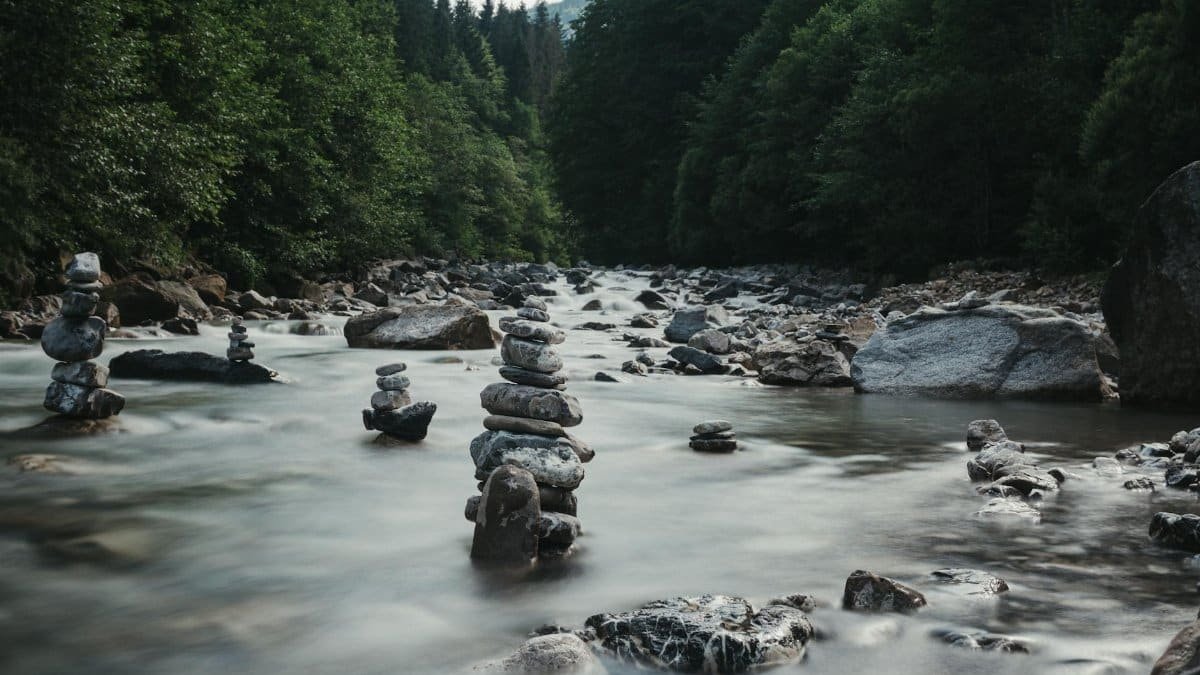
Balancing stones by a stream symbolizes impermanence and focus. This ancient-inspired ritual promotes patience, with benefits akin to mindfulness training. Environmental psychologists note its role in stress reduction. Along rivers in the Pacific Northwest, practitioners stack, step back, and observe. A hiker shared anonymously online: after losing her job, this act helped rebuild confidence, one stone at a time. It’s tactile, engaging senses fully. No permanent structures; the point is the process. In daily life, it translates to better problem-solving, turning obstacles into balanced stacks. Adaptable to beaches or parks, it invites playfulness, transforming routine into artful expression.
These seven rituals highlight how daily, nature-based, transforming practices are weaving into American lives. From coast to heartland, they’re not escapes but integrations, offering tools for balance in an unpredictable world. As more embrace them, the shift feels collective, a nod to nature’s enduring wisdom.