

In a world buzzing with digital distractions, a surprising statistic stands out. According to a 2023 survey by the American Psychological Association, nearly 40 percent of adults report that spending time in nature significantly boosts their mood and reduces stress, up from just 25 percent a decade ago. This shift highlights a growing embrace of wellbeing, everyday, nature-based practices that weave the outdoors into daily life. No longer reserved for weekend hikes, these rituals are transforming how people manage mental health amid urban chaos. From simple backyard moments to intentional forest immersions, they’re proving accessible and powerful. As more Americans seek balance in 2025, these nature-based approaches offer gentle antidotes to burnout. They remind us that healing often lies just beyond the doorstep.
1. Forest Bathing for Mindful Presence
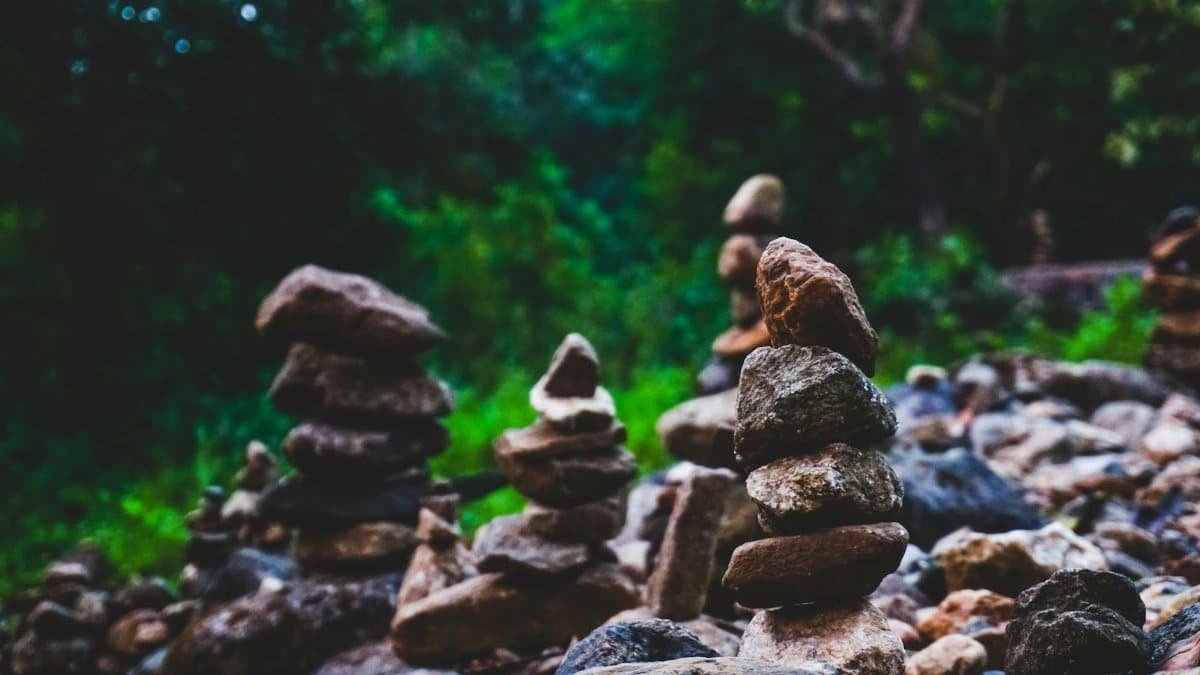
Forest bathing, or shinrin-yoku as it’s known in Japan, invites people to slow down and absorb the woods without any agenda. Originating in the 1980s as a public health initiative, it has caught on in the U.S., where stressed professionals now seek out wooded trails during lunch breaks. Imagine a marketing executive in Seattle stepping off a crowded sidewalk into a nearby park, inhaling the earthy scent of pine and letting worries dissolve. Studies show this practice lowers cortisol levels and enhances immune function. One landmark research from the Nippon Medical School found that phytoncides released by trees can reduce blood pressure. It’s not about exercise; it’s immersion. Participants often describe a profound calm, like rediscovering a forgotten rhythm. In bustling cities, even a short session reframes the day, turning routine commutes into opportunities for renewal. Yet, challenges arise when weather or access limits options, prompting adaptations like indoor plant setups. This ritual underscores how nature’s subtle cues can anchor us amid life’s frenzy.
2. Grounding Through Barefoot Walking

Picture someone kicking off their shoes on a dewy lawn, feeling the cool earth underfoot. This grounding technique, also called earthing, connects the body directly to the planet’s electrical charge. Enthusiasts claim it combats inflammation and improves sleep, backed by emerging science. A study published in the Journal of Environmental and Public Health explored how contact with the earth’s electrons neutralizes free radicals. In everyday terms, it’s a simple reset: a teacher in Chicago might end her day with a barefoot stroll in the backyard, shaking off classroom stress. Online, one anonymous account shared how this ritual eased chronic anxiety, describing the sensation as “plugging into a natural battery.” It’s democratic—no gear required beyond open space. However, urban dwellers adapt with grounding mats indoors. The practice highlights tensions between modern insulation from nature and our innate need for connection, revealing how something as basic as soil can restore equilibrium.
3. Sunrise Gazing to Set Intentions

What begins as a quiet dawn ritual can reshape the entire day. Sunrise gazing involves watching the sun crest the horizon, often paired with deep breathing or journaling. Rooted in ancient traditions, it’s gaining traction among wellness seekers in the U.S. for its mood-boosting effects. Research from the National Institutes of Health links morning light exposure to regulated circadian rhythms and reduced depression symptoms. A retiree in Florida might stand on her porch, coffee in hand, as colors paint the sky, setting a positive tone. This isn’t mere observation; it’s active engagement, fostering gratitude. Yet, not everyone has ideal views, leading to creative solutions like apps simulating sunrises. The ritual exposes the irony of our screen-lit lives, where artificial glows dominate, and invites a return to solar cycles for sustained wellbeing, everyday, nature-based.
4. Herbal Tea Ceremonies from the Garden
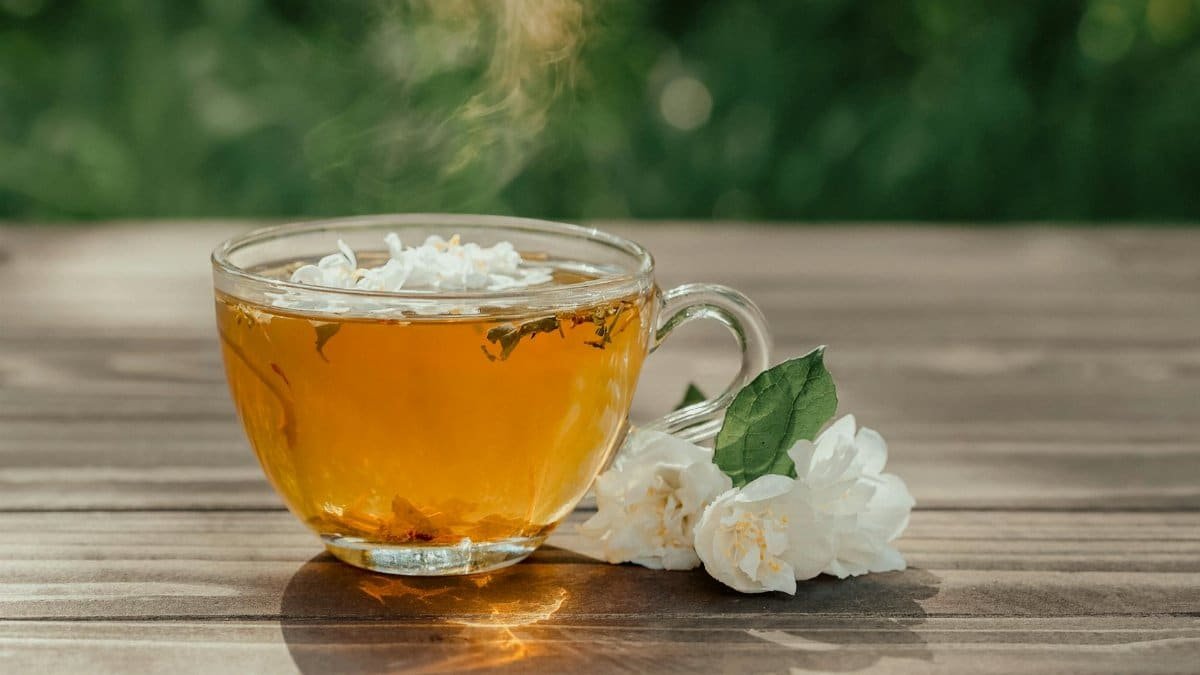
Growing and brewing herbs transforms a mundane cup into a mindful ceremony. People harvest mint or chamomile from small pots or community gardens, steeping leaves in hot water with intention. This ritual ties back to indigenous practices and has surged in popularity during recent wellness booms. A report from the Pew Research Center notes increasing interest in natural remedies among Americans. Consider a young parent in Denver pausing mid-afternoon to pluck fresh basil, inhaling its aroma before infusing it. The act slows time, promoting relaxation. Science supports it too; chamomile’s compounds aid digestion and calm nerves, per findings in the Molecular Medicine Reports journal. But availability varies seasonally, encouraging preservation techniques. It illustrates how personal gardens bridge human effort with nature’s bounty, nurturing both body and spirit in subtle ways.
5. Moonlit Reflections for Emotional Release

Under the night’s glow, moonlit reflections offer a space for introspection. This involves sitting outdoors during full moons, perhaps journaling or meditating on recent events. It’s less about astronomy and more about emotional catharsis, drawing from lunar folklore across cultures. In 2025, with mental health conversations amplifying, such rituals provide low-key outlets. A study by the Centers for Disease Control and Prevention emphasizes nature’s role in emotional regulation. An artist in New York might gaze at the moon from a fire escape, releasing pent-up frustrations through quiet contemplation. The darkness amplifies vulnerability, making insights sharper. Adaptations for cloudy nights include guided audio sessions. This practice reveals the pull of celestial bodies on our psyches, countering daytime bustle with nocturnal peace, and enhancing wellbeing, everyday, nature-based through rhythmic release.
6. Birdwatching as Attentive Listening

Birdwatching sharpens focus by tuning into avian symphonies. Armed with binoculars or just keen ears, observers note calls and behaviors, fostering patience. This hobby, booming post-pandemic, aligns with biophilia—the innate affinity for living systems. Data from the U.S. Fish and Wildlife Service indicates over 45 million Americans participate annually. A librarian in Atlanta could spend weekends in local reserves, spotting cardinals and feeling tensions ease. It’s therapeutic; research in Bioscience journal links it to lower anxiety. One public forum post recounted how identifying a warbler’s song shifted someone’s perspective from chaos to wonder. Urban bird feeders extend the ritual indoors. Yet, habitat loss poses challenges, sparking conservation talks. Birdwatching embodies attentive living, where nature’s details teach presence, weaving seamlessly into routines for deeper fulfillment.
7. Seasonal Foraging for Nourishment

Foraging wild edibles connects eaters directly to the land’s offerings. From berries in summer to nuts in fall, it encourages mindful harvesting with sustainability in mind. This age-old practice is reviving in the U.S., driven by farm-to-table movements. The U.S. Fish and Wildlife Service reports growing interest in wild foods. Envision a family in Oregon wandering trails, picking blackberries and discussing flavors. It nourishes body and curiosity, with nutrients like antioxidants abundant in foraged items. Safety is key—experts warn of misidentification risks, promoting guided tours. This ritual highlights seasonal awareness, contrasting fast food culture with deliberate gathering. In doing so, it fosters gratitude and resilience, proving that wellbeing, everyday, nature-based thrives on active participation with the environment.
These seven rituals illustrate a broader movement toward integrating nature into daily life. They’re not escapes but enhancements, addressing modern ailments with timeless wisdom. As Americans navigate 2025’s uncertainties, such practices offer grounded paths to wellbeing, everyday, nature-based, reminding us that true vitality often sprouts from the soil beneath our feet.