

A recent study from the Pew Research Center found that nearly 40 percent of American adults now incorporate some form of movement-based practices into their routines, up from just 25 percent a decade ago. This surge reflects a growing recognition that in our sedentary, screen-dominated lives, physical motion isn’t just about fitness—it’s a gateway to mental clarity and emotional balance. Amid rising stress levels and burnout reports, methods, movement, therapy have emerged as accessible tools for reclaiming well-being. From bustling cities to quiet suburbs, people are turning to these approaches to counteract the toll of modern demands. Whether it’s through gentle flows or structured sequences, the appeal lies in their ability to integrate body and mind, fostering resilience in everyday chaos. As we navigate 2025’s fast-paced landscape, understanding these methods offers a practical lens on how movement can transform lifestyles for the better.
1. Yoga’s Mindful Flows
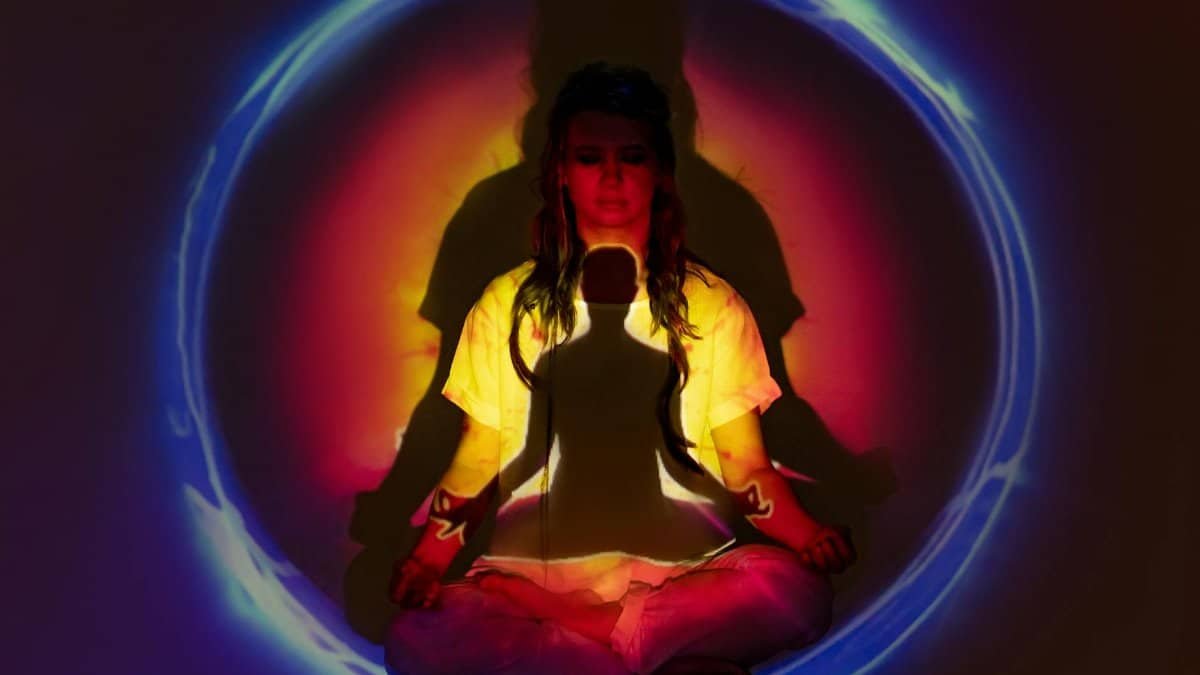
At its core, yoga blends postures with breathwork, creating a rhythm that quiets the mind. Practitioners often describe it as a reset button for overwhelmed days. Consider Sarah, a midwestern teacher juggling remote work and family. She started with simple sun salutations in her living room, noticing how the deliberate stretches eased her chronic tension. Over time, this practice built not just flexibility but a deeper sense of calm amid deadlines.
Research backs this up. A study published in the Journal of Alternative and Complementary Medicine showed that regular yoga reduces cortisol levels, the hormone tied to stress. Participants reported improved sleep and mood after just eight weeks. In urban hubs like New York or Los Angeles, studios buzz with classes tailored to busy professionals, emphasizing quick sessions that fit into lunch breaks.
Yet yoga isn’t without its hurdles. Some newcomers feel intimidated by advanced poses, but starting slow with beginner apps or community centers helps. The key is consistency, turning isolated moments into a habit that seeps into daily life. As one anonymous online account shared, the shift from rigid routines to fluid movement felt liberating, like shedding invisible weights.
This method’s versatility shines in 2025, with virtual platforms making it accessible nationwide. From coastal retreats to heartland homes, yoga adapts, proving that small movements can lead to profound changes.
2. Tai Chi’s Gentle Waves

Picture a park in San Francisco at dawn, where a group moves in slow, synchronized waves. Tai chi, rooted in ancient Chinese martial arts, emphasizes balance and flow, making it ideal for those seeking low-impact therapy. It’s less about speed and more about intention, each gesture promoting energy circulation.
Experts note its benefits for older adults, particularly in managing arthritis or improving mobility. The National Institutes of Health highlights how tai chi enhances proprioception, that innate sense of body position, reducing fall risks. A linked review from NIH’s PubMed Central details studies where participants gained better joint function after consistent practice.
One compelling story comes from a retired veteran in Texas who turned to tai chi after years of back pain. The slow circles and weight shifts rebuilt his confidence, turning stiffness into subtle strength. It’s a reminder that therapy through movement doesn’t demand intensity; sometimes, the quiet power of patience yields the greatest rewards.
In modern contexts, tai chi classes pop up in community centers and online, addressing the isolation many feel post-pandemic. Practitioners weave it into mornings, finding it counters the digital overload with grounded presence.
3. Pilates for Core Strength
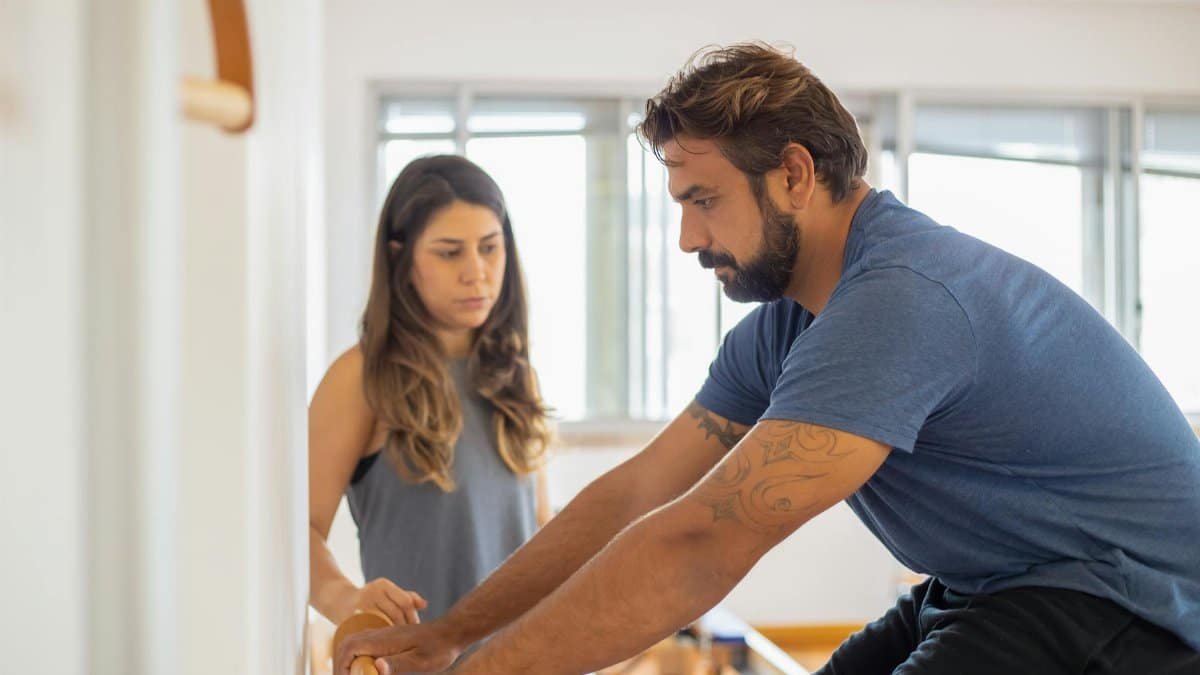
What draws people to Pilates? Often, it’s the promise of a stronger core without the gym’s clamor. Developed by Joseph Pilates in the early 20th century, this method focuses on controlled movements that build stability from the inside out.
A report from the Mayo Clinic underscores its role in rehabilitation, especially for back issues common in desk-bound jobs. Their analysis shows improved posture and reduced pain among regular participants. For deeper insights, check the Mayo Clinic’s guide on Pilates, which outlines evidence-based advantages.
Take the case of a Seattle office worker who integrated mat exercises into her evenings. What began as a way to unwind evolved into a ritual that sharpened her focus at work. She noticed how the emphasis on breath aligned her thoughts, turning scattered energy into purposeful drive.
Challenges arise when equipment like reformers seems daunting, but home-based versions using body weight suffice. In 2025, with hybrid work models persisting, Pilates offers a bridge between physical health and mental sharpness, adapting to lifestyles that blend home and office.
4. Dance Therapy’s Expressive Release

Dance therapy invites free-form expression, where rhythm becomes a conduit for emotions. Unlike structured classes, it prioritizes personal narrative through motion, often used in clinical settings for trauma recovery.
The American Dance Therapy Association reports its efficacy in boosting self-esteem, with sessions helping individuals process grief or anxiety. A study linked from PubMed’s archive on dance movement therapy demonstrates reduced depression symptoms in participants.
Imagine a group in Chicago, swaying to soft beats in a dimly lit studio. One participant, dealing with job loss, found words inadequate but movement liberating. It was as if each step unraveled knots of frustration, fostering connections with others in the circle.
This method thrives in community spaces, from urban wellness centers to rural retreats. It counters the isolation of modern life, reminding us that therapy can be joyful, not just introspective.
5. Feldenkrais Method’s Subtle Awareness

The Feldenkrais Method stands out for its focus on subtle, exploratory movements that rewire habitual patterns. Named after its founder, Moshe Feldenkrais, it encourages curiosity over correction.
Studies from Harvard Medical School suggest it aids in pain management by improving neuromuscular efficiency. Their resources, available at Harvard Health Publishing, explain how gentle lessons enhance everyday function.
A New York graphic designer, plagued by repetitive strain, discovered relief through floor-based sequences. Rolling and reaching slowly, she tuned into tensions she hadn’t noticed, gradually easing them away. It wasn’t dramatic, but the cumulative effect reshaped her posture and mindset.
In an era of quick fixes, Feldenkrais offers a patient alternative, appealing to those weary of high-intensity trends. Practitioners often blend it with daily activities, turning mundane tasks into opportunities for mindfulness.
6. Alexander Technique’s Postural Harmony
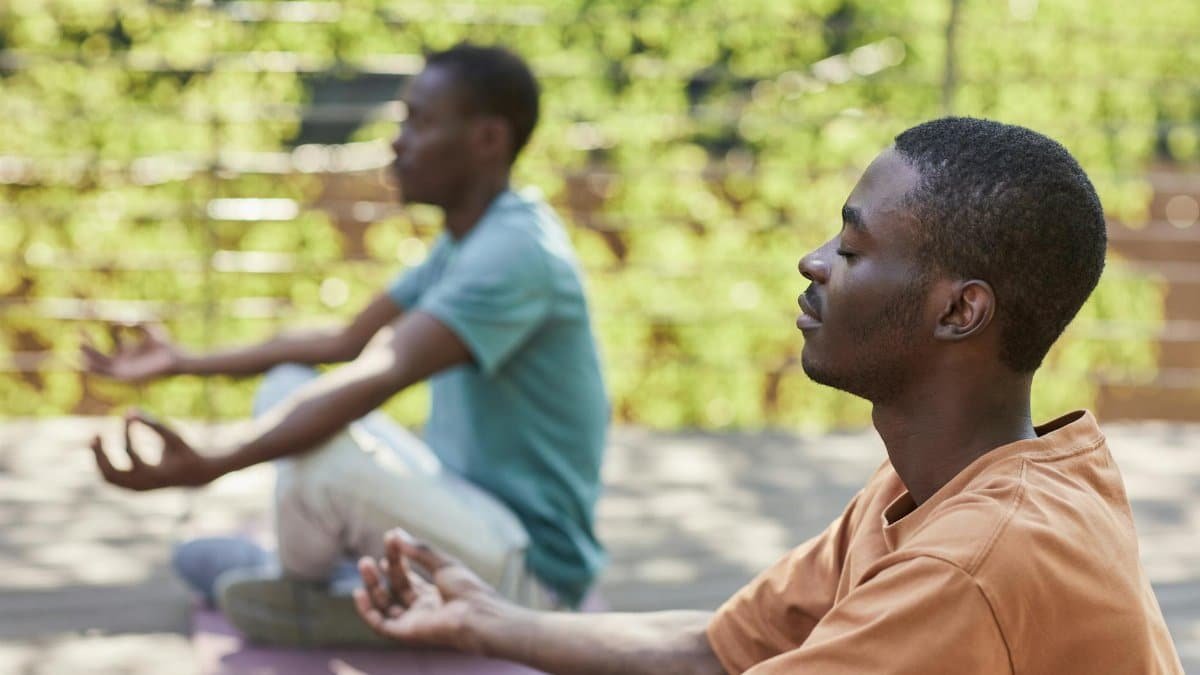
Alexander Technique teaches conscious inhibition of poor habits, promoting efficient body use. Actors and musicians swear by it for performance, but its reach extends to everyday posture woes.
Research from the British Medical Journal indicates it alleviates chronic neck pain, with long-term benefits surpassing standard care. Explore the findings via BMJ’s publication on Alexander Technique.
Consider a Boston accountant who adopted its principles during commutes. By pausing to release shoulder tension, he transformed stressful drives into moments of realignment. The technique’s emphasis on awareness spilled over, improving his interactions at work.
Accessible through workshops or self-study, it fits seamlessly into 2025’s wellness landscape, where preventing burnout is key. It underscores that true therapy often lies in unlearning as much as learning.
7. Qigong’s Energy Cultivation

Qigong combines breath, posture, and meditation to cultivate vital energy, drawing from traditional Chinese medicine. Its slow, flowing forms appeal to those seeking holistic balance.
The National Center for Complementary and Integrative Health notes its potential in lowering blood pressure and enhancing immune function. Their overview at NCCIH’s Qigong page summarizes supportive evidence from various trials.
In a Florida retirement community, a group practices under palm trees, their movements syncing with the breeze. One member, recovering from illness, credits the practice for renewed vitality, describing it as tapping into an inner wellspring.
Qigong’s adaptability makes it suitable for all ages, countering the fatigue of contemporary life. As methods, movement, therapy evolve, it represents a timeless approach, blending ancient wisdom with modern needs.
These seven methods illustrate how movement therapy can weave into the fabric of daily existence, offering paths to resilience and joy. In a world that often prioritizes productivity over presence, they remind us to move with intention.