

A recent study from the National Institutes of Health showed that nearly 40 percent of American adults now incorporate some form of movement therapy into their routines, up from just 25 percent a decade ago. This surge reflects a growing recognition that simple, intentional movements can transform everyday well-being. Amid the hustle of modern life, with remote work blurring boundaries and stress levels climbing, people are seeking ways to reclaim balance. Methods, therapy, daily like these offer accessible tools, drawing from ancient practices and contemporary science to foster habits that stick. They go beyond exercise, weaving mindfulness into the fabric of routine tasks, from morning stretches to evening wind-downs. As we navigate 2025, with mental health conversations louder than ever, these approaches promise subtle yet profound shifts. They encourage listening to the body, building resilience against daily pressures. What’s driving this trend? Perhaps it’s the realization that small, consistent actions can lead to lasting change, without the need for drastic overhauls.
1. Yoga Flows for Morning Rituals

Imagine starting the day not with a rushed coffee grab, but with a gentle sequence of poses that awaken the body. Yoga, rooted in ancient Indian traditions, has evolved into a staple for many seeking to enhance daily habits through mindful movement. Practitioners often describe how a short sun salutation series sets a tone of calm intention. One anonymous account shared publicly online recalled feeling scattered until incorporating yoga; suddenly, mornings felt anchored, decisions clearer.
This method emphasizes breath synchronized with motion, promoting flexibility and focus. Research supports its benefits: a study published in the Journal of Alternative and Complementary Medicine found that regular yoga reduces cortisol levels, easing stress that disrupts routines. For middle-aged adults juggling careers and family, it offers a low-impact way to build strength without overwhelming the schedule. Try integrating it by linking poses to breath counts, turning a 10-minute practice into a habit that spills over into productive afternoons.
Yet, it’s not without hurdles. Some newcomers struggle with consistency, but starting small, perhaps with online guides, helps. The key lies in viewing yoga as a dialogue with oneself, adapting flows to personal energy levels. Over time, this fosters habits like better posture during desk work, subtly enhancing overall daily function.
2. Tai Chi for Balanced Evenings
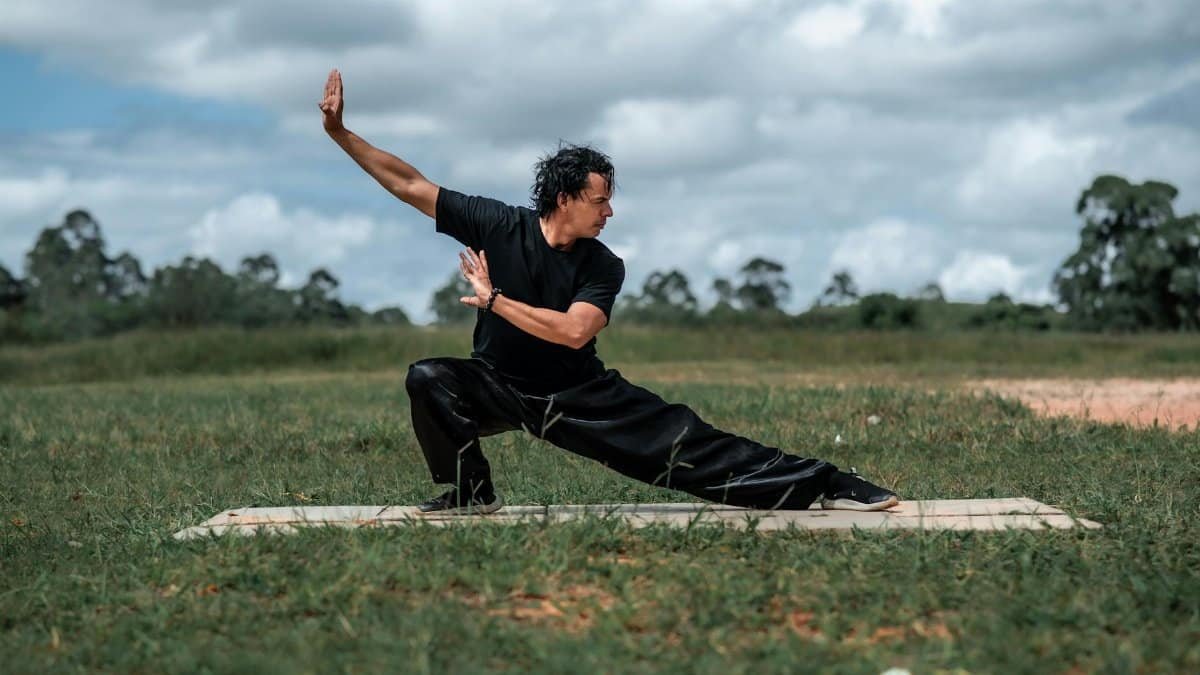
“It was like moving through water,” a participant once described their first tai chi session, the slow, deliberate shifts easing the day’s tensions. This Chinese martial art, often called meditation in motion, excels at winding down evenings, countering the mental clutter that builds up. In bustling U.S. cities like Chicago, community classes draw crowds looking to instill serenity into nightly routines.
Tai chi’s fluid forms improve balance and coordination, vital for aging gracefully. A report from the Centers for Disease Control and Prevention highlights how such practices reduce fall risks among older adults, making it a practical tool for daily safety. Integrating it means practicing sequences that mimic natural flows, perhaps in a quiet park or living room, turning downtime into restorative time.
Challenges arise when motivation dips, but pairing it with a favorite podcast can help. The beauty is in its adaptability; even abbreviated sessions yield calm, helping habits like better sleep hygiene take root. As 2025 sees more emphasis on holistic health, tai chi stands out for its gentle potency.
3. Pilates for Core Strength in Workdays
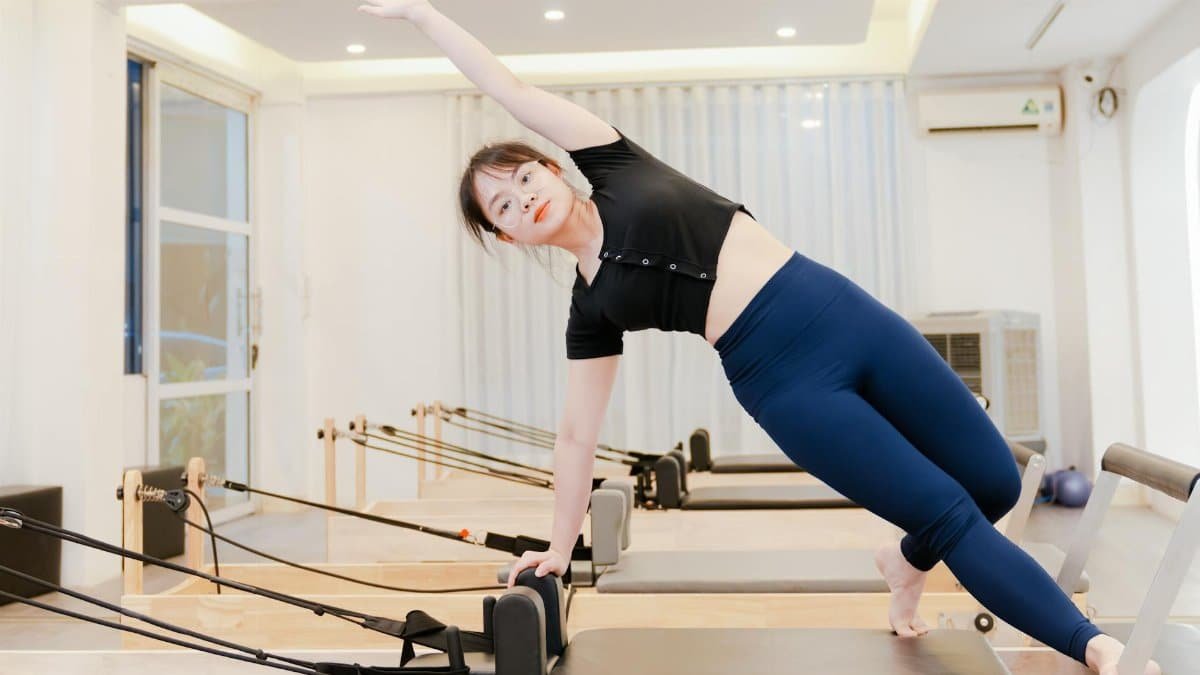
During a midday break, a office worker might unroll a mat for a quick Pilates routine, feeling the core engage with each controlled movement. Developed by Joseph Pilates in the early 20th century, this method focuses on precision and alignment, ideal for enhancing productivity amid sedentary jobs. It’s not about high intensity; rather, it’s the mindful engagement that builds enduring habits.
Studies back its efficacy: research from the American Council on Exercise indicates Pilates boosts muscular endurance, which translates to better posture during long hours at a desk. For those in their forties and fifties, it addresses common aches, fostering routines that prevent burnout. Envision incorporating reformer-inspired exercises at home, using body weight to strengthen without equipment.
Of course, mastering the breath control takes practice, and some find the focus demanding. Starting with guided videos eases the entry. Ultimately, Pilates weaves strength into daily life, like maintaining energy for evening family time, proving that therapy through movement can redefine ordinary days.
4. Feldenkrais Method for Mindful Posture
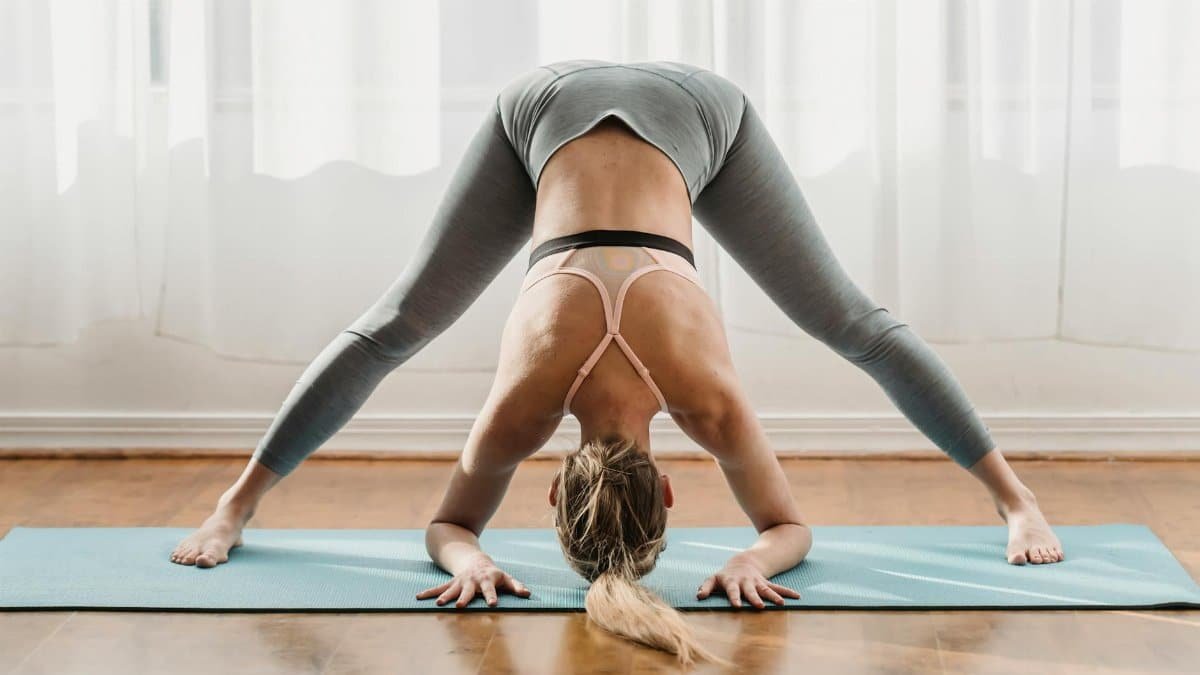
What if relearning how to sit could change everything? The Feldenkrais Method, created by Moshe Feldenkrais, invites exploration of subtle movements to improve awareness and efficiency. Picture someone experimenting with shoulder rolls during a commute, suddenly noticing habitual slouches melt away. This approach turns everyday actions into opportunities for therapy, daily enhancing posture without force.
A study in the journal Physical Therapy, accessible via Oxford Academic’s Physical Therapy journal, shows it enhances functional mobility, particularly for those with chronic pain. Middle-aged readers might appreciate how it counters desk-bound stiffness, building habits of self-correction that last.
Integration feels organic: lessons often involve lying down, sensing how gravity aids movement. Skeptics might dismiss it as too gentle, but persistence reveals its depth. In a world of quick fixes, Feldenkrais offers a thoughtful path, subtly shifting how one navigates daily demands.
5. Alexander Technique for Stress Reduction

A performer straightens her spine before stepping onstage, a quiet application of the Alexander Technique that calms nerves. Developed by F.M. Alexander, this method teaches releasing unnecessary tension, perfect for high-stress professions. In New York offices, workshops teach pausing to realign, turning potential overwhelm into managed poise.
Evidence from the British Medical Journal supports its role in reducing back pain, with links to The BMJ’s main site where related studies can be explored. It enhances daily habits by promoting conscious use of the body, like easing into chairs without strain.
Learning curves exist; it requires unlearning old patterns. Yet, simple cues, like thinking “neck free,” integrate seamlessly. For those facing midlife pressures, it provides a toolkit for resilience, making movement therapy a daily ally against burnout.
6. Qigong for Energy Flow

Breaths deepen as arms circle slowly in a park, practitioners tapping into qigong’s ancient energy work. Originating from China, this practice combines movement, meditation, and breathing to cultivate vitality, ideal for midday slumps. One shared story described a renewed sense of flow after starting, habits aligning with natural rhythms.
The National Center for Complementary and Integrative Health notes its benefits for mood and immunity, detailed at NCCIH’s official site. In 2025, with wellness apps proliferating, qigong offers an unplugged alternative, enhancing focus for tasks like cooking or walking.
Accessibility is key; no special gear needed. Doubts about its “woo-woo” aspects fade with experience. It builds habits of presence, turning routine moments into energizing pauses.
7. Dance Therapy for Emotional Release

Laughter echoes in a community hall as bodies sway freely, dance therapy unlocking pent-up emotions. This expressive form, recognized by the American Dance Therapy Association, uses movement to process feelings, enhancing daily emotional habits. It’s particularly resonant for those feeling stuck in repetitive cycles.
Research in the Arts in Psychotherapy journal underscores its mental health impacts, with archives at ScienceDirect’s journal page. For middle-aged adults, it fosters joy amid responsibilities, like dancing off work stress at home.
Shyness can be a barrier, but group settings build confidence. Over time, it cultivates expressive habits, enriching relationships and self-awareness. As movement therapy gains traction, dance proves a vibrant method for daily renewal.
These seven methods illustrate how movement therapy can weave into the tapestry of daily life, offering paths to greater well-being. From yoga’s dawn greetings to dance’s evening releases, they remind us that small shifts yield big rewards. In an era of constant demands, embracing such practices might just be the key to thriving.