

A recent study from the National Institutes of Health revealed that nearly 40% of Americans report improved mood stability when incorporating nutrient-rich foods into their routines, a jump from just 25% a decade ago. This surge highlights a growing awareness of how diet intersects with mental well-being. Amid rising stress levels in 2025, from work pressures to family demands, people are turning to everyday meals as tools for balance. What if the key to better emotional regulation lies not in therapy sessions alone, but in the simple act of choosing what goes on your plate? Exploring meals that strengthen emotional resilience offers a practical approach. These options, backed by nutritional science, can help regulate daily stress by supporting brain health and hormone balance. It’s a subtle yet powerful shift, one that empowers individuals to take control in an unpredictable world.
1. Oatmeal with Berries and Nuts
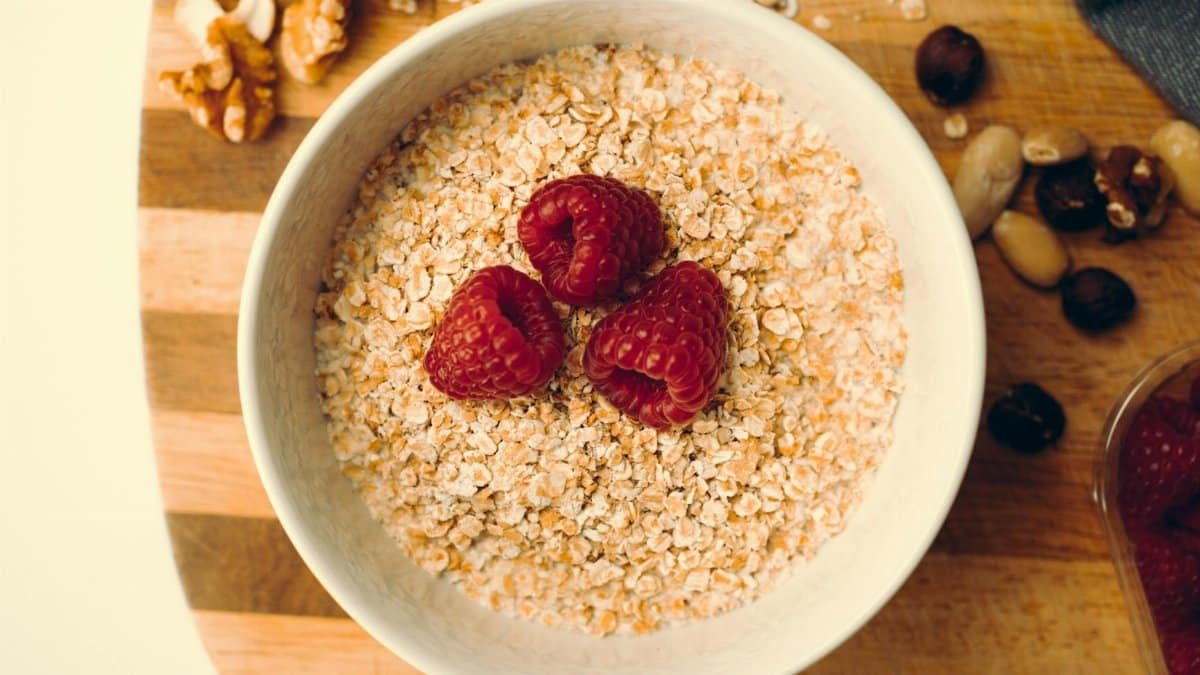
Start the day with a bowl of warm oatmeal topped with fresh berries and a handful of walnuts. This combination isn’t just comforting; it’s a powerhouse for steady energy. Complex carbohydrates in oats release serotonin gradually, that feel-good chemical that keeps moods even. Berries add antioxidants, fighting inflammation linked to anxiety. Walnuts bring omega-3 fatty acids, essential for brain function.
Imagine a busy parent in Chicago, juggling remote work and kids’ schedules. She swaps her rushed coffee for this meal and notices calmer mornings. No more mid-morning crashes. Research supports this: A study from Harvard’s T.H. Chan School of Public Health shows omega-3s reduce symptoms of depression.Harvard T.H. Chan School of Public Health on Omega-3 Fats. It’s not magic, just smart fueling.
Preparation is straightforward. Cook oats in almond milk, stir in blueberries, and sprinkle chopped nuts. Add a dash of cinnamon for flavor without sugar spikes. This meal sets a foundation, helping you navigate emotional ups and downs with more grace.
2. Salmon Salad with Leafy Greens

Picture lunchtime in a bustling New York office, where deadlines loom. A grilled salmon salad, piled with spinach, kale, and avocado, becomes a quiet ally. Salmon’s rich in DHA, a type of omega-3 that bolsters cognitive resilience against stress. Leafy greens provide folate, crucial for dopamine production, which regulates pleasure and motivation.
One anonymous account from online discussions described switching to fish-based lunches and feeling “less reactive to petty annoyances.” It’s relatable; who hasn’t snapped over something small when hangry? The American Psychological Association links folate deficiencies to higher irritability. Dive into the greens first, letting their crunch ground you, then savor the flaky salmon.
To make it, grill a fillet seasoned with lemon and herbs, then toss over mixed greens with a light vinaigrette. This isn’t about restriction; it’s abundance on a plate, fostering emotional steadiness through sustained nourishment. Studies from the NIH affirm omega-3s’ role in mood modulation.NIH Office of Dietary Supplements on Omega-3 Fatty Acids.
3. Quinoa Bowl with Vegetables and Eggs
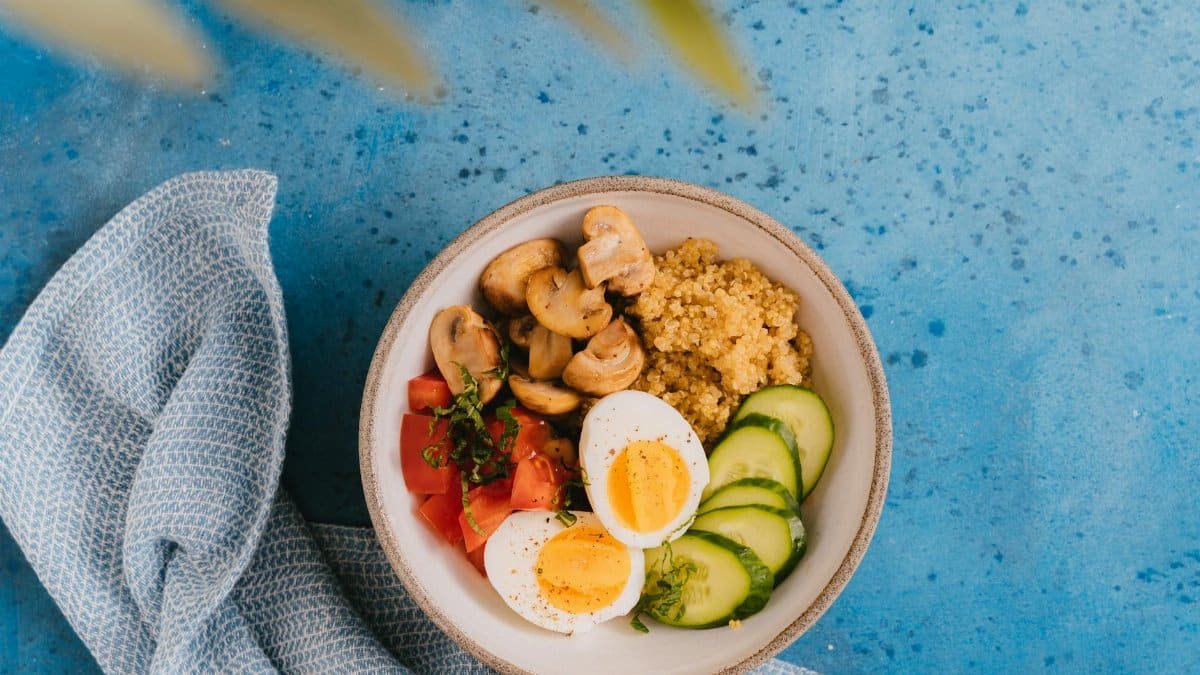
What happens when protein meets fiber in a vibrant quinoa bowl? Emotional clarity, for starters. Quinoa offers complete protein, stabilizing blood sugar to prevent those mood dips. Add roasted vegetables like broccoli and bell peppers for vitamins that support neurotransmitter function, and top with a poached egg for choline, which aids memory and focus.
A middle-aged teacher in Texas shared how this meal transformed her afternoons. No longer foggy after lunch, she handled classroom chaos with patience. It’s a small victory, but telling. The tension between quick fixes and lasting habits plays out here; eggs provide immediate satisfaction, while veggies build long-term resilience.
Build it layer by layer: Fluff quinoa, pile on colorful veggies, and crown with the egg. Season with herbs for depth. According to a report from the USDA, such balanced meals correlate with lower stress markers.USDA on Healthy Eating and Stress Management. This dish reminds us that emotional strength often starts in the kitchen.
4. Turkey Stir-Fry with Brown Rice
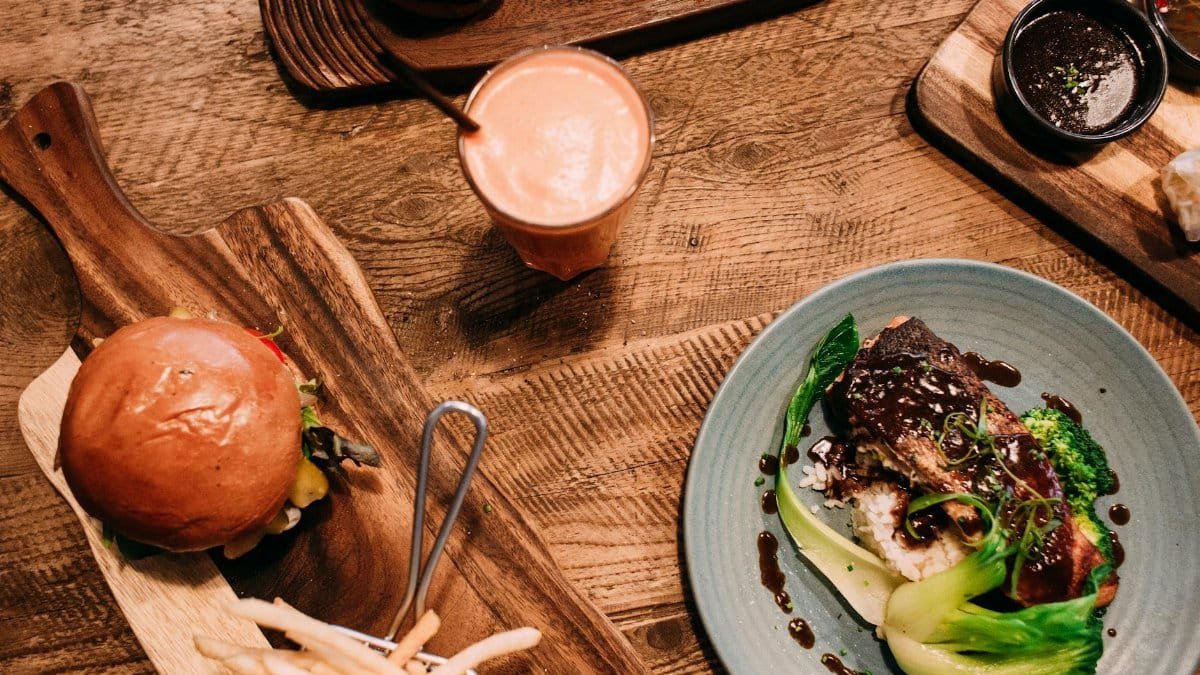
Evening meals carry weight, especially after a long day. A turkey stir-fry over brown rice delivers tryptophan, the precursor to serotonin, promoting relaxation. Brown rice’s fiber slows digestion, avoiding energy crashes that amplify frustration. Toss in colorful veggies like carrots and snap peas for added nutrients that combat oxidative stress.
Consider a scenario in suburban Atlanta: A couple experiments with this recipe during a tense week. Laughter returns over dinner, as the meal eases built-up tension. It’s not always smooth; sometimes the stir-fry burns a bit, mirroring life’s imperfections. Yet, the act of cooking together strengthens bonds, indirectly bolstering emotional regulation.
Stir-fry ground turkey with garlic, ginger, and soy sauce, then mix with rice and veggies. Keep portions mindful. The Mayo Clinic notes tryptophan’s benefits for sleep and mood.Mayo Clinic on Food and Mood. In 2025, with wellness apps tracking everything, this meal stands out for its simplicity.
5. Greek Yogurt Parfait with Seeds
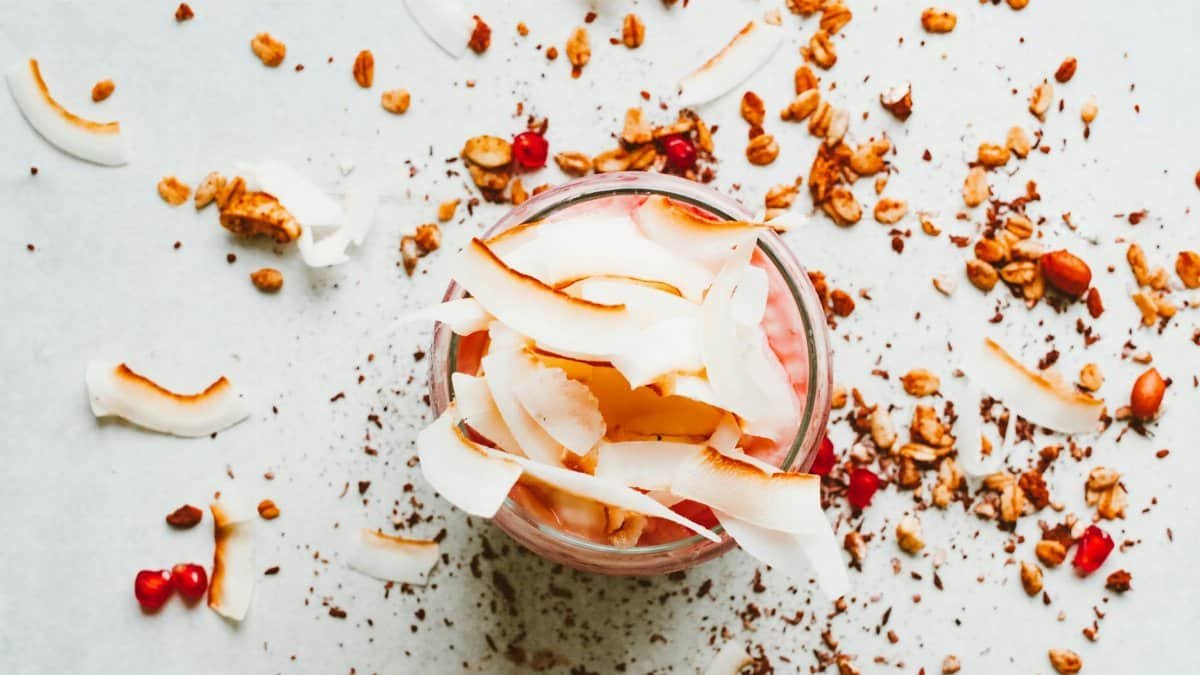
Snacks count too, and a Greek yogurt parfait layered with chia seeds and fruit hits the spot for mid-afternoon slumps. Yogurt’s probiotics nurture gut health, increasingly tied to emotional well-being via the gut-brain axis. Chia seeds offer omega-3s, while fruits like kiwi provide vitamin C to lower cortisol.
Rhetorically, why overlook the small moments? A freelancer in Seattle layers her parfait during a work break, finding it quiets anxious thoughts. Online, similar stories emerge of people discovering calm in probiotic-rich foods. The complexity lies in consistency; one parfait won’t rewrite your day, but a habit might.
Layer yogurt, seeds, and sliced fruit in a glass for visual appeal. Sweeten lightly with honey if needed. Evidence from Johns Hopkins points to probiotics’ mood-enhancing effects.Johns Hopkins Medicine on the Brain-Gut Connection. This meal embodies how subtle patterns in eating can strengthen emotional foundations.
6. Lentil Soup with Whole Grain Bread
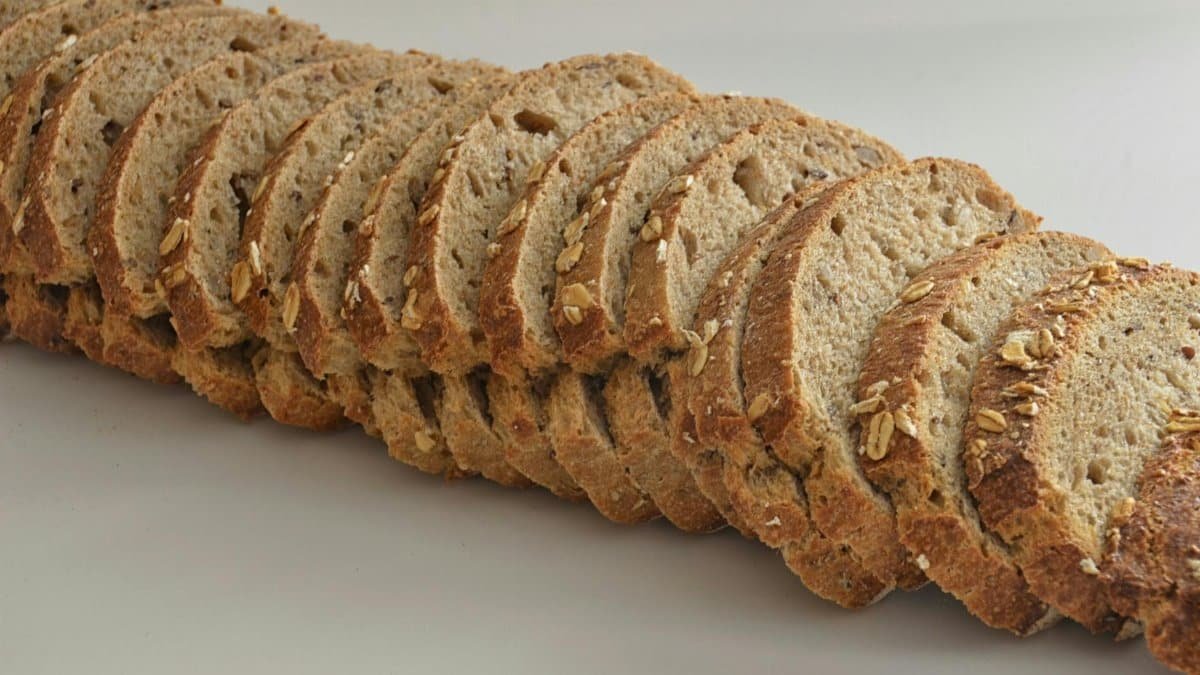
Comfort food reimagined: A hearty lentil soup paired with whole grain bread warms both body and spirit. Lentils pack protein and iron, preventing fatigue that erodes patience. Whole grains supply B vitamins, vital for nerve health and stress response.
In a quiet Boston kitchen, an empty-nester simmers this soup on weekends, reflecting on how it mirrors life’s simmer: Slow-building flavors lead to deeper satisfaction. There’s nuance here; too much salt can tip the balance, just as unchecked stress does. But moderated, it nourishes.
Simmer lentils with onions, carrots, and spices, then serve with crusty bread. Dip and savor. The CDC highlights B vitamins’ role in mental health.CDC on Micronutrients and Health. As trends in 2025 lean toward plant-based options, this meal fits seamlessly into emotional wellness routines.
7. Dark Chocolate and Almond Butter on Toast

End on a sweet note with dark chocolate melted over almond butter on whole wheat toast. Dark chocolate’s flavonoids boost endorphins, easing emotional tension. Almond butter adds healthy fats for sustained energy, preventing irritability from hunger.
A vivid observation: Friends in Los Angeles share this treat during game nights, noticing lighter conversations flow. It’s not indulgence; it’s strategic. The bitter-sweet contrast echoes emotional life’s highs and lows, teaching acceptance.
Spread almond butter on toast, top with shaved dark chocolate, and let it melt slightly. Enjoy mindfully. Studies from the American Heart Association link flavonoids to better mood.American Heart Association on Dark Chocolate. Incorporating such meals strengthens emotional regulation, one bite at a time.
These seven meals aren’t a cure-all, but they weave nutrition into the fabric of daily life. In a year like 2025, where mental health conversations dominate, turning to food for support feels both timeless and timely. Readers might experiment, finding their own rhythms in these ideas.