

In the relentless hum of daily life, mental overload often feels like an overloaded circuit board, sparking erratically under too much demand. Decision fatigue creeps in, clouding judgments with a fog of endless choices, while clarity seems like a distant signal struggling to break through. Yet certain places act as natural insulators, grounding the chaos and restoring a sense of calm. These spots aren’t about grand escapes but subtle shifts that prioritize emotional safety over relentless achievement. They remind us that stepping away from the grind can recharge the mind, fostering decisions born from peace rather than pressure. As Americans navigate an era of constant connectivity, finding these havens becomes essential for mental well-being.
1. Forest Trails Amid Towering Trees

Deep in a wooded path, the air thick with the scent of pine and earth, mental overload begins to dissolve. Leaves crunch underfoot, and the canopy filters sunlight into gentle patterns. Here, the mind unwinds without the barrage of notifications or deadlines. Researchers have long noted how immersion in nature reduces stress hormones, allowing for clearer thinking.
One hiker, recalling a recent trek in the Pacific Northwest, described it simply: the decisions that plagued her at work faded as she focused solely on the next step. This isn’t mere escapism. Studies show that time in green spaces lowers cortisol levels, combating decision fatigue effectively. For many, these trails offer a reset, where clarity emerges from the quiet rhythm of walking.
It’s not always about solitude, either. Group hikes can build a sense of community, yet the forest’s embrace keeps distractions at bay. A report from the U.S. Forest Service highlights how such environments enhance cognitive function, making them ideal for easing mental strain.
2. Quiet Corners of Local Libraries

Picture shelves lined with books, the faint rustle of pages turning, and that unmistakable hush that invites introspection. Libraries serve as sanctuaries where mental overload eases, free from the clamor of daily demands. In these spaces, decision fatigue melts away as one browses without pressure, perhaps stumbling upon a volume that sparks unexpected insight.
A middle-aged reader in Chicago shared how she visits her neighborhood branch weekly, not to check out stacks but to sit and let thoughts settle. The environment encourages deliberate choices, like selecting a single book, which rebuilds mental resilience. Experts point out that such low-stimulation settings promote focus and clarity.
Beyond the books, libraries often host quiet reading nooks that foster emotional safety. According to a study by the Pew Research Center, these institutions remain vital community hubs, supporting mental health by providing calm amid urban frenzy. It’s a place where achievement takes a backseat to simple presence.
Variety comes in the form of digital archives too, but the physical space holds unique power, grounding users in the tangible.
3. Secluded Beaches at Dawn
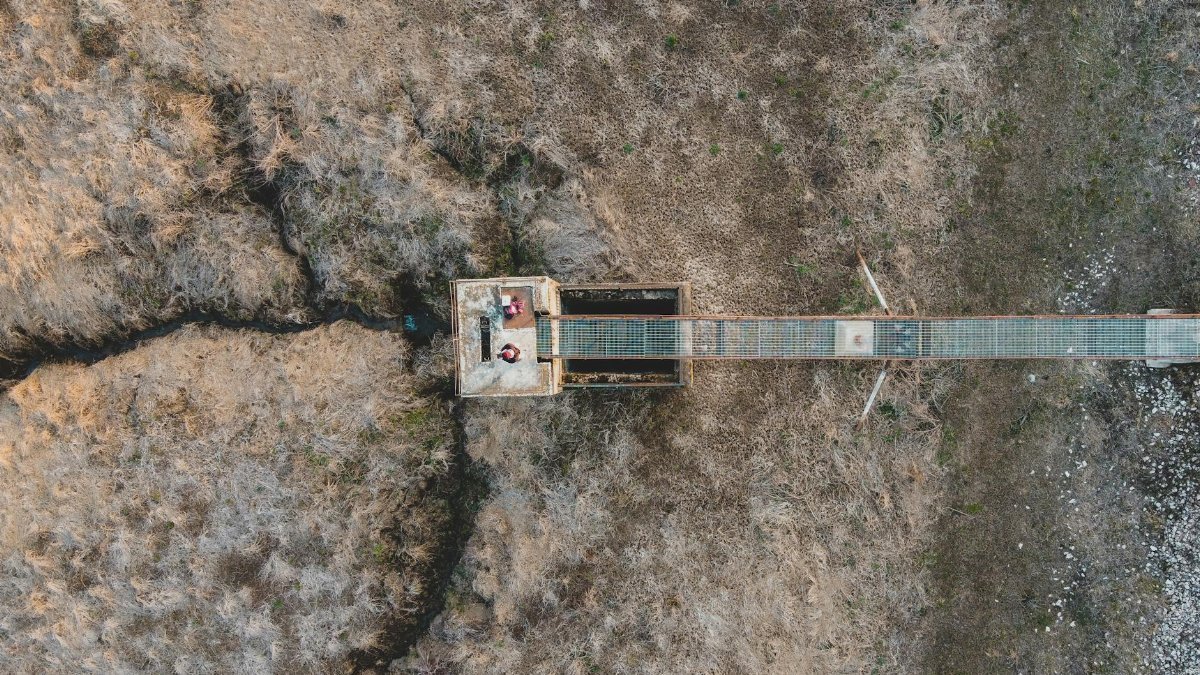
As waves lap against the shore and the sky lightens, beaches at first light transform into realms of serenity. The vast ocean horizon stretches out, dwarfing personal worries and dissolving mental overload in its expanse. Decision fatigue, that weariness from constant choices, recedes with the tide, replaced by a rhythmic calm that invites clarity.
Consider a retiree in Florida who rises early for these moments: the sand cool underfoot, no crowds to navigate, just the sound of gulls and surf. He finds decisions clearer here, unburdened by the weight of expectations. This aligns with findings that coastal environments reduce anxiety and enhance problem-solving.
Emotional safety flourishes in such isolation, where one can reflect without judgment. A publication from the National Institutes of Health discusses how blue spaces like beaches improve mood and cognitive restoration, making them perfect for combating fatigue.
Even in cooler seasons, the beach’s solitude offers a buffer, turning potential overwhelm into peaceful contemplation.
4. Cozy Home Nooks Tailored for Solitude

Within one’s own walls, a dedicated corner, perhaps with a comfortable chair and soft lighting, becomes a personal haven. Mental overload eases here, as familiar surroundings strip away external pressures, allowing decision fatigue to unwind in privacy. Clarity often arrives in these intimate spaces, where thoughts can flow without interruption.
One woman in Texas transformed her spare room into such a spot, complete with plants and journals. She uses it to process the day’s chaos, emerging with renewed focus. This practice echoes broader trends in creating home sanctuaries for mental health.
The beauty lies in customization: add a favorite scent or texture to heighten the sense of safety. Insights from the American Psychological Association emphasize how personalized environments aid in stress recovery, prioritizing emotional well-being over productivity.
Sometimes, it’s about what you exclude, like screens or clutter, to foster that essential quiet.
5. Mountain Overlooks with Sweeping Views
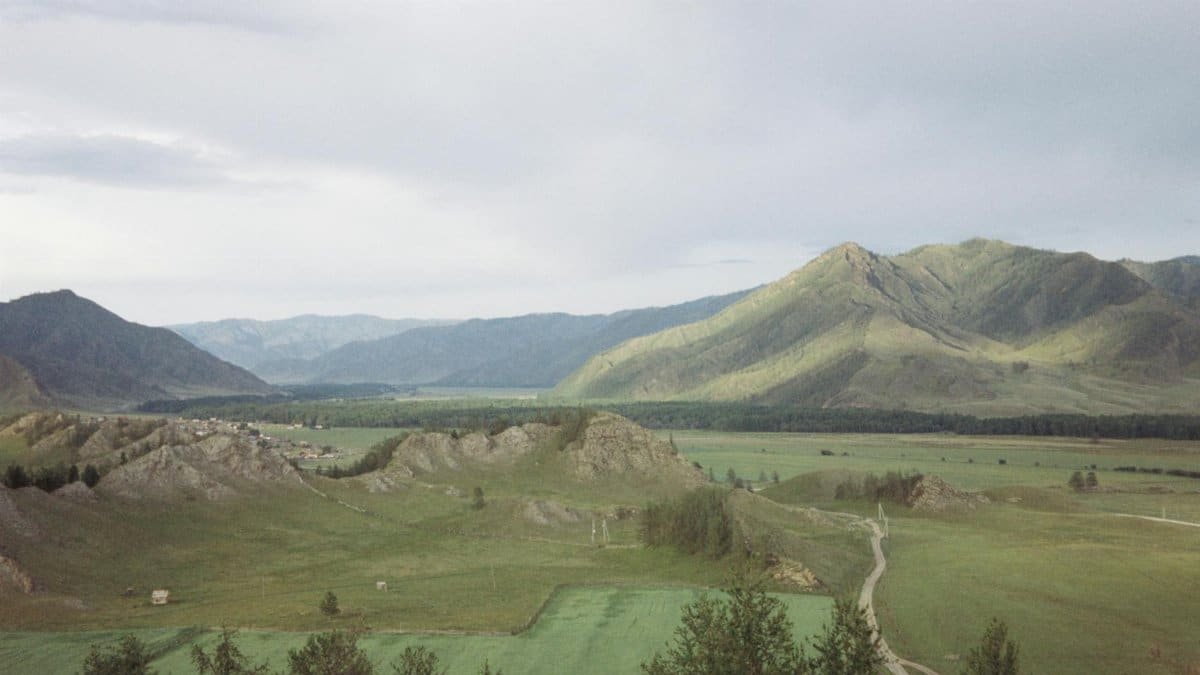
Perched on a rocky ledge, gazing across valleys dotted with evergreens, the scale of the mountains humbles the mind. Here, mental overload fades against the backdrop of timeless peaks, decision fatigue giving way to instinctive choices guided by the landscape’s vastness. Clarity sharpens in the crisp air, unclouded by urban noise.
A group of friends hiking in Colorado recounted reaching a summit where conversations turned inward, revelations surfacing naturally. The elevation seems to lift mental burdens, creating space for fresh perspectives.
Research supports this: high-altitude environments boost endorphins and reduce rumination. A study linked from the USDA Forest Service Rocky Mountain Research Station explores how such outings enhance psychological resilience.
Yet, it’s not without challenge; the climb itself demands focus, channeling energy away from trivial decisions toward meaningful presence.
6. Serene Urban Parks in the Heart of Cities
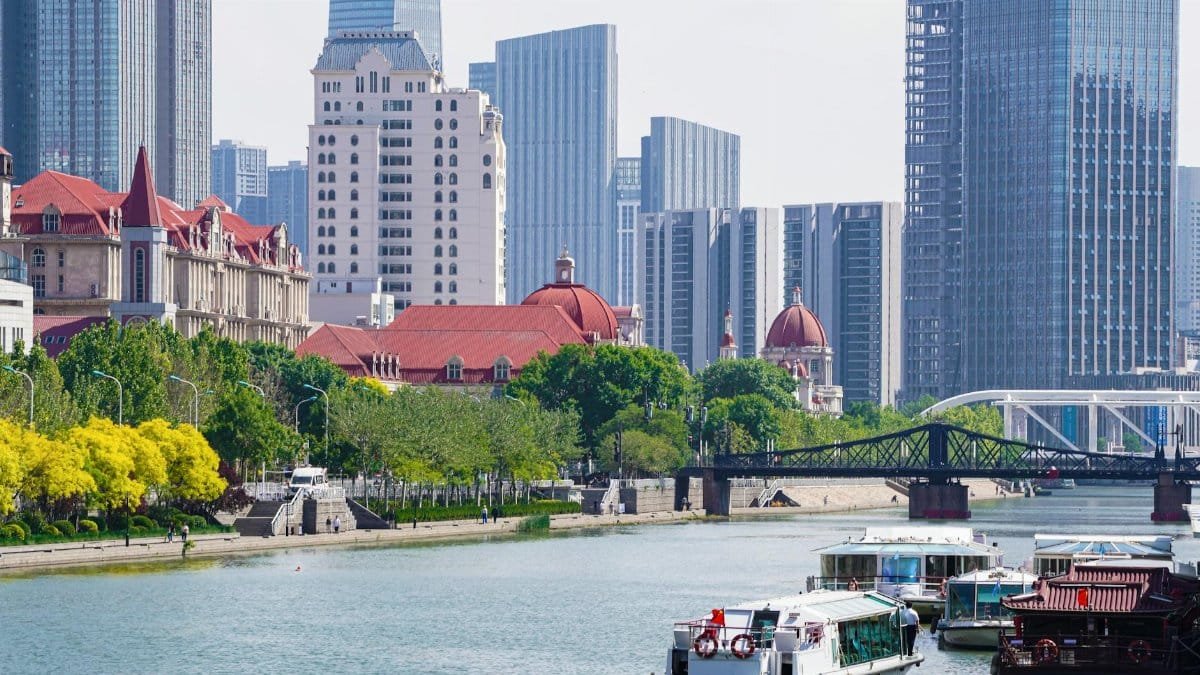
Amid bustling streets, a city park offers an unexpected oasis, with benches under shady trees and paths winding through greenery. Mental overload eases in these green pockets, where decision fatigue is tempered by the blend of nature and accessibility. Clarity emerges as one observes passersby from a distance, thoughts organizing themselves organically.
In New York’s Central Park, a jogger pauses by a pond, finding the spot resets her overwhelmed mind. Online accounts echo this, with one anonymous post describing how park visits shift focus from achievement to inner peace.
These spaces democratize respite, available to all without travel. Data from the Centers for Disease Control and Prevention underscores parks’ role in promoting mental health through restorative experiences.
The contrast with surrounding activity heightens the relief, making every visit a deliberate act of self-care.
7. Meditation Retreats in Tranquil Settings

Tucked away in rural enclaves, meditation retreats provide structured calm, with simple rooms and guided sessions that dismantle mental overload. Decision fatigue dissolves in the routine of mindfulness practices, paving the way for profound clarity. These locations emphasize emotional safety, where vulnerability is met with acceptance rather than judgment.
A participant from a California center recalled the silence amplifying her inner voice, decisions clarifying without external input. It’s a space where achievement metrics fade, replaced by presence.
Such retreats draw on ancient traditions, backed by modern science. Findings from the National Institutes of Health indicate meditation reduces cognitive fatigue and enhances decision-making.
Even shorter visits can yield benefits, turning temporary escapes into lasting tools for navigating life’s complexities.