

Imagine modern life as an endless audition, where every social media scroll amplifies performance pressure, comparison fatigue, and a nagging need for ego awareness. We’re all actors on a vast stage, constantly measuring up against curated highlights of others’ lives. But what if certain places could dim the spotlights, allowing authenticity to emerge? In these havens, the script falls away. Conversations slow. Judgments fade. Self-reflection blooms naturally. Across the United States, from bustling cities to remote trails, such spots offer respite. They remind us that true connection often thrives in simplicity. As 2025 unfolds with its digital demands, seeking these locations might just restore balance. It’s not about escaping reality, but rediscovering it without the filters.
1. National Parks: Where Nature Dissolves the Spotlight
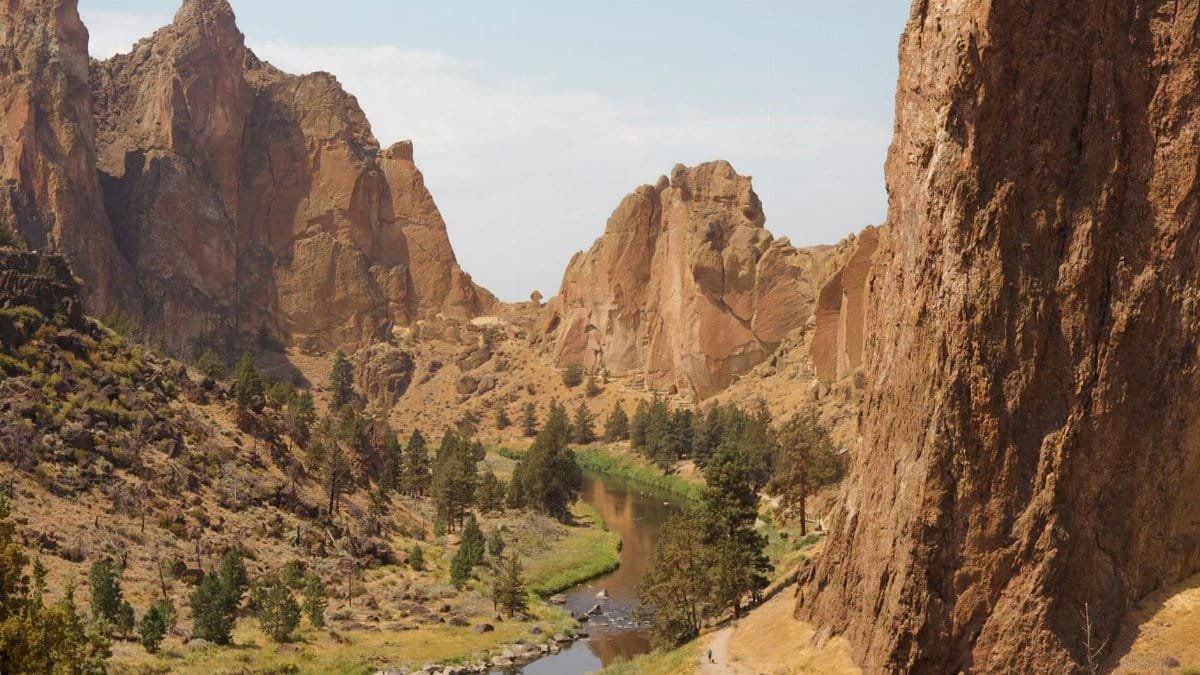
In the vast expanses of places like Yellowstone or the Grand Canyon, the grandeur of the landscape overshadows personal strivings. Visitors often describe a shift: the ego’s chatter quiets amid towering trees and sweeping vistas. One hiker, pausing at a viewpoint, might realize how small daily comparisons seem against ancient rock formations.
This isn’t mere escapism. Research from the National Park Service highlights how time in nature reduces stress hormones, fostering a clearer sense of self. A study published in the journal Frontiers in Psychology found that immersion in natural environments enhances mindfulness, directly countering comparison fatigue. Picture a family from Chicago trekking through Yosemite. The parents, usually glued to work emails, find themselves laughing over a shared trail mix break. No resumes to flaunt, no likes to chase. Just the rustle of leaves and the occasional bird call pulling them into the present.
Yet tensions arise. Crowds can sometimes import urban pressures, turning serene spots into photo ops. Still, early morning visits or off-season trips preserve the magic. It’s here that ego awareness sharpens, revealing how much of our “performance” is unnecessary armor.
2. Small-Town Libraries: Quiet Corners for Inner Reflection

What draws people to a modest library in a place like rural Vermont? It’s the hush that invites unhurried thoughts. Shelves lined with worn books create a sanctuary from the relentless pace outside. A retiree from New York might settle into an armchair, flipping through pages without the urge to broadcast it online.
These spaces combat performance pressure by emphasizing solitary exploration over social display. According to a report from the Pew Research Center, libraries serve as vital community hubs that promote lifelong learning without competitive undertones. One anonymous account shared publicly described sinking into a library nook after a draining corporate job, feeling comparison fatigue lift as forgotten stories absorbed the mind. No judgments from algorithms here; just the soft turn of a page.
Transitions to deeper insights happen organically. A conversation with the librarian might spark without agendas. But libraries aren’t immune to change—digital catalogs can introduce distractions. Even so, they remain bastions where ego awareness grows through quiet self-dialogue.
3. Coastal Beaches at Dawn: Waves Washing Away Expectations
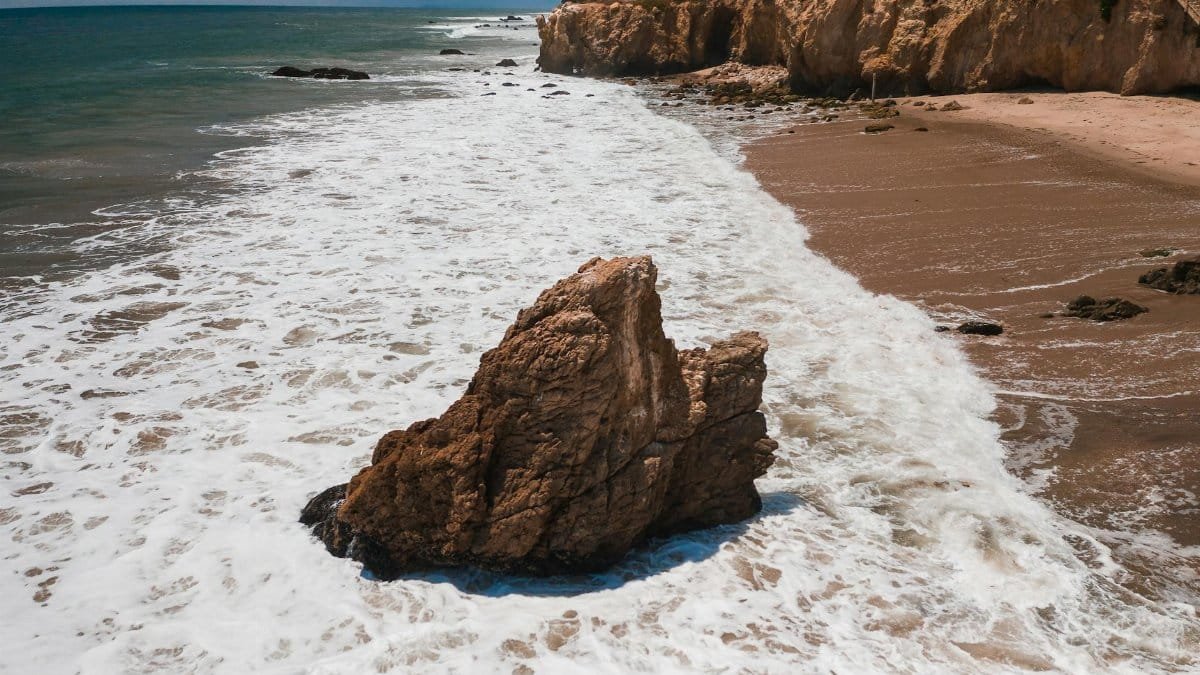
As the sun rises over beaches like those along Cape Cod, the ocean’s rhythm sets a different tone. Early risers walk the sand, free from the day’s demands. The vast horizon mocks petty comparisons, reminding us of shared human smallness.
This setting naturally fosters ego awareness by stripping away societal masks. A study from the National Institutes of Health explores how blue spaces, like oceans, improve mental well-being and reduce anxiety linked to performance pressure. Imagine a young professional from Los Angeles, escaping the hustle, sitting cross-legged as waves lap at her feet. She journals about workplace rivalries that suddenly feel trivial. The salt air carries away fatigue from endless scrolling.
Not every visit is idyllic; storms can disrupt the peace. Yet in those calm moments, the beach becomes a mirror for introspection. It shows how comparison often stems from artificial constructs, easily eroded by nature’s persistence.
4. Mountain Cabins: Isolation That Builds True Presence
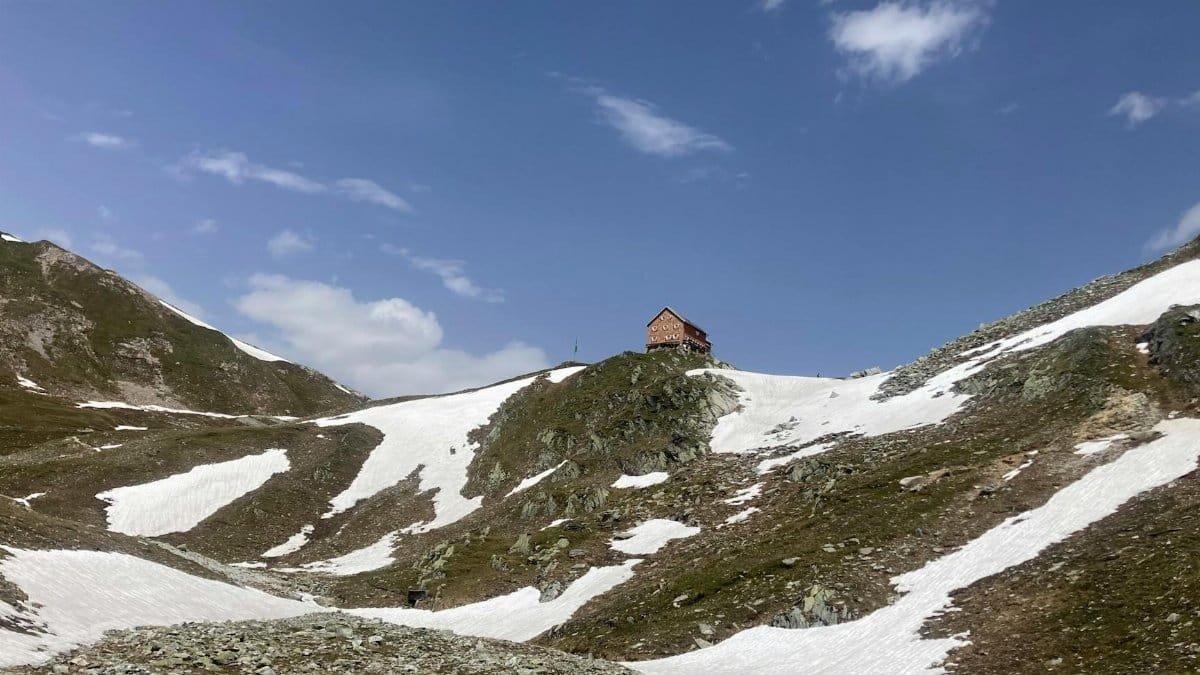
Tucked in the Rockies or the Appalachians, a simple cabin offers seclusion that feels liberating. No Wi-Fi signals intrude. Meals are basic, conversations deliberate. A couple from Texas might arrive frazzled, only to unwind by a crackling fire, discussing dreams without filters.
Such isolation directly addresses comparison fatigue, allowing egos to rest. Findings from the U.S. Forest Service indicate that remote wilderness experiences enhance psychological resilience. One public reflection recounted a solo retreat where the silence amplified inner voices, leading to breakthroughs in self-understanding. Performance pressure evaporated, replaced by authentic goals.
Challenges emerge, like the initial discomfort of disconnection. But that’s the point: pushing through reveals deeper layers. These cabins teach that ego awareness thrives in solitude, far from the performative glare of daily life.
5. Community Gardens: Grounded Growth Amid Shared Soil
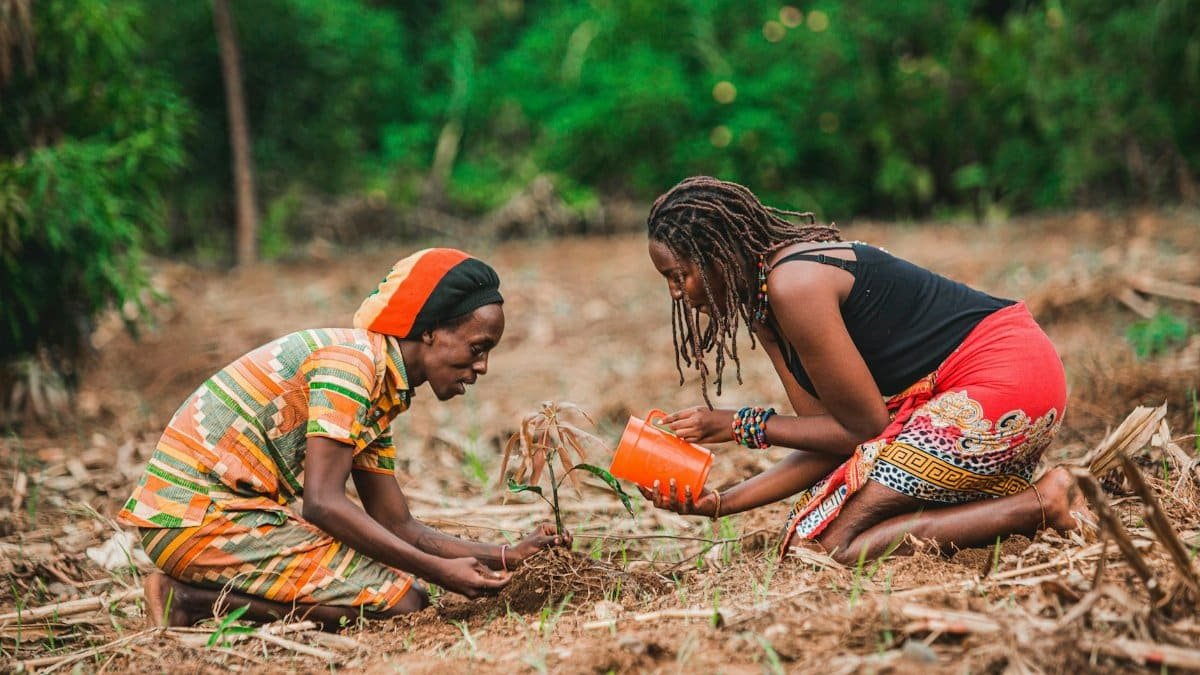
In urban oases like Brooklyn’s community plots or Seattle’s P-Patches, hands dig into earth alongside neighbors. The focus shifts to nurturing plants, not impressing others. A novice gardener might plant seeds, watching them sprout without scorekeeping.
These gardens alleviate performance pressure through collective, non-competitive effort. A report by the Centers for Disease Control and Prevention notes how such spaces build social bonds and mental health. Picture a group chatting over weeding: stories flow naturally, egos subdued by the shared task. Comparison fatigue dissipates as successes are communal, not individual triumphs.
Tensions can sprout too—weeds, pests, or differing visions. Yet resolving them fosters awareness. In 2025, with urban isolation on the rise, these gardens offer a tangible way to reconnect, grounding egos in fertile soil.
6. Art Studios: Creative Flow Over Curated Perfection

Open studios in cities like San Francisco or Chicago hum with possibility. Canvases splattered, clay shaped—it’s process over product. An amateur painter dips a brush, losing track of time, unconcerned with gallery standards.
This environment counters comparison by valuing expression. Research from the American Psychological Association shows art-making reduces stress and enhances self-awareness. One shared experience described the relief of creating without judgment, where ego awareness emerged through uninhibited strokes. Performance pressure fades as mistakes become part of the art.
Not all sessions are harmonious; creative blocks frustrate. But pushing past them reveals resilience. Studios remind us that life’s less performative when we embrace imperfection.
7. Mindfulness Retreats: Structured Stillness for Ego Recalibration
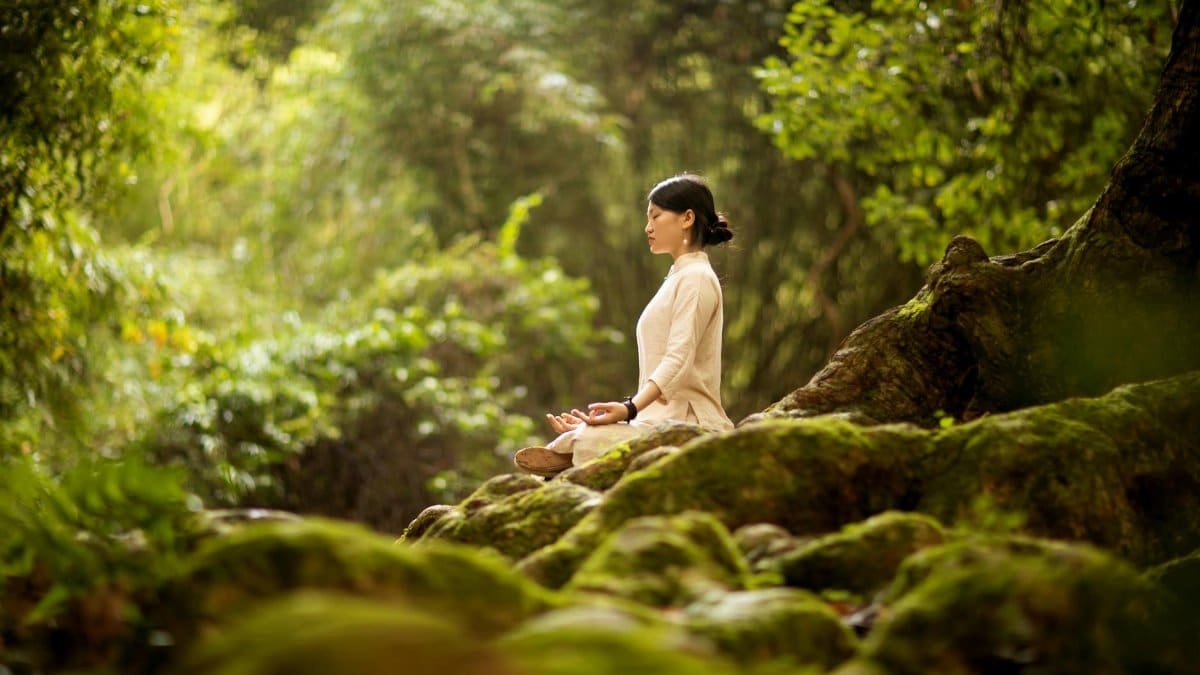
Centers like those in California’s Big Sur provide guided pauses. Days unfold with meditation, walks, silence. Participants arrive burdened, leave lighter, having peeled back layers of self-imposed expectations.
These retreats tackle the keyword head-on, building tools against daily strains. A study in JAMA Internal Medicine confirms mindfulness practices lower anxiety and improve emotional regulation. Envision a session where a tech worker from Seattle confronts inner dialogues, gaining clarity on comparison’s futility. Ego awareness crystallizes in group shares, vulnerability replacing performance.
Intensity can overwhelm newcomers. Still, the structure guides growth. As trends in 2025 emphasize mental wellness, these retreats stand as beacons for authentic living.
In these seven locations, the common thread is a step back from the performative grind. They invite a reevaluation, where performance pressure, comparison fatigue, and ego awareness intersect in meaningful ways. Americans increasingly seek such refuges, weaving them into routines for sustained balance. The journey isn’t about perfection, but presence.