

Walk down any street in Brooklyn these days, and you might notice a subtle shift in how people carry themselves. Conversations at corner cafes often touch on the exhaustion of constant self-comparison, fueled by social media and career demands. Amid this, a growing number of middle-aged Americans are seeking out spots that ease the grip of identity pressure, self-worth, personal meaning. These aren’t just escapes; they’re deliberate choices for environments that foster a quieter sense of self. Recent surveys show that over 40% of adults in their 40s and 50s report feeling overwhelmed by societal expectations around achievement and image. Yet, in certain places, that weight lifts, allowing room for genuine reflection and connection. This trend reflects a broader cultural pivot toward prioritizing inner fulfillment over external validation, especially as life stages prompt reevaluation. Whether through nature’s calm or communal warmth, these locations offer a respite, reminding us that worth isn’t measured by productivity alone.
1. Quiet Nature Trails

Stepping onto a winding path in a national park, the world simplifies. Birds call overhead, leaves rustle underfoot, and suddenly, the mental chatter about who you should be fades. For many, these trails become sanctuaries where identity pressure softens, letting self-worth emerge from simply being present. Consider Sarah, a 52-year-old accountant from Chicago, who described her hikes in the Smoky Mountains as moments when “the need to prove myself just dissolved.” She wasn’t alone in that sentiment; online discussions often reveal similar relief, with one anonymous poster sharing how a solo walk helped them reconnect with personal meaning beyond job titles.
This isn’t mere escapism. Research from the U.S. Forest Service highlights how time in nature reduces stress hormones, creating space for introspection. In 2025, with urban burnout on the rise, more people turn to these trails. The key lies in the absence of judgment; no one critiques your pace or path. Instead, the environment invites a gentle unfolding, where achievements feel secondary to the rhythm of breath and step. It’s a place where self-doubt quiets, replaced by a grounded sense of capability.
Yet, not every trail delivers this equally. Those in less crowded areas, like the backcountry of Yellowstone, amplify the effect, free from distractions. Here, the vastness mirrors an internal expansiveness, encouraging questions about what truly matters. One might emerge not with answers, but with a lighter load, ready to face daily pressures anew.
2. Cozy Home Libraries

Imagine settling into an armchair surrounded by shelves of well-worn books. The soft glow of a lamp, the faint scent of aged paper; in such a nook, external demands recede. Home libraries, often tucked into spare rooms or corners, serve as personal havens where identity pressure eases. Here, self-worth builds through quiet exploration, far from the spotlight of public scrutiny.
Take the story of Mark, a retired teacher in Seattle, who transformed his den into a reading retreat. Amid life’s transitions, he found solace in biographies that mirrored his own search for meaning. “It reminded me that everyone’s path is messy,” he reflected. This aligns with findings from the Pew Research Center, which notes that regular readers report higher life satisfaction, often tying it to reflective practices at home.
The beauty of these spaces is their customizability. A simple setup with a few meaningful volumes can shift one’s inner dialogue. In 2025, as remote work blurs boundaries, carving out such areas becomes essential. They foster a narrative of self-acceptance, where personal meaning arises from curiosity rather than comparison. Over time, this builds resilience, turning the home into a fortress against societal noise.
Of course, distractions lurk nearby, like the ping of a phone. But with intention, these libraries enforce boundaries, nurturing a deeper connection to one’s core.
3. Community Gardens

In the heart of a bustling city, a plot of soil offers unexpected peace. Community gardens buzz with low-key activity: hands in dirt, shared tools, casual chats about growth. It’s here that many discover a softening of identity pressure, as self-worth ties to collective effort rather than individual acclaim. Personal meaning blooms alongside the vegetables, rooted in contribution and patience.
Picture Elena, a 48-year-old nurse from Atlanta, who joined her neighborhood garden after a divorce. “Tending the beds showed me progress isn’t always linear,” she said, echoing a common thread in these spaces. A study by the National Institutes of Health supports this, linking community gardening to improved mental health and a sense of belonging, particularly for midlife adults navigating change.
These gardens thrive on inclusivity; no expertise required, just willingness. In 2025, with social isolation still a concern post-pandemic, they provide organic connections. The act of nurturing plants parallels self-care, diminishing the urge to measure up. Conflicts arise, sure, over plot divisions or watering schedules, but resolutions build empathy, reinforcing that worth isn’t zero-sum.
Ultimately, the harvest, be it tomatoes or friendships, underscores a shared humanity, easing the solitary weight of self-definition.
4. Wellness Retreats
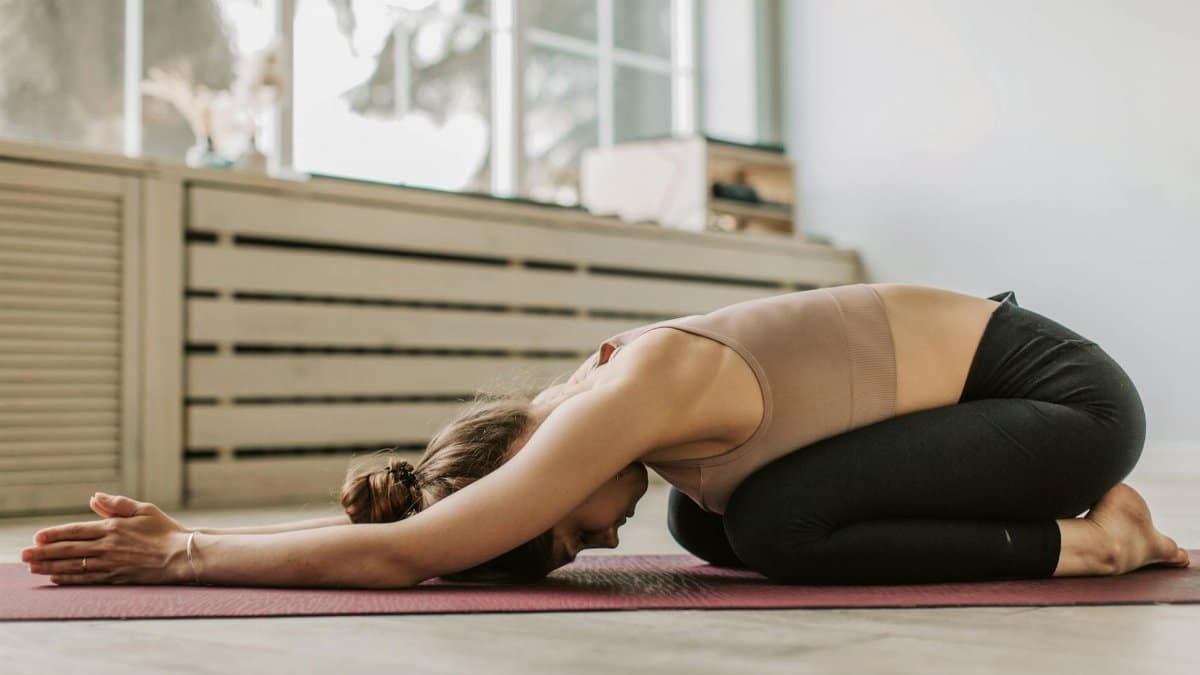
A weekend away at a serene retreat center can reset the soul. Amid guided meditations and group sessions, participants often shed layers of imposed identity. These retreats, scattered across places like California’s Big Sur or New York’s Catskills, create bubbles where pressure dissipates, allowing self-worth to realign with inner truths. Personal meaning surfaces through vulnerability and rest.
One attendee, anonymized here as Tom, a corporate executive from Dallas, recounted a pivotal moment during a silent walk: “Without the usual noise, I saw my value wasn’t in my title.” This resonates with data from the Centers for Disease Control and Prevention, which emphasizes mindfulness practices for reducing anxiety tied to societal roles.
Variety abounds, from yoga-focused to creative writing intensives. In 2025, demand surges as middle-aged seekers prioritize holistic well-being. The structured yet flexible environment encourages exploration without judgment. Tensions emerge, perhaps in sharing circles, but they lead to breakthroughs, highlighting the fluidity of self-perception.
Returning home, many carry a lingering calm, a reminder that such softening is accessible, if sought intentionally.
5. Local Coffee Shops
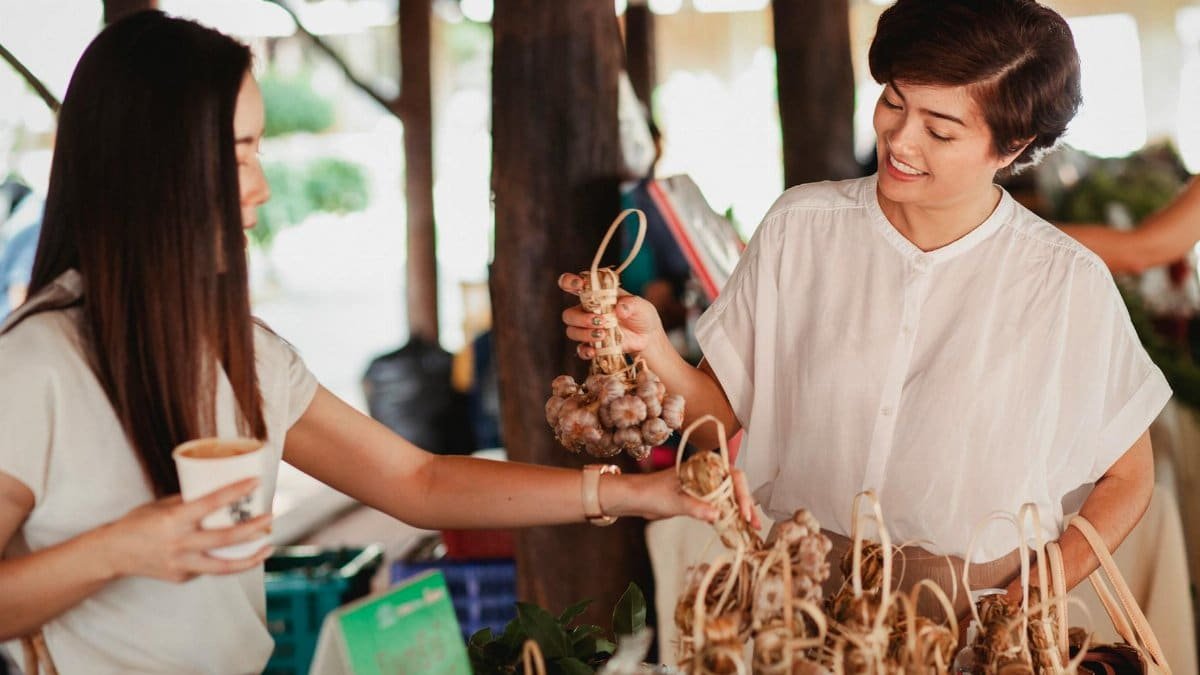
Not the chain variety, but those independent spots with mismatched chairs and lingering patrons. Here, amid the hum of espresso machines, identity pressure often loosens its hold. Conversations flow without agendas, fostering a self-worth grounded in simple exchanges. Personal meaning arises from these unhurried interactions, a counterpoint to digital haste.
Reflect on Lisa, a freelance writer in Portland, who frequents her corner cafe. “It’s where I remember I’m more than my output,” she noted. Supporting this, a report from the American Psychological Association underscores how casual social ties bolster resilience against self-doubt.
In 2025, these shops serve as third spaces, bridging home and work. The anonymity allows authenticity; no need to perform. Yet, overcrowding can disrupt the vibe, reminding us to choose wisely. Still, the ritual of a morning brew invites reflection, weaving personal narratives into the community’s fabric.
Over refills, one might uncover insights, turning a routine visit into a subtle anchor for meaning.
6. Art Studios
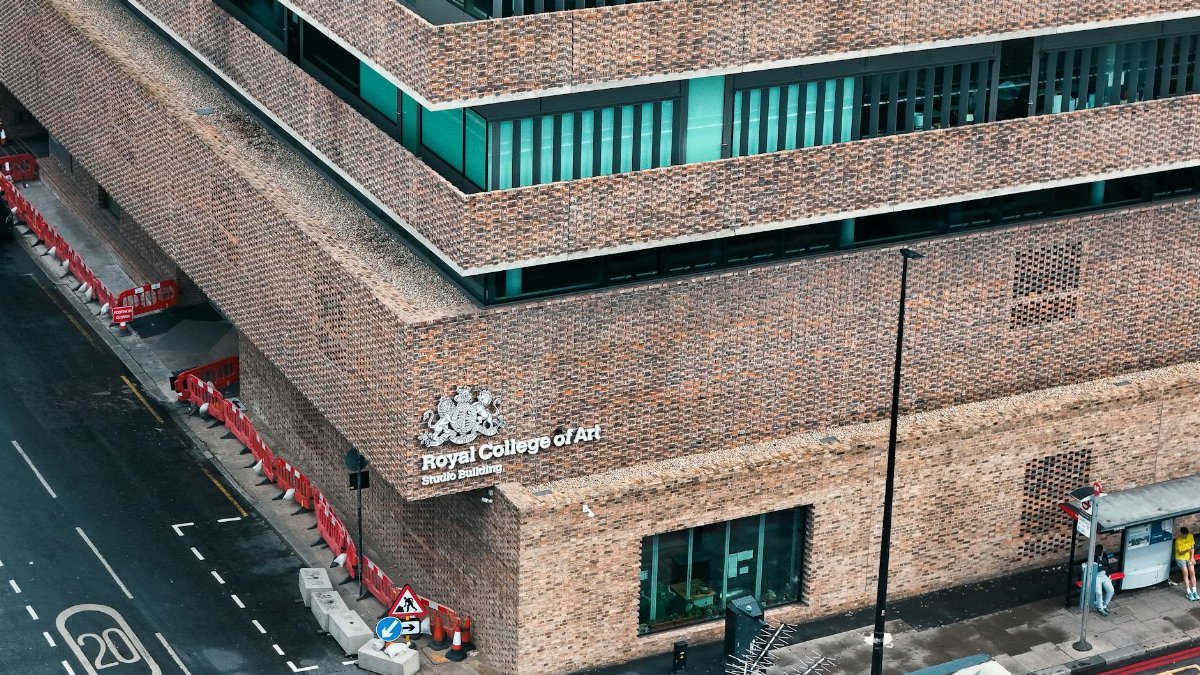
Surrounded by canvases and clay, creativity takes precedence over critique. Art studios, whether in community centers or private lofts, provide arenas where identity pressure fades, replaced by the joy of making. Self-worth here stems from process, not perfection, and personal meaning often reveals itself in unexpected strokes.
Consider Javier, a 55-year-old engineer from Miami, who picked up painting post-retirement. “It freed me from the engineer label,” he shared. Echoing this, research from the National Endowment for the Arts links artistic engagement to enhanced emotional well-being, especially in later adulthood.
These spaces encourage experimentation, with classes mixing beginners and veterans. In 2025, amid a creativity boom, they offer refuge from productivity culture. Challenges, like creative blocks, mirror life’s hurdles, but overcoming them builds confidence. The communal aspect adds depth, as feedback focuses on growth.
In the end, what emerges is a fuller self, painted in vibrant hues.
7. Spiritual Gatherings
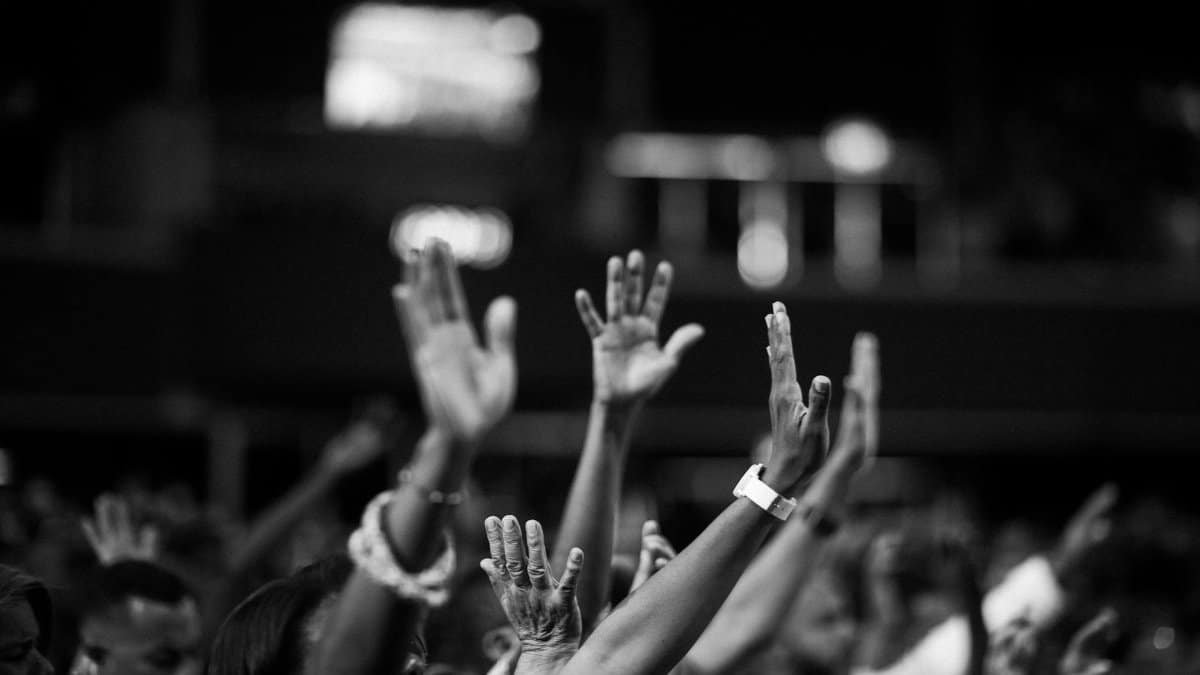
Whether in a church basement or a meditation hall, spiritual gatherings draw those seeking deeper connection. The shared pursuit of transcendence softens identity pressure, anchoring self-worth in something larger. Personal meaning crystallizes through rituals and reflections, transcending individual striving.
One participant, a widow named Grace from Boston, found renewal in weekly meetings: “It reminded me my story fits into a bigger tapestry.” This aligns with findings from the Pew Research Center on how spiritual communities foster purpose amid life’s shifts.
Diversity thrives here, from traditional services to eclectic circles. In 2025, as existential questions persist, these gatherings provide solace. Doubts surface, naturally, but dialogue enriches understanding. The emphasis on compassion eases self-judgment, inviting a more integrated sense of being.
Leaving such a space, the world feels less burdensome, with meaning infused into everyday moments.