

A recent study from the Pew Research Center revealed that nearly 60% of Americans report feeling overwhelmed by societal expectations around identity in 2025, a sharp rise from a decade ago. This surge highlights how identity pressure, self-worth, and personal meaning often intertwine in daily life, leaving many searching for relief. Amid the constant push to define ourselves through careers, social media, or family roles, certain environments stand out as sanctuaries where these burdens lighten. These spots, whether physical or conceptual, allow people to step back, reflect, and reconnect with what truly matters. For middle-aged adults juggling midlife transitions, finding such places can be transformative, offering a break from the relentless grind. As we explore seven such locations, it’s clear they’re not just escapes but active spaces for rebuilding inner peace.
1. Quiet Nature Trails

Stepping onto a secluded hiking path, the world simplifies. Birds chirp, leaves rustle, and suddenly the weight of who you’re supposed to be fades. In these natural settings, identity pressure eases because there’s no audience demanding performance. Researchers at the University of Michigan have found that time in green spaces reduces stress hormones by up to 20%, fostering a sense of inherent worth. One hiker shared anonymously online about wandering a forest trail after a career setback: the solitude let her question not just her job, but what personal meaning she sought beyond titles. It’s not about isolation, though. Groups often form on these trails, bonding over shared vulnerability rather than status. For many in their 40s and 50s, these outings become rituals, reminding them that self-worth isn’t tied to productivity. Picture a middle-aged accountant from Chicago discovering this on a weekend getaway; by the trail’s end, he’s not thinking about his inbox but about the quiet joy of simply existing.
This isn’t mere escapism. Studies link nature exposure to improved mental clarity, helping individuals redefine personal meaning away from societal scripts. The University of Michigan’s Research Page details how such environments promote mindfulness, crucial for softening identity’s grip.
2. Community Libraries

Amid stacks of books, judgment dissolves. Libraries serve as neutral grounds where people browse without the need to impress. Here, identity pressure softens as visitors immerse in stories that mirror their own quests for self-worth and personal meaning. A report from the American Library Association notes that over 70% of patrons use libraries for personal growth, often finding solace in quiet reading nooks. Imagine a retired teacher from Texas flipping through memoirs; she realizes her value isn’t in past achievements but in ongoing curiosity. Conversations spark organically, like when strangers discuss a novel’s themes over coffee in the cafe corner, building connections based on ideas rather than resumes.
These spaces encourage exploration without deadlines. One anonymous account described visiting a local branch during a divorce, discovering books on resilience that reshaped her sense of meaning. It’s a subtle shift, but powerful. For broader context, the American Library Association’s Research Section highlights how libraries foster emotional well-being in communities.
3. Yoga Studios

Roll out a mat, and the external world recedes. In yoga classes, the focus turns inward, melting away the pressures of identity through breath and movement. Participants often describe a release where self-worth emerges from physical presence rather than accomplishments. According to a study published in the Journal of Health Psychology, regular yoga practice boosts self-esteem by 15% on average, particularly among midlife adults. A woman in her 50s from Seattle might enter class burdened by family expectations, only to leave feeling grounded in her own rhythm. Instructors guide without competition, emphasizing personal progress over perfection.
This environment nurtures personal meaning by linking body and mind. One practitioner recalled a session where poses prompted reflection on life’s transitions, easing the mental load. Tensions arise, too, like when beginners feel out of place, but that’s part of the growth. Dive into the evidence at the Journal of Health Psychology, where findings underscore yoga’s role in psychological resilience.
4. Local Coffee Shops
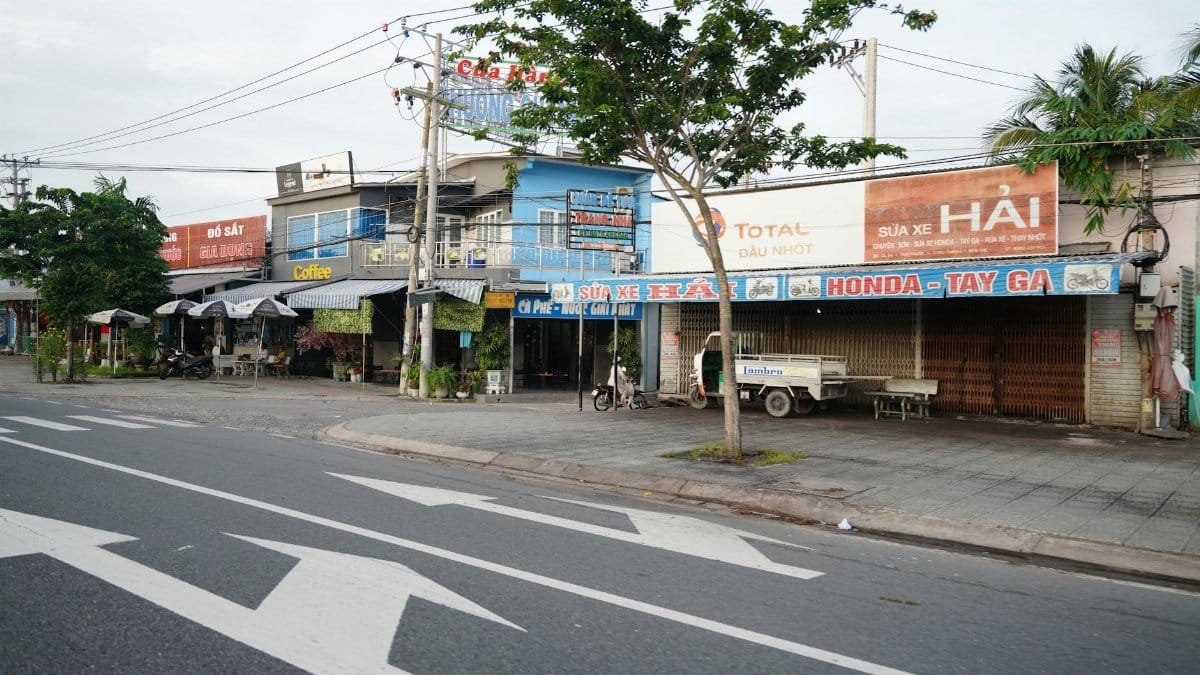
What if a simple cup of coffee could loosen the knots of self-doubt? Independent cafes often buzz with low-stakes interactions, where identity pressure fades amid casual chatter. Regulars form loose communities, valuing presence over prestige. Data from the National Coffee Association shows that 62% of Americans visit coffee shops for social connection, which indirectly bolsters self-worth. Think of a freelance writer in Denver nursing a latte, overhearing conversations that spark new ideas about personal meaning. No one asks for your LinkedIn profile; it’s about the moment.
Yet, these spots aren’t always idyllic. Crowds can overwhelm, but the anonymity provides a buffer. An online reflection captured this: someone grappling with midlife career change found clarity in eavesdropped wisdom at a corner table. For trends, check the National Coffee Association’s Research Trends, revealing how such venues support mental health in urban life.
5. Art Workshops

Brush in hand, expectations dissolve into color and form. Art classes invite experimentation, where mistakes become part of the process, softening identity pressure by celebrating imperfection. A survey by the National Endowment for the Arts indicates that creative activities enhance life satisfaction for 55% of participants, tying directly to self-worth. A man from New York, perhaps a corporate executive, dips into painting and uncovers layers of personal meaning long buried under professional facades. Instructors encourage play, not polish, fostering a space where vulnerability leads to insight.
Conflicts emerge when self-criticism creeps in, but group feedback turns it constructive. One shared story described transforming grief into abstract art, rebuilding a sense of purpose. Explore more via the National Endowment for the Arts Research Page, which documents creativity’s impact on well-being.
6. Volunteer Centers

Helping others often reveals our own strengths. At community service hubs, identity pressure lessens as focus shifts to collective good, reinforcing self-worth through action. The Corporation for National and Community Service reports that volunteers experience a 27% increase in life purpose. A middle-aged volunteer in Atlanta, sorting donations, might realize her empathy defines her more than any job title. These centers buzz with diverse people united by cause, not status, creating bonds that affirm personal meaning.
It’s not without challenges; burnout lurks if boundaries blur. Still, the rewards shine. An anonymous post highlighted volunteering after retirement, describing how it mended fractured self-view. For data, visit the Corporation for National and Community Service Research.
7. Home Meditation Corners
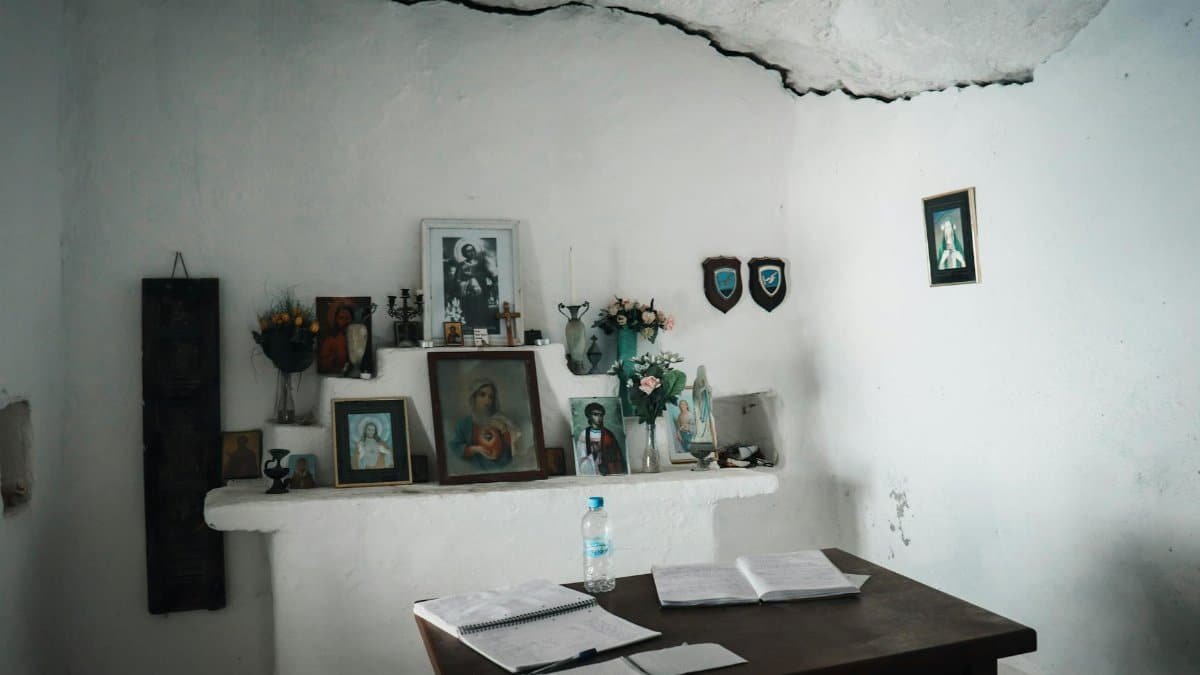
Carve out a quiet nook at home, and transformation begins. Personal spaces dedicated to reflection allow identity pressure to soften in familiar surroundings, nurturing self-worth and personal meaning without leaving the door. Harvard Medical School’s studies show meditation reduces anxiety by 30%, aiding introspection. A parent in California sets up cushions and candles, using the spot to process daily stresses, emerging with clearer purpose. It’s intimate, customizable, turning routine into ritual.
Distractions test commitment, yet persistence pays. One account spoke of daily sits unveiling hidden aspirations. Tensions with family sharing the space add realism, but boundaries help. Learn from Harvard Medical School’s Mind-Body Research, emphasizing meditation’s benefits for emotional health in 2025.
As these locations illustrate, seeking environments that ease identity pressure isn’t about avoidance but intentional reprieve. In a year like 2025, with mounting societal demands, such spots remind us that self-worth and personal meaning thrive in supportive settings. They encourage middle-aged readers to identify their own havens, fostering resilience amid life’s complexities.