

Walk down the bustling streets of Seattle these days, and you might spot more people lingering in quiet parks, away from the grind. This subtle shift hints at a growing awareness of identity pressure, self-worth, personal meaning. In a world that demands constant performance, from social media personas to career ladders, many Americans seek spots where these burdens lighten. A recent Pew Research Center survey shows that over 60 percent of adults feel overwhelmed by societal expectations on identity, up from a decade ago. Yet, certain locations offer respite, places where self-reflection thrives without judgment. These havens allow individuals to reconnect with what truly matters, fostering a sense of worth untied from external validation. As we navigate 2025, understanding these spaces could redefine how we build personal meaning. They remind us that softening identity pressure often starts with stepping into environments that encourage authenticity.
1. Quiet Nature Trails

Deep in the forests of the Pacific Northwest, hikers often describe a profound release. One anonymous account shared publicly online captured it well: feeling the weight of daily roles dissolve amid towering trees. Nature trails provide that escape, where identity pressure fades against the backdrop of rustling leaves and distant bird calls. Studies from the U.S. Forest Service highlight how time in green spaces reduces stress hormones, allowing room for self-worth to emerge organically. Here, personal meaning isn’t about achievements but simple presence. Imagine a middle-aged accountant from Chicago, trading spreadsheets for a solo walk in Yellowstone. He returns not just refreshed, but with a clearer sense of his intrinsic value. These trails invite us to shed societal masks, revealing that worth comes from within, not from others’ gazes.
Yet, this softening isn’t always immediate. Some visitors grapple with initial discomfort, confronting unspoken doubts. Over time, though, the rhythm of footsteps aligns with inner thoughts. Researchers at Stanford University have noted similar effects, linking nature exposure to enhanced self-perception. In 2025, with urban sprawl accelerating, these trails stand as vital refuges. They teach that personal meaning blooms in silence, away from the clamor of validation-seeking.
2. Community Libraries

Step into a local library in a place like Boston, and the air hums with quiet possibility. Patrons flip through pages, free from the need to perform. Libraries soften identity pressure by offering anonymity amid shared curiosity. A report from the Institute of Museum and Library Services underscores how these spaces boost community well-being, with users reporting higher self-worth after regular visits. One might encounter a retiree rediscovering poetry, her sense of personal meaning reignited without fanfare.
This environment contrasts sharply with digital overload. Here, books become mirrors for introspection, not tools for comparison. Consider the story of a young professional who wandered in during a lunch break, stumbling upon a memoir that echoed her struggles. Suddenly, self-worth felt less tethered to promotions. Libraries foster this gently, through programs like reading circles that emphasize connection over status. As trends in 2025 show rising mental health awareness, these hubs prove essential for nurturing identity without pressure.
Of course, not every visit transforms instantly. Distractions linger, but the cumulative effect builds resilience. It’s a space where personal meaning unfolds page by page.
3. Art Workshops
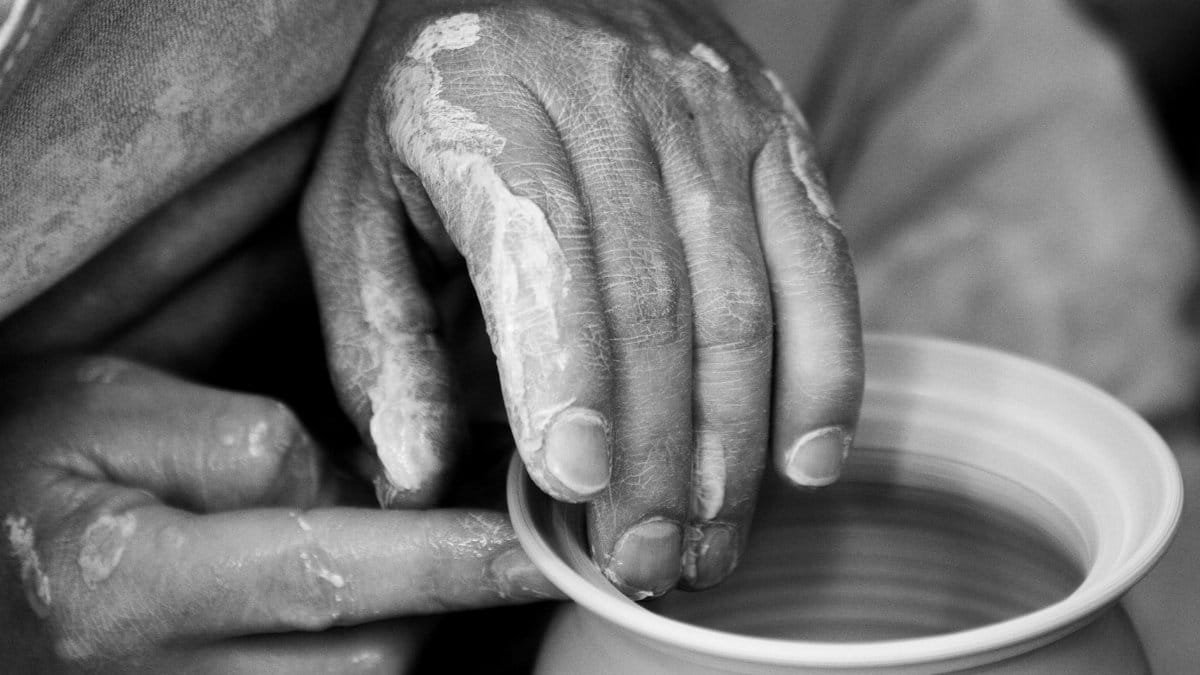
What happens when colors splash across a canvas in a Brooklyn studio? For many, it’s a moment where self-doubt quiets. Art workshops dismantle identity pressure by prioritizing process over perfection. Participants, from novices to seasoned creators, find self-worth in the act of making, not the outcome. Data from the National Endowment for the Arts reveals that engaging in arts activities correlates with improved emotional health, particularly in urban settings.
Picture a group session where a teacher encourages messy experimentation. One attendee, a stressed parent, shares how blending paints helped her reclaim personal meaning lost in routine. These workshops vary their pace, sometimes starting with a shared laugh over a failed sketch, easing into deeper reflections. The key lies in community without competition, allowing authentic expression.
Challenges arise, like the fear of judgment, but instructors often address them head-on. In 2025, with creativity apps booming, physical workshops remind us of tangible joys. They show that self-worth thrives in creative freedom, softening the grip of external expectations.
4. Home Sanctuaries

Amid the familiar walls of one’s own home, identity pressure often eases into something manageable. Many redesign corners into personal retreats, like a sunlit reading nook in a Texas suburb. This setup invites quiet contemplation, bolstering self-worth through customized comfort. Insights from the American Psychological Association suggest that personalized home environments enhance feelings of control and meaning, countering broader societal demands.
It’s not always grand; sometimes it’s a simple ritual, like brewing tea in solitude. A brief anecdote comes to mind of a remote worker who transformed her balcony into a haven, finding personal meaning in morning reflections. Homes allow this flexibility, adapting to life’s shifts without outside scrutiny.
Yet, distractions from family or chores can intrude. Overcoming them requires intentional boundaries. As remote work persists into 2025, these sanctuaries grow in importance, proving that self-worth roots deeply in private spaces. They offer a steady anchor amid fluctuating identities.
5. Spiritual Retreat Centers
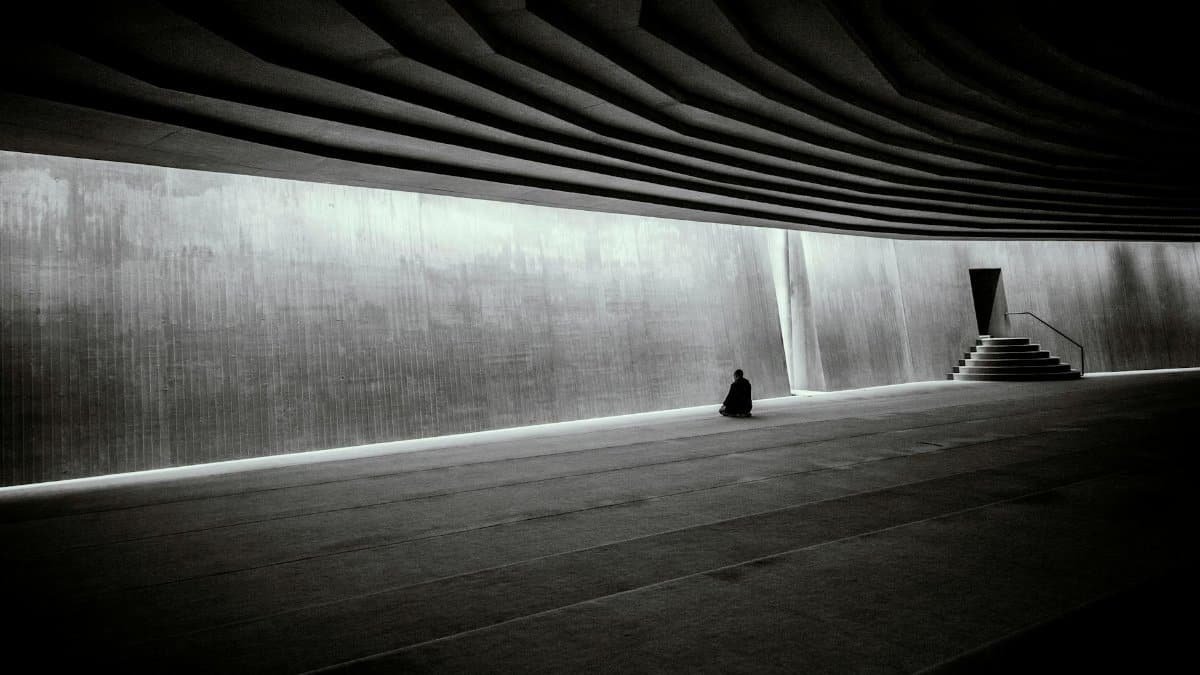
In the rolling hills of California, retreat centers draw those seeking solace. Here, structured silence or guided meditations soften identity pressure, self-worth, personal meaning taking center stage. Attendees report profound shifts, as per findings from Harvard’s studies on mindfulness, linked to greater life satisfaction. One center’s program might begin with a communal meal, easing into discussions that peel back layers of imposed roles.
Consider the experience of a veteran teacher attending her first retreat. Surrounded by like-minded seekers, she uncovered a renewed sense of purpose. These centers vary, some faith-based, others secular, but all emphasize inner exploration over external validation.
Tensions emerge, like initial resistance to vulnerability, yet facilitators navigate them skillfully. In 2025, with wellness tourism rising, such spots highlight how spiritual environments foster authentic self-worth. They remind us that personal meaning often hides in stillness, waiting to be claimed.
6. Travel Destinations Off the Beaten Path
Venture to a secluded beach in Maine, and the ocean’s rhythm drowns out daily noise. Offbeat travel spots excel at softening identity pressure, allowing travelers to redefine self-worth on their terms. A study by the U.S. Department of State on tourism trends notes increased interest in restorative journeys, correlating with mental health benefits.
One traveler recounted hiking through remote trails, feeling personal meaning crystallize without an audience. These destinations encourage disconnection, swapping selfies for soul-searching. Start with a dawn walk, perhaps, leading to unexpected insights.
Not every trip is seamless; logistics challenge, but the payoff lies in the freedom. As 2025 sees more solo adventures, these paths underscore travel’s role in rebuilding identity gently.
7. Online Forums with Anonymity

Behind a screen in anonymous online spaces, voices share without fear. These digital forums soften identity pressure by allowing unfiltered expression, nurturing self-worth through supportive echoes. Research from Pew Research Center indicates that moderated communities aid in personal growth, especially for those feeling isolated.
An anonymized post might detail shedding societal labels, sparking threads of empathy. Users dive into discussions, emerging with clearer personal meaning. The structure varies, from prompt-based shares to open chats.
Risks like misinformation exist, but strong moderation mitigates them. In 2025’s connected world, these forums bridge gaps, proving virtual locations can heal as effectively as physical ones. They affirm that self-worth flourishes in safe, unseen exchanges.