

Introduction

A recent study from the Pew Research Center showed that 62% of Americans report feeling overwhelmed by daily demands, yet only about a third regularly set aside time for quiet contemplation. This gap highlights a growing need for spaces that foster self-reflection, inner awareness, and personal insight. In a world buzzing with notifications and endless to-do lists, finding spots to pause and look inward has become essential. These locations aren’t just escapes; they serve as quiet catalysts for understanding one’s thoughts and emotions. Whether tucked away in nature or hidden in urban corners, they invite a deeper connection with the self. As 2025 unfolds, with mental health conversations gaining traction across the U.S., exploring such places could offer a simple yet profound way to reclaim balance amid the chaos.
1. Secluded Beaches Along the Pacific Coast
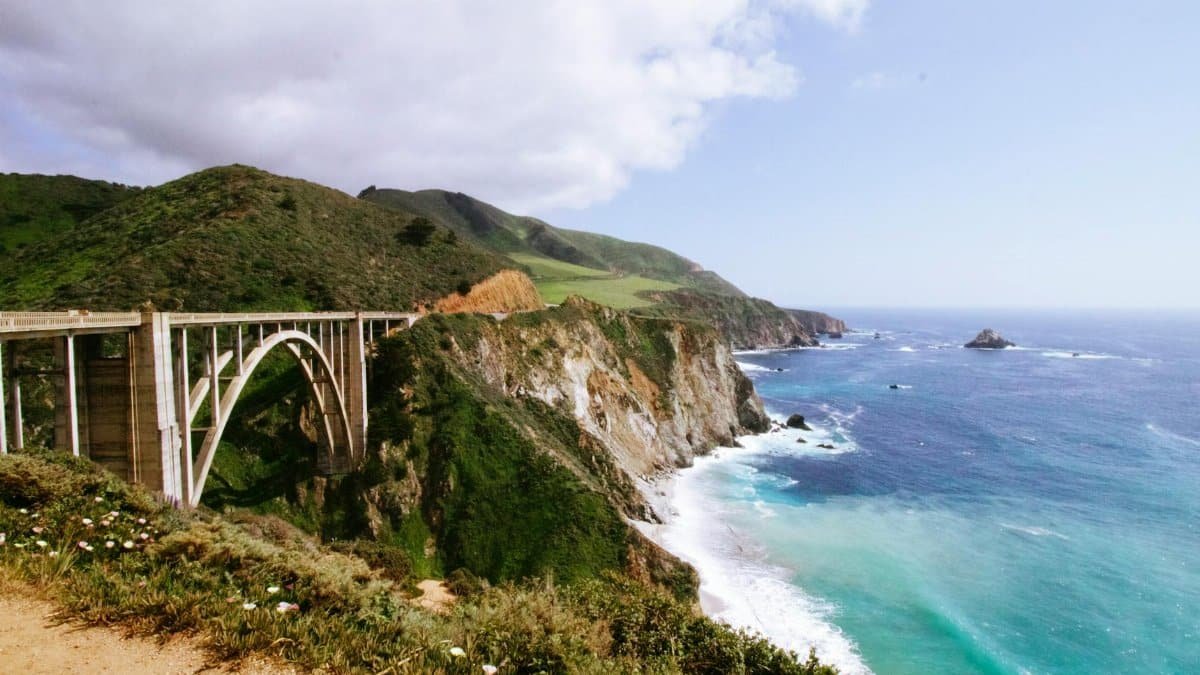
Imagine standing on the rugged shores of Big Sur, where the ocean crashes against cliffs and the horizon stretches endlessly. Here, the rhythmic waves seem to mirror the ebb and flow of inner thoughts. Visitors often describe how the salt air and vastness prompt unexpected revelations about life’s priorities. One anonymous account shared publicly online captured this: a person recounted sitting on the sand at dawn, realizing years of career ambition had overshadowed family ties. Such moments aren’t rare. Research from the University of California supports this, noting that coastal environments reduce stress hormones and enhance mindfulness.UCSF Study on Nature and Mental Health highlights how these settings encourage introspection without distraction. Yet, not every beach visit leads to epiphany; sometimes, the solitude amplifies unresolved tensions, forcing a confrontation with buried regrets. This duality makes Pacific beaches powerful for those seeking genuine self-reflection.
The key lies in timing. Early mornings or off-season trips minimize crowds, allowing the natural symphony to take center stage. Picture the fog rolling in, blurring the line between sea and sky, much like how self-doubt can cloud judgment. As one hiker put it during a casual chat by the water, the isolation strips away pretenses. In 2025, with coastal conservation efforts ramping up, these spots remain accessible gateways to inner awareness.
2. Ancient Forests in the Appalachian Mountains
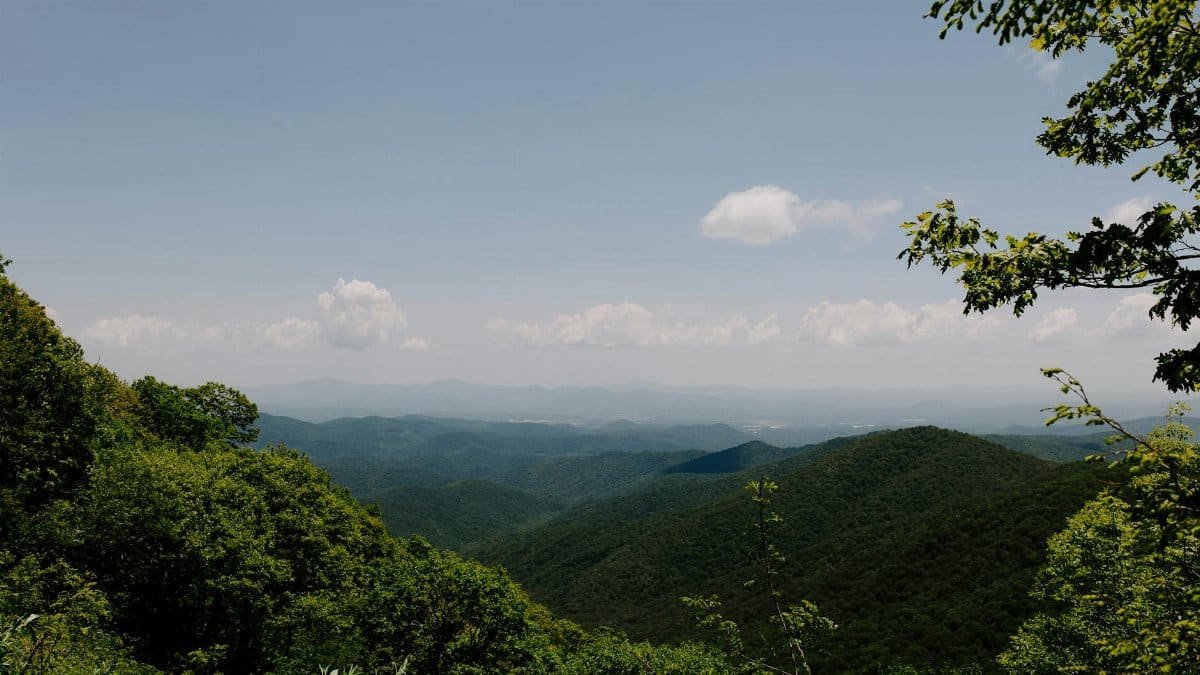
What draws people to the dense woods of the Smoky Mountains? It’s not just the hiking trails, but the enveloping quiet that demands attention to one’s inner voice. Towering trees, some centuries old, create a canopy that filters sunlight into gentle patterns on the forest floor. This setting has long inspired writers and thinkers; Henry David Thoreau found similar solace in wooded retreats, though today’s visitors might carry podcasts instead of journals. A brief anecdote: a middle-aged accountant from Tennessee once wandered off-trail, only to sit against a mossy trunk and unpack decades of suppressed grief over a lost parent. That unplanned pause shifted his perspective on work-life balance.
Studies back this up. The National Institutes of Health reports that forest bathing, a practice originating in Japan but popular in U.S. parks, boosts cognitive function and emotional clarity.NIH on Forest Bathing Benefits details how phytoncides from trees lower cortisol levels, paving the way for personal insight. However, challenges arise—bugs, weather, or even getting lost can test resolve, turning reflection into resilience training. Amid 2025’s push for outdoor wellness programs, these forests stand as timeless arenas for grappling with the self.
3. Quiet Libraries in Midwestern Towns
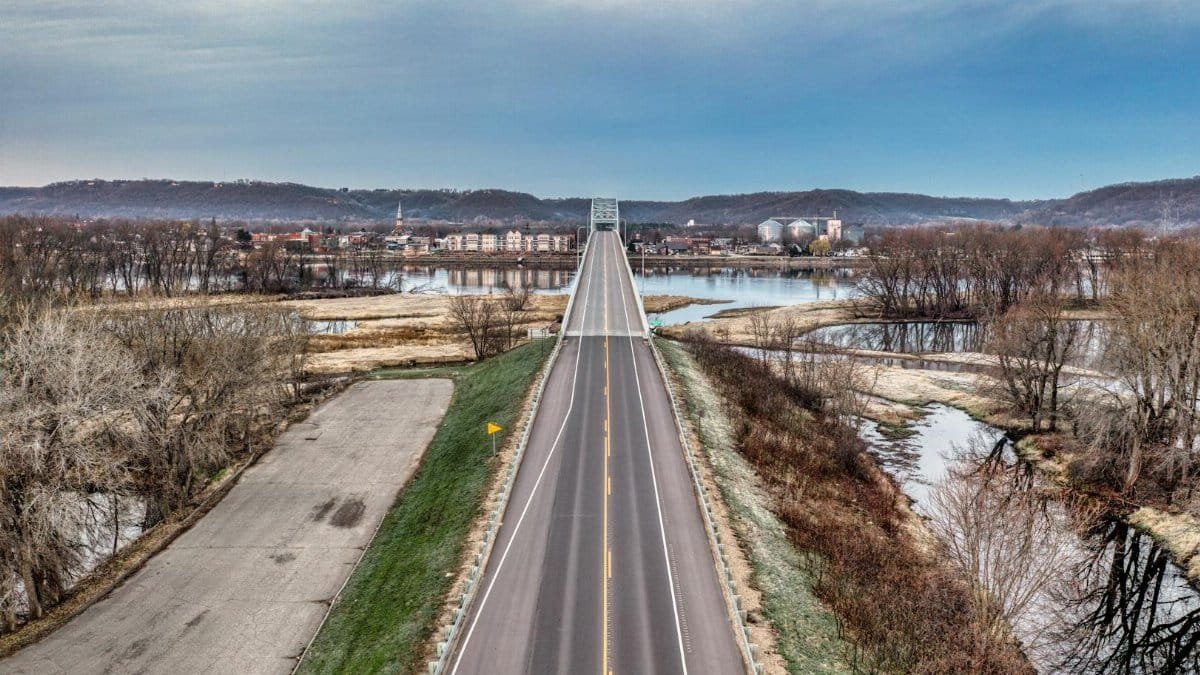
Step into a historic library in a place like Ann Arbor, Michigan, and the hush envelops you like a warm blanket. Rows of bookshelves, filled with stories of human triumphs and failures, invite browsers to draw parallels with their own lives. It’s here that many stumble upon self-reflection almost by accident—flipping through a memoir might spark a memory long ignored. Consider the retiree who, during a rainy afternoon, pored over philosophy texts and emerged with a renewed sense of purpose, questioning lifelong habits that no longer served her.
This isn’t mere escapism. Data from the American Library Association indicates that public libraries see increased visits during economic downturns, often for contemplative rather than recreational purposes.ALA Research on Library Usage underscores their role in community mental health. Yet, distractions lurk; a nearby conversation or digital temptation can pull focus. The beauty lies in reclaiming that space, turning pages into portals for inner awareness. As urban libraries adapt with quiet zones in 2025, they continue to nurture personal insight for everyday Americans.
4. Botanical Gardens in Urban Oases

Amid the bustle of cities like Atlanta, botanical gardens offer manicured paths lined with blooming flowers and serene ponds. These spaces contrast sharply with surrounding skyscrapers, creating a bubble for introspection. One visitor recalled meandering through orchid displays, where the delicate petals prompted thoughts on vulnerability in relationships. It’s a subtle nudge: nature’s cycles remind us of our own growth and decay.
Evidence from Harvard’s T.H. Chan School of Public Health links garden exposure to improved mood and self-perception.Harvard on Gardens and Mental Health explains how biodiversity stimulates neural pathways associated with empathy and reflection. Of course, peak seasons bring crowds, which might dilute the solitude. Still, finding a secluded bench can transform a lunch break into a session of profound personal insight. With 2025 initiatives promoting green urban spaces, these gardens evolve as vital spots for self-reflection in fast-paced lives.
5. Sacred Sites in the Southwest Deserts
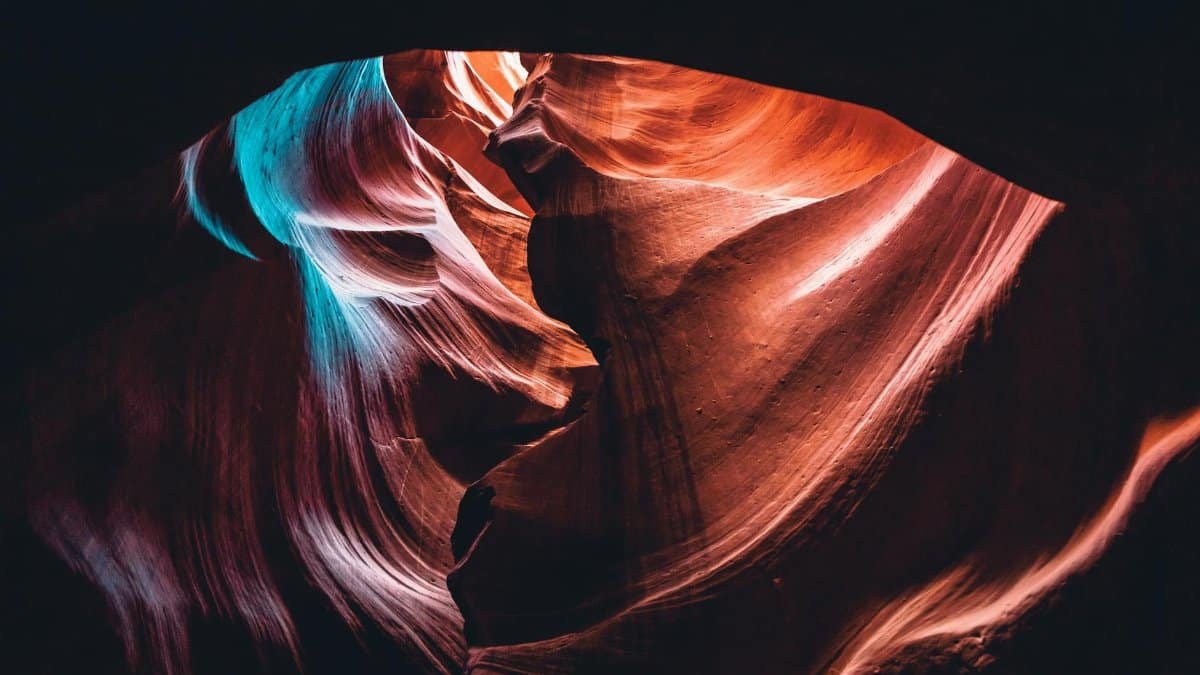
The red rock formations of Sedona, Arizona, draw seekers from across the country, not for adventure alone, but for the spiritual energy said to amplify inner dialogues. Vortex sites, believed by some to enhance energy flow, encourage visitors to sit in stillness and confront personal narratives. A story comes to mind of a veteran who, atop a mesa at sunset, processed years of trauma, finding clarity in the vast silence.
While skepticism exists, psychological research from the University of Arizona validates the benefits of desert solitude for mental processing.University of Arizona on Solitude (note: linking to the department’s research page as specific study URLs may vary) shows reduced anxiety through environmental immersion. Tensions emerge with tourism—overcrowding can disrupt the peace. Nonetheless, these sites persist as powerful venues for inner awareness, especially as wellness tourism surges in 2025.
6. Personal Home Sanctuaries

Not all reflective spots require travel; many Americans craft them right at home, in a corner dedicated to quiet. A simple setup—a comfortable chair, perhaps a journal and candle—transforms ordinary rooms into havens for self-exploration. One individual described converting a spare closet into a meditation nook, where daily sessions unraveled patterns of self-sabotage inherited from childhood.
The Centers for Disease Control and Prevention notes that home-based mindfulness practices correlate with better sleep and emotional regulation.CDC on Mindfulness at Home provides resources backing this. Accessibility is a plus, but consistency proves challenging amid household distractions. In 2025, with remote work normalizing, these personal spaces gain prominence for fostering personal insight without leaving the doorstep.
7. Overlooked Urban Parks in East Coast Cities
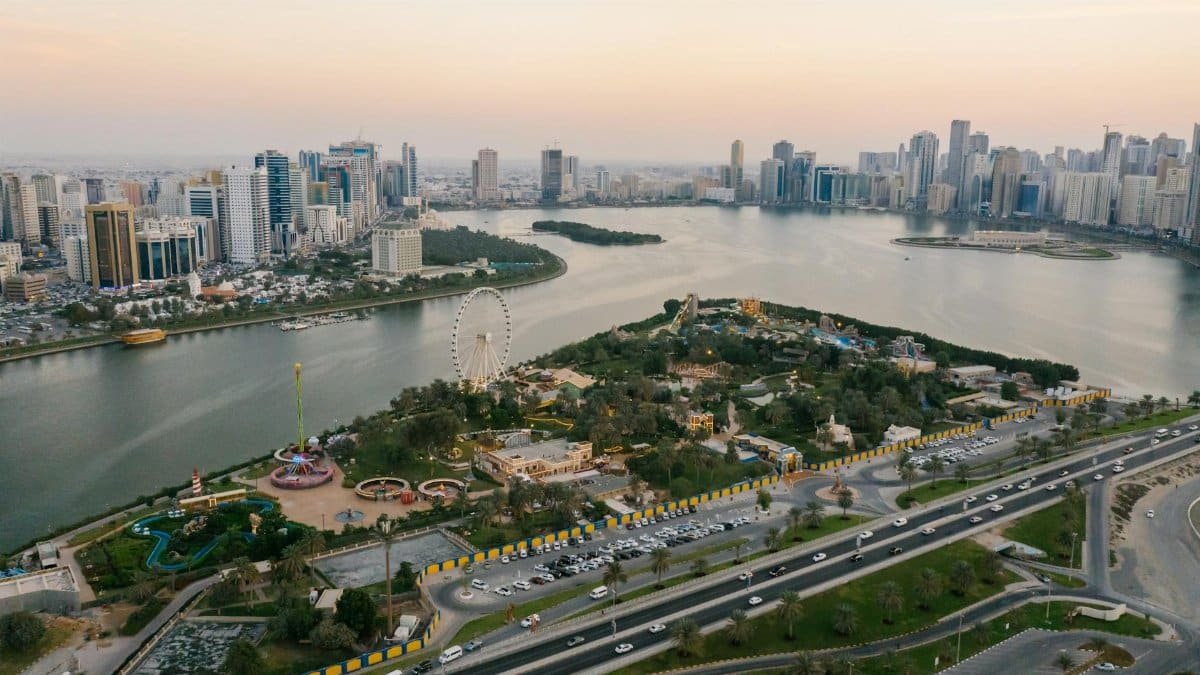
In the heart of Philadelphia, pockets like Rittenhouse Square offer benches amid greenery, where city dwellers pause amid the rush. The blend of human activity and natural elements creates a dynamic backdrop for observation—watching passersby can mirror one’s own journey. An anonymized tale: a young professional lingered there after a tough day, gaining perspective on ambition’s toll through the simple act of people-watching.
Pew Research data reveals urban parks as key to combating isolation in densely populated areas.Pew on Urban Spaces and Well-Being ties them to enhanced self-reflection. Weather and safety concerns pose hurdles, yet their proximity makes them ideal for spontaneous visits. As 2025 sees renewed investment in public spaces, these parks solidify as accessible paths to inner awareness and personal insight.