

In a recent poll by the American Psychological Association, nearly 60 percent of adults reported that finding time for self-reflection, inner awareness, and personal insight has become harder amid the chaos of daily life, up from just 40 percent a decade ago. This surge highlights a growing hunger for quiet spaces where one can pause and tune inward. As we navigate 2025, with its relentless digital distractions and post-pandemic stresses, these moments of introspection aren’t luxuries; they’re necessities for mental clarity. From bustling cities to remote retreats, certain locations naturally foster this inner work, drawing people seeking solace. Whether it’s the rhythmic crash of waves or the hush of ancient woods, these spots invite us to confront our thoughts without interruption. This article explores seven such places across the United States, each offering unique pathways to deeper self-understanding.
1. Secluded Beaches Along the Pacific Coast

Imagine the vast expanse of the Pacific Ocean stretching out before you, waves lapping gently at the shore. Places like Big Sur in California have long served as havens for those pursuing self-reflection. The salty air and endless horizon create a canvas for contemplating life’s bigger questions. One visitor, recalling a solo walk at Pfeiffer Beach, shared how the isolation stripped away everyday noise, revealing buried emotions. “It was just me and the sea,” they said, echoing a sentiment common in online accounts of similar escapes.
Research supports this. A study from the University of California, published in the Journal of Environmental Psychology, found that coastal environments reduce stress hormones by up to 30 percent, paving the way for clearer inner awareness.University of California Study on Nature and Well-Being delves into how such settings enhance mindfulness. In 2025, with rising sea levels in mind, these beaches remind us of impermanence, urging personal insight into our environmental footprint. Yet, it’s not all serene; the occasional storm can mirror internal turmoil, teaching resilience through observation.
Transitioning from the roar of tides, consider how these spots differ for urban dwellers. A quick drive from San Francisco, they offer accessible retreats, blending natural beauty with thoughtful solitude.
2. Ancient Forests in the Appalachian Mountains
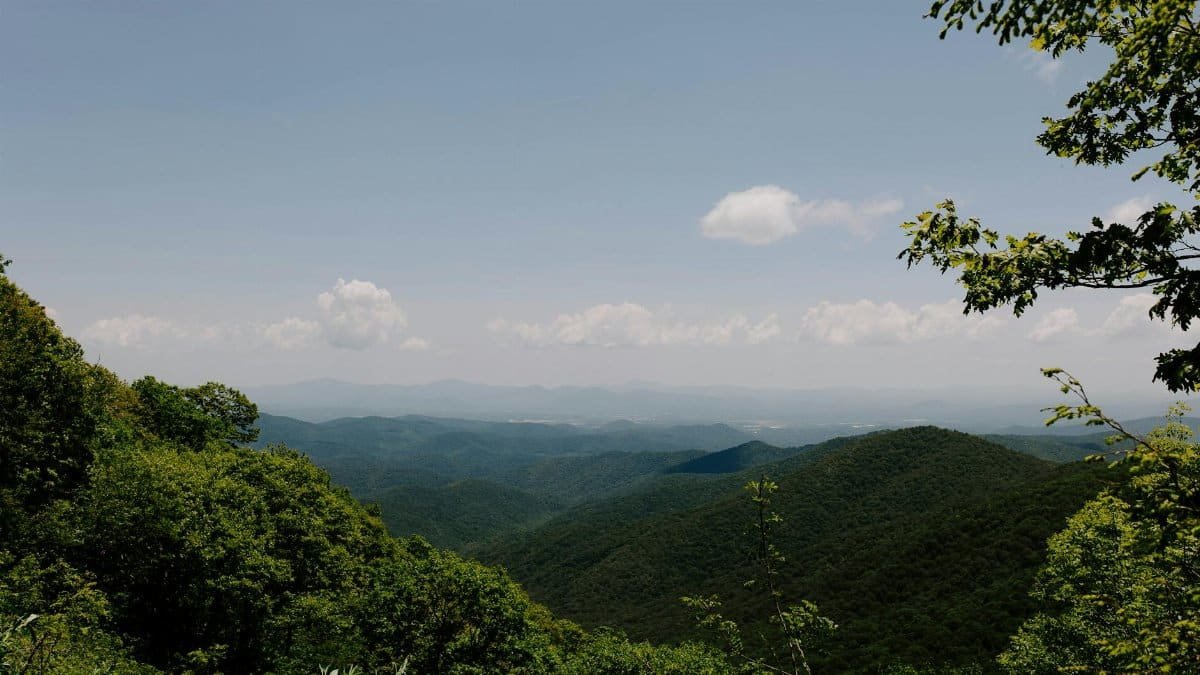
Deep in the Appalachians, trails wind through towering trees that have stood for centuries. Shenandoah National Park in Virginia draws hikers not just for exercise, but for the profound quiet that envelops you. Leaves rustle softly, birds call intermittently, creating a symphony for introspection.
Here, self-reflection often unfolds step by step. Picture a middle-aged accountant from nearby Washington, D.C., who, after a career burnout, spent a weekend on the Old Rag Mountain trail. Amid the fog-shrouded peaks, he unpacked years of suppressed ambitions, emerging with renewed purpose. Such stories aren’t rare; they illustrate how forests act as natural therapists.
Backing this, the U.S. Forest Service reports that time in wooded areas boosts cognitive function and emotional regulation. For specifics, check the U.S. Forest Service Urban and Community Forestry Program, which highlights mental health benefits. In our fast-paced era, these mountains provide a counterpoint, encouraging inner awareness without gadgets or agendas. The challenge? Accessibility for all, yet programs like guided senior hikes are expanding in 2025.
Shifting gears, these forests also spark ecological insights, linking personal growth to planetary health.
3. Historic Libraries in New England

What if the key to personal insight lies between dusty shelves? Libraries like the Boston Public Library, with its grand reading rooms and whispered pages, invite a different kind of reflection. Surrounded by volumes of human history, one can’t help but ponder their own story.
Start with a scene: A retiree settles into a leather chair, journal in hand, as sunlight filters through stained glass. Hours pass in contemplation, fueled by biographies that mirror life’s twists. This isn’t mere escapism; it’s active engagement with inner narratives.
Studies from Harvard University affirm that reading in quiet spaces enhances empathy and self-awareness. Explore the Harvard Health Publishing on Reading Benefits for evidence. Amid 2025’s information overload, these libraries stand as bastions of focused thought, countering digital fatigue. They foster community too, with discussion groups that blend solitude and shared wisdom.
But variety keeps it fresh; not every visit needs structure. Sometimes, wandering aisles sparks unexpected revelations.
4. Botanical Gardens in the Midwest
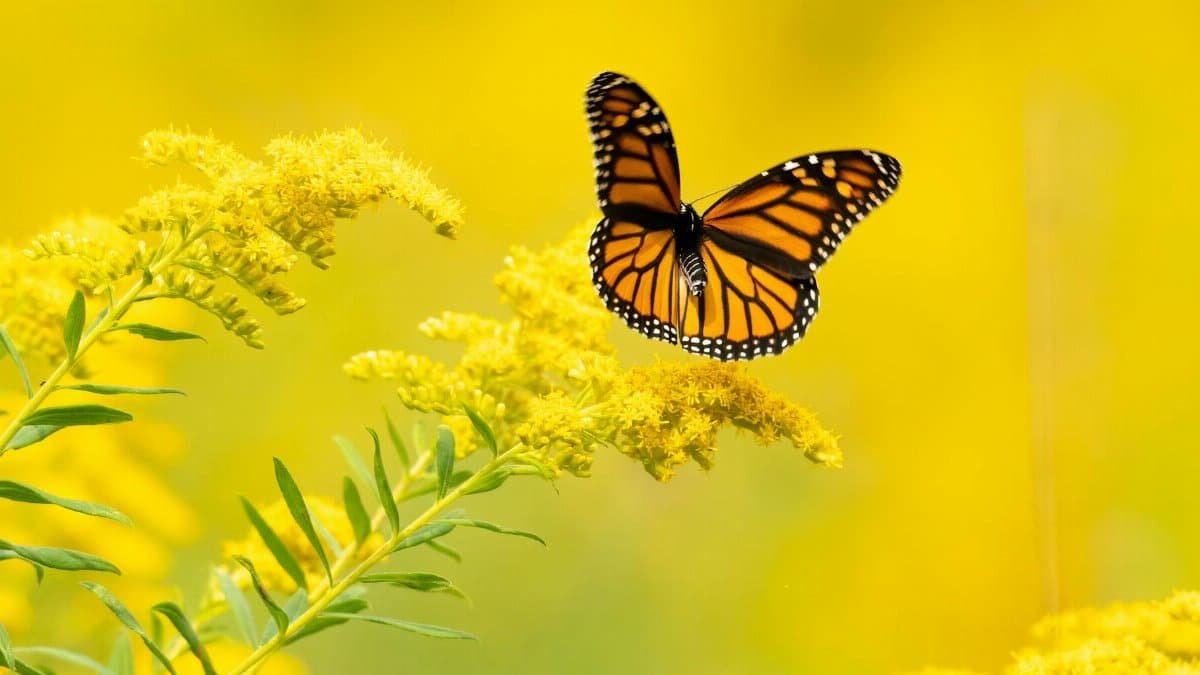
Amid blooming flowers and manicured paths, botanical gardens offer a sensory feast for the soul. The Chicago Botanic Garden, for instance, transforms ordinary afternoons into opportunities for deep self-reflection.
Dive into an example. A teacher from Illinois, grappling with work-life balance, found clarity while sitting by a lily pond. The cycles of growth and decay around her mirrored her own life’s phases, leading to pivotal decisions. Online forums echo this, with users describing how gardens ground turbulent thoughts.
Science from the National Institutes of Health links horticultural therapy to improved mental health. See the NIH Study on Horticultural Therapy for details. In 2025, as urban green spaces expand, these gardens become vital for inner awareness, especially in densely populated areas. They teach patience through seasonal changes, a lesson in personal insight.
Yet, accessibility varies; community plots in smaller towns replicate the effect on a humbler scale.
5. Sacred Sites in the Southwest Deserts

The stark beauty of the Southwest, from Sedona’s red rocks to ancient pueblos in New Mexico, calls to those seeking spiritual depth. These landscapes, rich in Native American history, amplify self-reflection through sheer scale.
Consider a narrative: A veteran from Texas hikes to a vortex site, where the silence amplifies internal dialogues long ignored. Emerging transformed, he credits the energy of the place. Such accounts highlight the site’s power.
Research by the University of Arizona explores how desert environments promote mindfulness. Reference the University of Arizona Research Publications for related studies. With 2025’s focus on cultural preservation, these spots encourage respectful inner awareness, blending personal growth with historical reverence.
Moving beyond, the isolation tests endurance, revealing strengths in solitude.
6. Urban Parks in Major Cities
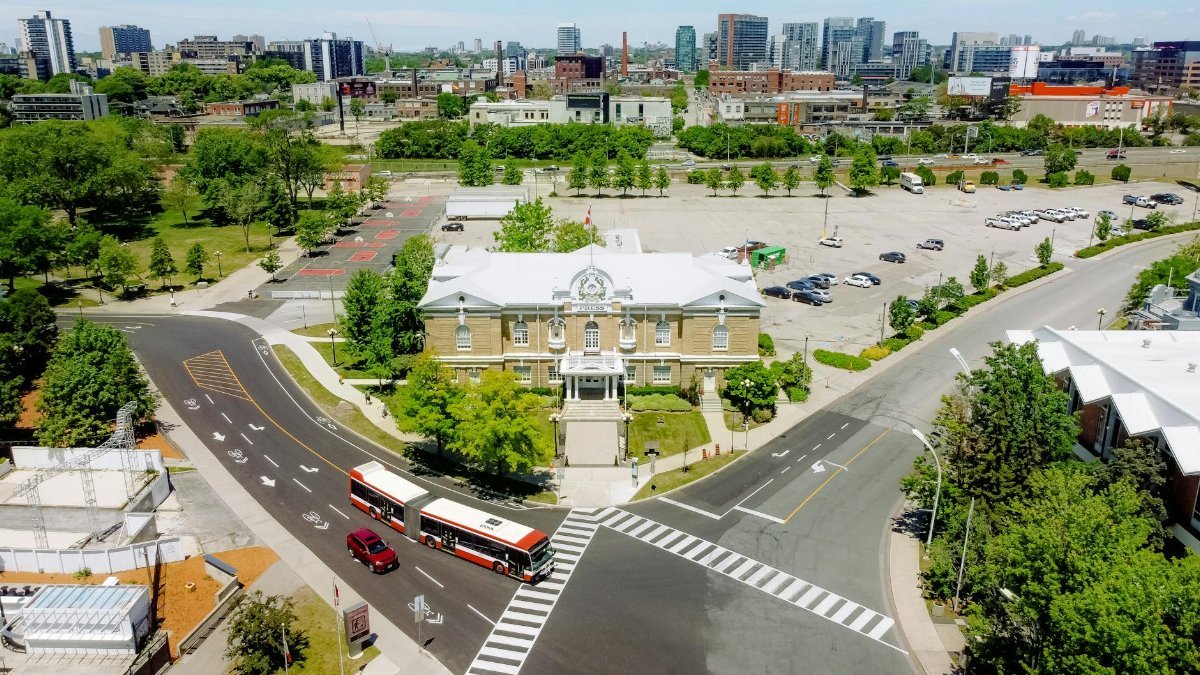
Even in the heart of concrete jungles, parks like Central Park in New York provide oases for contemplation. Benches overlook ponds, inviting passersby to pause amid the city’s hum.
A quick observation: Commuters often detour here, finding brief respites that spark personal insight. One anonymous story describes a moment of clarity during a lunch break, reshaping career goals.
Pew Research notes urban green spaces correlate with lower anxiety levels. Check Pew Research on Urban Well-Being. In 2025, as cities prioritize mental health, these parks evolve into reflection hubs.
Variety abounds; from yoga sessions to solo strolls, they adapt to individual needs.
7. Personal Home Sanctuaries Nationwide

Finally, the most accessible location might be right at home. Creating a dedicated corner, perhaps with candles and journals, turns everyday spaces into reflection zones across America.
Think of a parent in suburban Atlanta who, after kids’ bedtime, retreats to a quiet nook. There, self-reflection unfolds through meditation, yielding insights on family dynamics.
The CDC emphasizes home-based wellness practices for mental health. See CDC Mental Health Resources. As remote work persists in 2025, these sanctuaries gain prominence, fostering inner awareness without travel.
Ultimately, they democratize the process, making personal insight available to all.