

Walk into a bustling coffee shop in Seattle these days, and you might spot more people journaling than scrolling on phones. This subtle shift points to a growing embrace of self-reflection, inner awareness, personal insight across the U.S. In an era of constant notifications, many middle-aged Americans seek spots that foster quiet introspection. From coastal retreats to urban parks, certain locations naturally invite deeper thought. They offer a break from daily noise, encouraging folks to tune into their inner worlds. A recent survey shows that over half of adults now prioritize mental wellness practices, up from a decade ago. These places aren’t just escapes; they serve as catalysts for personal growth. As life speeds up in 2025, finding such havens becomes essential for balance.
1. Serene Beaches at Dawn
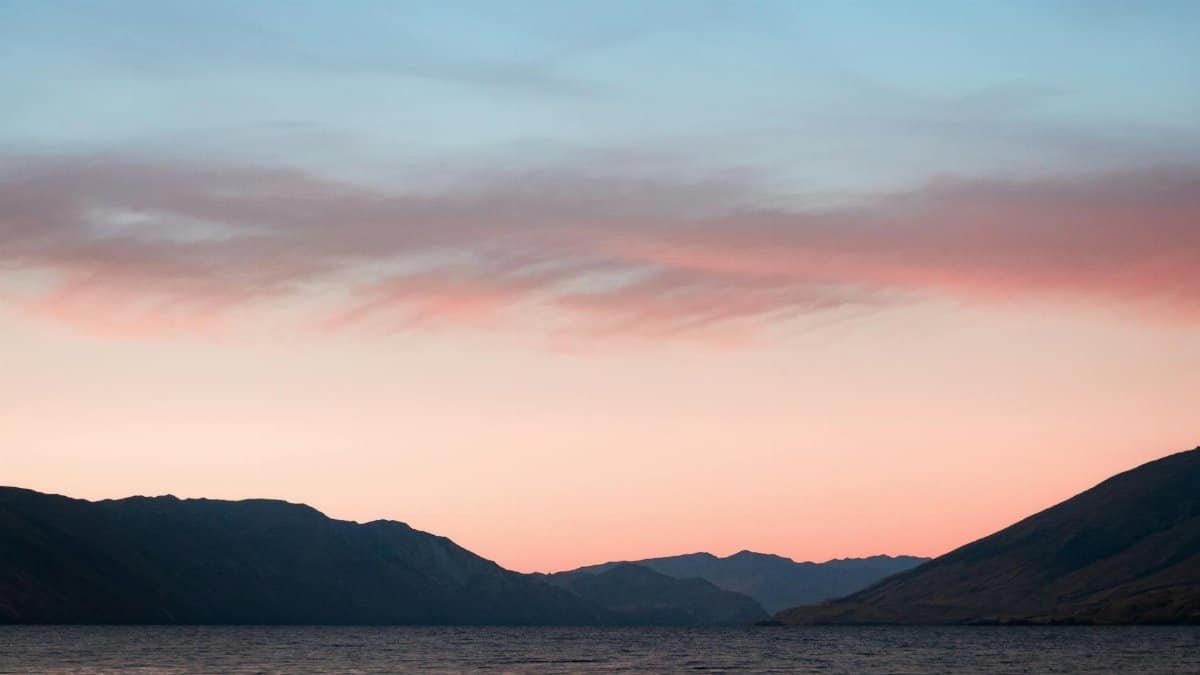
The ocean’s rhythm has a way of pulling thoughts inward. Picture the soft crash of waves along the shores of Cape Cod, where early morning light dances on the water. Here, without the crowds, one can sit on the sand and let the horizon stretch out like an open invitation to ponder life’s ebb and flow. It’s not just about the view; the solitude amplifies inner dialogue. Studies from the National Institutes of Health highlight how natural water settings reduce stress and boost mindfulness, leading to clearer personal insights.NIMH on Mindfulness Benefits.
Take Sarah, a 45-year-old teacher from Boston, who shared anonymously online about her ritual walks. She described how the salt air cleared her mind, revealing buried frustrations from her job. “It was like the waves washed away the clutter,” she noted. This kind of experience isn’t rare. Beaches encourage a sensory reset, where the vastness of the sea mirrors the depth of one’s thoughts. Yet, it’s not always straightforward. Sometimes, the isolation brings up uncomfortable truths, forcing a confrontation with regrets or unfulfilled dreams. That’s the beauty, though; it pushes growth.
In 2025, with rising sea levels in mind, these spots also prompt reflection on environmental stewardship. Walking barefoot, feeling the grains shift, one might contemplate personal impact on the world. It’s a blend of calm and urgency, making beaches prime for sustained introspection.
2. Mountain Hiking Trails
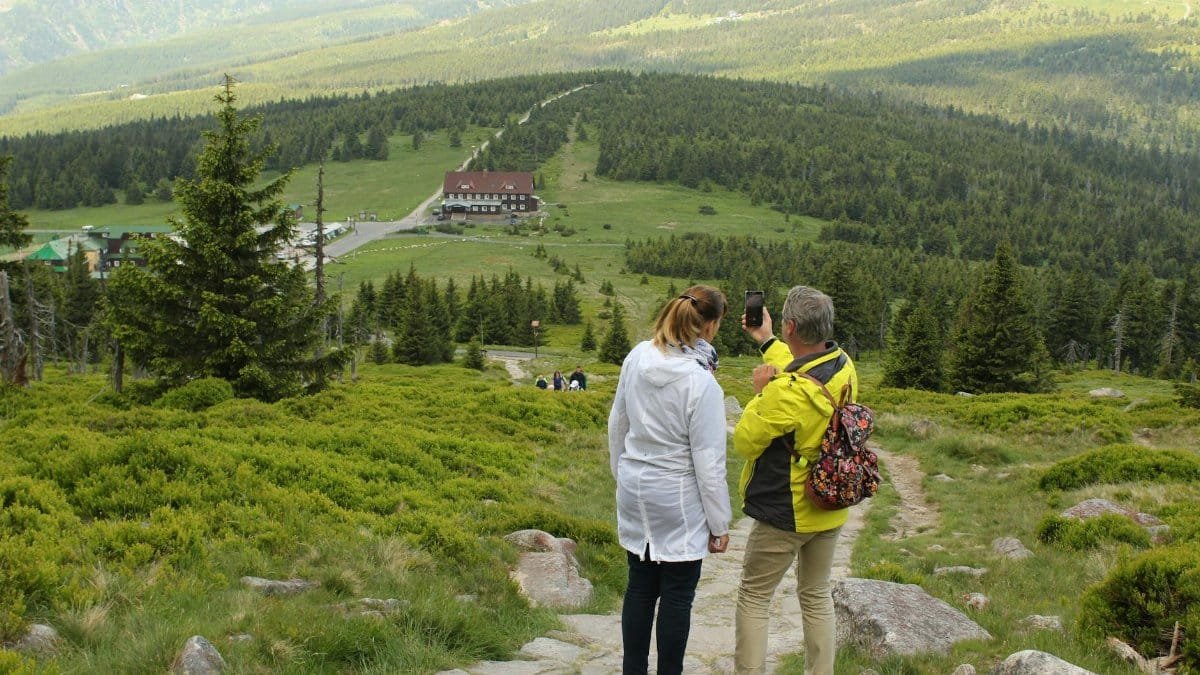
Up in the Rockies, a trail like the one winding through Rocky Mountain National Park demands focus. Each step uphill tests endurance, mirroring the effort needed for self-examination. Hikers often find that physical exertion quiets mental chatter, opening doors to profound awareness. A report from the American Psychological Association links outdoor activities to improved emotional regulation and insight.APA on Exercise and Mental Health.
Imagine pausing at a viewpoint, breath heavy, overlooking valleys below. That’s when questions arise: What drives me forward? One hiker recalled a moment of clarity during a solo trek, realizing a career change was overdue. These trails aren’t just paths; they’re metaphors for life’s journeys, with switchbacks representing setbacks. The air thins, thoughts sharpen. But challenges lurk, like sudden weather shifts that force quick decisions, much like life’s surprises.
For middle-aged adventurers, these hikes offer a chance to reconnect with youthful vigor while assessing midlife paths. In group settings, conversations turn introspective around campfires, sharing stories that illuminate shared human experiences. It’s active reflection, where body and mind align.
3. Quiet Libraries Amid City Bustle
What if a stack of books could unlock hidden facets of the self? In places like the New York Public Library, the hush envelops visitors, creating a sanctuary for contemplation. Surrounded by volumes of history and philosophy, one naturally drifts into self-reflection, inner awareness, personal insight. Pew Research notes a surge in library usage for personal development among adults over 40.Pew Research on Libraries and Learning.
A regular patron might flip through a memoir, sparking parallels to their own life. “I sat there for hours, piecing together why I felt stuck,” one anonymous account described, highlighting how the environment fosters unhurried thinking. Libraries provide structure without pressure, with alcoves perfect for journaling or simply staring at a page until ideas surface.
Yet, distractions can creep in, like the faint hum of computers nearby. Overcoming that builds discipline in awareness. In 2025, with digital overload, these analog havens remind us of slower paces, encouraging a dive into personal narratives without screens interrupting.
4. Botanical Gardens in Bloom

Amid vibrant petals and winding paths, gardens like those in Atlanta’s Botanical Garden invite a gentle unfolding of thoughts. The cycle of growth around you parallels inner processes, where seeds of insight take root. Visitors often linger on benches, watching bees flit, which prompts musings on interconnectedness. Research from Harvard’s T.H. Chan School of Public Health connects green spaces to enhanced mental clarity and reduced anxiety.Harvard on Health Benefits of Green Spaces.
Consider a midday stroll where the scent of roses triggers memories, leading to reflections on relationships. One person’s story involved rediscovering joy after loss, inspired by resilient plants. It’s storytelling through nature, where each bloom tells of renewal.
Seasons add layers; autumn leaves might evoke thoughts on letting go. These gardens blend beauty with introspection, making them accessible retreats for urban dwellers seeking balance.
5. Historic Churches and Cathedrals
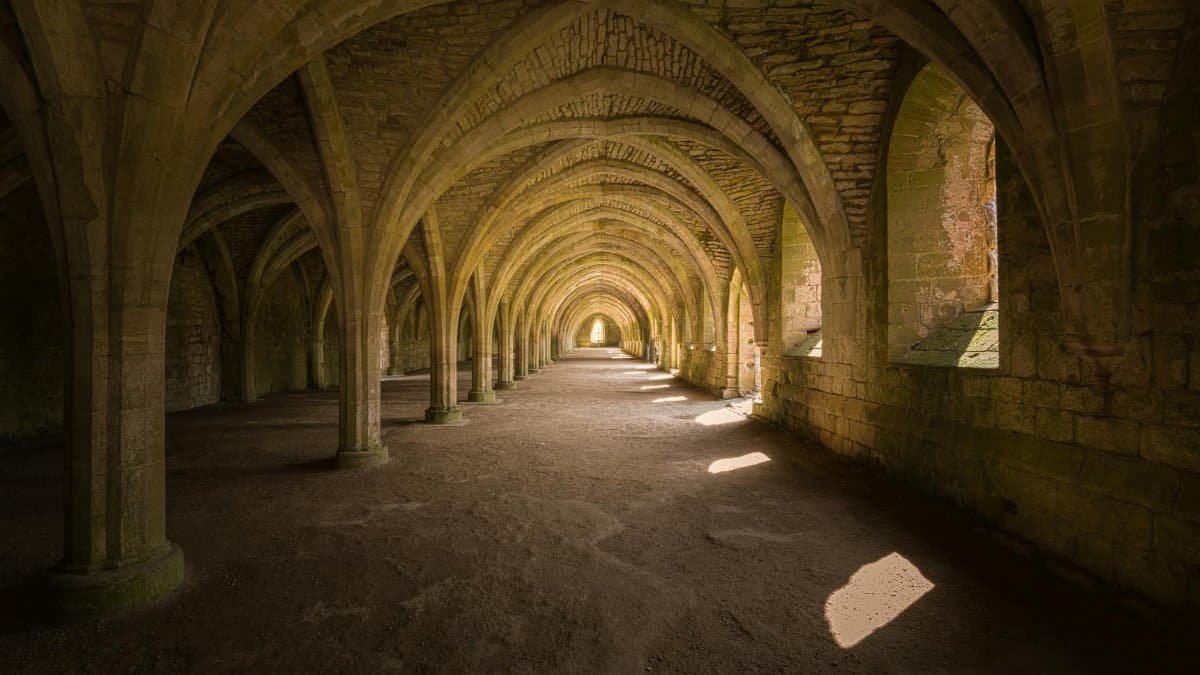
Step into the vaulted halls of a place like St. Patrick’s Cathedral in New York, and the weight of centuries presses in. The stained glass filters light, casting colorful patterns that encourage quiet prayer or meditation. For many, these spaces transcend religion, serving as neutral grounds for personal insight. A study by the Centers for Disease Control and Prevention explores how spiritual environments aid in stress management.CDC on Stress and Coping.
An observer might sit in a pew, tracing the architecture, which mirrors the complexity of human emotions. “In that silence, I confronted my doubts,” shared someone in a public reflection, underscoring the power of sacred quiet. Echoes of hymns or distant footsteps add to the atmosphere, prompting deeper dives into values and purpose.
In diverse America of 2025, these sites welcome all, fostering unity in solitude. They remind us that reflection often thrives in spaces built for reverence.
6. Personal Home Sanctuaries

Sometimes, the best spot is right at home, in a corner dedicated to calm. Think of a cozy nook with a comfortable chair, perhaps overlooking a backyard in suburban Chicago. Here, without travel, one cultivates self-reflection, inner awareness, personal insight through routines like morning tea or evening reading. The Journal of Environmental Psychology discusses how personalized spaces enhance well-being.Journal of Environmental Psychology.
Creating this involves intention: dim lights, meaningful objects. A middle-aged professional described transforming a spare room into a haven, where daily sessions revealed career dissatisfactions. It’s intimate, allowing vulnerability without judgment.
Challenges include household distractions, but setting boundaries turns it into a ritual. In busy lives, these personal oases prove that reflection starts within familiar walls.
7. Wellness Retreat Centers

Across the U.S., centers like those in Sedona, Arizona, draw seekers with programs blending yoga and guided meditations. These immersive environments strip away daily routines, forcing a focus on inner landscapes. Participants emerge with sharpened awareness, backed by findings from the Mayo Clinic on retreat benefits for mental health.Mayo Clinic on Meditation.
During a silent walk, thoughts bubble up unfiltered. One attendee recounted a breakthrough on forgiveness, sparked by group sharing. It’s structured yet flexible, addressing modern stressors head-on.
As 2025 sees more emphasis on holistic health, these centers evolve, incorporating tech-free zones. They represent commitment to growth, turning fleeting insights into lasting change. Yet, accessibility varies; not everyone can afford them, highlighting the need for inclusive options.
In exploring these locations, a pattern emerges: each offers a unique lens for introspection, proving that self-reflection thrives in varied settings. Whether by sea or in silence, the journey inward reshapes perspectives.