

In bustling cities across the United States, from New York to Los Angeles, a quiet shift is underway. More Americans are stepping away from the relentless grind of career ladders and urban hustle, seeking spaces that nurture the soul during upheaval. This isn’t just about moving; it’s a deliberate pivot toward environments that foster major transitions, life change, adaptation. Consider the empty-nesters leaving high-rises for serene suburbs, or mid-career professionals trading office towers for coastal hideaways. Recent surveys show this trend gaining steam, as people prioritize mental clarity over material success. It’s a response to burnout, loss, or simply the urge to redefine purpose. In an era of constant flux, these choices reflect a deeper quest for wellbeing, where ambition takes a backseat to inner peace and genuine connection.
1. Coastal Retreats for Reflection

People often gravitate toward the ocean when life demands a reset. The rhythmic crash of waves offers a natural metaphor for the ebbs and flows of change. Take Sarah, a former marketing executive from Chicago who, after a divorce, packed her bags for a small cottage on the Oregon coast. “The sea doesn’t judge,” she said, describing how daily walks along the shore helped her process grief and rebuild. This isn’t uncommon. Studies indicate that proximity to water can lower stress hormones, aiding emotional adaptation.
Researchers at the University of Exeter have explored how blue spaces enhance mental health, finding that coastal living correlates with reduced anxiety. During major transitions, such as job loss or retirement, individuals report feeling more grounded here. It’s not about escaping problems but confronting them amid nature’s vastness. One anonymous account shared online captured this: a person navigating bereavement found solace in watching sunsets, noting how the horizon expanded their perspective on loss.
Yet, adaptation isn’t always seamless. Harsh weather or isolation can test resolve. Still, many emerge stronger, their wellbeing fortified. As ambition fades, the focus sharpens on presence, turning these retreats into sanctuaries for renewal.University of Exeter Blue Health Research underscores this, linking coastal environments to improved psychological resilience.
2. Mountain Cabins for Solitude
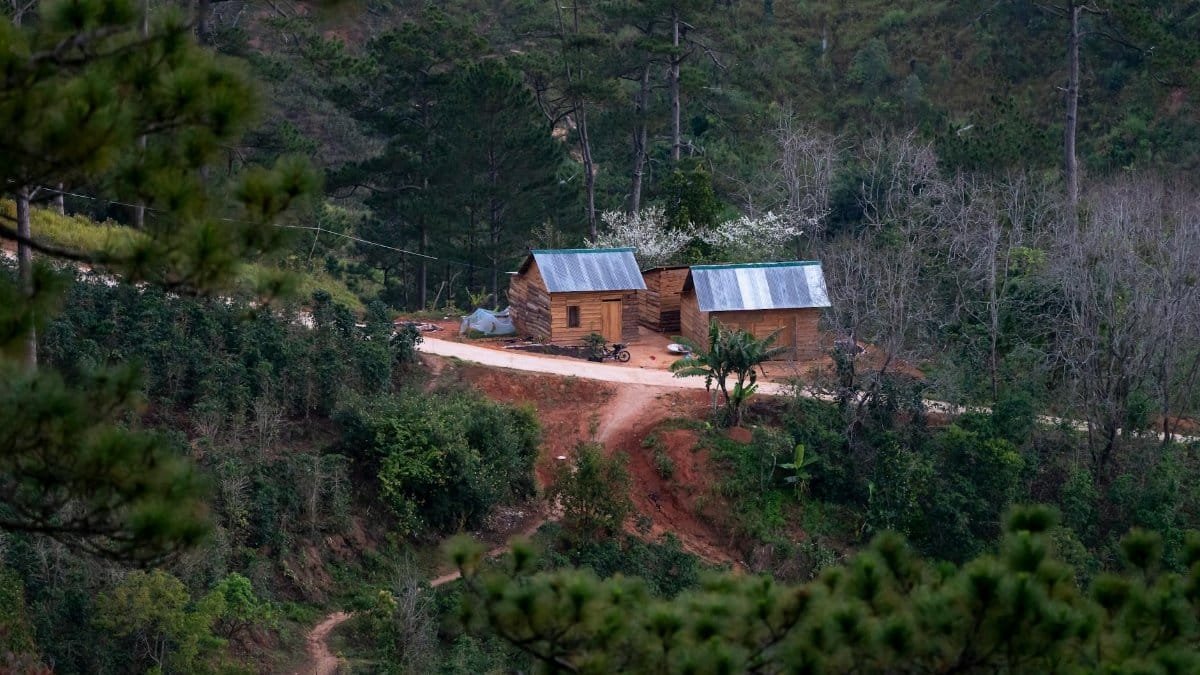
High in the Rockies or the Appalachians, cabins beckon those craving isolation during upheaval. Imagine a writer, reeling from a creative block, retreating to a log home nestled among pines. The crisp air and towering peaks demand a stripped-down existence, where distractions dissolve. This setting encourages introspection, vital for major transitions, life change, adaptation.
Experts note that mountainous terrains promote mindfulness practices. A study from the National Institutes of Health highlights how altitude and nature immersion boost endorphins, easing the strain of life shifts like career pivots. One man, after losing his corporate job, spent months in a Colorado cabin, journaling his way to clarity. “The mountains taught me patience,” he reflected, emphasizing how the environment mirrored his internal journey.
Challenges arise, like limited access to amenities, but they often forge resilience. Wellbeing emerges as the priority, supplanting former ambitions with a quieter fulfillment. Transitions here feel less like disruption and more like evolution, grounded in the earth’s unyielding presence.
3. Urban Sanctuaries for Reinvention

Not everyone flees the city; some dive deeper into it, choosing compact lofts or co-living spaces amid skyscrapers. A young entrepreneur from Atlanta, facing burnout, swapped her suburban house for a downtown studio. The buzz of street life became her canvas for reinvention, blending anonymity with opportunity.
This choice aligns with trends where urban density fosters quick adaptations. Pew Research data shows millennials increasingly opt for city cores during personal upheavals, drawn to diverse communities that support emotional growth.Pew Research on Urban Trends reveals how these environments aid in building new networks, crucial for navigating change.
Noise and pace can overwhelm, yet they also energize. Here, wellbeing trumps ambition through intentional living—yoga studios on every block, cafes for chance encounters. Adaptation thrives in this dynamic mix, turning potential chaos into a launchpad for fresh starts.
4. Rural Farms for Grounding

Farms in the heartland offer a return to basics, appealing to those in flux. Picture a family from Seattle relocating to an Iowa homestead after a health scare. Tending soil and animals instills rhythm, countering the disarray of major transitions.
Agricultural lifestyles promote physical and mental restoration. The USDA reports rising interest in rural living for therapeutic benefits, with data linking farm work to lower depression rates.USDA Rural Health Insights detail how such settings enhance adaptation by fostering self-sufficiency.
One woman’s story illustrates this: post-retirement, she embraced farming, finding purpose in harvests. “The land heals what words can’t,” she shared. Ambition yields to wellbeing, as daily chores cultivate presence and resilience amid life’s inevitable changes.
5. Expat Havens Abroad for Perspective

Crossing borders provides radical distance, chosen by many during profound shifts. A teacher from Texas, grappling with midlife crisis, moved to a village in Portugal. The cultural immersion forced new habits, accelerating adaptation.
Global relocations often yield broader worldviews. Research from Harvard University explores expatriate experiences, noting enhanced empathy and flexibility.Harvard Kennedy School on Expatriate Impacts highlights how these moves prioritize personal growth over career climbs.
Language barriers test patience, but rewards include deeper connections. Wellbeing flourishes in this expanded context, where old ambitions dissolve into a tapestry of global presence. For those in transition, it’s a bold step toward redefined purpose.
6. Family Homes for Reconnection

Returning to childhood homes or family estates draws people seeking roots during turmoil. An artist from New York, after a breakup, went back to her parents’ place in Ohio. Familiar walls offered comfort, easing the path to self-discovery.
This choice taps into relational healing. Studies from the American Psychological Association link family proximity to better coping mechanisms in times of change. Online forums echo this, with one account describing how homecoming mended emotional fractures: “Being surrounded by memories rebuilt my foundation.”
Generational tensions can surface, yet they often lead to growth. Here, adaptation involves weaving past and present, with wellbeing eclipsing solitary ambitions through shared bonds.
7. Wellness Retreats for Guided Transformation

Structured retreats in places like California’s Big Sur provide expert-led environments for change. A executive from Boston attended one after burnout, engaging in meditation and therapy amid redwoods.
These spaces facilitate structured adaptation. The NIH funds research on retreat efficacy, showing sustained improvements in stress management.NIH on Mindfulness and Meditation supports how such programs shift focus from ambition to holistic health.
Intensity can be daunting, but transformations stick. Wellbeing becomes the core pursuit, turning major transitions into opportunities for profound, mindful evolution.
Across these locations, a common thread emerges: the deliberate choice to let wellbeing guide amid major transitions, life change, adaptation. In 2025, as societal pressures mount, more Americans are embracing this shift. It’s not about abandoning goals but realigning them with inner harmony. From coasts to cabins, these spaces remind us that true adaptation thrives when presence overtakes relentless drive. The journey, varied as it is, points to a collective awakening—one where life’s changes become gateways to deeper fulfillment.