

A recent study from the Pew Research Center revealed that nearly 40% of Americans undergoing significant life shifts, such as career changes or personal losses, now prioritize locations that foster emotional healing over those tied to professional ambition. This figure has climbed steadily since 2010, signaling a broader cultural pivot. In an era where burnout and reevaluation dominate conversations, people are seeking spaces that aid major transitions, life change, adaptation. These aren’t just vacations; they’re deliberate choices for recalibration. From quiet coastal towns to rugged mountain trails, the appeal lies in environments that encourage introspection and renewal. As we navigate 2025’s uncertainties, understanding these destinations offers insight into how we’re collectively adapting to upheaval. It’s a reminder that sometimes, stepping away is the first step toward moving forward.
1. Coastal Retreats for Reflective Solitude

Along the shores of places like Maine’s rugged coastline, individuals often find themselves drawn during times of upheaval. The steady crash of waves provides a natural rhythm that mirrors the internal chaos of major transitions. One woman, recently divorced after two decades of marriage, described standing on a foggy beach at dawn, feeling the salt air strip away layers of regret. It’s not about luxury resorts here; it’s the raw simplicity that invites adaptation. Research from the National Institutes of Health highlights how proximity to water can lower stress hormones, aiding emotional recovery.NIH Study on Water and Stress. In these spots, people walk endless stretches of sand, journaling thoughts that surface unbidden. The isolation fosters a kind of forced confrontation with change, turning what feels like loss into potential growth. Yet, there’s a tension: the beauty can amplify loneliness if not balanced with community ties. Still, for many, it’s precisely this solitude that rebuilds resilience.
Conversations in these coastal havens often reveal shared stories of reinvention. A retired executive might share how the tides taught him patience, adapting to a life without boardroom battles. Such narratives underscore why these locations top lists for life change. They’re accessible, often just a drive away for East Coast dwellers, making them practical for spontaneous escapes.
2. Mountain Escapes for Physical and Mental Reset
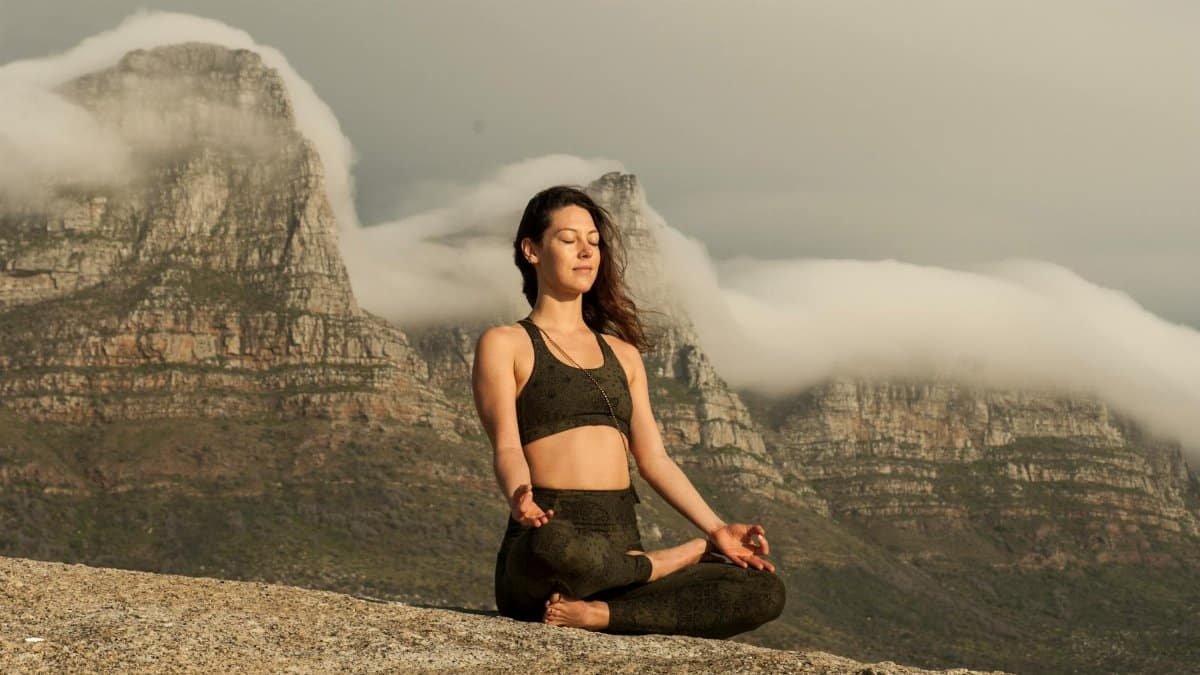
Imagine arriving at a trailhead in Colorado’s Rockies, backpack slung over your shoulder, ready to hike into uncertainty. For those in the throes of major transitions, life change, adaptation, mountains offer elevation in more ways than one. The physical challenge of ascending peaks parallels the effort needed to overcome personal hurdles. A study by the University of Utah found that high-altitude environments boost endorphins, enhancing mood during adaptation periods.University of Utah on Altitude Benefits.
One anonymous account from an online discussion captured this vividly: after losing a job, someone spent weeks in the Appalachians, where the steep paths mirrored their climb out of despair. “Each summit felt like conquering a fear,” they noted. These escapes aren’t always solitary; group treks build unexpected bonds, weaving social support into the healing process. But challenges arise too, like unpredictable weather forcing quick adaptations, much like life’s surprises. In 2025, with remote work enabling longer stays, more middle-aged professionals are trading office views for panoramic vistas, finding clarity amid the pines.
3. Rural Farms for Grounded Reconnection
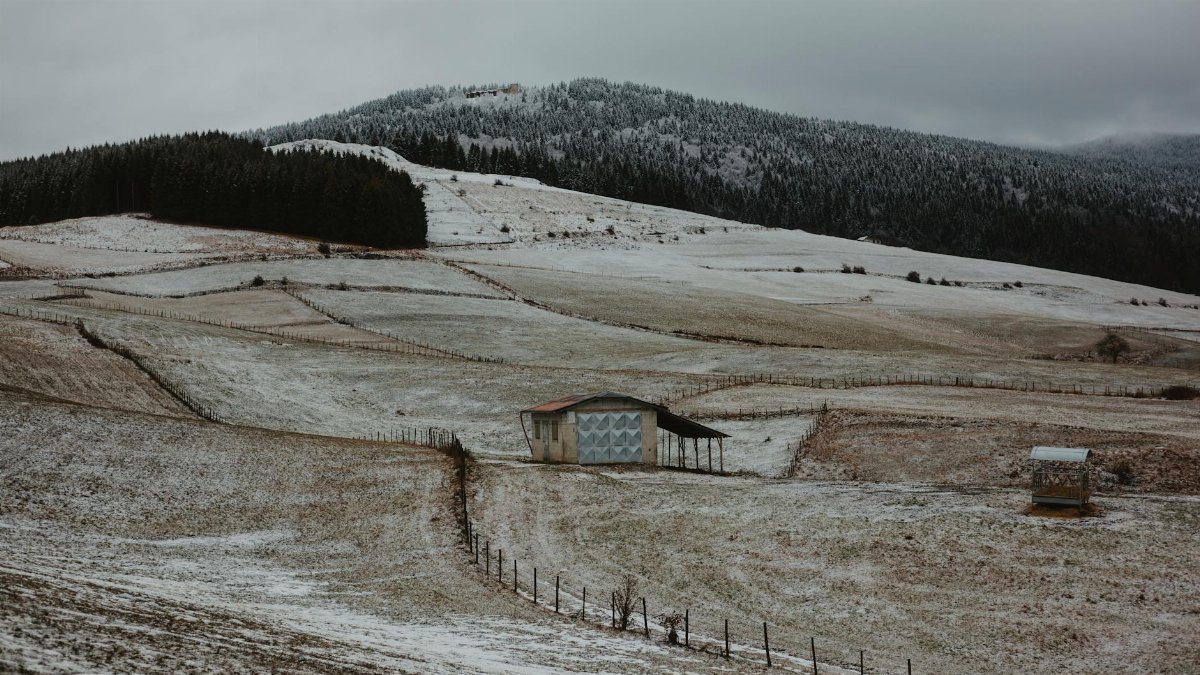
Farms in the Midwest, with their vast fields and simple routines, draw those seeking to root themselves anew. During major transitions, the act of tending soil or caring for animals provides tangible metaphors for growth and nurturing. It’s a far cry from urban hustle, where ambition often overshadows wellbeing. Data from the USDA shows a 15% uptick in agritourism visits linked to personal wellness quests.USDA Agritourism Report.
Picture a former city dweller, post-burnout, waking to roosters and harvesting vegetables. This rhythm enforces presence, combating the anxiety of change. Yet, it’s not without its ironies; the isolation can intensify feelings of displacement before adaptation sets in. Stories abound of people discovering hidden strengths through farm work, like one who learned patience from failed crops, applying it to rebuilding relationships. These locations emphasize sustainability, aligning with a growing trend toward mindful living in 2025.
The appeal lies in the cycle of seasons, reminding visitors that endings pave the way for new beginnings. It’s a hands-on approach to life change, where dirt under nails symbolizes progress.
4. Urban Sanctuaries for Community Amid Chaos
Not everyone flees to remote areas; some find solace in the heart of cities like New York’s hidden green spaces or Chicago’s community gardens. These urban oases serve as anchors during major transitions, life change, adaptation, blending familiarity with fresh perspectives. A report from the American Psychological Association notes that urban green spaces reduce symptoms of transition-related stress by up to 20%.APA on Urban Green Spaces.
One might wander into a bustling park, joining a yoga class where strangers share snippets of their journeys. “I came here after my kid left for college,” a parent confided, finding camaraderie in shared emptiness. The energy of the city provides distraction when needed, yet pockets of calm allow introspection. Tensions emerge when noise intrudes on peace, testing adaptive skills. Still, these spots are ideal for those who thrive on connection, turning solitary change into collective evolution.
5. Wellness Resorts for Structured Healing
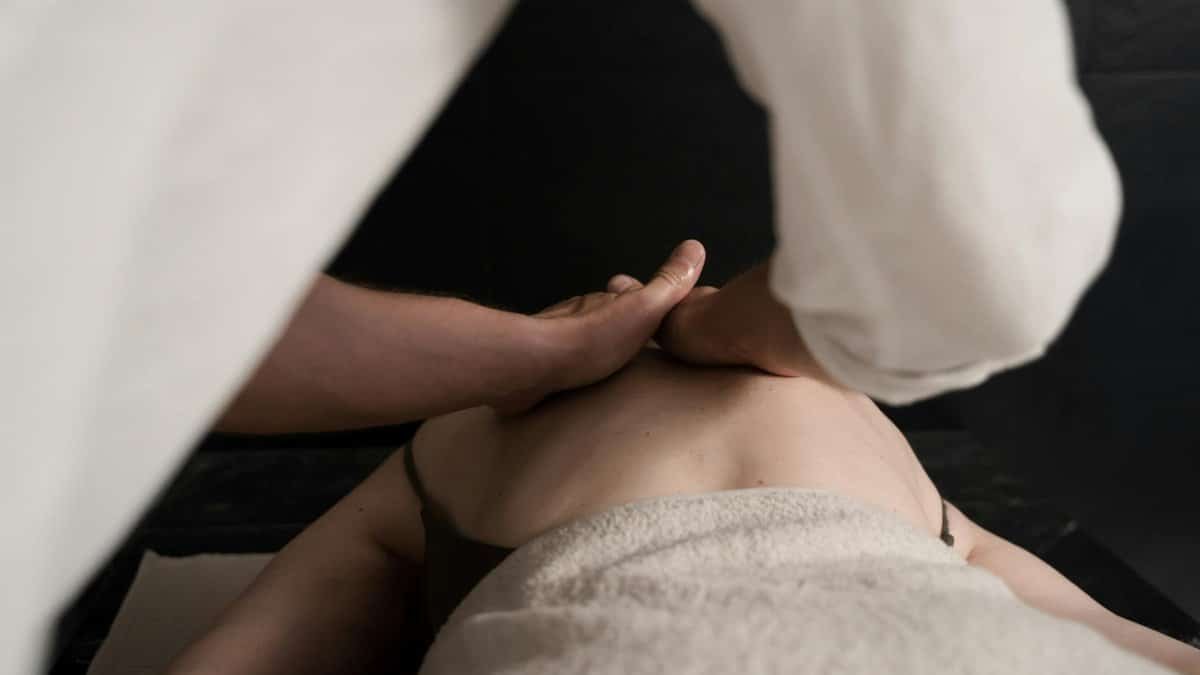
Resorts in Arizona’s deserts or California’s spas offer curated programs for those navigating upheaval. Here, major transitions become structured journeys with yoga, therapy, and nutrition plans. It’s a deliberate investment in adaptation, where wellbeing trumps daily grind. According to a Wellness Tourism Association survey, participation has surged 25% among midlife adults seeking life resets.Wellness Tourism Association.
A guest might arrive frazzled from a career pivot, only to emerge revitalized after silent retreats and guided meditations. These environments foster vulnerability, with group sessions revealing universal struggles. However, the cost can be prohibitive, highlighting access disparities. For many, though, it’s the push needed to embrace change, blending luxury with profound inner work.
In 2025, these resorts adapt to digital detox trends, helping visitors unplug and reconnect inwardly.
6. International Havens for Cultural Immersion
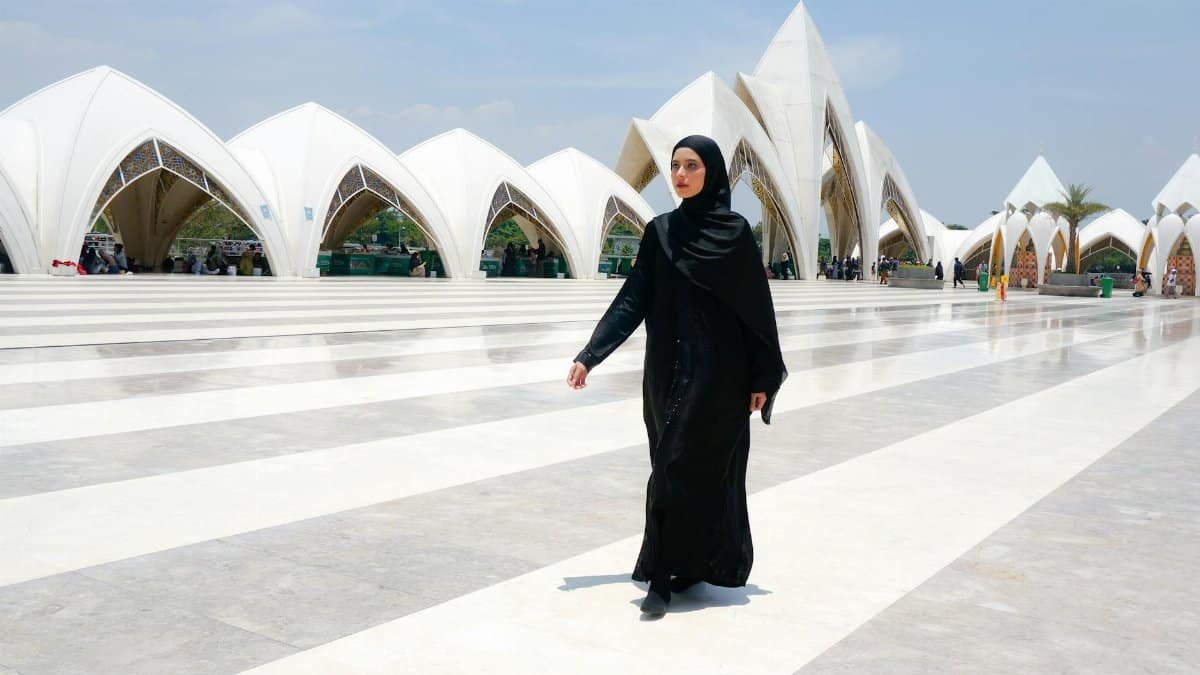
Venturing abroad to places like Bali’s serene villages or Tuscany’s rolling hills provides a cultural jolt that accelerates adaptation. During major transitions, life change, adaptation, immersion in new customs disrupts old patterns, sparking growth. The World Health Organization reports that cross-cultural experiences enhance resilience in times of personal flux.WHO on Cultural Experiences and Health.
Consider a traveler post-retirement, wandering Italian markets, learning to savor slow meals amid life’s haste. “It reframed my priorities,” they reflected. Yet, culture shock can compound transition stress, demanding quick adaptability. These havens appeal to those craving perspective, turning wanderlust into a tool for healing.
7. Home Transformations for Intimate Adaptation

Sometimes, the most profound location is one’s own home, reimagined as a sanctuary. Amid major transitions, people redesign spaces to support life change, adaptation, creating nooks for reflection or home gyms for renewal. A study from Harvard’s Joint Center for Housing Studies indicates that home modifications for wellness have increased 30% recently.Harvard Joint Center for Housing Studies.
One individual, facing health challenges, turned their living room into a meditation haven, complete with plants and soft lighting. This intimate approach allows gradual adaptation without travel’s upheaval. Challenges include motivation lulls, but the familiarity provides a safe base. In essence, it’s about claiming space for growth right where you are, a quiet revolution in personal wellbeing.
As trends evolve in 2025, these home-based strategies gain traction, proving that transformation often starts within four walls.