

In the quiet moments of reflection that often come with middle age, countless individuals find themselves confronting unexpected shifts in their physical stamina and mental sharpness. Aches that linger a bit longer, a sense of fatigue that creeps in earlier in the day, or mood fluctuations that seem uncharacteristic frequently serve as quiet signals that the body is changing. These common experiences often prompt a deeper look at daily habits, especially those involving what we eat and drink. As absorption rates decline and bodily demands evolve, paying close attention to nutrients over 50 health becomes essential for preserving independence, energy, and joy in the years ahead. Rather than accepting decline as inevitable, growing numbers of people are discovering that strategic choices around nutrition can support not only physical function but also mental clarity and emotional balance.
Why Nutrition Takes on New Importance After Fifty

The human body experiences distinct transformations past the half century mark. Muscle tissue begins to diminish, digestive efficiency can decrease, and hormonal fluctuations add new layers of complexity. What sustained us well in our thirties and forties may no longer deliver the same benefits. Medical organizations note that many adults over fifty absorb fewer nutrients from the same foods they have always eaten. This inefficiency makes intentional choices far more important than ever before.
Attention to nutrients over 50 health helps mitigate risks for frailty, cognitive fog, and reduced mobility. Physicians emphasize that small consistent adjustments can yield meaningful improvements in daily energy and long term resilience. The goal shifts from simple weight management to actively supporting the systems that allow us to remain engaged in work, family, and personal passions.
Protein: Combating the Loss of Muscle Mass

Protein emerges as a foundational element for adults past fifty. The body becomes less efficient at building and maintaining muscle, a condition that can accelerate without adequate intake. Consuming sufficient high quality protein supports strength, balance, and metabolic health. Many experts suggest aiming for twenty five to thirty grams per meal rather than concentrating intake in the evening.
Excellent sources include wild caught fish, pasture raised poultry, Greek yogurt, lentils, quinoa, and almonds. Those who prefer plant forward eating can combine legumes with grains to obtain complete amino acid profiles. Studies suggest that higher protein consumption in this age group correlates with better physical performance and reduced risk of falls. One analysis linked consistent intake with preservation of lean mass even among those who exercise moderately.
Calcium: Building Blocks for Bones That Last

Bone density naturally declines with age, making calcium a nutrient requiring deliberate focus. Postmenopausal women and men over fifty both face elevated risks for osteoporosis if stores remain inadequate. The body needs roughly one thousand to one thousand two hundred milligrams daily, yet many fall short because dairy consumption often decreases.
Fortunately diverse options exist beyond milk. Kale, broccoli, sardines with bones, fortified plant milks, and sesame seeds all contribute meaningfully. Absorption improves when paired with vitamin D and magnesium, illustrating how nutrients work together rather than in isolation. Consistent intake supports skeletal integrity and may reduce fracture risk substantially over decades.
Vitamin D: The Sunshine Nutrient That Requires More Attention

Our skin grows less efficient at producing vitamin D from sunlight as we age. Combined with more time spent indoors, this creates widespread insufficiency. This vitamin regulates calcium absorption, immune response, and mood stability. Deficiency has been associated with greater fatigue, weaker muscles, and elevated inflammation markers.
Many adults benefit from testing their levels and considering supplemental support under medical guidance. Food sources such as fatty fish, egg yolks, and fortified cereals help but rarely meet full needs in northern climates or during winter months. Maintaining optimal vitamin D status supports both physical vitality and the sense of wellbeing necessary for meaningful daily engagement.
Vitamin B12: Essential for Energy and Nerve Function

Stomach acid production tends to decrease after fifty, impairing absorption of vitamin B12 from food. This nutrient plays a central role in red blood cell formation, neurological health, and DNA synthesis. Insufficient levels can manifest as persistent tiredness, tingling in extremities, memory lapses, or low mood.
Animal products remain the most reliable sources, though fortified nutritional yeast and cereals offer alternatives for vegetarians and vegans. Regular blood testing helps identify problems early. Correcting a deficiency often brings noticeable improvements in energy and cognitive sharpness, reminding us how interconnected nutrition and daily experience truly are.
Omega Three Fatty Acids for Cardiovascular and Brain Protection
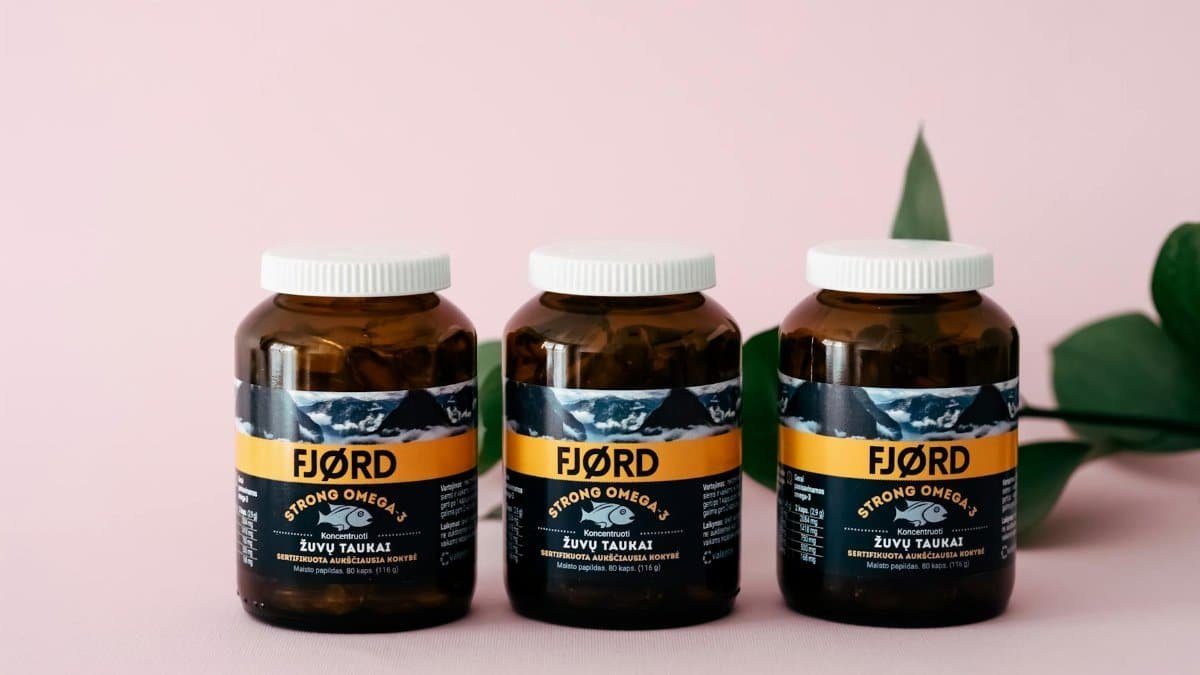
Omega three fatty acids earn particular respect for their anti inflammatory properties and support of heart and brain tissue. As risks for cardiovascular events rise after fifty, these fats help maintain flexible blood vessels and balanced cholesterol profiles. They also contribute to membrane health in brain cells, potentially supporting memory and emotional regulation.
Fatty fish consumed twice weekly provides the most direct form. Those who avoid fish can turn to algae based supplements or generous servings of walnuts, flax seeds, and chia. Research continues to suggest meaningful benefits for both cardiovascular outcomes and cognitive preservation when intake remains consistent over years.
Magnesium: A Mineral for Muscles, Mood, and More

Magnesium participates in over three hundred biochemical reactions including muscle relaxation, sleep regulation, and stress response. Many adults consume less than optimal amounts, and certain medications can further deplete stores. Insufficient magnesium often appears as muscle cramps, restless legs, anxiety, or difficulty sleeping.
Leafy greens, pumpkin seeds, black beans, and dark chocolate offer rich supplies. Some find that magnesium glycinate taken in the evening improves both sleep quality and next day calmness. This mineral quietly supports the physical foundation necessary for spiritual practices, creative work, and presence with loved ones.
Fiber: Fueling Digestion and Disease Prevention

Digestive transit time often slows with age, making fiber intake especially relevant. Adequate soluble and insoluble fiber supports healthy cholesterol, blood sugar stability, and robust gut microbiota. These microscopic communities influence everything from immunity to mood via the gut brain axis.
Whole grains, berries, artichokes, beans, and avocados deliver fiber alongside other valuable nutrients. Gradually increasing intake while drinking plenty of water prevents discomfort. The downstream effects extend far beyond digestion, contributing to sustained energy and reduced systemic inflammation.
Food First: Obtaining Nutrients from Natural Sources

Whole foods deliver nutrients in forms the body recognizes and absorbs efficiently. A colorful plate rich in vegetables, fruits, quality proteins, and healthy fats creates synergy that isolated supplements cannot replicate. Herbs, spices, and varied cooking methods further enhance both flavor and nutritional value.
Meal patterns that combine these elements throughout the day help stabilize blood sugar and provide steady energy. Cooking at home allows greater control over ingredients and portion sizes. Many discover renewed appreciation for simple preparations that honor both taste and bodily needs.
The Intersection of Nutrition and Spiritual Vitality

Nourishing the body can become a form of mindful practice that deepens connection to something larger than oneself. When energy stabilizes and mental fog lifts, many report greater capacity for gratitude, compassion, and presence. Proper nutrition supports the physical vessel that allows engagement with prayer, meditation, nature, and community service.
This perspective aligns with growing conversations in wellness circles that view self care as stewardship rather than vanity. Choosing foods that sustain long term health reflects respect for the life we have been given and the responsibilities we hope to fulfill in our later decades.
Recognizing the Signs That Something Is Amiss

Persistent fatigue, frequent muscle cramps, brittle nails, hair loss, balance issues, or mood changes may indicate nutrient gaps. Because these symptoms develop gradually, they are easy to dismiss as normal aging. Tracking patterns and discussing them with a knowledgeable healthcare provider often leads to simple solutions that restore quality of life.
Regular blood work provides objective data beyond how we feel on any given day. Many adults discover through testing that one or two targeted adjustments produce outsized improvements. Early attention prevents minor issues from compounding into larger health challenges.
Practical Steps to Monitor Your Intake

Keeping a food diary for one week reveals patterns that might otherwise remain invisible. Consulting a registered dietitian familiar with midlife needs can translate data into personalized recommendations. Some adults benefit from weekly meal preparation that ensures balanced options are always available.
Smart phone applications can estimate nutrient intake, though they work best as rough guides rather than absolute measures. The most successful approaches combine technology with intuition, learning to notice how different foods affect personal energy and mood. Consistency matters more than perfection.
Embracing a Holistic View of Health in Later Years

Nutrition represents one strand in a larger tapestry that includes movement, sleep, social connection, and purpose. When these elements support one another, the cumulative effect often exceeds what any single intervention can achieve. Adults who adopt this broader lens frequently report greater satisfaction and fewer chronic complaints.
The years after fifty can become a time of refinement rather than restriction. With knowledge about nutrients over 50 health and attention to individual responses, many people experience renewed vitality and deeper appreciation for simple daily pleasures. Informed choices today help shape a future characterized by capability, curiosity, and continued contribution.