

A recent study from the Pew Research Center shows that nearly 60% of Americans report feeling overwhelmed by daily stresses, up from 45% just a decade ago. This surge highlights a growing need for strategies that foster calm amid chaos. Enter habits, inner-balance, modern—simple routines blending ancient wisdom with today’s fast-paced demands. From mindfulness apps to intentional breaks, these practices help people reclaim equilibrium. In bustling cities like New York or Los Angeles, more folks are turning to them not as luxuries, but necessities. As we navigate 2025’s uncertainties, from remote work pressures to constant connectivity, these habits offer a quiet rebellion against burnout. They promise not just survival, but a more centered way of living.
1. Starting with Mindful Breathing
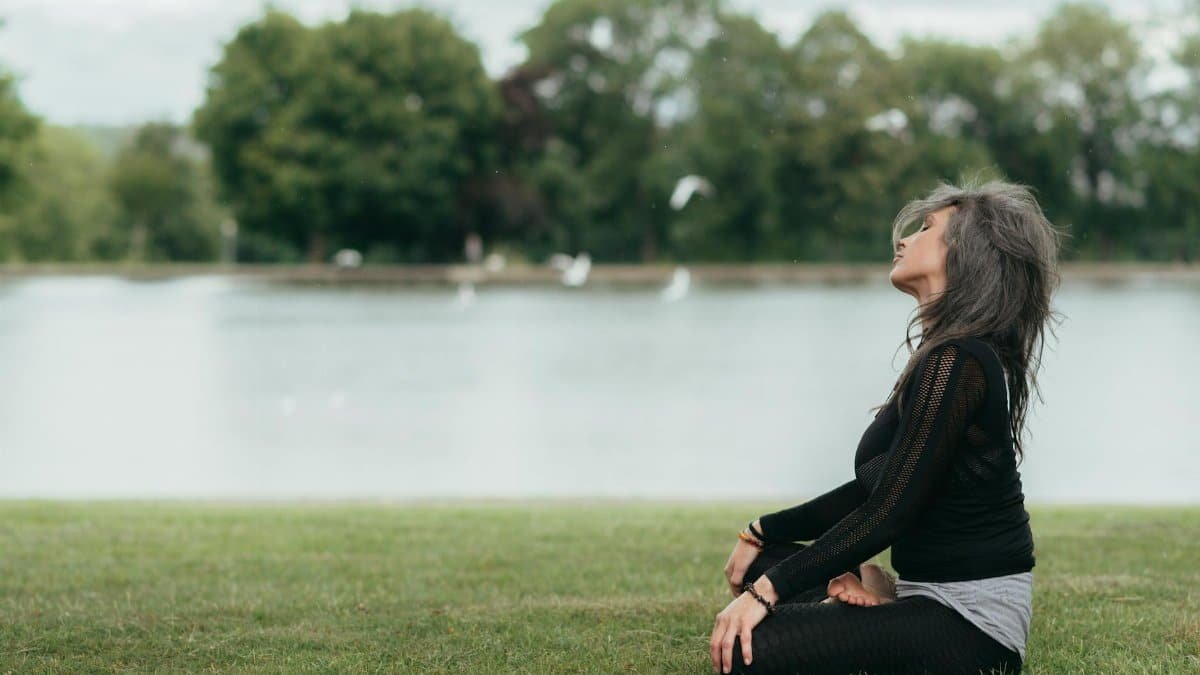
Breath work stands out as a cornerstone for inner balance. It sounds basic, yet its power lies in accessibility. Imagine a busy executive in Chicago, pausing amid emails to inhale deeply for five minutes. This isn’t mere relaxation; it’s a reset button for the nervous system. Research backs it up. A study from the National Institutes of Health links regular deep breathing to reduced cortisol levels, easing anxiety in everyday scenarios.
But let’s make it vivid. One anonymous account shared online described feeling “like a storm was raging inside” during a high-stakes meeting. A few focused breaths shifted everything, turning panic into poise. In modern life, where notifications buzz endlessly, this habit cuts through the noise. Try it during commutes or before bed. Over time, it builds resilience, much like training a muscle. The beauty? No equipment needed, just intention.
Experts at Harvard Medical School emphasize how such practices rewire the brain for better focus. In 2025, with hybrid work models dominating, incorporating mindful breathing can transform mundane moments into opportunities for clarity. It’s not about escaping reality, but engaging it more fully.NIH Study on Mindfulness details these benefits, showing measurable improvements in mental health metrics.
2. Embracing Digital Detox Periods

What if stepping away from screens became your secret weapon? Digital detoxes encourage intentional unplugging, a direct counter to the always-on culture. Picture a family in Seattle deciding to go device-free every Sunday evening. Laughter fills the room instead of scrolling sounds. This habit fosters deeper connections and mental space.
Delving deeper, it’s about reclaiming attention. The American Psychological Association reports that excessive screen time correlates with heightened stress. By setting boundaries—like no phones at dinner—people report feeling more present. One person’s story, drawn from public discussions, highlighted rediscovering hobbies lost to endless feeds: “I picked up painting again, and it felt like meeting an old friend.”
Transitioning smoothly, this practice aligns with broader U.S. trends toward wellness tech limits. In 2025, apps ironically help enforce these breaks, tracking usage and suggesting pauses. Yet the real change comes from within. It’s a gentle nudge toward balance, preventing digital fatigue from overshadowing joy. For credibility, check the APA’s Stress Resources, which outline strategies for managing tech overload.
3. Incorporating Daily Movement Rituals

Movement isn’t just exercise; it’s a pathway to inner harmony. Think yoga flows or brisk walks that sync body and mind. In Denver’s parks, groups gather at dawn for tai chi, their motions a silent symphony against urban rush. This habit enhances modern lifestyles by channeling energy productively.
Shifting gears, consider the science. The Centers for Disease Control and Prevention note that regular physical activity boosts endorphins, combating depression. But it’s the ritual aspect that sticks—making it a non-negotiable part of the day. A brief anecdote: A teacher in Atlanta started with short home workouts, evolving into a routine that “grounds me before the classroom chaos.”
Habits, inner-balance, modern like this thrive on consistency over intensity. In a year like 2025, with sedentary jobs prevalent, weaving in movement prevents stagnation. It invites reflection amid action, perhaps pondering life’s rhythms while stretching. Dive into the CDC Physical Activity Guidelines for evidence-based tips that support long-term well-being.
4. Cultivating Gratitude Journaling
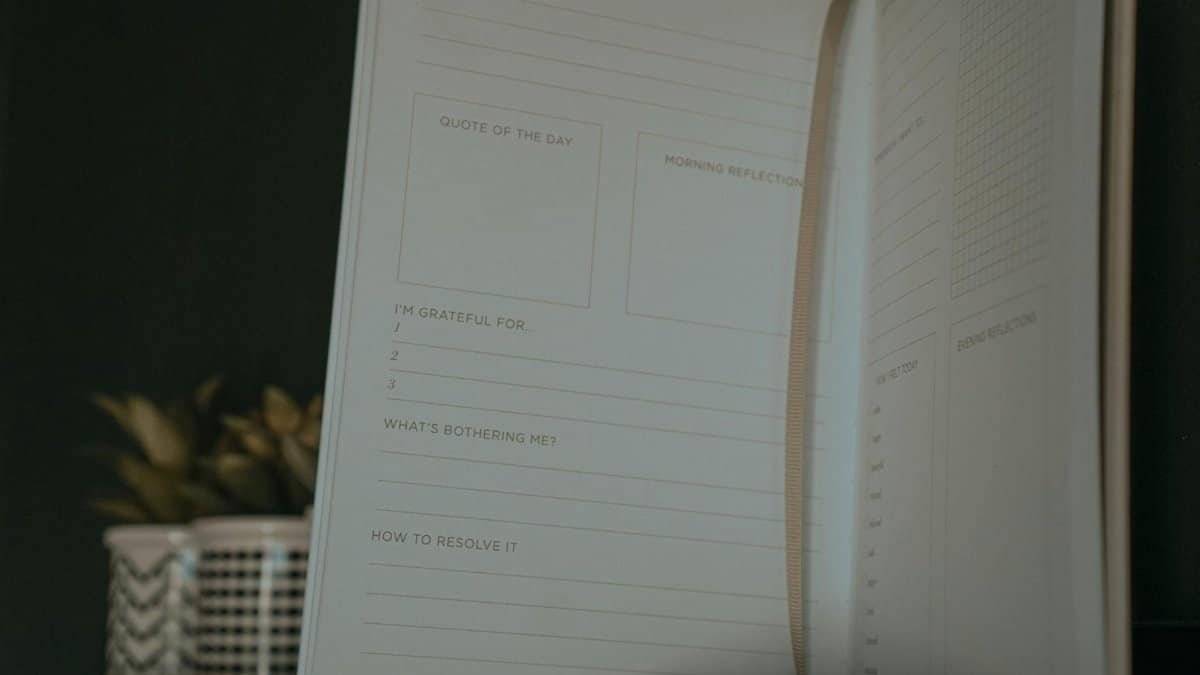
Gratitude journaling flips the script on negativity. It involves noting three things you’re thankful for each night, a small act with big ripples. In small-town Texas, a retiree credits this for shifting from worry to appreciation, especially post-pandemic.
Let’s explore why it works. Positive psychology research from the University of California, Berkeley, shows it increases happiness by 25% over time. The key is specificity—detailing why something matters. Online forums buzz with stories of people overcoming slumps: One shared how journaling “turned my insomnia into a moment of peace.”
Building on that, this habit integrates seamlessly into modern routines. Amid 2025’s economic fluxes, it fosters resilience. No fancy tools required; a notebook suffices. Over weeks, patterns emerge, revealing sources of joy often overlooked. For deeper insights, the Greater Good Science Center at UC Berkeley provides compelling data on its transformative effects.
5. Nurturing Nature Connections

Stepping into nature recalibrates the soul. Whether forest bathing or urban gardening, it counters the isolation of screen-dominated days. Visualize a hiker in the Appalachian trails, where rustling leaves drown out city worries. This habit reminds us of our place in a larger world.
From another angle, studies affirm its value. The National Park Service highlights how time outdoors lowers blood pressure and improves mood. In bustling metros, even balcony plants can mimic this effect. A shared experience: Someone anonymously posted about weekly park visits that “melt away work stress, like shedding a heavy coat.”
Habits, inner-balance, modern emphasize accessibility here. In 2025, with climate awareness rising, these connections also spark environmental stewardship. It’s a two-way street—nature heals, and we protect it. Explore the NPS Health Benefits of Nature for research underscoring these links.
6. Prioritizing Restful Sleep Routines

Sleep isn’t passive; it’s an active pursuit of renewal. Establishing wind-down rituals—like dim lights and no screens—sets the stage for quality rest. In San Francisco’s tech hub, professionals swear by this to combat innovation fatigue.
Consider the ripple effects. The Sleep Foundation’s data reveals that consistent routines enhance cognitive function. But it’s the personal touch that matters: One individual recounted creating a “sleep sanctuary” with herbal tea and reading, transforming restless nights into restorative ones.
Linking to broader trends, 2025 sees a boom in sleep tech, yet basics remain king. This habit bolsters inner balance by ensuring energy for daily demands. It invites introspection, perhaps reviewing the day gently before drifting off. For solid backing, the Sleep Foundation’s Hygiene Tips offer practical, evidence-based advice.
7. Fostering Meaningful Social Bonds

Finally, building authentic relationships anchors us. It’s about quality over quantity—deep conversations that nourish the spirit. In community centers across the Midwest, book clubs thrive, weaving connections that buffer life’s storms.
Rhetorically, why does this matter? Harvard’s long-running Grant Study finds strong ties predict happiness more than wealth. Habits, inner-balance, modern shine here by encouraging vulnerability. A snapshot: A young professional in Miami joined a support group, finding “the courage to share burdens lifted them entirely.”
As we wrap this exploration, remember these bonds evolve with technology, like virtual meetups blending old and new. In 2025, amid social media’s superficiality, intentional habits reclaim depth. The Harvard Grant Study Overview illuminates how relationships fuel longevity and joy.
These seven habits weave a tapestry of calm in our hectic world. They don’t demand overhauls, just steady commitment. As Americans grapple with modern pressures, embracing them could redefine what balance means.