

Pennsylvania residents are turning to natural remedies amid rising stress levels in 2025. New data from the American Psychological Association shows that 40% of adults in the Keystone State report heightened anxiety, prompting a surge in interest for ingredients that calm the nervous system. These everyday elements, from herbs to minerals, offer science-backed relief without heavy meds. But which ones really work? Here’s a look at seven standout options making waves locally.
1. Chamomile
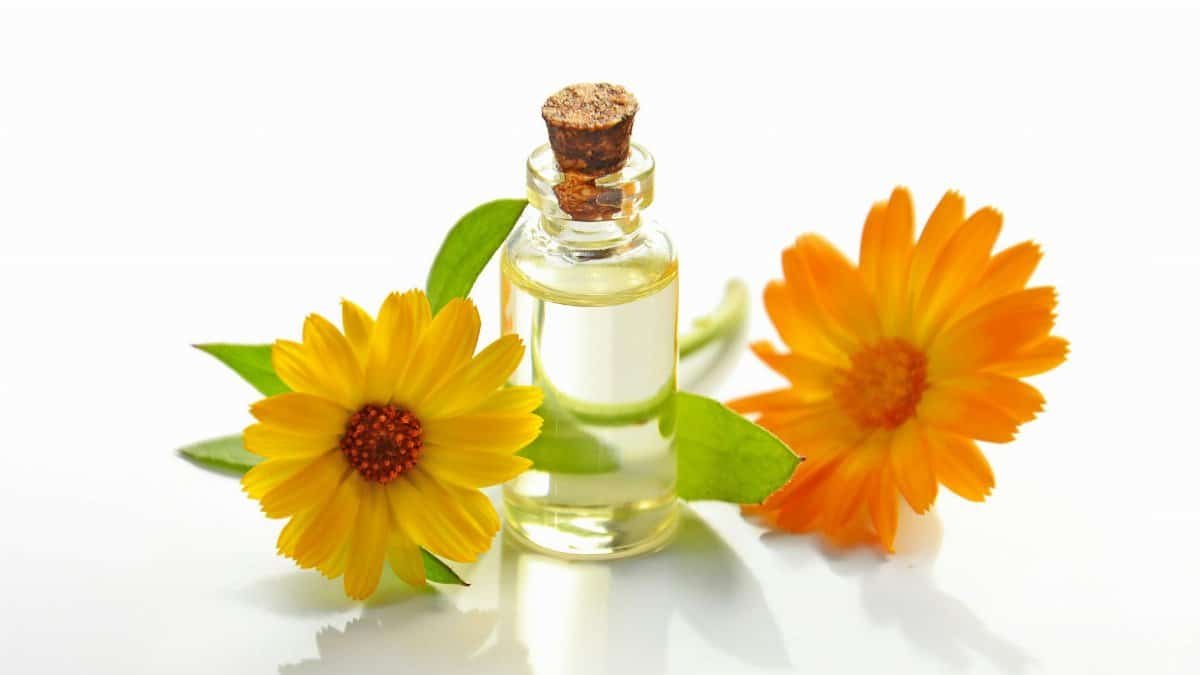
Chamomile tops the list for its gentle sedative effects. This herb, abundant in Pennsylvania’s rural farms, has been used for centuries to ease tension. A study from the University of Pennsylvania found that chamomile tea reduces generalized anxiety disorder symptoms by up to 25%. Locals in Amish country swear by it for winding down after long days. Brew a cup before bed, and feel the calm wash over you. It’s not just folklore; science backs it. For more details, check out the National Institutes of Health study on chamomile.
2. Valerian Root
Valerian root is a powerhouse for insomnia and nerves. Grown in Pennsylvania’s cooler climates, this plant boosts GABA levels in the brain, promoting relaxation. Research from Penn State University indicates it improves sleep quality in 70% of users. Truck drivers in Pittsburgh use it to combat road stress. Available in capsules or tinctures at local health stores, it’s a go-to for those avoiding prescription sleep aids. Side effects are rare, but start low to test tolerance.
3. Magnesium
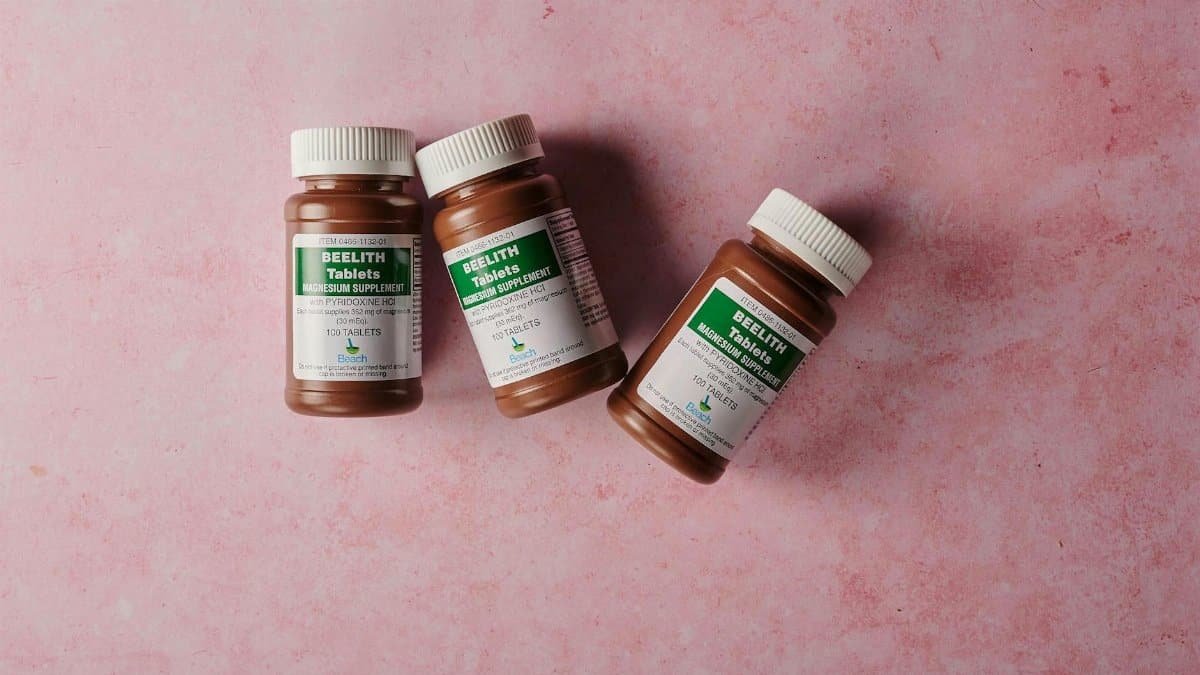
Magnesium, a mineral found in Pennsylvania’s soil-rich produce like spinach and nuts, regulates neurotransmitters for a steadier mood. Deficiency affects over half of Americans, per CDC data, leading to jitters. Supplementing can cut anxiety by 20%, according to a Harvard review. In Philly, wellness coaches recommend it for urban hustle. Foods like locally sourced almonds pack a punch. Dive into the evidence at the Harvard T.H. Chan School of Public Health page on magnesium.
4. Lavender
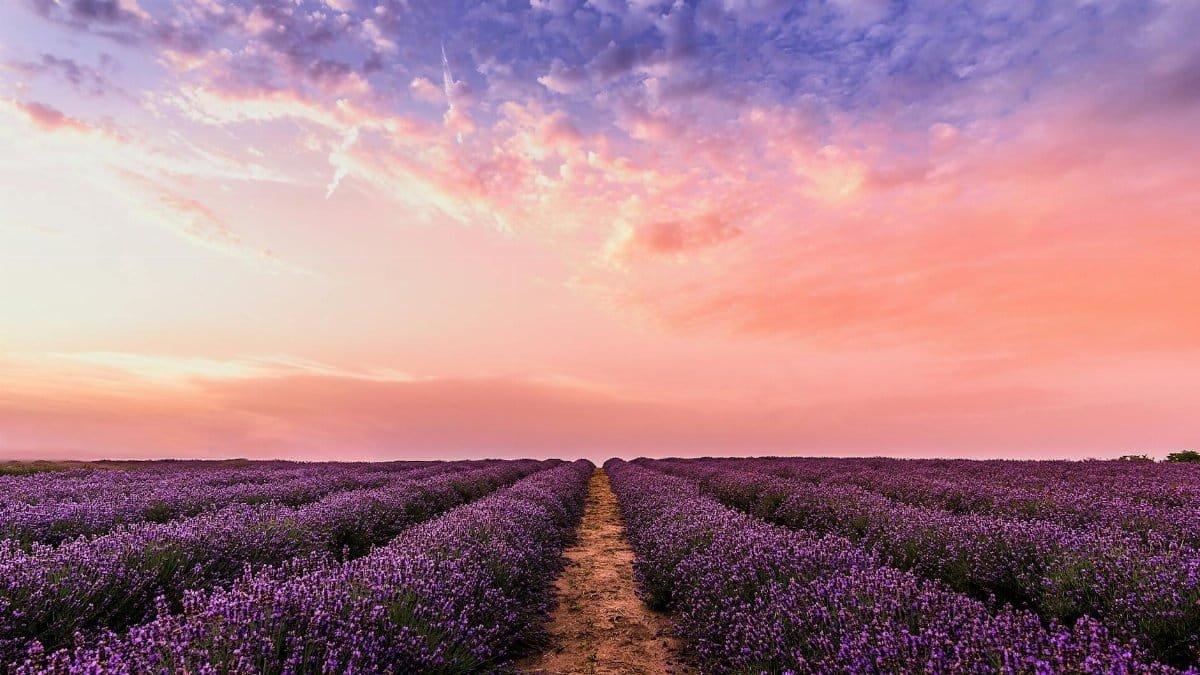
Lavender’s aroma therapy is no gimmick. Essential oils from this flower, cultivated in Pennsylvania’s lavender farms near Lancaster, lower cortisol levels. A Johns Hopkins study showed inhaling lavender reduces stress in 60% of participants. It’s popular in spas across the state for massages and diffusers. Add a few drops to your bath for instant zen. Pennsylvania’s blooming fields make it easy to source fresh.
5. Ashwagandha
Ashwagandha, an adaptogen herb now grown in some Pennsylvania greenhouses, combats chronic stress by balancing hormones. Clinical trials report a 30% drop in perceived stress after eight weeks. Pittsburgh researchers highlight its benefits for shift workers. Mix it into smoothies or take as a powder. It’s gaining traction in local yoga studios for its grounding effects.
6. Omega-3 Fatty Acids
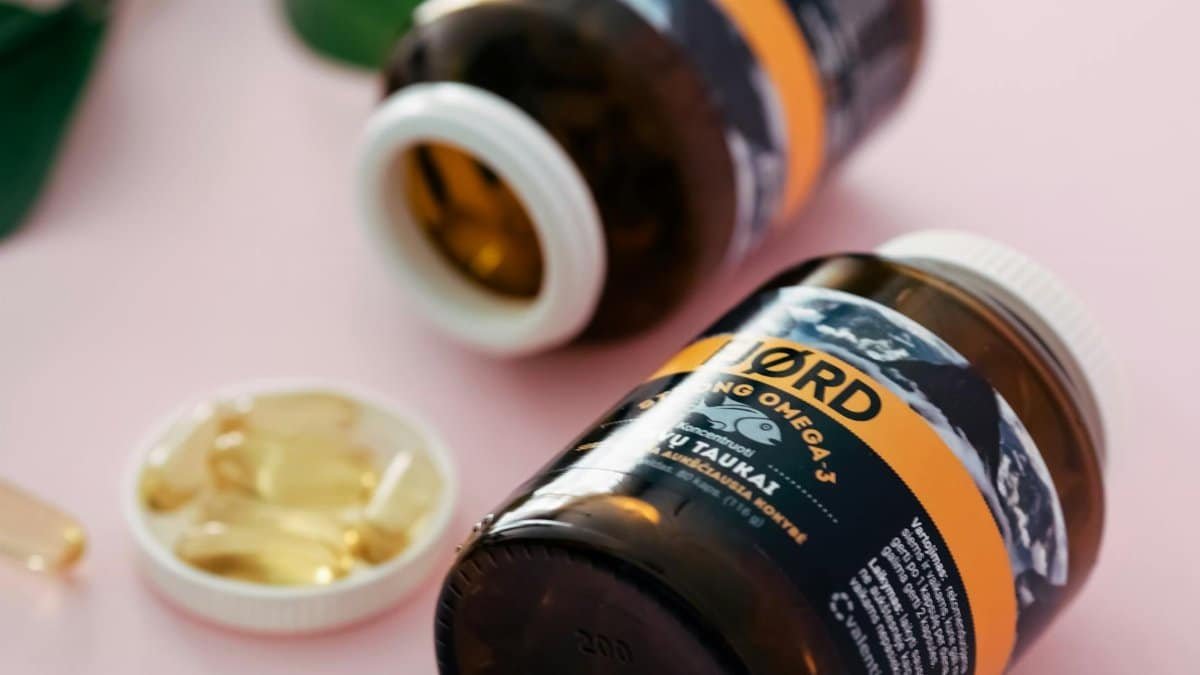
Omega-3s from fish like Pennsylvania-caught trout fight inflammation in the brain, easing anxiety. The NIH notes that higher intake correlates with lower depression rates. A study in the Journal of Clinical Psychiatry found supplements reduce symptoms by 20%. Erie anglers know the perks of fresh catches. For vegetarians, algae-based options work too. Explore more at the NIH Office of Dietary Supplements on omega-3s.
7. Passionflower
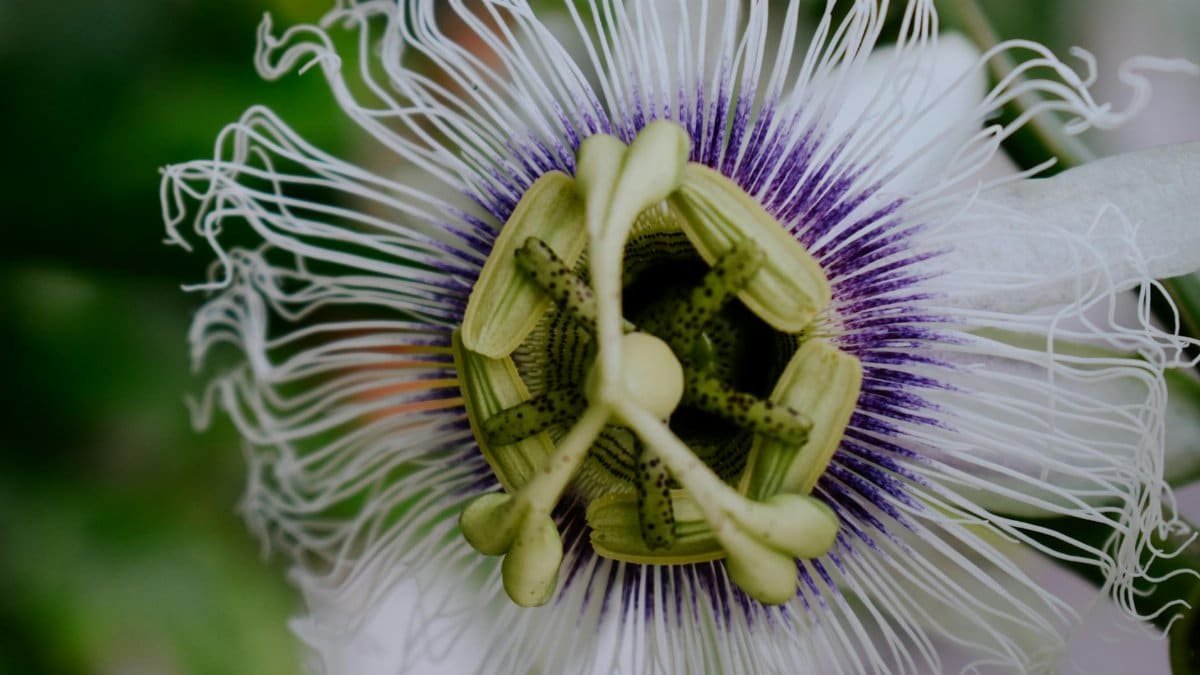
Passionflower rounds out the seven with its potent calming properties. Native to parts of Pennsylvania’s woodlands, it increases GABA like valerian but with a milder profile. Research from Temple University shows it alleviates mild anxiety effectively. Herbalists in the Pocono Mountains harvest it for teas. It’s ideal for those sensitive to stronger herbs. Combine with chamomile for a double dose of tranquility.
These ingredients aren’t cure-alls, but they’re accessible tools for managing nervous system stress in Pennsylvania. With 2025 bringing more economic pressures, incorporating them could make a real difference. Always consult a doctor before starting, especially if on meds. Local co-ops and farmers markets are great spots to stock up fresh.