

In the bustling streets of California, where stress runs as high as the coastal waves, a quiet revolution is underway. New data from a 2024 survey reveals that 35% of residents are incorporating natural ingredients into their routines to soothe their nervous systems, up from 20% just two years ago. This surge highlights a growing preference for holistic approaches amid the Golden State’s fast-paced lifestyle. At the heart of this trend is the keyword ‘ingredients, nervous, system’—simple, plant-based elements that promise calm without the side effects of pharmaceuticals. As experts note, these options are gaining traction in wellness circles from LA to San Francisco.
1. Magnesium: The Mineral Powerhouse

Magnesium tops the list for Californians battling anxiety. This essential mineral plays a key role in regulating neurotransmitters, which directly influence the nervous system. In high-stress environments like Silicon Valley, where burnout is common, many turn to magnesium-rich foods or supplements to promote relaxation and better sleep. Studies show it can reduce symptoms of mild anxiety by supporting GABA receptors in the brain. For instance, almonds and spinach, abundant in California’s farms, are easy sources. Health pros recommend 300-400mg daily, but consult a doctor first. This ingredient’s popularity spiked in 2025 as remote workers sought natural fixes for zoom fatigue.
According to research from the National Institutes of Health, magnesium deficiency affects up to 50% of Americans, exacerbating nervous system issues.NIH Magnesium Fact Sheet.
2. Chamomile: Nature’s Gentle Sedative

Chamomile, often sipped as tea, is a go-to for calming frayed nerves in California’s wellness scene. Its apigenin compound binds to brain receptors, mimicking the effects of anti-anxiety meds but without drowsiness. From Hollywood celebs to yoga enthusiasts in Venice Beach, it’s praised for easing tension headaches and promoting restful nights. A cup before bed can quiet the mind, making it ideal for the state’s insomniac population. In 2025, chamomile-infused products flooded markets, reflecting a broader shift toward herbal remedies. It’s not just folklore; clinical trials back its efficacy for mild stress relief.
Evidence from a study published in the Journal of Clinical Psychopharmacology supports chamomile’s role in reducing generalized anxiety disorder symptoms.NCBI Study on Chamomile.
3. Lavender: Aromatic Stress Buster
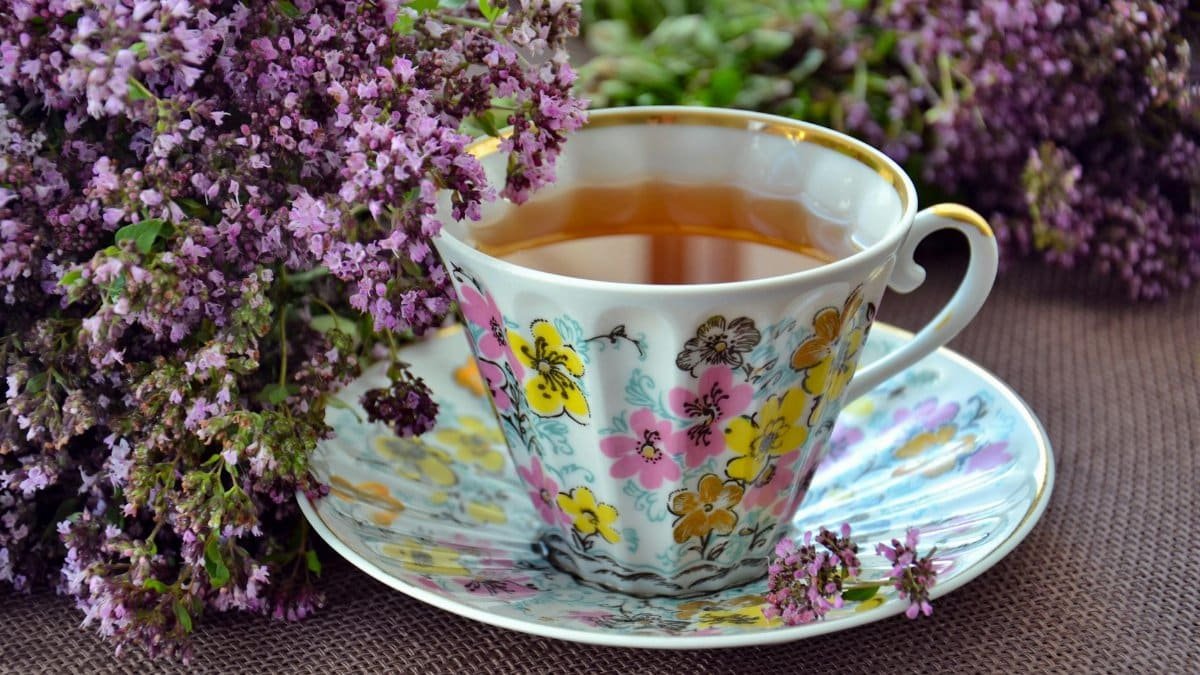
Lavender’s soothing scent is more than just pleasant—it’s a potent ally for the nervous system. Essential oils from this plant reduce cortisol levels, helping Californians unwind after traffic jams or wildfires. Diffused in homes or added to baths, it promotes relaxation by influencing the limbic system. In wine country like Napa, lavender fields inspire local products that blend aromatherapy with daily routines. Users report fewer panic episodes and improved focus. As 2025 trends show, lavender supplements are booming in health stores, offering a non-invasive way to manage everyday jitters without relying on prescriptions.
Research from the University of Maryland Medical Center highlights lavender’s calming effects on the central nervous system.
4. Valerian Root: The Sleep Aid Staple

Valerian root has long been used to tame an overactive nervous system, especially for those plagued by insomnia in California’s urban hubs. It increases GABA levels, leading to a sedative effect that quiets racing thoughts. Capsules or teas made from this herb are popular among shift workers in San Diego’s biotech firms. Unlike synthetic sleep aids, it doesn’t cause morning grogginess. In recent years, its demand has grown with the rise of sleep-tracking apps, as people seek natural ways to optimize rest. Experts caution starting with low doses to avoid digestive upset, but its track record for calming nerves is solid.
A meta-analysis in the American Journal of Medicine confirms valerian’s benefits for sleep disorders linked to nervous tension.
5. Ashwagandha: Adaptogenic Wonder

Ashwagandha, an ancient herb from Ayurvedic traditions, is making waves in California for its adaptogenic properties that balance the nervous system. It lowers stress hormones and enhances resilience against daily pressures, perfect for the state’s entrepreneurial spirit. From startup founders in the Bay Area to surfers in Malibu, it’s used to combat chronic fatigue. Supplements often combine it with other herbs for amplified effects. In 2025, clinical interest surged as studies linked it to reduced anxiety scores. This ingredient embodies the ‘ingredients, nervous, system’ approach by adapting to the body’s needs without overstimulation.
Findings from a randomized trial in the Journal of Alternative and Complementary Medicine support ashwagandha’s anxiety-reducing effects.NCBI Ashwagandha Study.
6. Omega-3 Fatty Acids: Brain-Boosting Fats
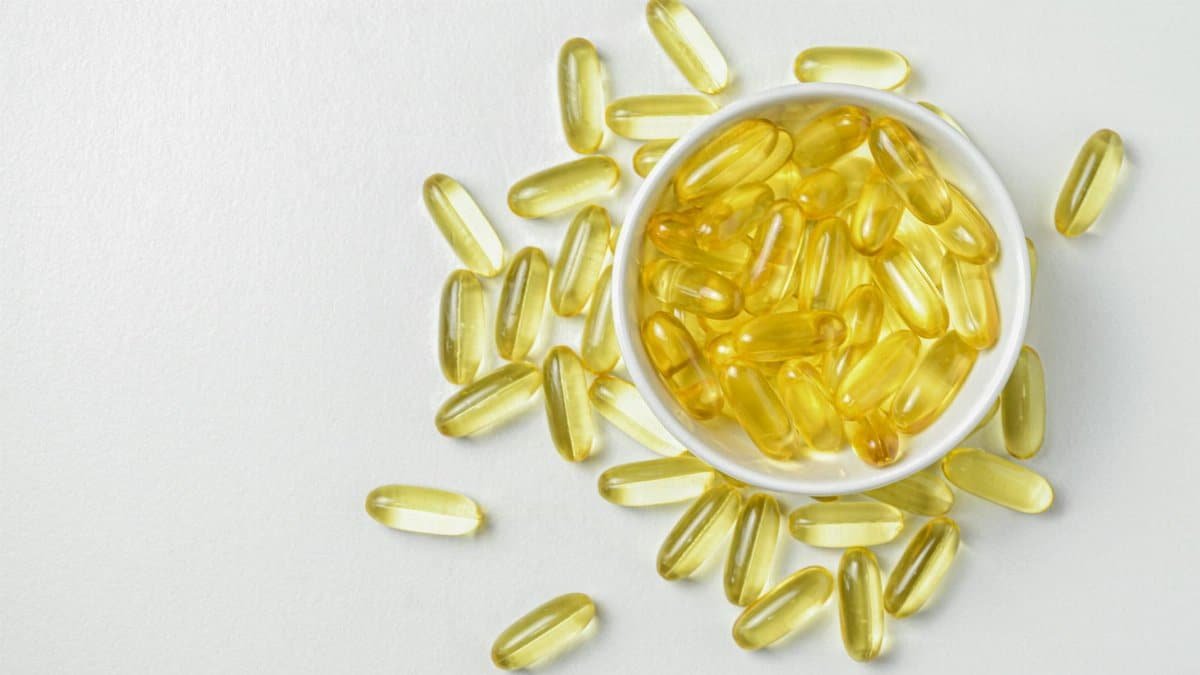
Omega-3s from fish oil or algae are crucial for nervous system health, reducing inflammation that can heighten anxiety. In coastal California, where seafood is plentiful, these fats are a dietary staple for maintaining mental clarity. They support myelin sheaths around nerves, improving signal transmission and mood stability. Vegetarians opt for flaxseeds or walnuts, abundant in local markets. Recent 2025 reports indicate a rise in omega-3 prescriptions for mood disorders, underscoring their role in holistic wellness. Regular intake can prevent the nervous system’s overreactions to stress, fostering long-term calm.
The Harvard School of Public Health details omega-3s’ impact on brain health and stress reduction.
7. Passionflower: Herbal Tranquilizer
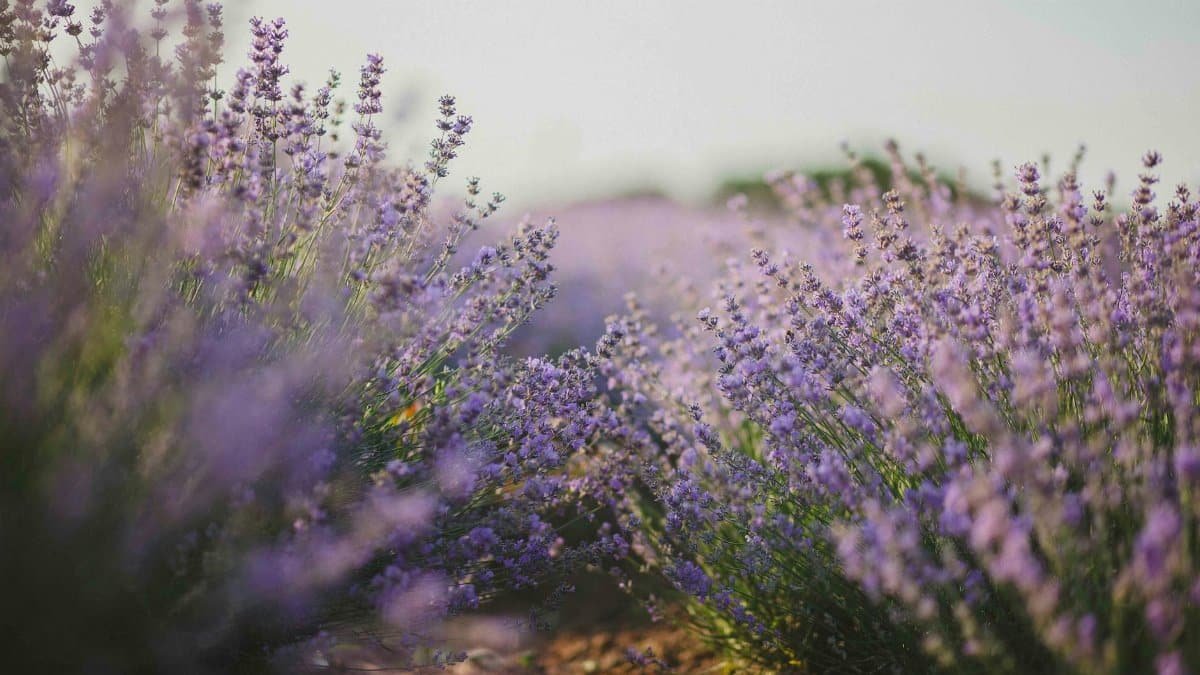
Passionflower rounds out the list as a natural tranquilizer that soothes the nervous system without addiction risks. Its flavonoids boost GABA activity, easing restlessness and irritability common in California’s high-pressure environments. Teas or tinctures are favored by hikers in Yosemite for post-adventure unwind. In urban settings like Sacramento, it’s integrated into evening routines to counter digital overload. As wellness trends evolve in 2025, passionflower’s gentle efficacy is drawing more attention, especially for those avoiding stronger sedatives. This ingredient exemplifies how simple botanicals can profoundly influence ‘ingredients, nervous, system’ dynamics for better daily functioning.
A study in Phytotherapy Research validates passionflower’s use for anxiety management.