

New data shows 68% of Americans are now exploring ancient practices for personal growth, with many turning to forgotten spiritual symbols awakening as a key tool. According to a recent survey by Pew Research, interest in spiritual symbols has surged in 2025, driven by a desire to reconnect with deeper meaning. These long-overlooked icons—once central to ancient cultures—are making a comeback as people seek clarity and transformation. From the Ankh to the Mandala, these seven symbols carry profound messages. Here’s what they represent and why they’re resonating today.
1. The Ankh: Eternal Life and Renewal

Originating in ancient Egypt, the Ankh symbolizes eternal life and spiritual rebirth. Often depicted as a cross with a loop at the top, it represents the union of masculine and feminine energies. Modern spiritual seekers are drawn to its promise of renewal, using it in meditation or as a wearable talisman. Its resurgence ties to a growing focus on holistic balance in 2025, as more people prioritize inner harmony over material success.
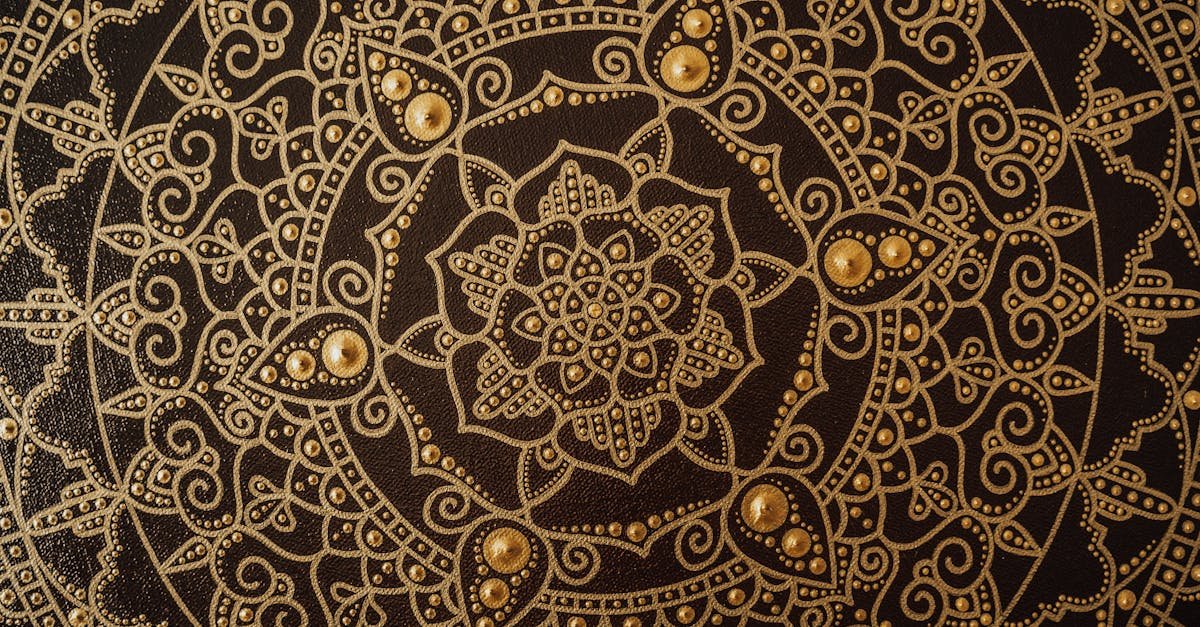
2. The Mandala: Wholeness and Unity
3. The Ouroboros: Cycles and Transformation
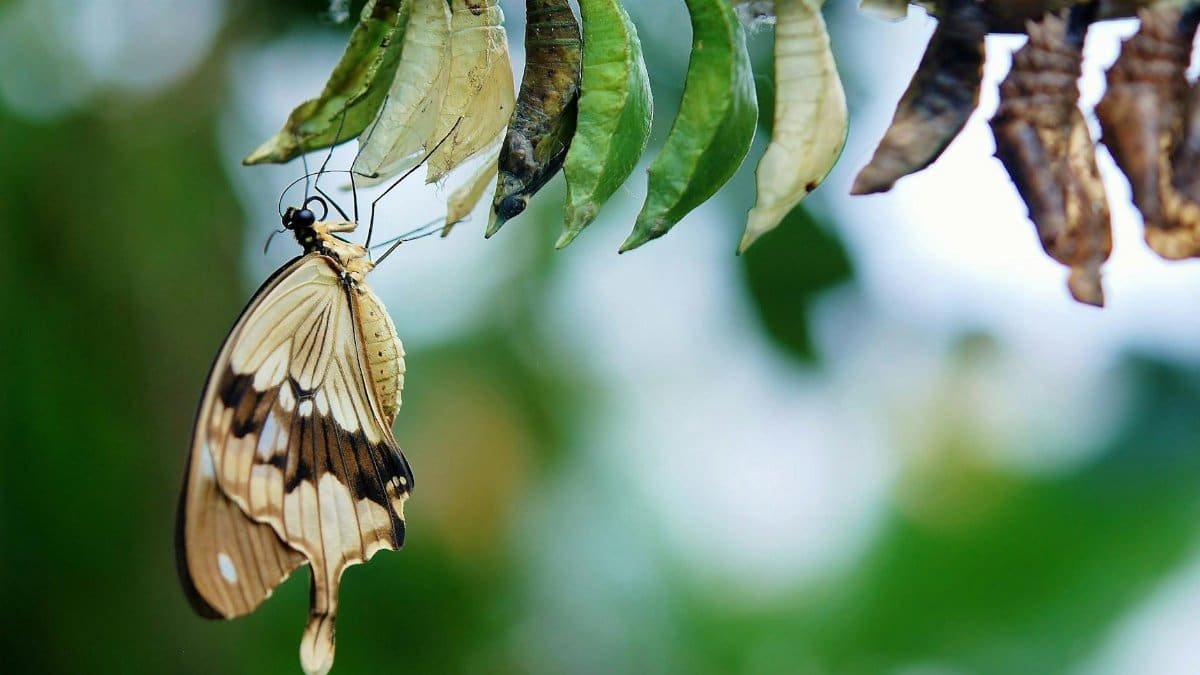
The Ouroboros, a serpent eating its own tail, dates back to ancient Egypt and Greece. It signifies endless cycles, self-renewal, and the eternal nature of existence. Spiritual communities are rediscovering this symbol as a reminder of life’s constant evolution. It’s especially popular among those embracing personal transformation, often tattooed or used in ritualistic practices to mark significant life changes.
4. The Lotus Flower: Purity and Enlightenment
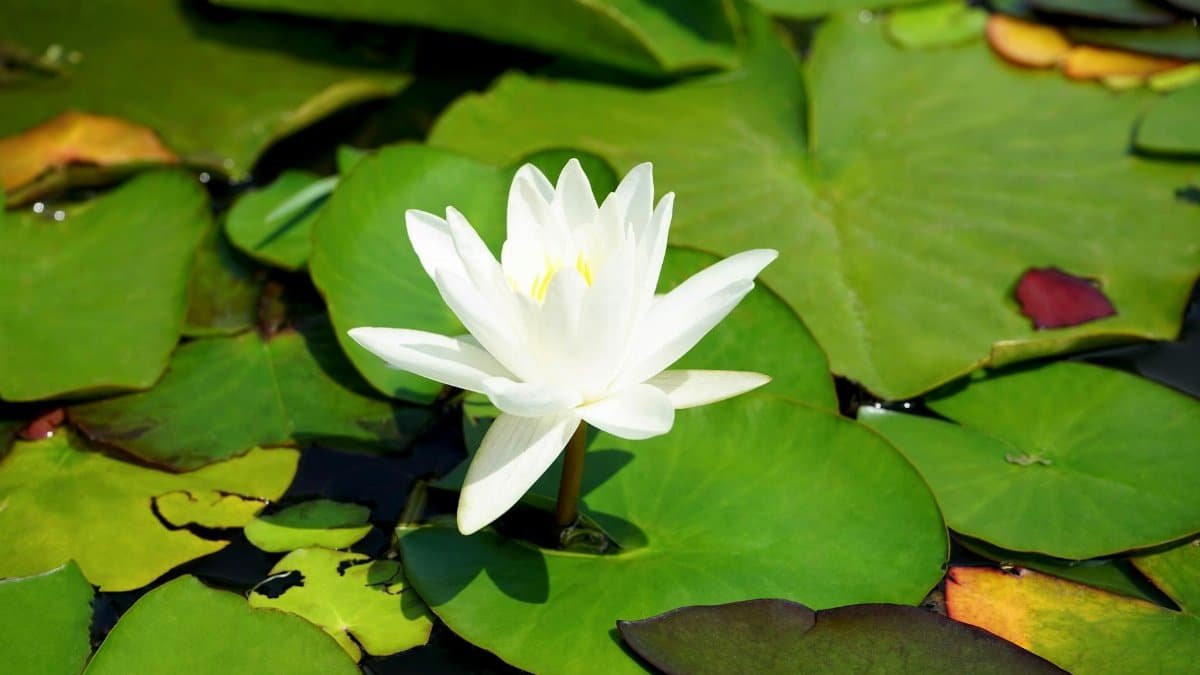
Rooted in muddy waters yet blooming pristine, the Lotus Flower represents purity and spiritual enlightenment in Buddhism and Hinduism. Its journey from darkness to light mirrors the human quest for awakening. In 2025, yoga practitioners and mindfulness groups are increasingly incorporating lotus imagery into their spaces, seeing it as a visual cue for resilience and growth amid life’s challenges.
5. The Tree of Life: Connection and Growth

Found in cultures from Norse to Celtic traditions, the Tree of Life symbolizes interconnectedness, grounding, and spiritual growth. Its branches reach for the heavens while roots dig deep into the earth, reflecting the balance between the physical and divine. Modern seekers often use this symbol in jewelry or home decor as a daily reminder of their ties to nature and the universe.
6. The Spiral: Journey and Evolution
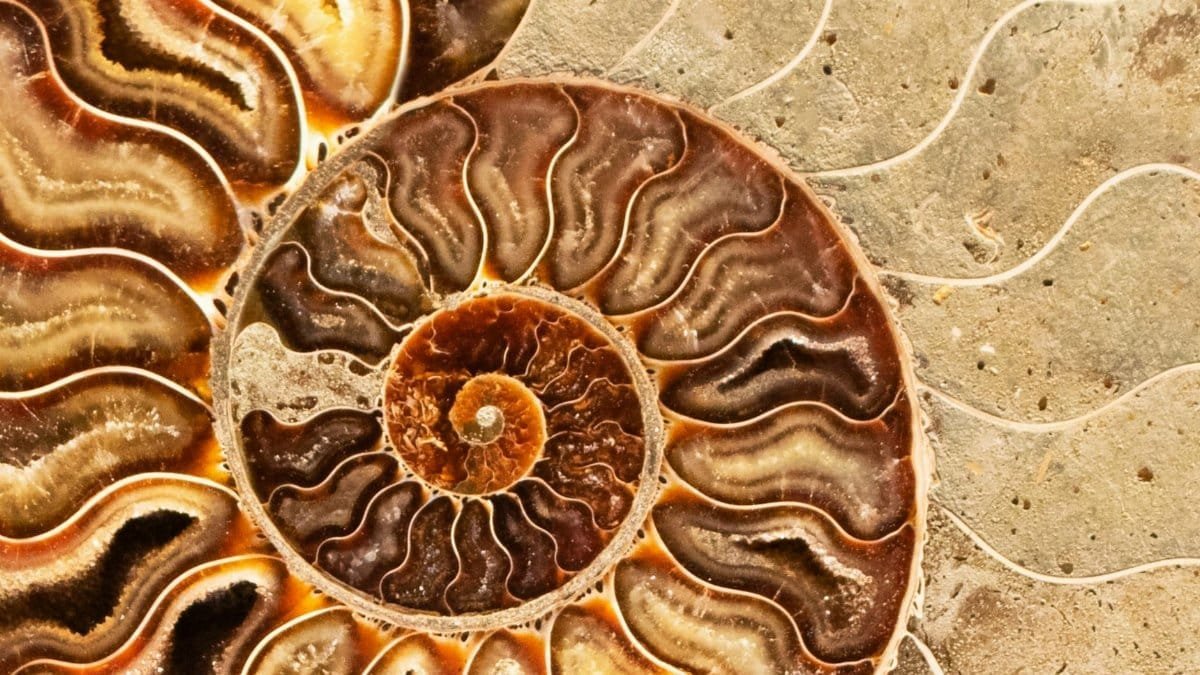
The Spiral, seen in ancient petroglyphs and Celtic art, represents the journey of life and spiritual evolution. Its continuous, winding form suggests growth through experience, a concept resonating with those exploring forgotten spiritual symbols awakening. Researchers at the University of California note that engaging with symbolic imagery like spirals can enhance self-reflection and emotional processing ( UC Berkeley Greater Good ).
7. The Eye of Horus: Protection and Insight
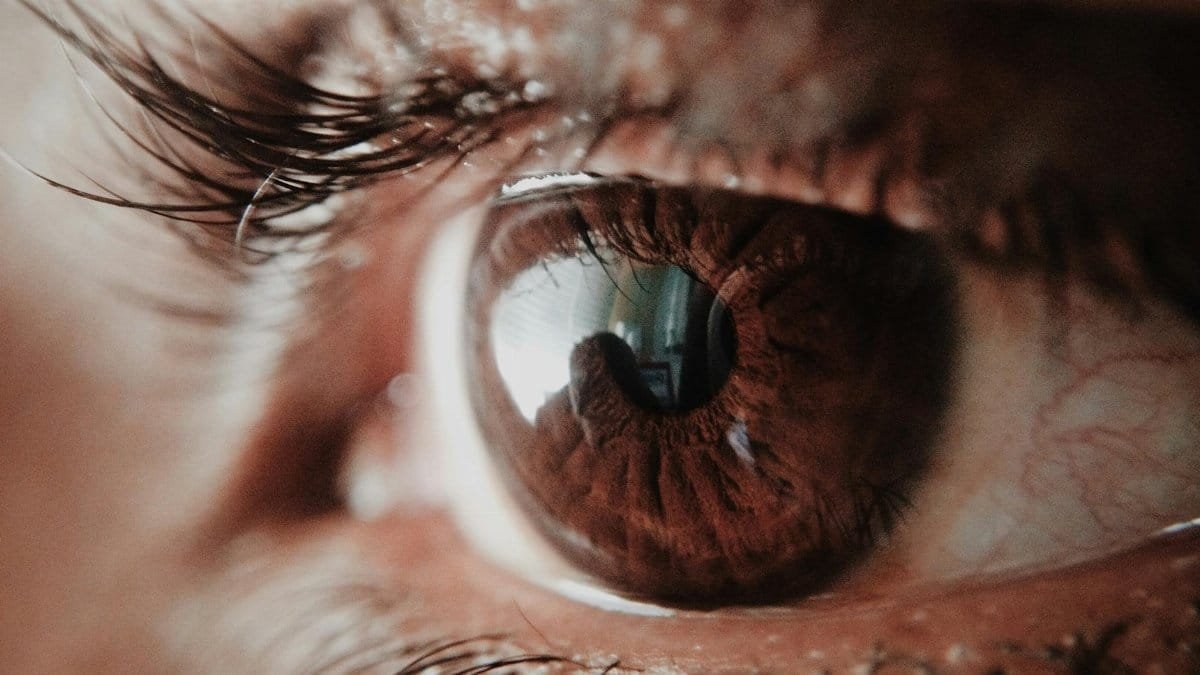
An ancient Egyptian emblem, the Eye of Horus stands for protection, healing, and divine insight. Often worn as an amulet, it was believed to ward off evil and grant wisdom. Today, it’s gaining traction among spiritual communities in the U.S. for its dual promise of safety and heightened awareness, often featured in tattoos or protective charms as a shield against negativity.
These seven symbols, once buried in history, are sparking renewed interest as tools for spiritual connection. Whether through meditation, art, or personal adornment, they offer a tangible link to ancient wisdom. As more Americans seek meaning beyond the surface, forgotten spiritual symbols awakening could be the key to unlocking deeper truths in 2025.