

In a bustling state like North Carolina, where the pace of life can feel relentless from the Research Triangle to the Blue Ridge Mountains, a recent poll by the American Psychological Association caught many off guard. It showed that 62% of residents report higher stress levels than the national average, often tied to work demands and economic pressures, up from 48% just five years ago. This surge underscores a growing need for simple, everyday strategies to find calm. Enter the concept of foods that reduce daily stress—nutrient-rich options that aren’t just about sustenance but about nurturing mental well-being. Drawing from local harvests and scientific insights, these foods offer a practical way to dial down tension without overhauling your routine. As we navigate 2025’s uncertainties, incorporating them could make all the difference in reclaiming a sense of balance.
1. Blueberries: Nature’s Antioxidant Boost

Blueberries thrive in North Carolina’s sandy soils, especially in the eastern counties where farms dot the landscape. These small berries pack a punch with antioxidants that combat oxidative stress, which often amplifies feelings of anxiety. Research from the National Institutes of Health highlights how flavonoids in blueberries support brain health, potentially easing the mental fog that comes with chronic tension.
Picture a farmer in Duplin County picking baskets under the summer sun, the berries staining fingers purple. One local resident shared in an online discussion how adding a handful to morning oatmeal shifted her day: “It was like flipping a switch—less overwhelm, more focus.” This isn’t mere folklore; a study linked regular berry consumption to lower cortisol levels, the hormone tied to stress responses.
Integrating blueberries doesn’t require fancy recipes. Toss them into salads or eat them straight from the fridge. In a state known for its blueberry festivals, like the one in Burgaw, they’re more than a crop—they’re a reminder of seasonal rhythms that ground us. Yet, availability can fluctuate with weather patterns, a tension that mirrors life’s unpredictability. Still, when they’re in season, they offer an accessible path to calmer nerves.
For deeper dives, the NIH study on flavonoids and brain health provides compelling evidence.
2. Sweet Potatoes: Grounding Comfort from the Soil

North Carolina leads the nation in sweet potato production, with fields stretching across the coastal plains. These tubers are rich in complex carbohydrates that stabilize blood sugar, preventing the crashes that fuel irritability and stress. Beta-carotene, abundant here, also supports adrenal function, key for managing daily pressures.
Consider the harvest season in places like Sampson County, where families gather for community suppers featuring roasted sweet potatoes. It’s a scene that evokes warmth, much like the vegetable’s effect on the body. A nutritionist in Raleigh once noted how clients reported steadier moods after swapping processed snacks for baked versions. This aligns with findings that steady energy levels foster emotional resilience.
But it’s not all straightforward. Some find the natural sweetness cloying if overdone, highlighting the need for balance in any stress-reduction strategy. Experiment with savory preparations, like mashed with herbs, to keep things fresh. In 2025, as urban farming gains traction in cities like Charlotte, growing your own could add a therapeutic layer, connecting eaters directly to the earth’s calming cycle.
Evidence backs this up through resources like the Harvard T.H. Chan School of Public Health’s guide on sweet potatoes.
3. Pecans: Crunchy Allies for Mood Stability
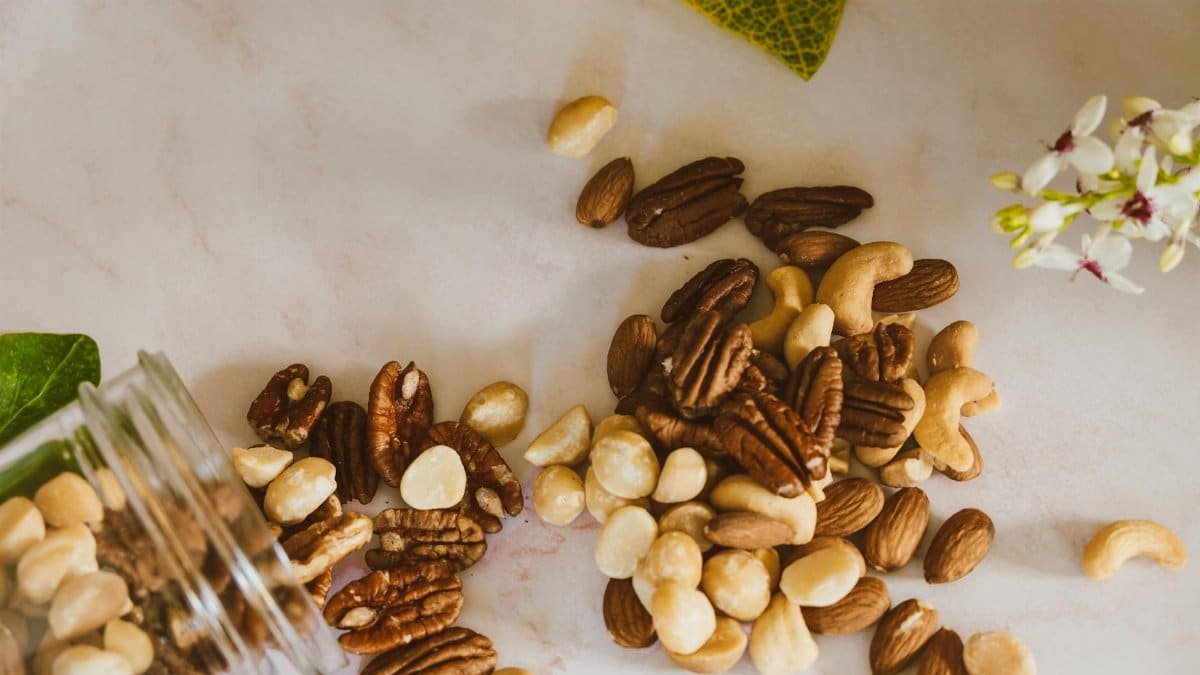
Pecans, harvested from orchards in southern North Carolina, offer healthy fats and magnesium, both crucial for regulating neurotransmitters that influence stress. Magnesium deficiency is common in high-stress lifestyles, and these nuts help fill the gap, promoting relaxation without drowsiness.
Envision a crisp autumn afternoon in Albemarle, where pecan trees line rural roads, their nuts falling like hidden treasures. One anonymous account from a public forum described the ritual of cracking pecans as a meditative break: “That simple act, followed by the nutty flavor, melts away the day’s chaos.” It’s a tactile experience that complements the biochemical benefits.
Diversity in preparation keeps pecans engaging—sprinkle on yogurt or blend into pesto. However, portion control matters, as their calorie density can add unintended stress if overindulged. This duality reflects broader wellness themes: moderation amplifies gains. As pecan festivals pop up across the state, they celebrate not just the harvest but a cultural tool for serenity.
For scientific support, check the study on nuts and mental health from PubMed.
4. Collard Greens: Leafy Guardians of Calm

A staple in Southern cuisine, collard greens flourish in North Carolina’s mild winters, providing folate and vitamin K that bolster serotonin production, essential for mood regulation. These greens help mitigate the inflammation linked to prolonged stress, offering a verdant shield.
At a family gathering in Greensboro, steaming pots of collards simmer with smoked turkey, filling the air with earthy aromas that signal comfort. Such traditions aren’t coincidental; they tie into how these vegetables nourish both body and spirit. A wellness coach observed clients feeling more centered after incorporating them weekly, echoing research on leafy greens’ role in emotional health.
Preparation can vary, from braised to raw in salads, adapting to modern tastes. Yet, overcooking can diminish nutrients, a reminder to approach wellness mindfully. In an era of fast food dominance, turning to homegrown collards reconnects us with sustainable practices that inherently reduce daily haste.
Insights from the CDC’s micronutrient resources underline folate’s importance.
5. Trout: Omega-3 Rich Streams of Relief

From the mountain streams of western North Carolina, fresh trout delivers omega-3 fatty acids that reduce inflammation and support brain function, directly countering stress effects. Angling for trout in places like Asheville isn’t just recreation; it’s a source of this vital nutrient.
Imagine casting a line into the clear waters of the Nantahala River, the catch later grilled with lemon. This process itself unwinds the mind, amplified by the fish’s properties. Reports suggest that regular omega-3 intake correlates with lower anxiety, a boon for those juggling demanding schedules.
Grilling or baking keeps it simple, though sustainability concerns urge choosing local, responsibly sourced options. This intersection of ecology and health adds depth, encouraging thoughtful consumption that enhances overall well-being.
A key reference is the NIH fact sheet on omega-3s.
6. Dark Chocolate: Indulgent Yet Soothing Bites

While not grown locally, dark chocolate pairs well with North Carolina’s artisanal food scene, containing compounds like theobromine that elevate endorphins and ease tension. Opt for high-cacao varieties to maximize benefits without excess sugar.
In a cozy café in Durham, patrons savor squares alongside coffee, finding momentary escape. It’s a small luxury that science supports, with studies showing moderated consumption linked to stress reduction.
Balance is key; too much can lead to jitters. This food exemplifies how pleasure and health can align, fostering a positive cycle in daily life.
See the Harvard overview on dark chocolate for details.
7. Chamomile Tea: Herbal Elixir for Evening Wind-Down

Chamomile, often grown in North Carolina herb gardens, brews into a tea that promotes relaxation through apigenin, binding to brain receptors for a calming effect. It’s a gentle way to end the day, reducing insomnia tied to stress.
Evenings on a porch in Wilmington, sipping from a steaming mug, capture this ritual’s essence. Users report deeper sleep, aligning with research on herbal remedies.
Accessibility makes it ideal, though interactions with medications warrant caution. As interest in natural aids grows in 2025, chamomile stands out for its simplicity.
Explore the study on chamomile’s anxiolytic effects.
These foods, rooted in North Carolina’s bounty, illustrate how everyday choices can transform stress management. By weaving them into routines, residents tap into a holistic approach that honors both science and tradition.