
A recent study from the National Institutes of Health revealed that nearly 40% of American adults now incorporate some form of breathwork into their routines to combat mental fog, a sharp rise from just a decade ago. This surge reflects a broader quest for clarity amid the relentless pace of modern life, where distractions pull at our attention like never before. Breathwork clarity wellness, at its core, harnesses intentional breathing to foster mental sharpness and emotional balance. It’s not just a trend; it’s a practical response to the stresses that cloud our thinking. As more people turn to these techniques, experts note their roots in ancient practices now backed by contemporary science. In a world buzzing with notifications and demands, these methods offer a quiet rebellion, promising focus without the need for gadgets or quick fixes. But how do they translate into everyday actions? Let’s explore seven that can sharpen your mind starting today.
1. Start Your Day with Box Breathing

Imagine waking up to a mind already cluttered with to-do lists and worries. Box breathing, a simple technique involving inhaling for four counts, holding for four, exhaling for four, and pausing again, cuts through that noise. Rooted in military training for high-stress situations, it activates the parasympathetic nervous system, promoting calm and focus. One middle-aged professional in Chicago described it as her morning reset, saying it turned chaotic starts into productive flows. Research supports this; a study published in the Journal of Clinical Psychology found that regular box breathing reduced anxiety levels by up to 25% in participants over eight weeks. Journal of Clinical Psychology Study. Integrating this into your routine takes mere minutes, yet it sets a tone of clarity that lingers. Try it before coffee, and notice how decisions feel sharper, less reactive. It’s a gateway to breathwork clarity wellness, grounding you in the present without overwhelming effort.
Of course, not everyone dives in smoothly. Some report initial dizziness, a common hurdle that fades with practice. The key lies in consistency, building it like any habit. Pair it with a quiet spot in your home, perhaps by a window overlooking the street, where the early light filters in. This ritual doesn’t demand perfection; even imperfect sessions yield benefits, as the breath becomes a reliable anchor amid daily turbulence.
2. Incorporate Mindful Pauses During Work

“I used to power through meetings with my mind racing ahead,” shared an anonymous contributor in an online discussion about workplace stress. That sentiment echoes a common struggle in 2025’s hybrid work environments, where back-to-back Zooms blur boundaries. Enter mindful pauses: brief moments to focus on your breath, inhaling deeply through the nose and exhaling slowly. This action interrupts the cycle of mental overload, enhancing clarity by oxygenating the brain and reducing cortisol. The American Psychological Association highlights how such practices improve cognitive function, with one report showing a 15% boost in attention spans. American Psychological Association Mindfulness Resources.
Picture a busy editor in New York, juggling deadlines. She slips in a two-minute pause between tasks, feeling the air fill her lungs, then release. It’s not about escaping work but recalibrating within it. Over time, these pauses weave breathwork into the fabric of your day, fostering wellness that sustains focus. Challenges arise when interruptions feel impossible, but starting small, like during email checks, makes it feasible. The result? Decisions made with poise, not haste.
Extending this, consider how it ties into broader wellness trends. In bustling cities, where noise pollution heightens distraction, these pauses act as mental shields, preserving clarity amid chaos.
3. Practice Diaphragmatic Breathing Before Meals
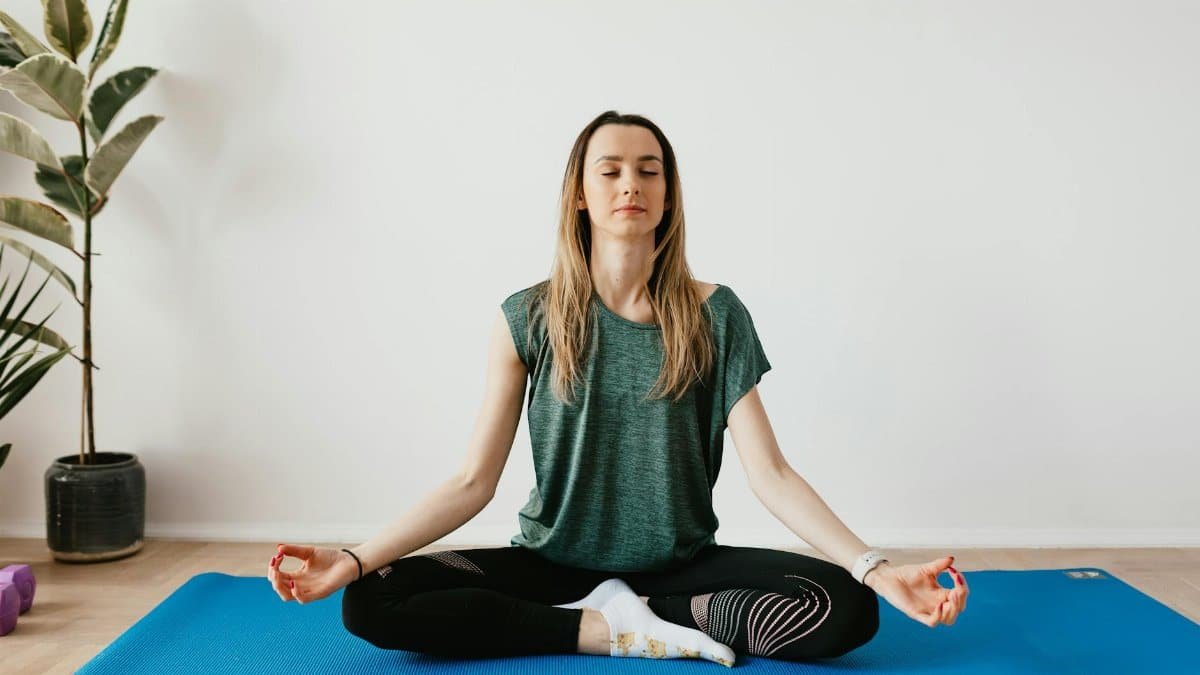
Diaphragmatic breathing, engaging the belly rather than the chest, transforms routine eating into an opportunity for mental reset. Before diving into lunch, take five deep breaths, feeling your abdomen expand. This not only aids digestion but clears the mental haze that often accompanies midday slumps. A Harvard Medical School guide explains how it stimulates the vagus nerve, enhancing mood and focus. Harvard Health Relaxation Techniques. It’s a subtle shift, yet profound in building breathwork clarity wellness.
Think of a family dinner in suburban Atlanta, where a father uses this moment to center himself after a long day. The practice quiets racing thoughts, allowing genuine presence. Not every attempt hits the mark; hurried days might shorten it to one breath. Still, the accumulation matters, turning meals into anchors of calm. Vary it by adding a gratitude note, linking breath to emotional clarity. Over weeks, users report sharper afternoons, free from the fog of undigested stress.
4. Use Alternate Nostril Breathing for Evening Wind-Down

As the sun sets over a quiet neighborhood, alternate nostril breathing offers a gentle close to the day. Close one nostril, inhale through the other, switch, and exhale, repeating for a few cycles. This balances the brain’s hemispheres, promoting mental clarity before sleep. Studies from the National Center for Complementary and Integrative Health show it lowers blood pressure and eases insomnia. NCCIH Yoga and Breathing Practices.
One retiree in Florida found it transformative, replacing restless nights with peaceful transitions. “It’s like flipping a switch,” he noted, though anonymously in shared stories. The technique demands no tools, fitting seamlessly into bedtime routines. If focus wavers, that’s fine; the act itself cultivates patience. In 2025, with screen time at all-time highs, this counters blue light’s disruption, ensuring mornings dawn with renewed sharpness.
Delve deeper, and you’ll see its roots in yoga, now adapted for Western lifestyles. It underscores how breathwork clarity wellness bridges ancient wisdom with today’s needs, offering resilience against evening anxieties.
5. Combine Breath Awareness with Short Walks

Step outside for a ten-minute walk, syncing steps with breaths: inhale for four paces, exhale for six. This fusion of movement and breath heightens awareness, dissolving mental clutter. The Mayo Clinic reports that such mindful walking improves cognitive flexibility, key for problem-solving. Mayo Clinic on Mindful Walking. It’s accessible, requiring only willingness to notice your rhythm.
In a park in Seattle, a group of friends practices this, chatting lightly while tuning into their inhales. One pauses to describe the crisp air sharpening her thoughts. Hurdles like bad weather exist, but indoor alternatives work too. This action embodies breathwork clarity wellness, turning exercise into a clarity booster. Gradually, it reshapes how you navigate daily hurdles, with a mind less prone to wandering.
6. Engage in Breath-Focused Journaling

Pair journaling with deliberate breathing: before writing, take three slow breaths to center. Then pour out thoughts, fostering clarity through reflection. A study in the journal Psychological Science linked expressive writing with reduced mental rumination. Psychological Science on Expressive Writing. This duo amplifies the effect, making abstract worries tangible and manageable.
Consider a teacher in Texas, scribbling after school, breaths steadying her as insights emerge. It’s not always profound; some days yield lists, others revelations. The practice builds over time, enhancing wellness by clearing emotional debris. In an era of constant input, this carves space for internal processing, vital for sustained focus.
Variations abound: prompt with questions like “What clouded my mind today?” The breath anchors it, preventing overwhelm.
7. End with a Gratitude Breath Scan

Before bed, scan your body while breathing deeply, noting areas of tension and releasing with exhales, then listing three gratitudes. This cultivates clarity by shifting from deficits to abundance. Research from the Greater Good Science Center at UC Berkeley shows gratitude practices enhance mental resilience. Greater Good Science Center on Gratitude.
A narrative from a midwestern parent illustrates: amid family chaos, this ritual restores perspective, breaths easing the day’s weight. It’s forgiving; skip a night, resume the next. As part of breathwork clarity wellness, it ensures clarity carries into tomorrow, weaving calm into life’s tapestry.
Reflecting broadly, these actions reveal breathwork’s power in everyday America, from coasts to heartlands, promising a clearer path forward in 2025 and beyond.