
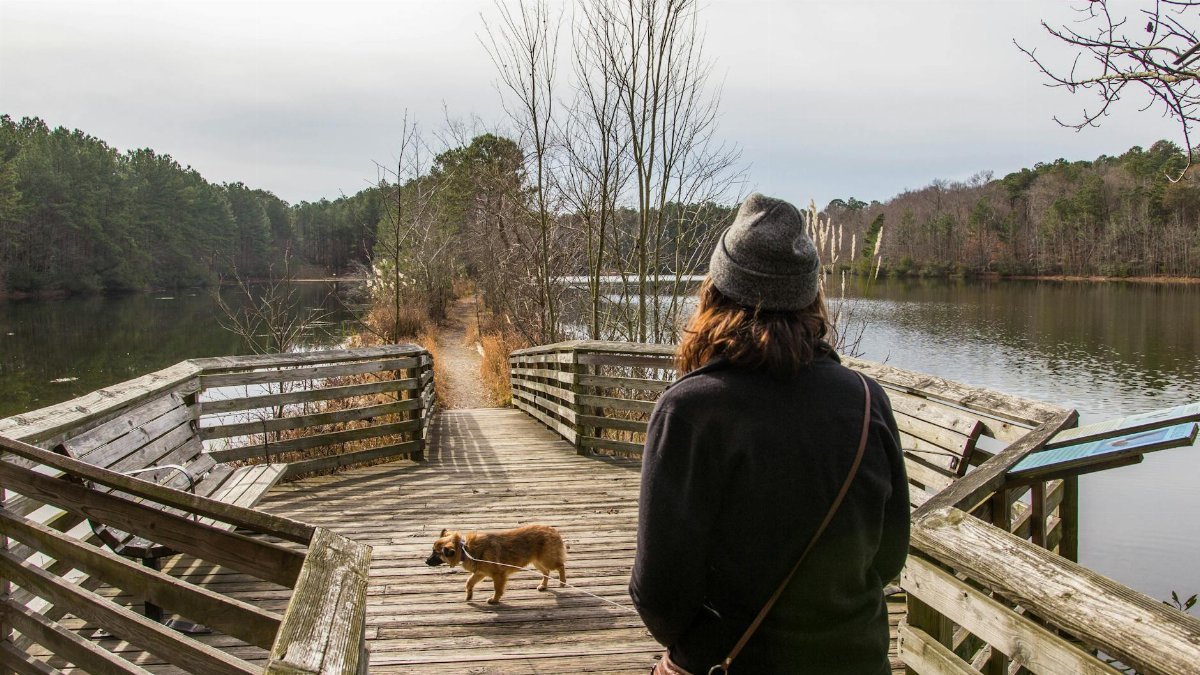
Sunlight filters through the blinds in a cozy Richmond living room, where a golden retriever named Max curls up beside his owner after a long day. The simple act of petting him seems to melt away the tensions of urban life in Virginia’s capital. Moments like these highlight how dogs, with their intuitive behaviors, can serve as natural stress relievers. A recent study from the American Psychological Association revealed that 68% of pet owners report lower stress levels thanks to their animals, a figure that’s climbed steadily amid the pressures of 2025’s fast-paced world. This isn’t just anecdotal; it’s backed by science showing how canine companionship taps into our biology to ease anxiety. In Virginia, where rolling hills meet bustling cities, such behaviors reduce stress in ways that feel both timeless and urgently needed. From the Shenandoah Valley to the beaches of Virginia Beach, dogs are quietly revolutionizing how residents unwind.
1. The Comfort of Cuddling Close
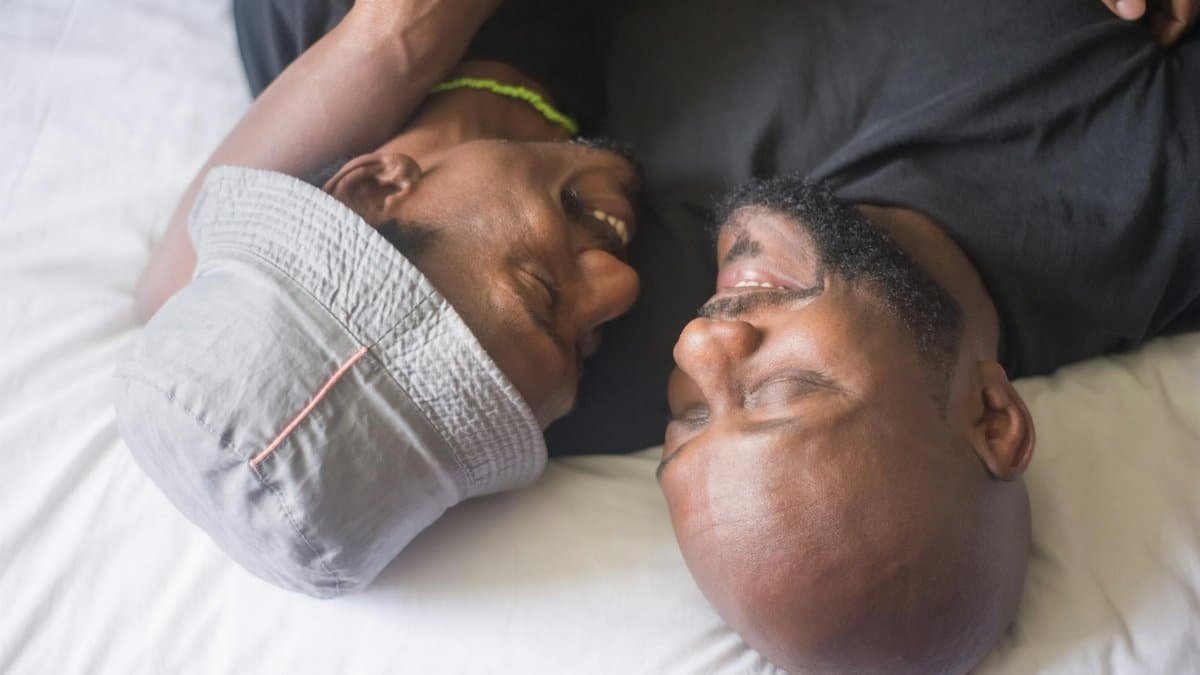
Dogs have this uncanny way of knowing when you need a hug. Picture a harried teacher in Fairfax County, collapsing onto the couch after wrangling virtual classrooms all day. Her labrador ambles over, pressing his warm body against her legs. That physical contact? It’s more than affection. Research shows it triggers oxytocin release, the hormone that dials down cortisol, our body’s stress messenger. In Virginia’s diverse communities, from suburban sprawl to rural retreats, this behavior stands out as a simple antidote to daily grind.
One anonymous account shared publicly online described the ritual: feeling the weight of a dog’s head on your lap during a tough evening, and suddenly, the world’s chaos fades. It’s not magic, but it feels close. Studies from Virginia Tech’s animal science department underscore this, linking pet proximity to improved mood regulation. For middle-aged Virginians juggling careers and family, cuddling isn’t just cute; it’s a practical tool for maintaining balance.
Yet, not every cuddle session is straightforward. Some dogs might hesitate if they’re stressed themselves, reminding us that this bond is mutual. Building trust through consistent routines enhances the effect, turning fleeting moments into lasting relief.
2. Tail Wags That Signal Joy
Start with the wag. It’s that rhythmic swish of a tail that greets you at the door, no matter how rotten your day was. In Norfolk’s naval hubs, where deployments add layers of worry, a dog’s enthusiastic welcome can reset your mindset. Science backs this up: observing positive canine behaviors activates mirror neurons in our brains, fostering empathy and reducing isolation.
A compelling quote from a pet therapist rings true: “That wag isn’t just happiness; it’s an invitation to share it.” For Virginians facing 2025’s economic uncertainties, this behavior reduces stress by injecting unfiltered positivity. According to a report from the American Psychological Association, interactions like these lower blood pressure almost immediately.
Weave in a mini-narrative: Imagine a retiree in Roanoke, his border collie whipping her tail in circles as he returns from a doctor’s visit. The motion pulls him out of rumination, grounding him in the present. It’s a small act with big ripples, especially in a state where outdoor lifestyles amplify such connections.
Of course, tail language varies. A slow wag might indicate caution, teaching us to read subtleties for deeper bonds.
3. Gentle Licks as Soothing Gestures
Dive straight into the lick. It’s wet, sometimes sloppy, but undeniably comforting. In Alexandria’s historic streets, where commutes to D.C. drain energy, a dog’s lick on the hand can feel like a reset button. This behavior mimics grooming in packs, signaling care and reducing tension through endorphin boosts.
Analysis shows it’s evolutionary: dogs lick to bond, and humans respond with lowered heart rates. A study published in the journal PLOS One found that such interactions decrease stress markers in saliva samples. Virginians, with their blend of Southern hospitality and modern hustle, find this particularly resonant.
Consider the tension: Not all licks are welcome, especially if overdone, which might signal the dog’s own anxiety. Balancing this requires observation, turning a potential annoyance into a harmonious exchange. In 2025, as remote work blurs boundaries, these gestures help reclaim personal space emotionally.
A brief observation: One woman recounted how her beagle’s licks during a family crisis provided silent support, more effective than words.
4. Playful Fetch Sessions for Release
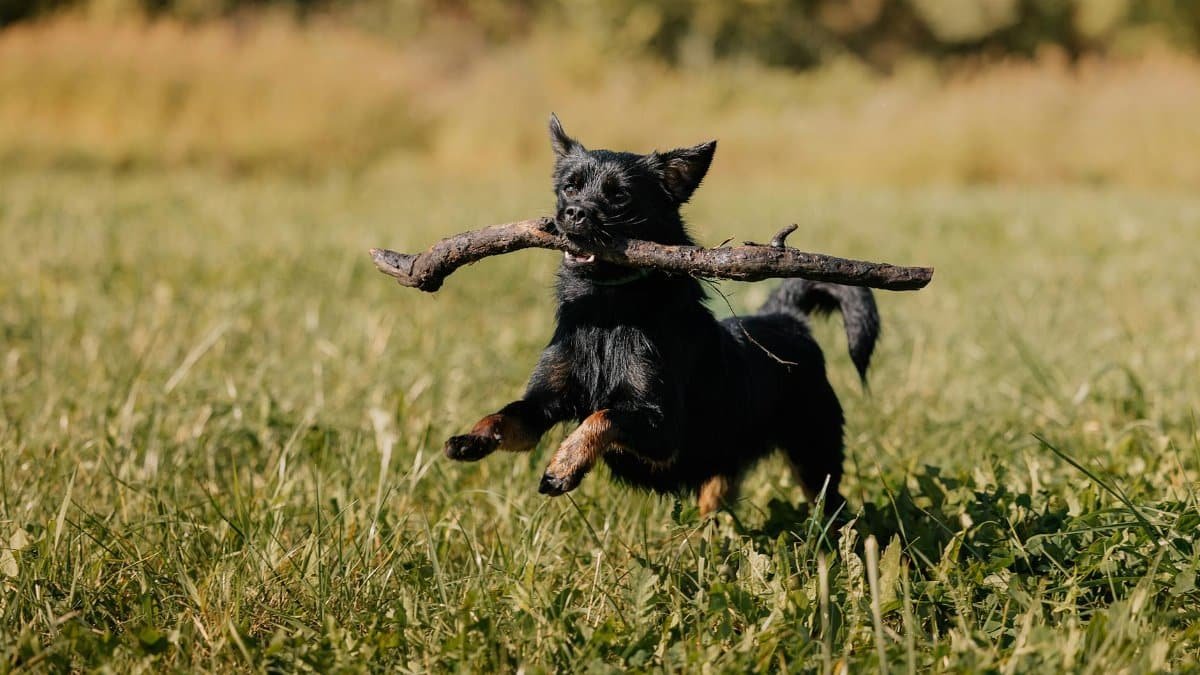
What if chasing a ball could chase away worries? Dogs excel at initiating play, like fetch, which pulls owners into movement and laughter. In Virginia Beach’s coastal vibes, a game on the sand transforms a stressful afternoon into rejuvenation. This behavior encourages physical activity, known to combat stress through natural highs.
From a rhetorical angle: Isn’t it fascinating how a simple throw engages both parties? Data from the Centers for Disease Control and Prevention highlights how pet-related exercise reduces anxiety by 30% in regular participants. For middle-aged folks in the Old Dominion, it’s a low-stakes way to unplug.
Storytelling element: Envision a Charlottesville entrepreneur, tennis ball in hand, as his terrier bounds across a park. Each retrieve eases the knots of business pressures, fostering mindfulness. Yet, overplay can lead to fatigue, so moderation keeps the benefits flowing.
Transitions smoothly to broader impacts: In Virginia’s tech corridors, this playfulness counters screen fatigue effectively.
5. Calm Eye Contact for Connection

A dog’s steady gaze can feel profound. It’s not staring; it’s connecting. In the quiet suburbs of Arlington, where political news overwhelms, locking eyes with a pet offers a moment of mutual understanding. This behavior strengthens emotional ties, lowering stress via synchronized heartbeats, as per canine research.
Begin with observation: Those soulful eyes pull you in, reminding you you’re not alone. A University of Pennsylvania study, detailed on their Veterinary Research page, links prolonged eye contact with dogs to decreased cortisol levels. In 2025’s context of social fragmentation, Virginians treasure this silent dialogue.
Nuanced reflection: But eye contact isn’t always easy; shy dogs might avert, requiring patience to build. This process itself teaches resilience, a subtle stress reducer.
Integrate a snapshot: A veteran in Hampton Roads described how his service dog’s gaze steadied him during flashbacks, a testament to trained behaviors amplifying natural ones.
6. Walking Together for Mindful Movement

Leash in hand, step out. Dogs prompt walks that clear the mind. Along the Appalachian Trail snippets in Virginia, these outings blend nature with companionship, dissolving stress through rhythmic steps. It’s exercise meets therapy, proven to enhance mental clarity.
Quote to kick off: “Every walk is a conversation without words,” one enthusiast noted. Supporting this, the National Institutes of Health reports via their exercise guidelines that pet walking correlates with better stress management. For Virginians navigating humid summers and crisp falls, it’s seasonally adaptive.
Mini-narrative: Think of a Lynchburg couple, their spaniel leading the way through neighborhood paths. Conversations flow, worries ebb. However, distractions like traffic demand vigilance, adding a layer of shared awareness.
Explore facets: In urban Richmond, walks counter isolation, weaving community threads subtly.
7. Quiet Companionship in Still Moments
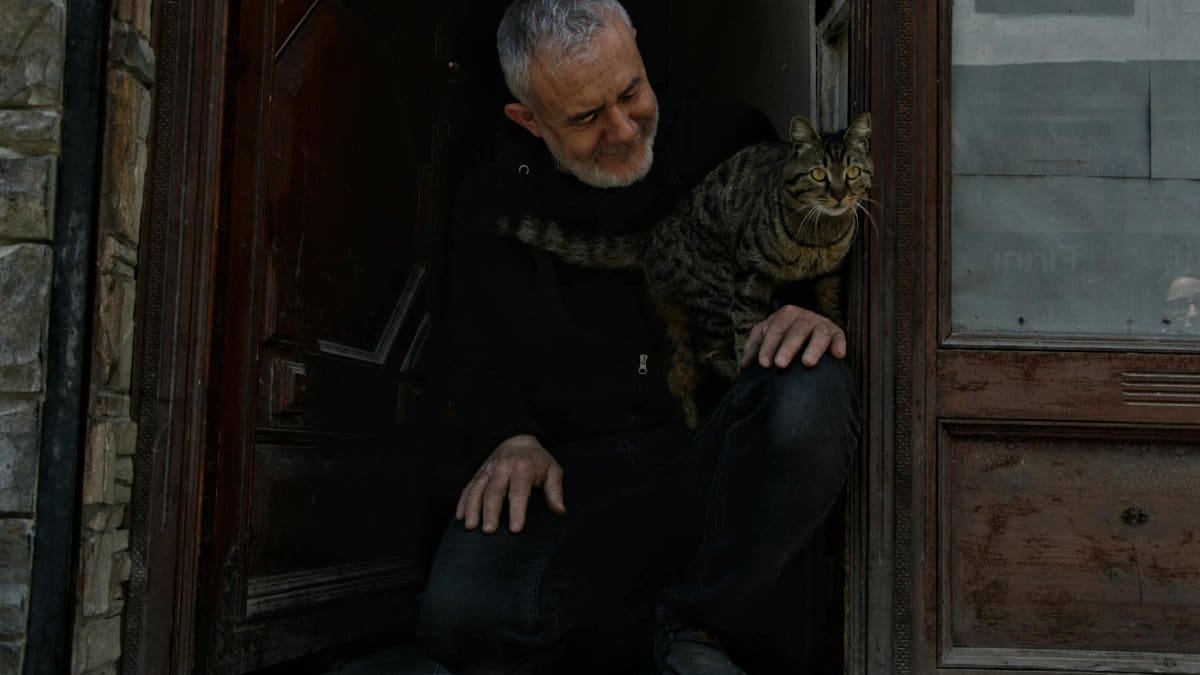
Sometimes, it’s just being there. Dogs offer silent presence, a steady anchor amid turmoil. In the farmlands of the Shenandoah, where isolation can creep in, a dog’s quiet vigil by your side eases loneliness without fanfare. This understated behavior reduces stress by fostering a sense of security.
Straight into analysis: No words needed; their nearness soothes. Pew Research data on social trends, accessible through their pets and social ties section, indicates that 76% of owners feel less stressed with animal companionship. In 2025 Virginia, amid evolving work-life balances, this is invaluable.
Story with tension: A writer in Williamsburg, facing deadlines, finds her mutt’s floor-lounging presence calms racing thoughts. Yet, recognizing when the dog needs space prevents one-sided dynamics.
Wrap with reflection: Ultimately, these behaviors weave into daily life, transforming stress into manageable echoes across the Commonwealth.