
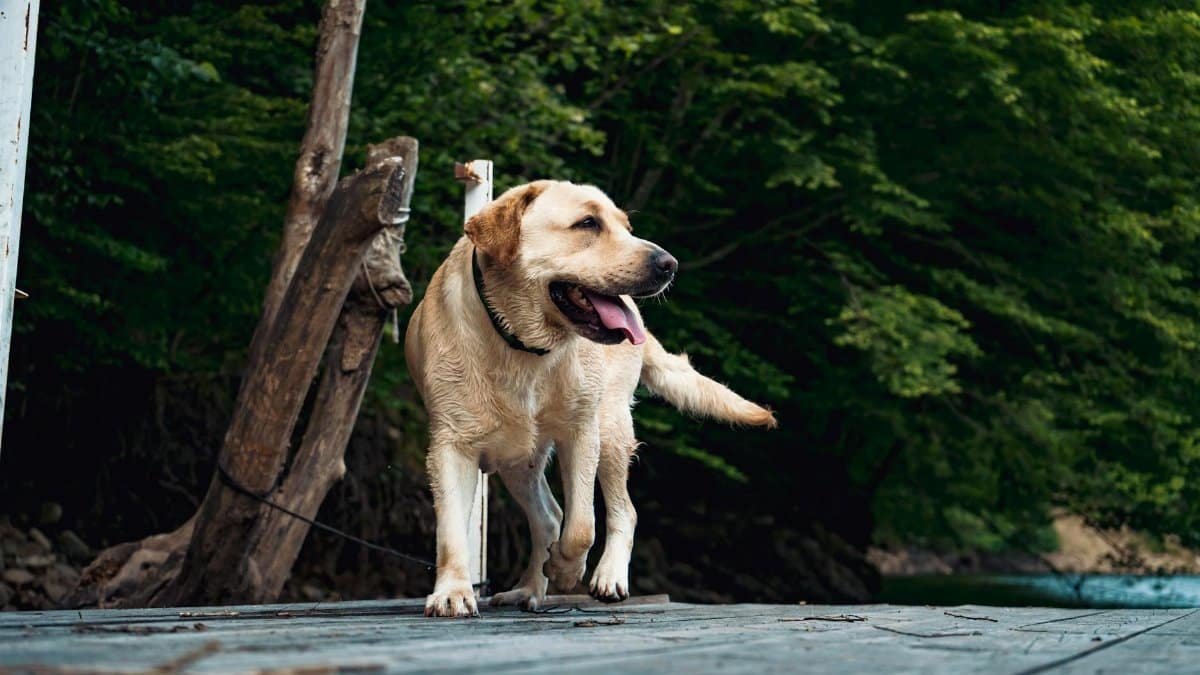
In a world where stress seems to lurk around every corner, a surprising statistic offers a glimmer of hope from an unexpected source. According to a 2023 study by the American Psychological Association, pet owners report 15% lower stress levels compared to non-owners, with dogs playing a starring role in this relief. This isn’t just about companionship; it’s about specific behaviors that dogs exhibit, subtly weaving calm into our daily lives. As we navigate the pressures of 2025, from economic uncertainties to digital overload, understanding these canine actions could be key. Behaviors that reduce stress aren’t always grand gestures. Sometimes, they’re as simple as a dog’s gentle nudge or playful bark, reminding us to pause and breathe. This article explores seven such behaviors, drawing on research and real-life insights to show how our four-legged friends help us unwind.
1. The Joyful Greeting Ritual

Dogs have this uncanny way of turning a mundane homecoming into a celebration. Picture arriving after a long day, keys jangling, and there they are, tail whipping like a propeller, eyes bright with pure excitement. This enthusiastic welcome isn’t just adorable; it triggers a rush of oxytocin in humans, that feel-good hormone that dials down cortisol, the stress culprit.
Researchers have long noted this effect. A study from the University of Missouri found that interacting with dogs boosts oxytocin levels significantly, leading to reduced anxiety. One middle-aged professional, juggling remote work and family demands, shared anonymously in an online discussion how her Labrador’s daily greetings melted away the day’s tensions, like flipping a switch from chaos to calm.
It’s not scripted or forced. Dogs sense our moods, responding with unbridled joy that pulls us out of our heads. In bustling cities like New York, where stress runs high, this simple act reminds us of connection’s power. Next time your dog bounds over, lean into it. Let that burst of happiness reset your inner rhythm.
2. Gentle Cuddling Sessions

What starts as a quiet evening on the couch can evolve into a profound stress-buster when a dog curls up beside you. Their warm presence, steady breathing syncing with yours, creates a sanctuary from the outside noise. This physical closeness lowers blood pressure, as confirmed by multiple studies.
Take the findings from a 2019 report by the National Institutes of Health, which highlighted how petting dogs reduces heart rates in stressed individuals. It’s tactile therapy, essentially, without the appointment.
Imagine a scenario where deadlines loom and emails pile up. A woman in her forties, facing midlife career shifts, described how her rescue mutt’s habit of nestling against her during movie nights eased the knot in her chest. No words needed; just fur and warmth. Dogs don’t judge or demand; they simply offer solace, making these moments a natural antidote to modern pressures.
Variety comes in how they initiate it, sometimes with a paw on your lap, inviting you to unwind. In 2025, as remote work blurs boundaries, these cuddles serve as gentle boundaries themselves, signaling time to relax.
3. Playful Fetch Games
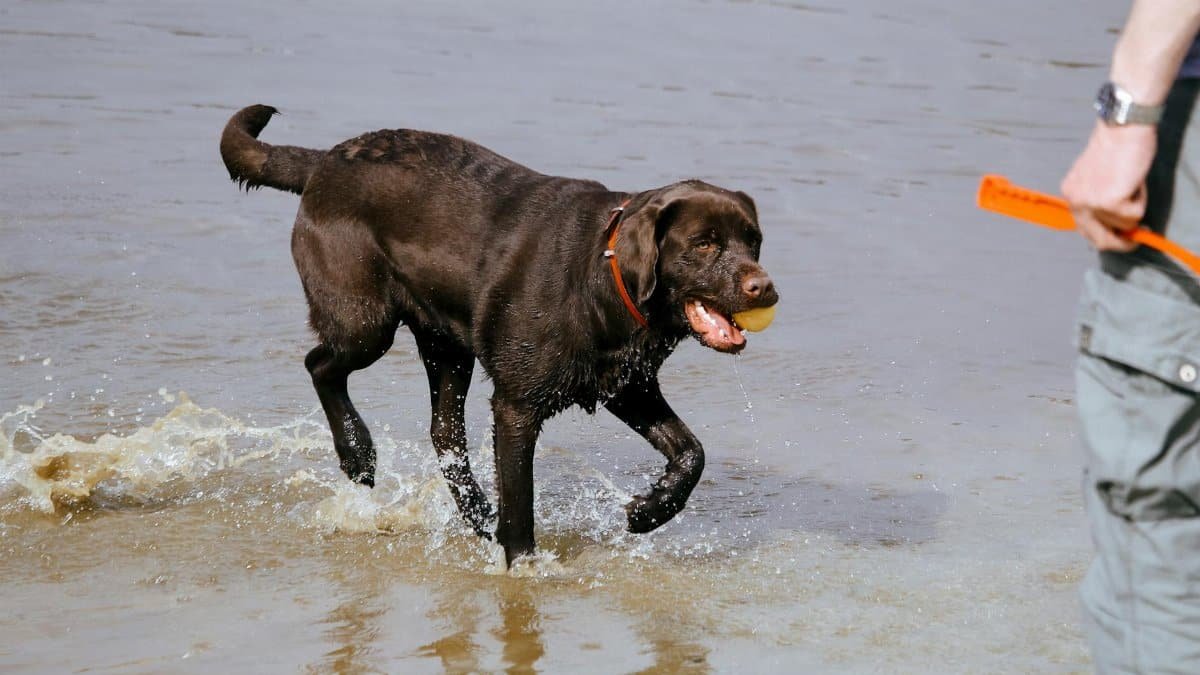
Throw a ball, and watch the magic unfold. Dogs dart after it with infectious enthusiasm, turning a simple game into a stress-relieving ritual. This activity gets you moving, releasing endorphins that combat anxiety, while the dog’s sheer delight amplifies the joy.
Evidence supports this. A publication from the American Psychological Association details how play with pets enhances mood and reduces stress markers. It’s exercise disguised as fun.
Consider a suburban dad, overwhelmed by parenting and job stress, who found solace in daily fetch sessions with his Border Collie. The dog’s focused energy pulled him into the present, away from worries. Laughter bubbled up as the dog bounded back, toy in mouth, eyes pleading for another toss.
Not every session is high-energy; sometimes it’s a lazy toss in the yard, enough to shake off the day’s weight. Dogs teach us play’s value, a lesson many adults forget amid responsibilities. Embrace it, and feel the tension ebb with each retrieve.
4. Unconditional Companionship
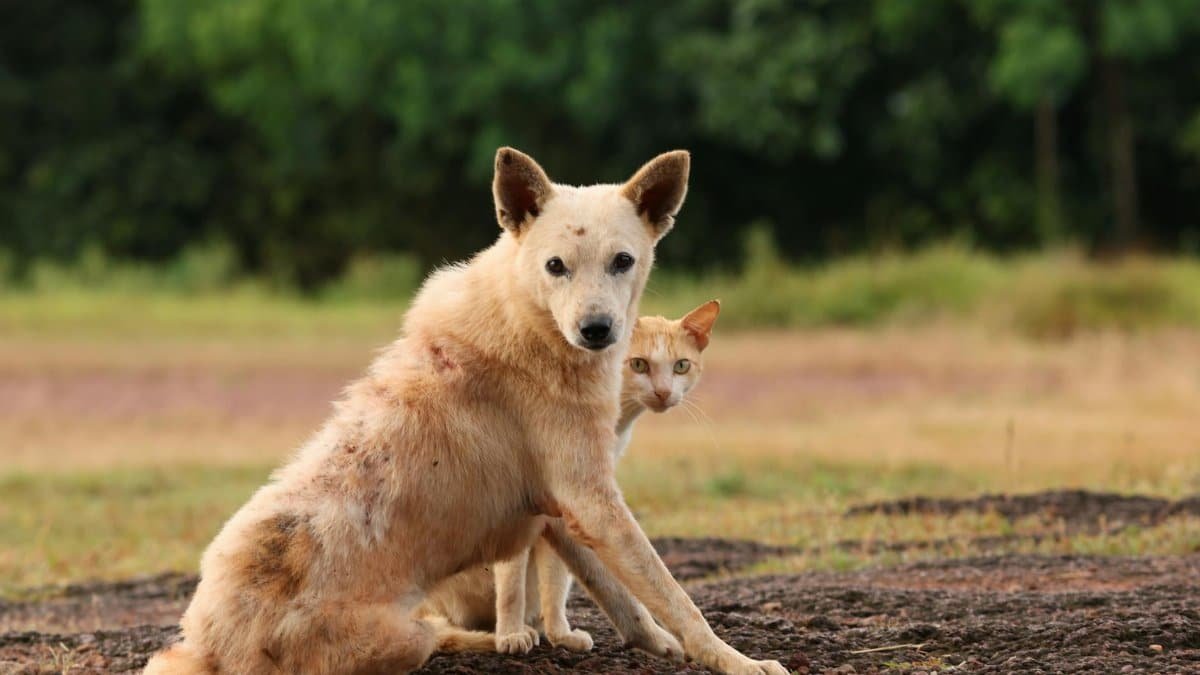
Dogs excel at being there, no strings attached. Their steady presence, whether lounging nearby or following you room to room, fosters a sense of security that quiets inner turmoil. This companionship combats loneliness, a major stress amplifier in our disconnected age.
Studies back this up. Research from the Centers for Disease Control and Prevention shows pets decrease feelings of isolation, directly lowering stress. It’s emotional support on four legs.
One story stands out: a retiree in the Midwest, grappling with empty-nest syndrome, noted how his Golden Retriever’s constant shadow provided comfort during quiet evenings. The dog’s quiet vigilance, without demands, made solitude bearable, even comforting.
In an era of fleeting digital connections, this unwavering loyalty stands out. Dogs don’t scroll away; they stay, offering a anchor in stormy emotional seas. Their behavior subtly reinforces that we’re not alone, easing the mental load we carry.
5. Routine Walks Together

Leash in hand, stepping out with your dog imposes a healthy routine that breaks stress cycles. These walks encourage mindfulness, fresh air, and light exercise, all proven to soothe frazzled nerves.
A comprehensive review by the Harvard Medical School underscores how dog walking promotes physical activity and mental clarity, reducing stress hormones over time.
Think of a busy nurse in Chicago, her shifts grueling. Daily strolls with her Beagle became her reset button, the dog’s curious sniffing pulling her attention to blooming flowers or neighborhood chatter, away from hospital worries.
It’s mutual: dogs thrive on the outing, their enthusiasm making it enjoyable rather than a chore. In 2025, with wellness apps tracking every step, these organic walks remind us of simpler paths to calm. They build habits that stick, one paw print at a time.
6. Affectionate Licking and Nuzzling

That slobbery kiss or gentle nuzzle might seem quirky, but it’s a dog’s way of showing care, which in turn eases our stress. This affection releases feel-good chemicals, creating a bond that feels deeply reassuring.
Scientific insights from animal behaviorists, as detailed in resources from the American Kennel Club, explain licking as a soothing mechanism for both parties, akin to grooming in packs.
A young couple, stressed by urban living costs, found their Pug’s nuzzling habit a nightly balm. As they unwound, the dog’s soft licks on their hands dissolved arguments and anxieties, fostering closeness.
Not all licks are equal; some are playful, others comforting. Dogs intuit when we need it most, offering this behavior as instinctive therapy. It grounds us in the moment, a reminder that simple touches can heal.
7. Calming Presence in Chaos

Amid upheaval, dogs often remain unflappable, their steady demeanor a beacon of calm. This presence helps us mirror their tranquility, dialing back our own reactions to stressors.
Therapy dog programs illustrate this. Data from the Mayo Clinic shows how dogs in high-stress environments, like hospitals, lower patient anxiety through their composed behavior.
Recall a family navigating a move across states; their Shepherd’s unflinching calm amid packing boxes steadied everyone. The dog’s quiet watchfulness provided a focal point, easing the frenzy.
In our fast-paced 2025 landscape, this trait is invaluable. Dogs don’t panic; they adapt, teaching us resilience. Their calming influence seeps in, reducing stress without a word, proving silence can be the best companion.
As these behaviors illustrate, dogs aren’t just pets; they’re subtle architects of our well-being. Integrating them into daily life could transform how we handle stress, one wag at a time.