

A recent study from the National Institutes of Health revealed that nearly 40% of Americans report fluctuating moods tied to diet, a figure that’s climbed steadily over the past decade, with Texans facing unique stressors from urban sprawl and heat waves. This surge underscores a growing awareness: what we eat daily can profoundly influence emotional equilibrium. In Texas, where barbecue reigns and fresh produce abounds from Gulf Coast farms to Hill Country orchards, incorporating mood-boosting foods isn’t just trendy—it’s practical. These daily foods support not only physical health but also that subtle mental steadiness many crave amid fast-paced lives. From omega-rich options to antioxidant-packed bites, they offer accessible ways to foster balance. As researchers delve deeper, it’s clear these choices resonate especially in a state known for its resilient spirit.
1. Fatty Fish Like Salmon

In the bustling markets of Houston or Austin, fatty fish such as salmon often take center stage, not just for their flavor but for their brain benefits. Rich in omega-3 fatty acids, these foods help regulate neurotransmitters that stabilize mood. Picture a family in Dallas grilling salmon on a warm evening; the sizzle accompanies conversations that flow more easily, perhaps because those essential fats reduce inflammation linked to anxiety. Studies show consistent intake can lower depression risks by up to 20%. One anonymized account from an online discussion captured this: someone described how swapping processed snacks for salmon fillets eased their afternoon slumps, feeling “like a fog lifted without much effort.” It’s not magic, but science backs it—omega-3s support serotonin production. For Texans, sourcing wild-caught varieties from local fisheries adds a fresh twist. Yet, challenges arise; overfishing concerns mean opting for sustainable labels. Still, integrating this into weekly meals, maybe in tacos, builds that daily foods support foundation gradually.
Of course, not everyone dives in seamlessly. Some report the fishy aftertaste as a barrier, prompting creative recipes like herb-infused bakes. A report from the National Center for Biotechnology Information highlights how EPA and DHA in salmon correlate with improved emotional resilience, especially in high-stress environments like Texas summers.
2. Berries, Especially Blueberries
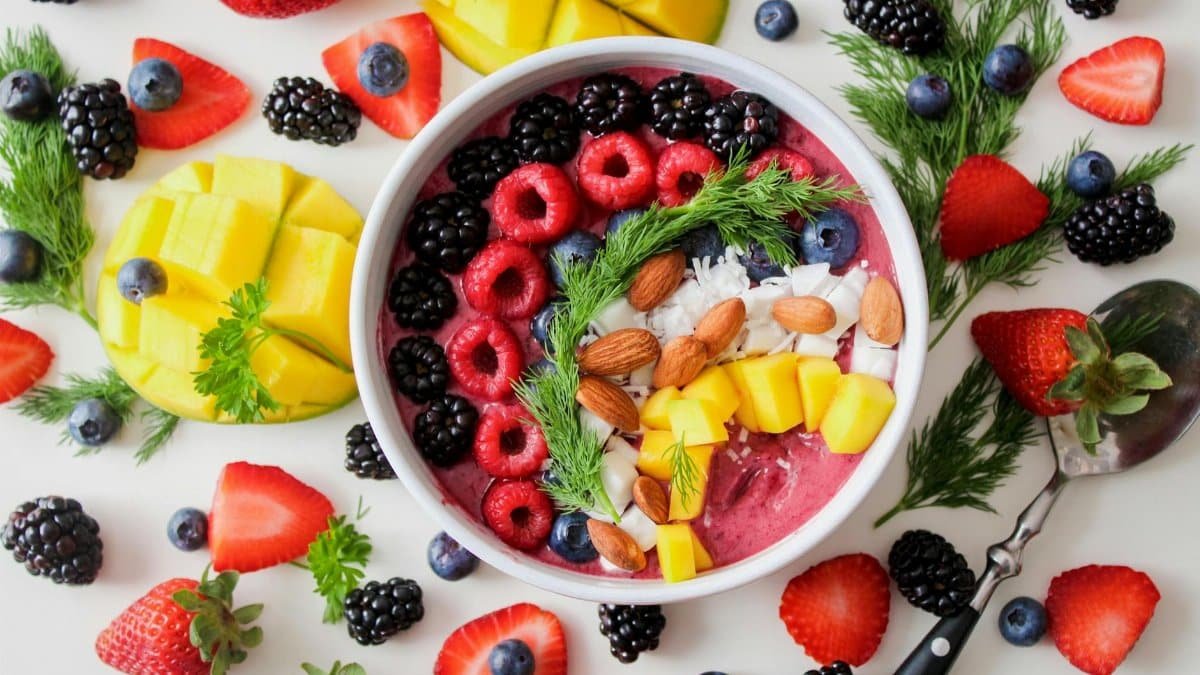
Blueberries thrive in Texas’s varied climates, popping up in roadside stands from East Texas pines to Central Texas fields. These tiny powerhouses pack antioxidants that combat oxidative stress, a culprit in mood dips. Imagine a retiree in San Antonio starting her day with a handful tossed into yogurt; the burst of sweetness mirrors a subtle uplift in focus and calm. Flavonoids in berries enhance brain blood flow, potentially easing symptoms of mild depression. Research indicates regular consumption could boost cognitive function, vital for middle-aged folks juggling careers and family.
The appeal lies in simplicity—no elaborate prep needed. Yet, seasonal availability fluctuates, pushing some toward frozen options that retain nutrients. One public shared story online noted how blueberries became a ritual during stressful workweeks, helping maintain even keel without caffeine crashes. It’s a reminder that daily foods support can stem from nature’s basics. For deeper insights, the Harvard T.H. Chan School of Public Health outlines how these compounds protect neural pathways, fostering long-term mood stability.
Transitions like this highlight berries’ versatility; blend them into smoothies or scatter over salads for effortless integration.
3. Nuts and Seeds, Such as Almonds

What starts as a quick snack in a Fort Worth office can evolve into a mood ally. Almonds, abundant in Texas with groves dotting the landscape, deliver magnesium—a mineral key to serotonin regulation. Envision a teacher grabbing a trail mix during recess; that crunch provides not just energy but a buffer against irritability. Deficiencies in magnesium often exacerbate anxiety, and nuts fill that gap effectively.
Variety keeps it engaging: mix in walnuts for added omega-3s or pumpkin seeds for zinc. However, portion control matters; their calorie density can surprise. A brief reflection from an anonymous forum post described almonds as “quiet heroes” in battling evening restlessness, turning chaotic days into manageable ones. This aligns with findings that such nutrients support adrenal health, crucial in high-heat states like Texas.
Delve into the evidence via the National Institutes of Health Office of Dietary Supplements, which details magnesium’s role in neurological balance. It’s about building habits that stick, one handful at a time.
4. Dark Chocolate

Amid Texas’s love for bold flavors, dark chocolate emerges as an indulgent yet functional treat. With at least 70% cocoa, it releases endorphins and contains flavonoids that mimic antidepressants. Think of a couple in El Paso sharing a square after dinner; the melt-in-your-mouth moment eases tensions from the day. Moderation is key—too much caffeine can backfire—but a small daily dose promotes dopamine.
The cultural tie-in? Pair it with local pecans for a Texan twist. Challenges include sugar temptations in milk varieties, so sticking to pure forms pays off. An online anecdote recounted how dark chocolate curbed emotional eating, providing “a spark of joy without the guilt.” Science supports this; it enhances blood flow to mood-regulating brain areas.
For validation, check the NCBI study on cocoa’s neuroprotective effects. It’s a sweet spot in daily foods support, blending pleasure with purpose.
5. Leafy Greens Like Spinach
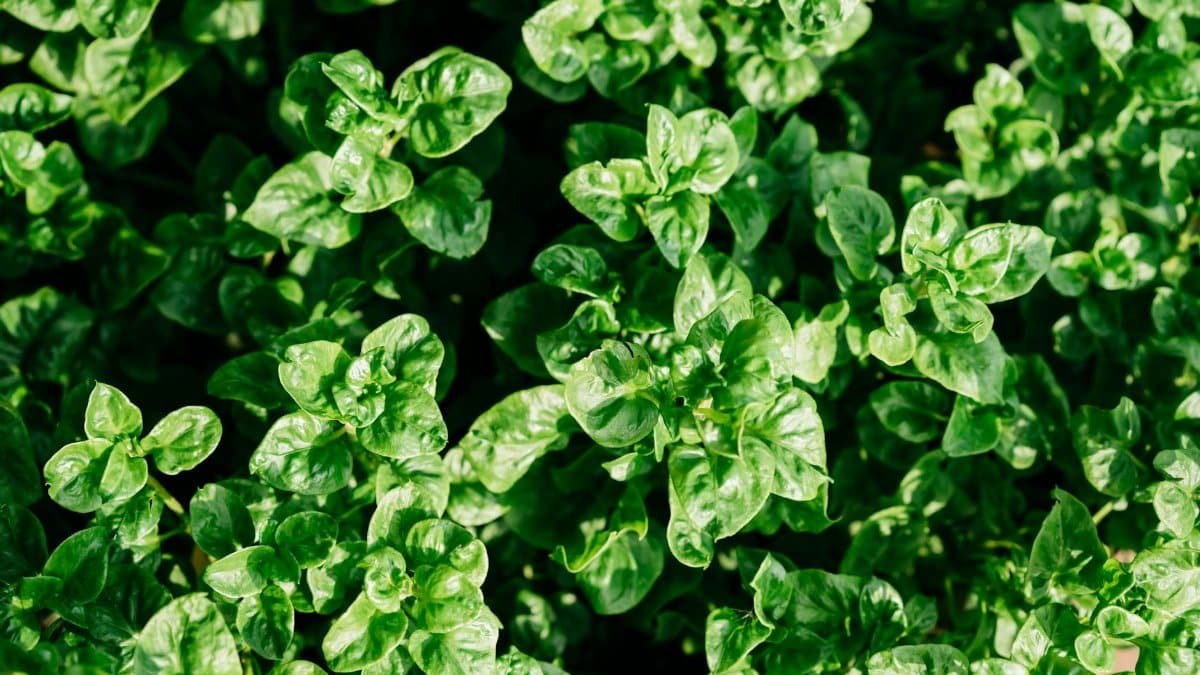
Spinach grows robustly in Texas’s fertile soils, from community gardens in Austin to farms near the Rio Grande. Folate-rich, it aids in producing mood-lifting chemicals like dopamine. A vivid scene: a Houston chef wilting leaves into a stew, where the earthy aroma signals nourishment beyond the plate. Low folate links to higher depression rates, making greens a frontline defense.
Experiment with kale or collards for variety, perhaps in salads or smoothies. Accessibility varies—urban dwellers might rely on markets, while rural areas enjoy homegrown. One shared experience online highlighted spinach’s role in lifting “brain fog” during humid months, a common Texas woe.
Evidence from the Centers for Disease Control and Prevention underscores folate’s importance. These greens weave seamlessly into meals, bolstering that essential daily foods support.
6. Yogurt with Probiotics
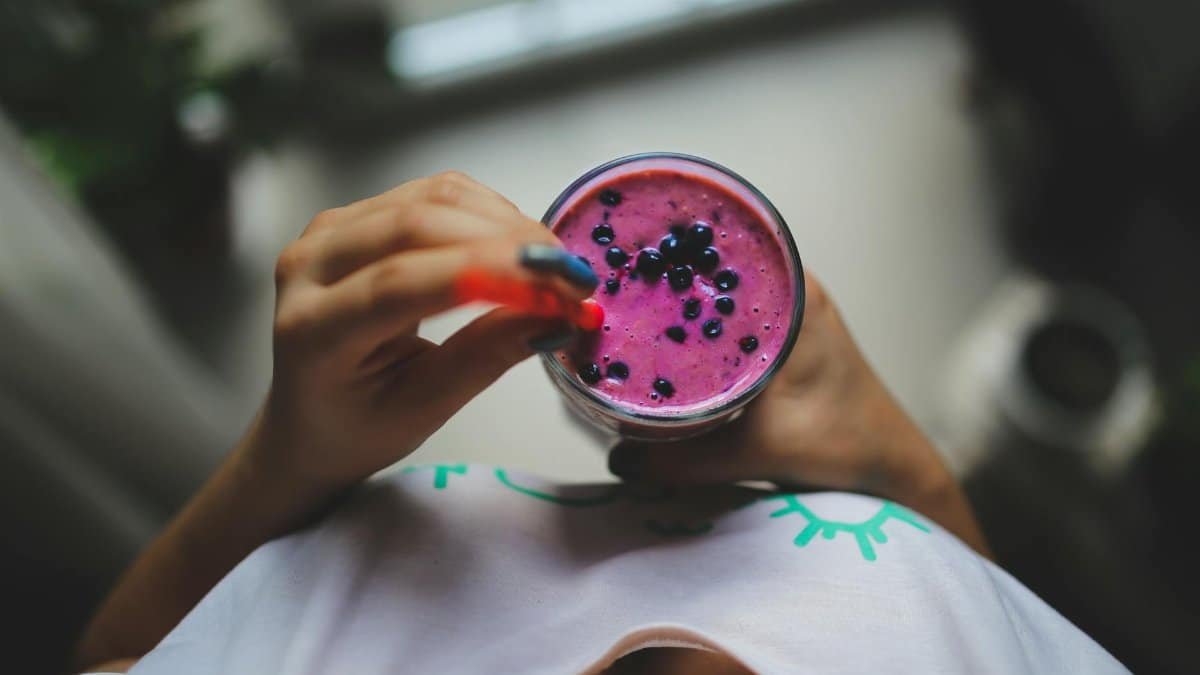
In a state where dairy farms dot the landscape, yogurt stands out for its gut-brain axis benefits. Probiotics foster healthy bacteria, influencing mood via the vagus nerve. Envision a Lubbock student stirring in fruit for breakfast; that creamy base sets a positive tone. Imbalances in gut flora often mirror emotional unrest, and fermented foods counter that.
Greek varieties offer protein bonuses, ideal for active Texans. Watch for added sugars, though—plain is best. A forum snippet described yogurt as a “game-changer” for anxiety, easing digestive woes that amplified stress.
Backed by the Harvard nutrition source on probiotics, it shows microbial health ties to mental well-being. This approachable food integrates effortlessly.
7. Bananas
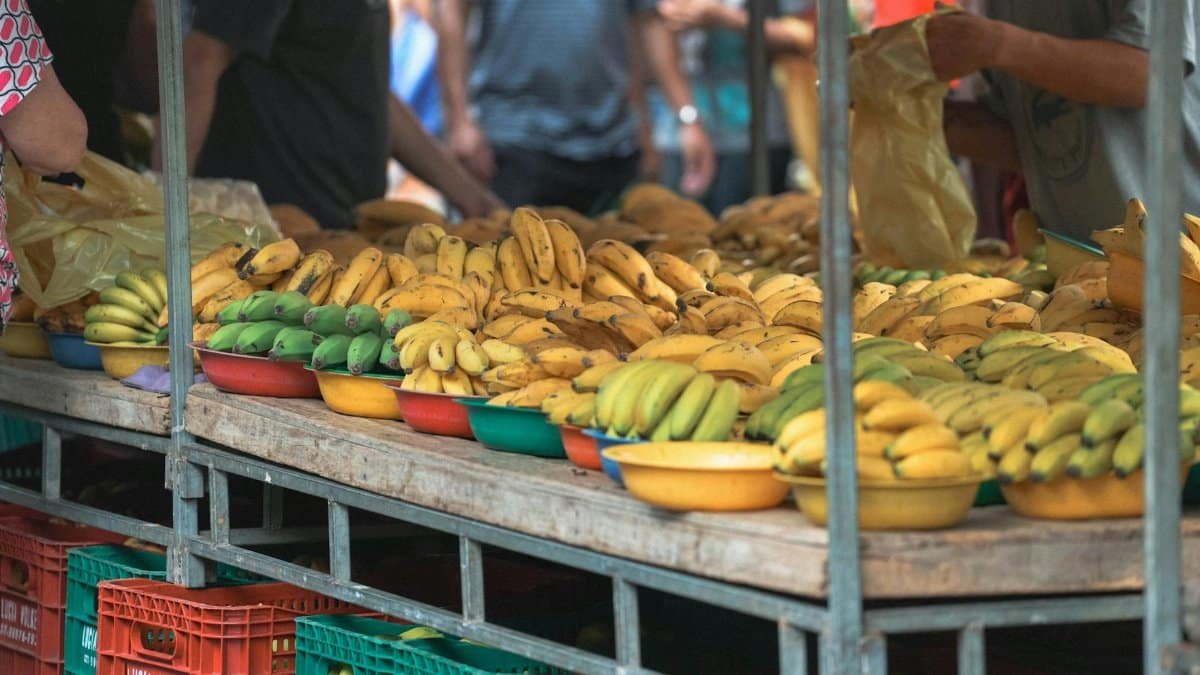
Bananas, imported yet ubiquitous in Texas groceries, provide tryptophan for serotonin synthesis. A quick peel during a Austin commute can steady nerves. Their potassium also calms the nervous system. Recall a farmer’s market vendor handing one to a hurried shopper; that simple act sparks sustained energy.
Versatile in baking or as-is, they suit busy lifestyles. Ripeness affects benefits—spotty ones release more mood enhancers. An anonymous online tale noted bananas helping with sleep, turning restless nights into restful ones.
The NCBI research on tryptophan’s effects confirms this. As a final pillar of daily foods support, bananas remind us of nature’s straightforward aids.
Wrapping these into routines, especially in Texas’s dynamic environment, fosters lasting mood stability. It’s less about perfection and more about consistent, flavorful choices that resonate with everyday life.