
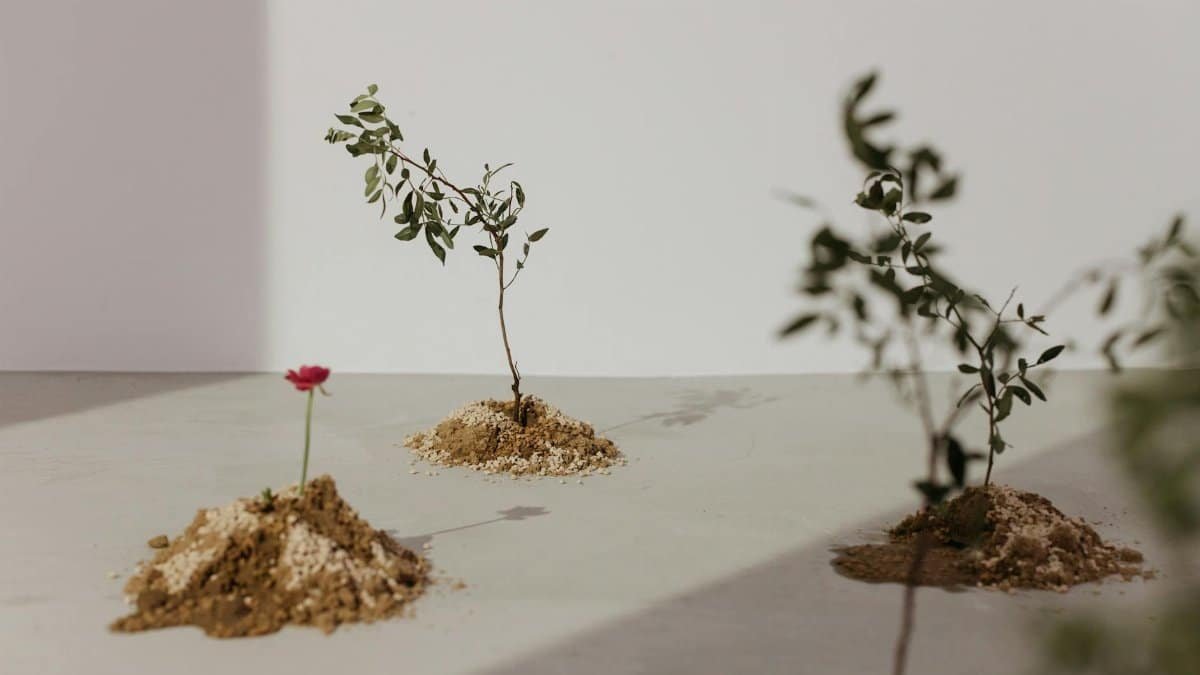
A recent study from Pew Research Center revealed that 72% of Americans living in rural areas report higher levels of mental clarity when engaging in community-focused routines, a figure that’s climbed steadily over the past decade amid urban burnout trends. This surge points to a broader shift: as more people seek respite from bustling city life, small towns are emerging as havens for rediscovering focus and purpose. But what drives this? Enter the concept of clarity in small towns, where daily habits not only sharpen individual minds but also fuel communal growth. From morning rituals that ground the day to evening reflections that build connections, these practices are quietly transforming overlooked corners of America. In 2025, with remote work enabling relocations, such habits could be the key to revitalizing these places, blending personal well-being with economic vitality.
1. Morning Walks Through Local Paths

Imagine starting the day with the crunch of gravel underfoot, the air crisp with the scent of pine or fresh-cut grass. In small towns across the Midwest, residents swear by these early strolls as a cornerstone for mental sharpness. It’s not just exercise; it’s a ritual that clears the fog of overnight thoughts, allowing ideas to surface amid the quiet. One local baker in a Vermont hamlet described it this way: she plots her daily menu while wandering past neighbors’ gardens, turning solitude into inspiration. Research backs this up. A study from the National Institutes of Health shows that even moderate walking boosts cognitive function, enhancing problem-solving skills crucial for small-town entrepreneurs. Yet, there’s a tension here—balancing this peace with the demands of a growing community, where new arrivals might crowd those cherished paths. Still, integrating newcomers through group walks fosters bonds, turning personal clarity into shared progress.
Shorter steps lead to bigger leaps. In towns like those in upstate New York, these habits have sparked initiatives like community trail cleanups, directly contributing to tourism booms. It’s a cycle: clearer minds spot opportunities, like converting old rail lines into walking routes, which then draw visitors and stimulate local economies. Avoid rushing; let the rhythm build naturally. Over time, this practice weaves into the fabric of town life, proving that clarity, small towns style, starts with putting one foot in front of the other.
2. Community Coffee Gatherings

What begins as a simple pour of black coffee can evolve into a forum for ideas. Picture a cluster of locals huddled at a diner counter, steam rising from mugs as they dissect the week’s events. This isn’t idle chatter; it’s a deliberate habit that hones collective clarity. In places like rural Oregon, such meetups have led to grassroots solutions, from fixing potholed roads to launching farmers’ markets. A report by the Pew Research Center highlights how these interactions strengthen social ties, reducing isolation and sparking innovation in under-resourced areas.
Dive deeper, and you’ll find layers. Not every gathering is harmonious—debates flare over development plans, revealing the push-pull of growth. But that’s the point: wrestling with differing views sharpens focus, much like grinding beans for a perfect brew. One anonymous online account shared a turning point: after months of these chats, a group turned a vacant lot into a co-working space, blending old traditions with new energy. In 2025, as digital nomads flock to these spots, adapting this habit means including virtual participants, ensuring small towns don’t just survive but thrive through sharpened communal vision.
Keep it regular, but flexible. Mornings work best, yet evenings suit shift workers. The key? Listening more than speaking, letting clarity emerge from the exchange.
3. Journaling Local Histories

Flipping open a notebook to jot down a town’s forgotten tales might seem quaint, but it’s a powerful tool for mental acuity. Residents in Appalachian villages often dedicate time each day to recording oral histories or sketching landmark changes, a practice that grounds them in context while clarifying future paths. This isn’t mere nostalgia; it’s active reflection that uncovers patterns, like how past floods informed current resilience strategies.
Consider the story of a retired teacher in a Kansas prairie town who started this habit post-retirement. Her entries evolved from personal musings to a community archive, inspiring a local history app that boosted tourism. According to findings from the American Psychological Association, journaling enhances emotional regulation and decision-making, vital for navigating small-town challenges like population decline.
There’s complexity, though. Not all histories are rosy; confronting painful chapters, such as economic downturns, can stir unease. Yet, this discomfort often leads to breakthroughs, fostering empathy and innovative policies. Weave in modern twists, like digital voice notes for tech-savvy youth, to keep it relevant. Ultimately, this habit transforms vague aspirations into concrete plans, embodying clarity, small towns at its core.
4. Mindful Gardening Sessions
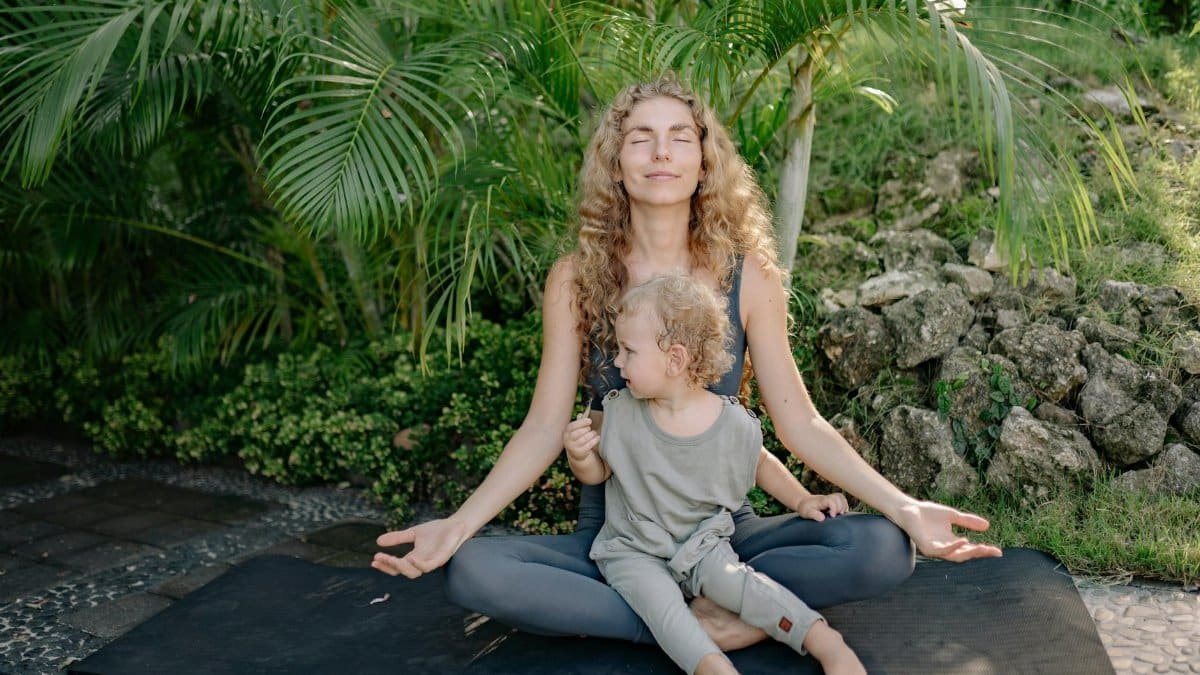
Hands in the soil, tending rows of vegetables—it’s a tactile way to cultivate focus. In sun-drenched California foothill towns, daily gardening isn’t just about harvest; it’s a meditation that clears mental clutter. One farmer recounted how plotting crop rotations sharpened his business acumen, turning a hobby plot into a thriving CSA program.
Science supports the benefits. A study published in the Journal of Offender Rehabilitation (via Sage Journals) links gardening to reduced stress and improved cognitive clarity, with implications for community health in rural settings. But gardens aren’t immune to strife; droughts or invasive species test resilience, mirroring broader town struggles.
Start small: a windowsill herb box for apartment dwellers. Over sessions, patterns emerge—patience in growth parallels economic patience in budding towns. In 2025, with climate concerns rising, this habit could pivot to sustainable practices, drawing eco-tourists and injecting vitality. It’s less about perfection, more about the steady rhythm that aligns personal clarity with communal blooming.
End with reflection: as plants reach for light, so do ideas in these nurtured spaces.
5. Evening Porch Reflections
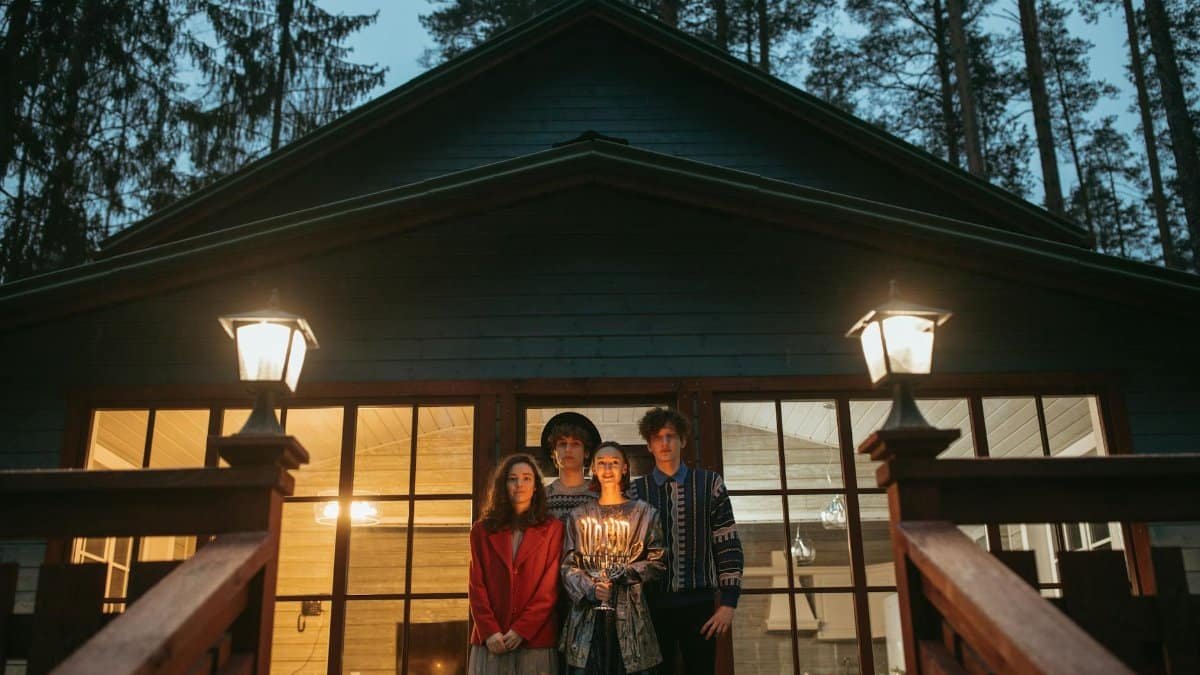
As dusk settles, pulling up a chair on a creaky porch offers a pause that’s deceptively simple. Folks in Southern hamlets use this time to review the day, sifting through successes and setbacks under the glow of fireflies. It’s a habit that distills experiences into insights, preventing the buildup of unresolved thoughts.
Take the case of a mechanic in Georgia who attributes his shop’s expansion to these quiet evenings, where he brainstorms efficiencies. Broader data from the Centers for Disease Control and Prevention underscores reflection’s role in mental health, particularly in areas with limited access to therapy.
Nuance arises in shared porches—conversations can veer into town politics, blending solitude with dialogue. Online forums echo this: one shared story detailed how porch talks resolved a neighborhood dispute, fostering unity. Adapt for seasons; winter moves indoors by the fire. This practice, woven into daily life, exemplifies how clarity, small towns nurture turns introspection into actionable growth.
6. Volunteer Skill-Sharing Workshops
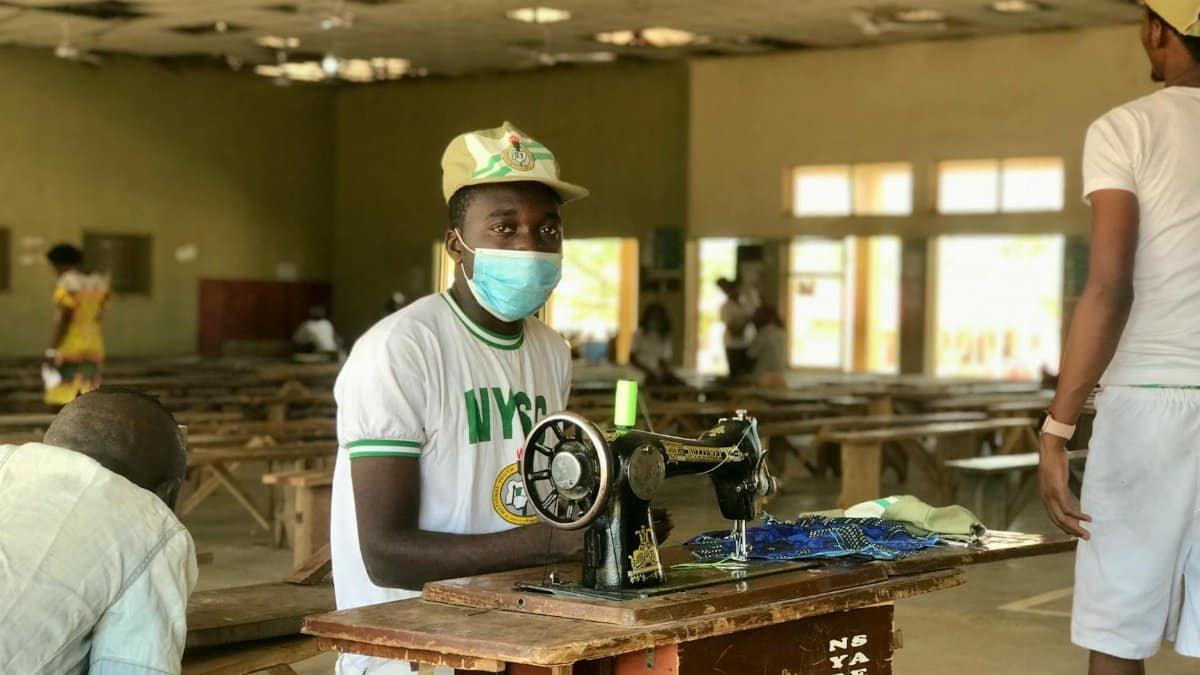
Gathering in a community hall to teach knitting or basic coding—it’s a hands-on approach to mutual enlightenment. In Rust Belt towns, these workshops clarify skills while building networks, often leading to collaborative ventures like pop-up shops.
A welder in Ohio sparked a maker space through this, revitalizing a dormant factory. Evidence from Pew indicates such activities enhance civic engagement, per their report on community involvement. Challenges? Uneven participation, but incentives like free snacks help.
Vary the format: rotate topics to keep energy high. In essence, it’s clarity through contribution, propelling small towns forward.
Reflect on the ripple: one skill shared multiplies, creating a web of empowered residents ready for 2025’s opportunities.
7. Digital Detox Evenings

Setting aside screens for board games or stargazing reclaims mental space. In remote Montana outposts, this habit counters information overload, allowing genuine connections to flourish.
A family there credited it with launching a town newsletter, born from unplugged brainstorming. Studies from the NIH link reduced screen time to better focus, as detailed in their brain health resources.
Tensions exist—emergencies demand connectivity—but boundaries work. This final habit seals the loop, ensuring clarity, small towns sustain amid digital noise, fostering resilient growth.
As towns evolve, these evenings remind us: true progress blooms in the quiet.