

A recent study from the National Institutes of Health revealed that Americans who actively participate in community activities report 25% higher levels of life satisfaction, a figure that’s climbed steadily over the past decade. This surge highlights a growing recognition that wellbeing, community, boosting aren’t just buzzwords but essential threads in the fabric of daily life. In bustling cities like Chicago or quieter suburbs across the Midwest, people are turning to shared habits to counter the isolation of modern routines. These practices foster connections that ripple into calmer minds and stronger bodies. As we navigate the stresses of 2025, from work demands to digital overload, rediscovering community wellness offers a grounded way to recharge. It’s not about grand gestures but simple, repeatable actions that weave support networks into everyday existence. This article explores seven such habits, drawing on research and real-life glimpses to show how they elevate personal and collective health.
1. Embracing Neighborhood Walks

Start with something as straightforward as lacing up sneakers and stepping out with others. Neighborhood walking groups have popped up in towns from Seattle to Atlanta, turning solitary strolls into social lifelines. Imagine a crisp morning where chatter about local news mingles with the sound of footsteps on pavement. One anonymous account shared online described it as “the highlight of my week, where worries fade amid friendly faces.” Research backs this up; a study from the Centers for Disease Control and Prevention links regular group walks to reduced stress and improved cardiovascular health. Participants often report sleeping better, their minds quieter after debriefing the day’s chaos with neighbors. But it’s not always smooth. Weather can deter, or shyness might hold someone back. Still, starting small, perhaps with a single companion, builds momentum. Over time, these walks cultivate a sense of belonging that buffers against loneliness, especially in an era when remote work blurs boundaries between home and office.
The rhythm varies. Some groups focus on brisk paces for fitness, while others meander, pausing to admire blooming gardens. In one Midwestern community, walkers even incorporate light discussions on mindfulness, blending movement with mental check-ins. This habit doesn’t demand much, just consistency. As 2025 unfolds with its economic uncertainties, such low-cost activities prove invaluable, fostering resilience through shared steps.
2. Cultivating Community Gardens
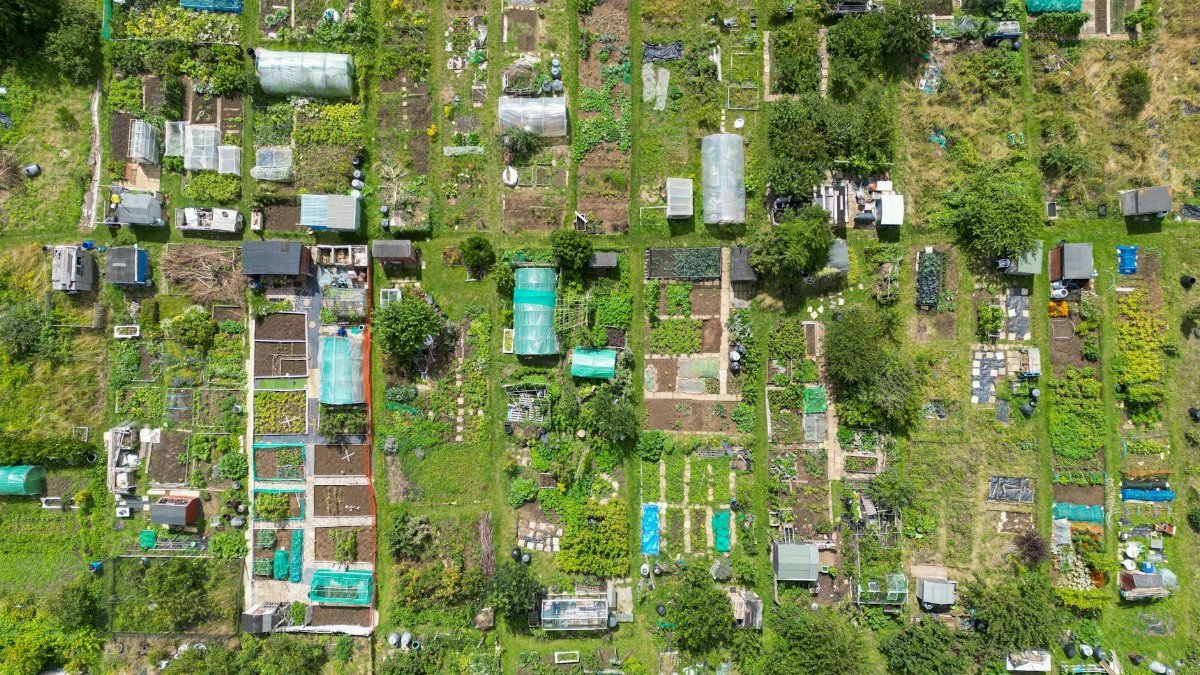
“Dirt under the nails, but joy in the heart,” quipped a gardener in a public forum, capturing the essence of community plots. These shared spaces, sprouting in urban lots and rural backyards, invite hands-on collaboration that nurtures both soil and spirits. Picture families kneeling side by side, planting seeds that grow into vegetables while conversations bloom about recipes or life hacks. According to findings from the U.S. Department of Agriculture, involvement in such gardens correlates with better nutrition and lower anxiety levels. The act of tending plants together creates tangible results, a harvest that symbolizes collective effort.
Yet challenges lurk, like pests or differing visions for the space. One group in Philadelphia resolved conflicts by rotating leadership, turning potential friction into lessons in compromise. For middle-aged participants juggling careers and family, this habit offers a break from screens, grounding them in nature’s cycles. It boosts physical activity subtly, with digging and weeding engaging muscles often neglected in desk jobs. As climate concerns heighten in 2025, these gardens also promote sustainability, teaching eco-friendly practices that enhance communal pride.
The stories emerge vividly: a retiree finding purpose after loss, or busy parents bonding with kids over fresh tomatoes. It’s this interplay of growth, personal and botanical, that elevates everyday wellbeing through rooted connections.
3. Hosting Potluck Gatherings

What begins as a simple email invite can unfold into evenings of laughter and shared plates. Potluck gatherings, a staple in American neighborhoods, encourage culinary exchanges that strengthen ties. Envision a backyard table laden with homemade dishes, where a spicy chili from one family meets a sweet pie from another. This habit taps into the joy of contribution, making everyone a host. Data from Pew Research Center on social trends shows that such events help combat the decline in face-to-face interactions, with participants feeling more supported emotionally.
Dive into the nuances. Not every dish succeeds, leading to humorous tales that break the ice. In a Texas suburb, one regular attendee recalled how a failed casserole sparked a group cooking class, evolving the potluck into skill-sharing sessions. For those in midlife, facing empty nests or career shifts, these meetups provide continuity and new perspectives. They subtly promote healthier eating too, as diverse offerings introduce nutritious twists.
Transitions to deeper talks often happen organically, over coffee as the night winds down. In 2025’s fast-paced world, where virtual meetings dominate, reclaiming this analog ritual fosters authentic bonds, boosting resilience against daily grind.
4. Volunteering at Local Events
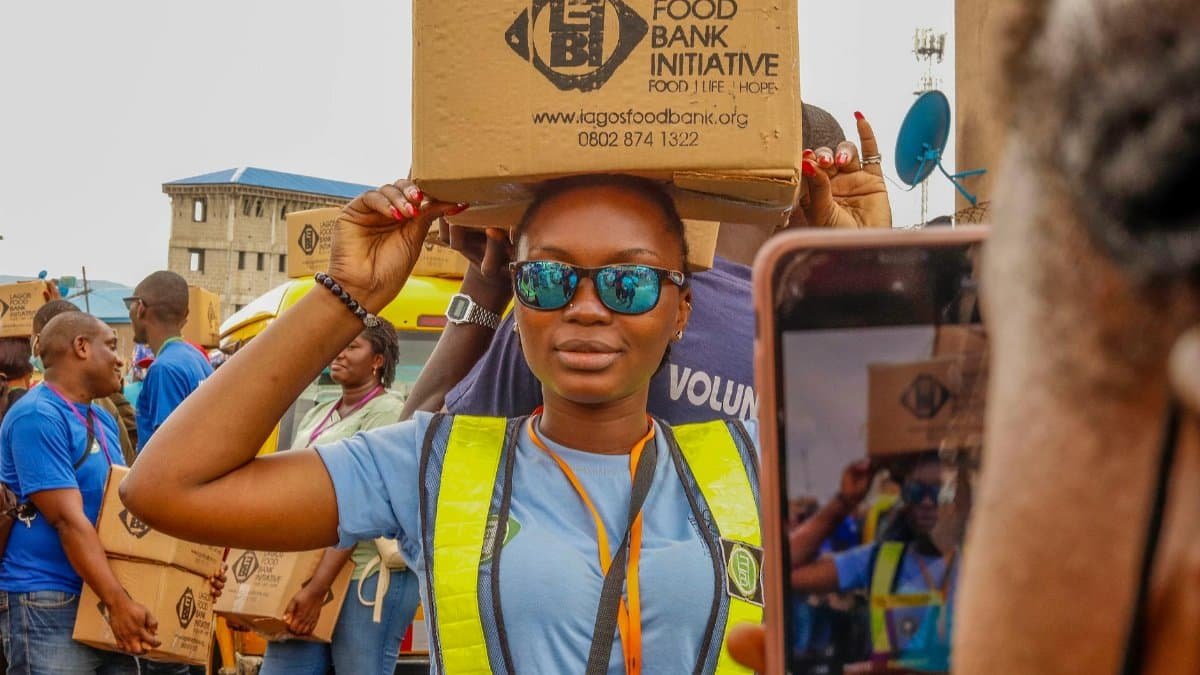
Rhetorical question: When was the last time giving time felt like receiving a gift? Volunteering at festivals or charity runs embodies this paradox, channeling energy into community uplift. Scenes from a small-town fair come alive: volunteers directing crowds, their smiles infectious amid the bustle. A study highlighted by the Harvard Health Publishing notes that such activities enhance mood through endorphin release, akin to a natural antidepressant.
Variety keeps it engaging. Some prefer behind-the-scenes roles, like organizing supplies, while others thrive in the spotlight, greeting attendees. An anonymized snippet from online shares: “Volunteering pulled me out of my rut; suddenly, I had purpose beyond my job.” Challenges include burnout, but setting boundaries helps, perhaps limiting to one event per month. For middle-aged folks, this habit bridges generations, connecting with youth and elders alike.
As economic disparities widen in 2025, these efforts address real needs, from food drives to literacy programs, instilling a sense of agency. The ripple effect? Stronger networks that support personal wellbeing long after the event ends.
5. Joining Discussion Circles
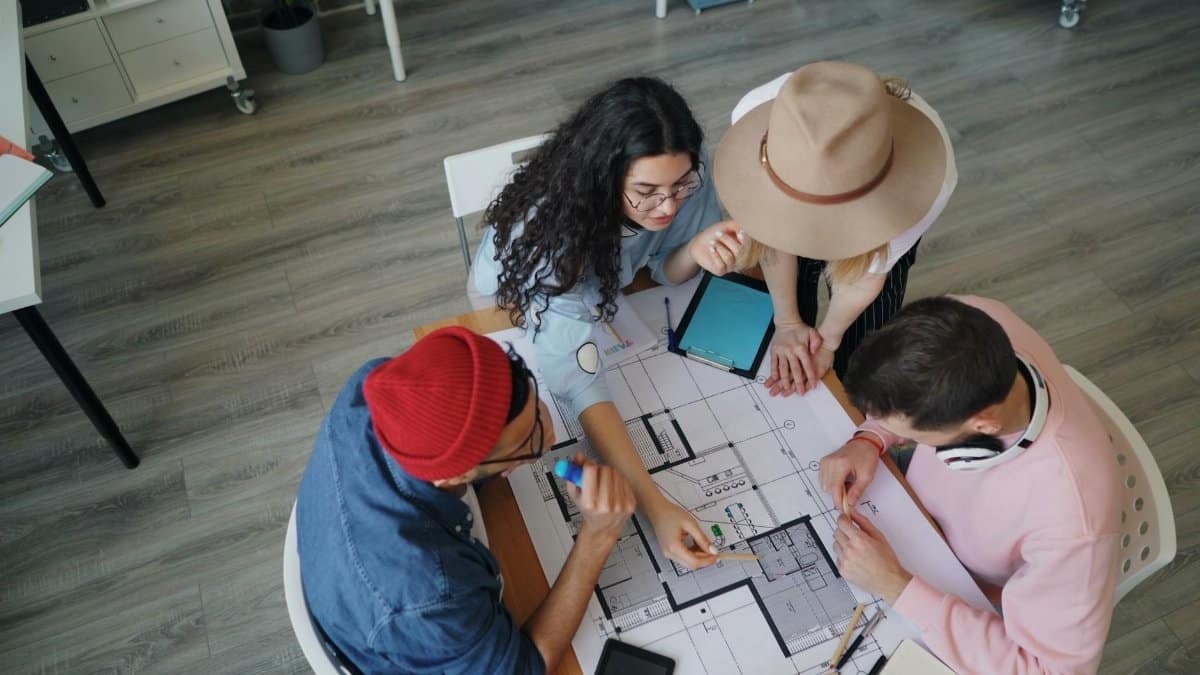
Step into a circle where voices matter equally, and ideas flow without hierarchy. Discussion circles, whether book clubs or topic-based meetups, create safe spaces for exchange. Visualize a cozy library room, participants leaning in as they unpack a novel’s themes, laughter punctuating insights. Insights from the American Psychological Association suggest these interactions build empathy and reduce feelings of isolation, key to mental health.
But it’s not all seamless; debates can heat up, requiring skilled facilitation. In one East Coast group, members established ground rules, turning potential clashes into growth opportunities. This habit suits those craving intellectual stimulation amid routine days, offering fresh viewpoints on everything from current events to personal dilemmas.
Online echoes reveal common threads: “It reminded me I’m not alone in my thoughts.” As 2025 brings rapid changes in technology and society, these circles provide anchors, fostering critical thinking and emotional support that enhance daily equilibrium.
6. Practicing Group Mindfulness
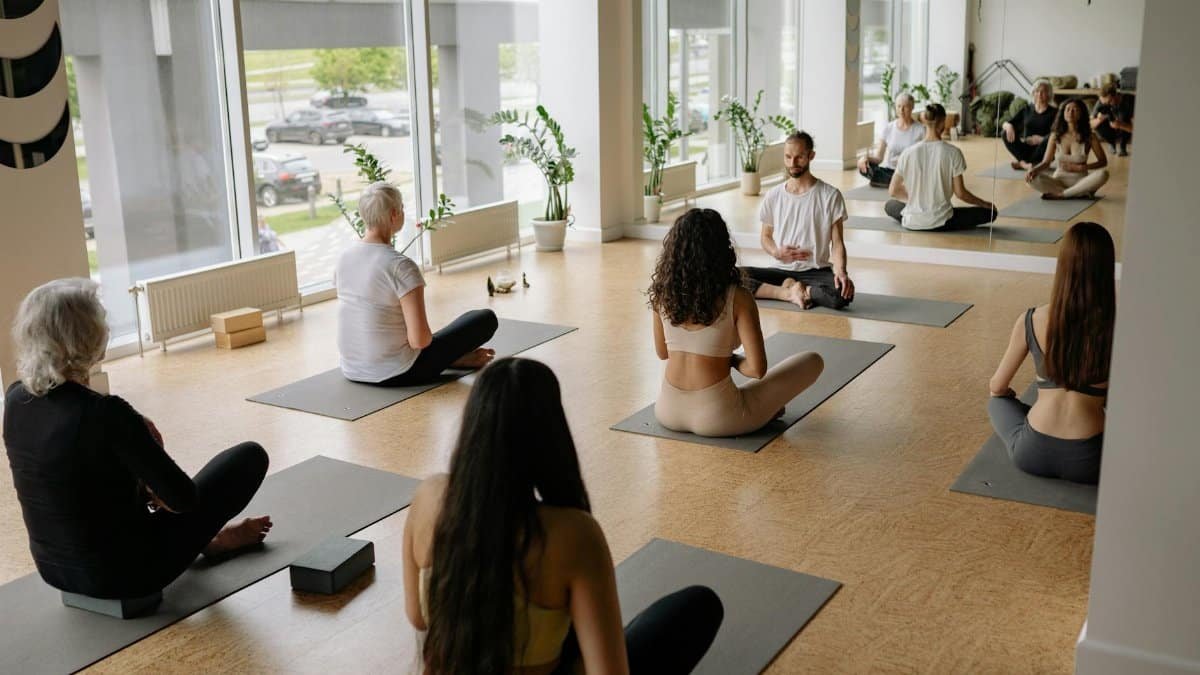
A quiet revolution unfolds in community centers: groups sitting in stillness, breathing in unison. Group mindfulness sessions, from yoga to meditation circles, harness collective calm. Feel the room’s energy shift as guided breaths ease tensions, a shared exhale releasing the week’s weight. The National Center for Complementary and Integrative Health reports that such practices lower cortisol levels, promoting better sleep and focus.
Adaptations abound. Beginners might start with short sessions, building to longer ones. A challenge? Wandering minds, but gentle reminders from the group help refocus. In a California collective, participants incorporated nature walks, blending movement with mindfulness for amplified effects.
For midlifers navigating health concerns or life transitions, this habit offers tools for inner peace. In 2025, with mental health resources stretched thin, these accessible groups democratize wellness, boosting community ties through shared serenity.
7. Engaging in Team Sports
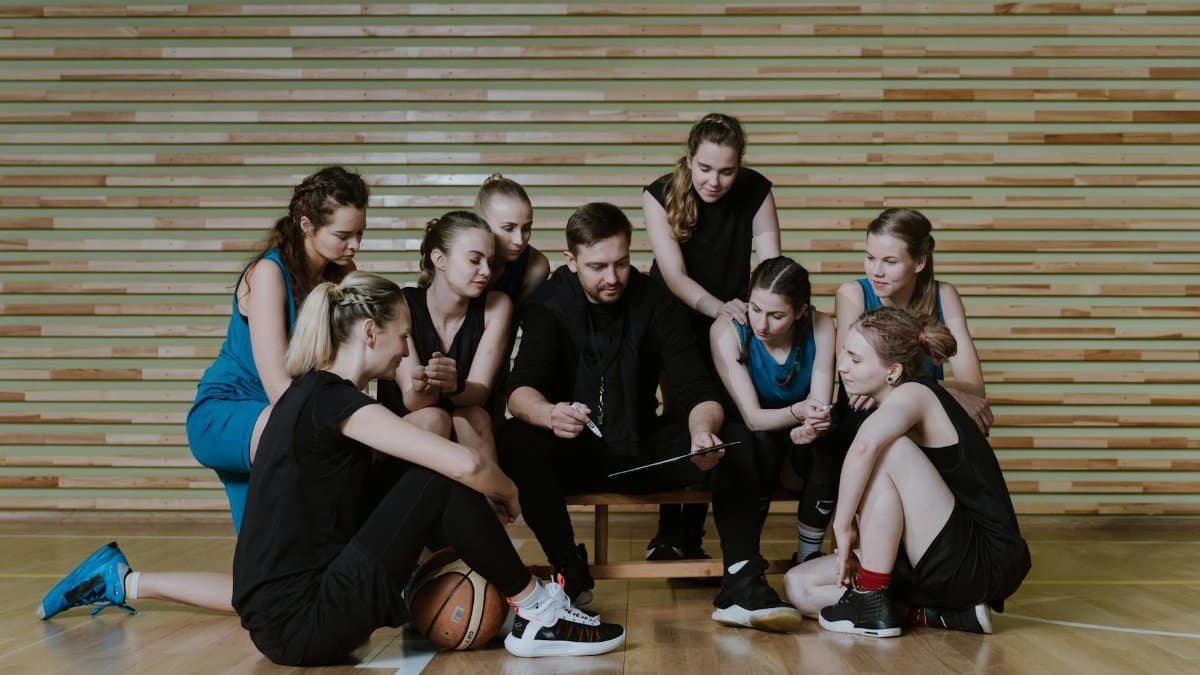
Finally, the thrill of a pickup game or league match reignites playfulness often lost in adulthood. Team sports in community leagues, like softball or soccer, blend exertion with camaraderie. Picture the field alive with cheers, sweat mixing with high-fives after a good play. Research from the Mayo Clinic underscores how these activities improve physical fitness and social bonds, warding off depression.
Dynamics shift with skill levels, but inclusive rules ensure fun for all. One volunteer’s tale: overcoming initial awkwardness to form lasting friendships. Injuries pose risks, mitigated by warm-ups and listening to one’s body. This habit revives youthful energy, countering sedentary lifestyles prevalent in 2025’s digital age.
Ultimately, it’s about more than scores; it’s the post-game chats that solidify connections, weaving wellbeing into the tapestry of community life.