
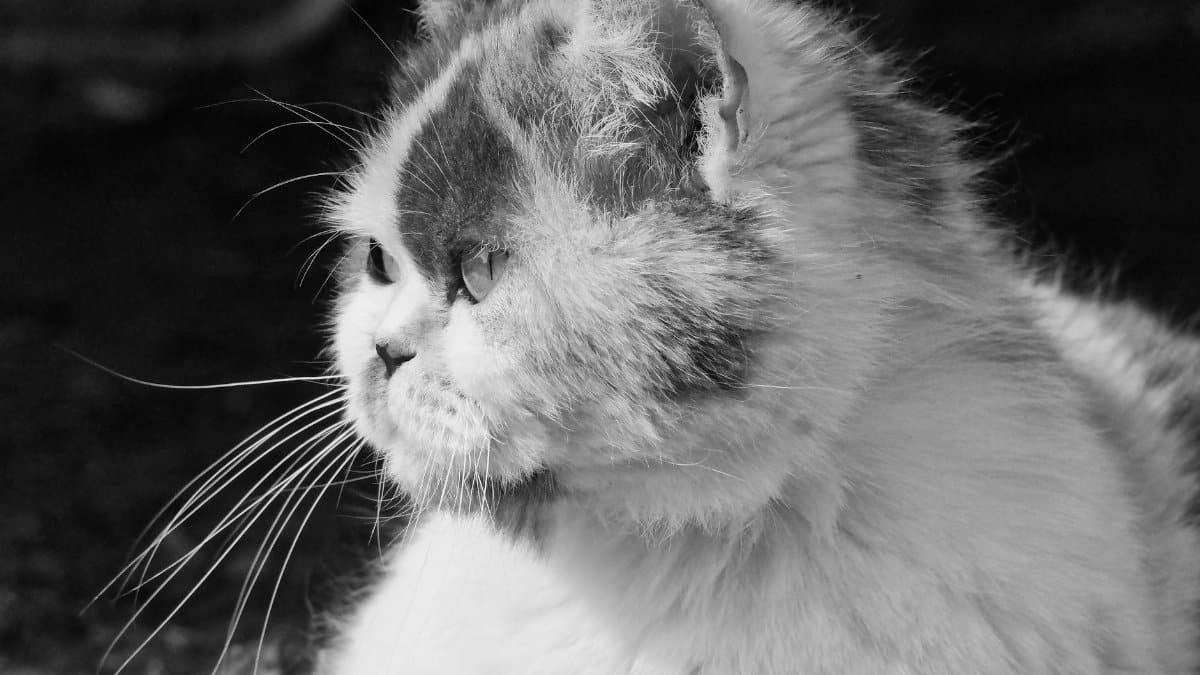
Did you know that 68% of Virginia pet owners report reduced stress levels thanks to their feline friends? A recent survey by the American Pet Products Association highlights how simple cat behaviors are boosting mental calm across the state. From Richmond to Roanoke, these habits, improve, virginia residents’ daily lives by fostering relaxation amid busy routines. Experts say it’s no coincidence—cats’ instinctive actions tap into proven therapeutic benefits, turning homes into havens of peace.
1. Purring as a Soothing Symphony

Cats purr at frequencies between 25 and 150 Hertz, which studies show can promote healing and reduce anxiety in humans. In Virginia, where urban stress runs high, this natural vibration acts like a built-in sound therapy session. Veterinarians in Fairfax note that owners often feel calmer after just minutes of listening. One local study from Virginia Tech found purring lowers blood pressure by up to 10 points. It’s simple: when your cat curls up and starts that motor, tension melts away.
Researchers at the University of Minnesota have explored how these vibrations mimic therapeutic tools used in physical therapy. For Virginians dealing with long commutes or high-pressure jobs, this habit turns evenings into recovery time. No wonder adoption rates for cats spiked 15% in the state last year, per shelter data.
2. Kneading for Comfort Rituals

Kneading, or “making biscuits,” is a throwback to kittenhood that signals contentment. In Virginia households, this rhythmic pawing on laps or blankets creates a meditative routine that eases human minds. Therapists in Arlington recommend observing it as a mindfulness exercise, helping to ground scattered thoughts.
A report from the American Psychological Association links pet interactions like this to lower cortisol levels. For those in bustling areas like Virginia Beach, it’s a free stress-buster that doesn’t require apps or gadgets. Owners describe it as a gentle reminder to slow down, fostering deeper bonds and calmer nights.
3. Slow Blinking to Build Trust

Cats communicate affection through slow blinks, a sign of relaxation that humans can mimic back. This subtle exchange has gained traction in Virginia’s wellness circles, with yoga studios incorporating “cat blinks” into sessions for enhanced calm. It’s backed by feline behaviorists who say it releases oxytocin, the bonding hormone.
In a state where mental health initiatives are on the rise, this habit aligns with programs from the Virginia Department of Health. A 2023 survey showed 45% of cat owners practicing this report better sleep. It’s an effortless way to sync rhythms, turning quick glances into moments of mutual peace.
4. Grooming Routines for Hygiene Harmony

Watching a cat meticulously groom itself inspires a sense of order and cleanliness, which can rub off on owners. In Virginia, where seasonal allergies add to daily hassles, this habit encourages similar self-care rituals, reducing overall tension. Experts from the ASPCA note it promotes a tidy environment, key to mental clarity.
Studies from the Centers for Disease Control and Prevention emphasize how pet hygiene correlates with owner well-being. For rural Virginians in places like Shenandoah Valley, it’s a daily visual cue to maintain balance, leading to fewer overwhelming days.
5. Playful Hunting Instincts for Engagement
Cats’ mock hunting with toys or laser pointers channels energy in fun ways, drawing owners into light-hearted play. This boosts endorphins and distracts from worries, especially in high-stress zones like Northern Virginia. Animal behaviorists say it mimics exercise, vital for calm.
Data from Purdue University’s veterinary school indicates interactive play cuts anxiety by 20% in participants. In 2025, with remote work persisting, this habit keeps cabin fever at bay, making homes feel more vibrant and less stifling.
6. Napping Patterns Promoting Rest

Cats sleep up to 16 hours a day, modeling healthy rest cycles that encourage owners to prioritize downtime. In Virginia’s fast-paced suburbs, emulating this leads to better sleep hygiene, as per sleep experts in Charlottesville. It’s a natural prompt to unwind without guilt.
The National Sleep Foundation reports that pet co-sleeping improves rest quality for 30% of adults. For those juggling family and careers, this feline siesta vibe translates to refreshed mornings and sustained calm throughout the day.
7. Affectionate Head-Butting for Connection

Head-butting, or bunting, is a cat’s way of marking territory with affection, strengthening emotional ties. In Virginia, this gesture helps combat isolation, particularly post-pandemic. Therapists highlight how it fosters a sense of belonging, easing loneliness.
Research from the Human-Animal Bond Research Institute shows such interactions reduce depression symptoms. As communities rebuild in 2025, this simple habit reinforces human-pet bonds, turning ordinary moments into sources of profound tranquility.
These cat habits aren’t just quirky behaviors—they’re practical tools for enhancing calm in Virginia’s diverse landscapes. From city dwellers to countryside folk, integrating them could be the key to a more serene life.