
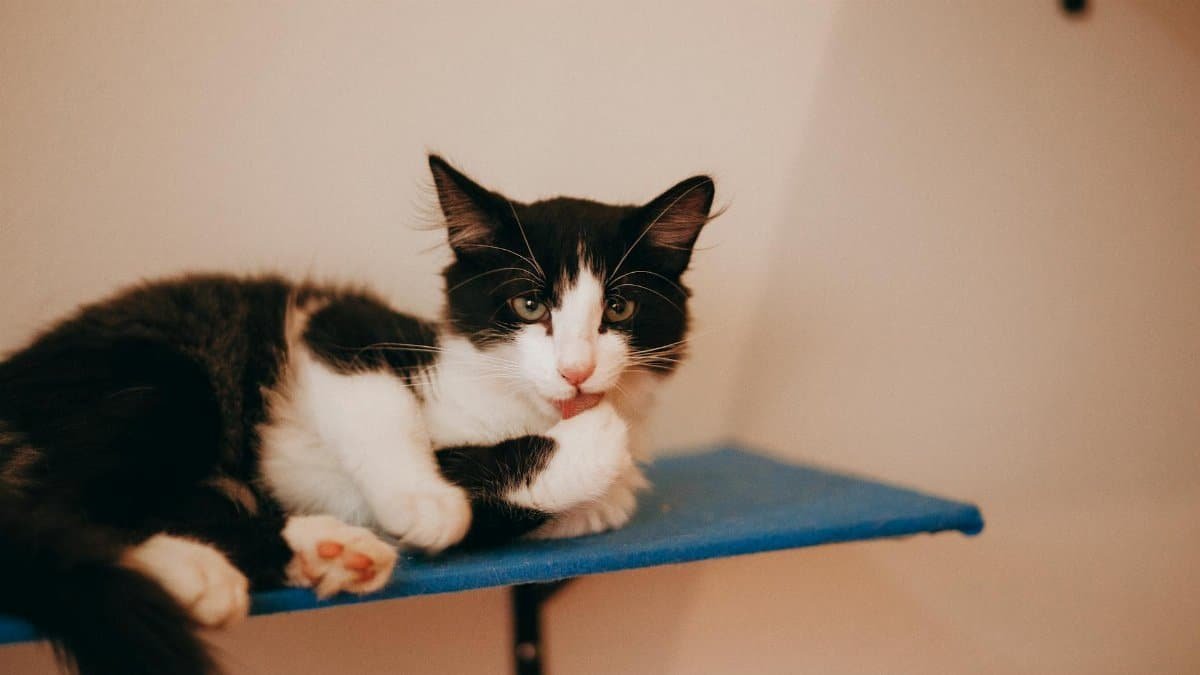
In the sun-drenched neighborhoods of Miami or the quiet suburbs of Tampa, a quiet revolution unfolds daily. Cats, those enigmatic companions, navigate Florida’s humid days with an effortless grace that many residents envy. Amid rising stress from bustling tourism and unpredictable weather, these felines model subtle habits that foster inner peace. A recent survey by the American Pet Products Association notes that over 40% of Florida households own cats, up from previous years, as people seek natural ways to unwind. This trend reflects a broader shift toward embracing animal behaviors for human calm. What if observing these habits, improve, florida could transform our own routines? As we step into 2025, with mental health conversations gaining traction, cats offer timeless lessons in serenity, right in our backyards.
1. Strategic Sunbathing

Cats in Florida seem to have mastered the art of soaking up the sun without a care. Picture a tabby stretched out on a warm patio, eyes half-closed, as palm fronds sway overhead. This isn’t mere laziness; it’s a deliberate pause that recharges their energy. Studies from the University of Florida’s veterinary program highlight how felines regulate body temperature through such basking, which also boosts their mood via natural vitamin D. For humans, adopting a similar ritual—say, a brief morning sit on the porch—can ease the tension from daily commutes or hurricane season worries.
One anonymous account shared online described a hectic workday melting away after mimicking their cat’s sun ritual: “I just lay there, feeling the warmth seep in, and suddenly the emails didn’t matter.” It’s a simple act, yet profound. Researchers at NIH’s National Library of Medicine link sunlight exposure to reduced anxiety, echoing what cats instinctively know. In Florida’s endless summer, this habit invites us to slow down, letting the light dissolve stress like morning fog over the Everglades.
Of course, not every bask turns blissful. Cats sometimes overdo it, seeking shade when the heat peaks, a reminder for us to balance indulgence with caution. Still, weaving this into routines fosters a calmer baseline, turning ordinary moments into pockets of peace.
2. Rhythmic Purring
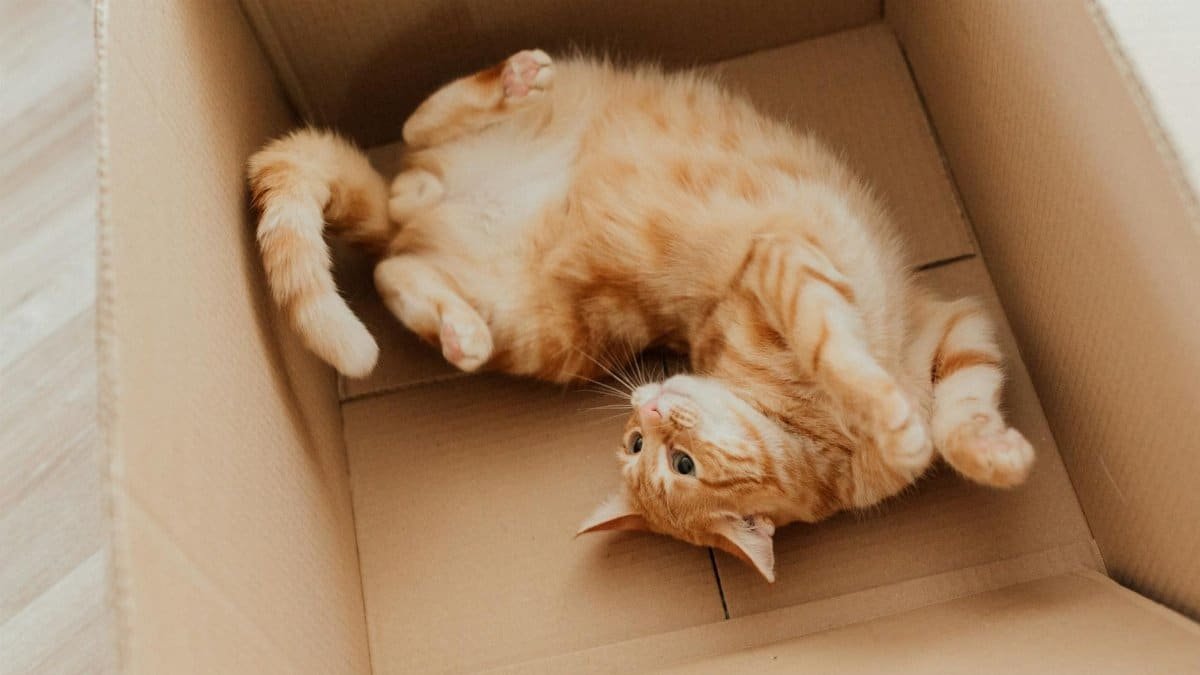
Listen closely in a Florida home during a thunderstorm, and you might hear a low, steady hum from the family cat. Purring isn’t just contentment; it’s a self-soothing mechanism that vibrates at frequencies known to promote healing. Veterinary insights from Cornell University’s College of Veterinary Medicine explain how this vibration can lower heart rates in both cats and nearby humans.
Imagine a retiree in Orlando, weathered by life’s ups and downs, finding solace as their cat curls up and purrs through the evening news. This sound, often between 25 and 150 Hertz, aligns with therapeutic ranges used in human medicine, as detailed in a study from PubMed Central. It’s no wonder pet therapy programs flourish here, where seasonal affective dips hit hard despite the sunshine.
Yet purring carries layers. Cats do it when injured too, turning vulnerability into resilience. For Floridians juggling work and family, emulating this—through humming or deep breathing—builds emotional armor. One local story whispers of a woman who started “purring” her way through traffic jams, chuckling at how it diffused road rage. Such adaptations highlight cats’ quiet wisdom in nurturing calm amid chaos.
3. Methodical Grooming
Grooming sessions for Florida cats often unfold like a ritual bath, tongues meticulously smoothing fur matted by humidity. This habit maintains hygiene but also serves as a meditative practice, releasing endorphins that dial down stress. Experts at the ASPCA note that self-grooming occupies up to 50% of a cat’s waking hours, a statistic that underscores its role in emotional regulation.
Shift the scene to a bustling Jacksonville apartment, where a cat pauses amid the din of city life to lick a paw, then another, methodically. Humans can draw parallels by incorporating grooming-like routines, such as mindful skincare or yoga stretches, to center themselves. A report from Pew Research Center on mental health trends shows rising self-care practices in the South, aligning with this feline-inspired approach.
There’s a tension here, though: over-grooming signals anxiety in cats, a cue for owners to intervene. It prompts reflection on our own habits—when does self-care tip into obsession? By observing and adapting, Floridians might find balance, turning daily maintenance into a pathway for deeper tranquility.
4. Selective Napping
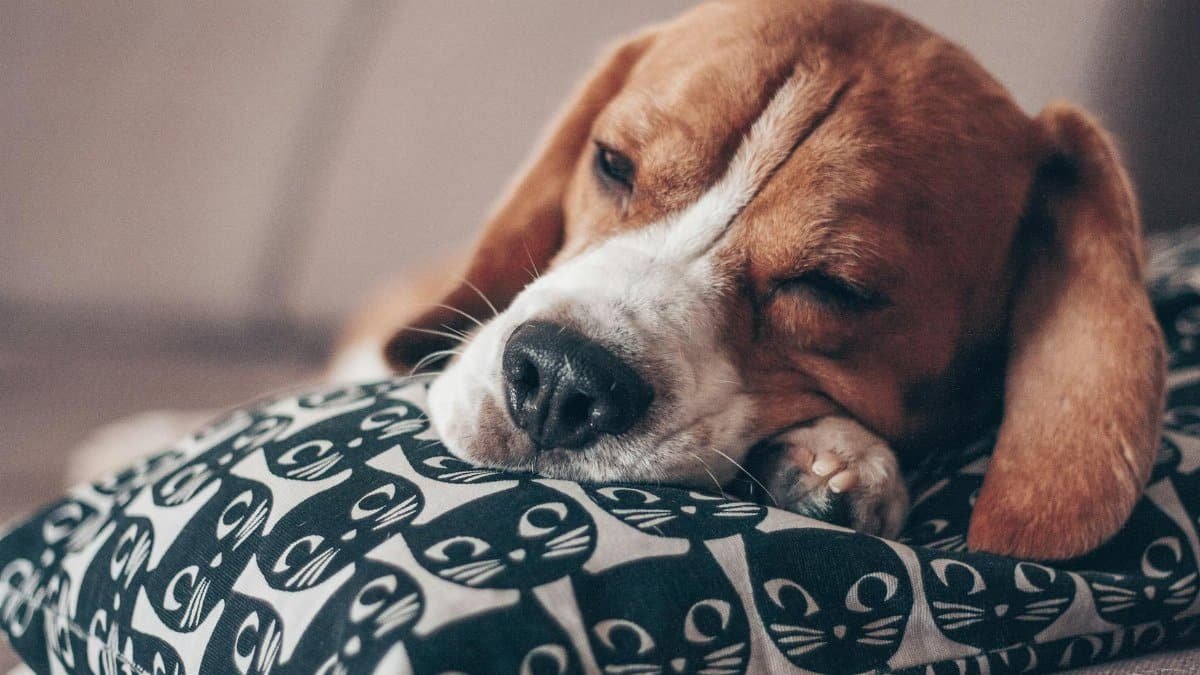
Cats don’t nap haphazardly; they choose spots with precision, often curling up in sunlit windows or quiet corners away from the household bustle. In Florida’s variable climate, this selective rest conserves energy and restores mental clarity. Animal behaviorists at the Smithsonian’s National Zoo describe how these power naps align with circadian rhythms, enhancing overall well-being.
Envision a Siamese in Sarasota, dozing as afternoon rains patter outside, emerging refreshed. For people, short naps—10 to 20 minutes—can mimic this, combating the fatigue from long drives or beach days. Insights from CDC’s Sleep and Sleep Disorders page affirm that strategic rest improves mood and productivity, a boon in a state where tourism demands constant energy.
But naps aren’t always straightforward. Cats wake alert, ready for action, teaching us to set boundaries around rest. One shared experience online captured a man napping like his cat during lunch breaks: “It sharpened my focus, like hitting reset.” This habit, woven into Florida life, underscores rest as a tool for sustained calm, not indulgence.
5. Observant Watching

Perched on windowsills, Florida cats fixate on birds flitting through mangroves or lizards darting across lawns, their focus unwavering yet relaxed. This watchful stillness hones patience and mindfulness, traits that buffer against daily irritants like traffic or crowds.
Think of a cat in the Keys, tail twitching slightly as it observes the world unfold. Humans can adopt this by practicing “mindful observation”—pausing to watch nature without judgment. A study linked from Harvard’s health publications emphasizes how such practices reduce stress hormones, particularly relevant in 2025 as urban sprawl intensifies.
Complexity arises when watching turns to hunting instincts, adding a thrill that keeps cats engaged. For us, it might mean channeling curiosity into hobbies, preventing boredom-induced anxiety. Stories circulate of Floridians who started birdwatching after their pets, finding unexpected peace in the ritual. It’s a subtle shift, transforming passive moments into active calm.
6. Gentle Kneading
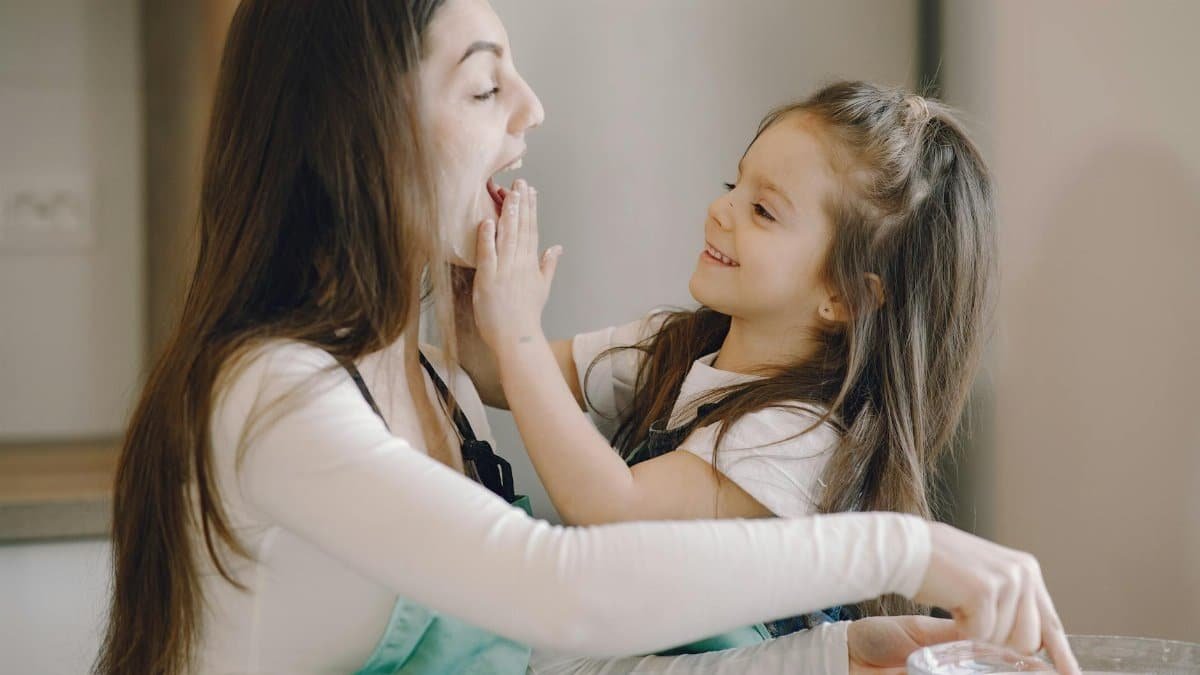
Kneading, that rhythmic paw-pushing on soft surfaces, harks back to kittenhood comfort for cats. In Florida homes, it’s a common sight on laps or blankets, releasing tension and fostering security amid the state’s lively vibe.
A calico in Palm Beach might knead before settling, eyes softening. This action stimulates feel-good chemicals, as explored in feline behavior research. Emulating it through massage or fidget tools can ground humans, easing the mental load from work or weather alerts.
Yet kneading can scratch if unchecked, mirroring how comfort habits sometimes border on compulsion. Balancing this teaches moderation. One anecdote recalls a teacher kneading dough as therapy: “Like my cat, it calms the storm inside.” In Florida’s blend of relaxation and energy, this habit offers a tactile route to inner quiet.
7. Playful Hunting

Even indoor cats channel their inner predator through playful chases of toys or shadows, burning energy in bursts that prevent restlessness. Florida’s abundant insects and wildlife amplify this, keeping felines engaged and balanced.
Watch a Bengal dart after a feather wand in a Fort Lauderdale living room, fully immersed. This play regulates emotions, per animal welfare groups. For people, short bursts of activity—like a quick game—can dispel stagnation, vital in humid climes where lethargy lurks.
The edge comes in overexcitement, but cats self-regulate, a lesson in pacing. Online, someone shared how mimicking cat play revitalized their evenings: “It turned fatigue into fun.” As habits, improve, florida evolve, this playful pursuit rounds out a toolkit for enduring calm, blending joy with serenity.