
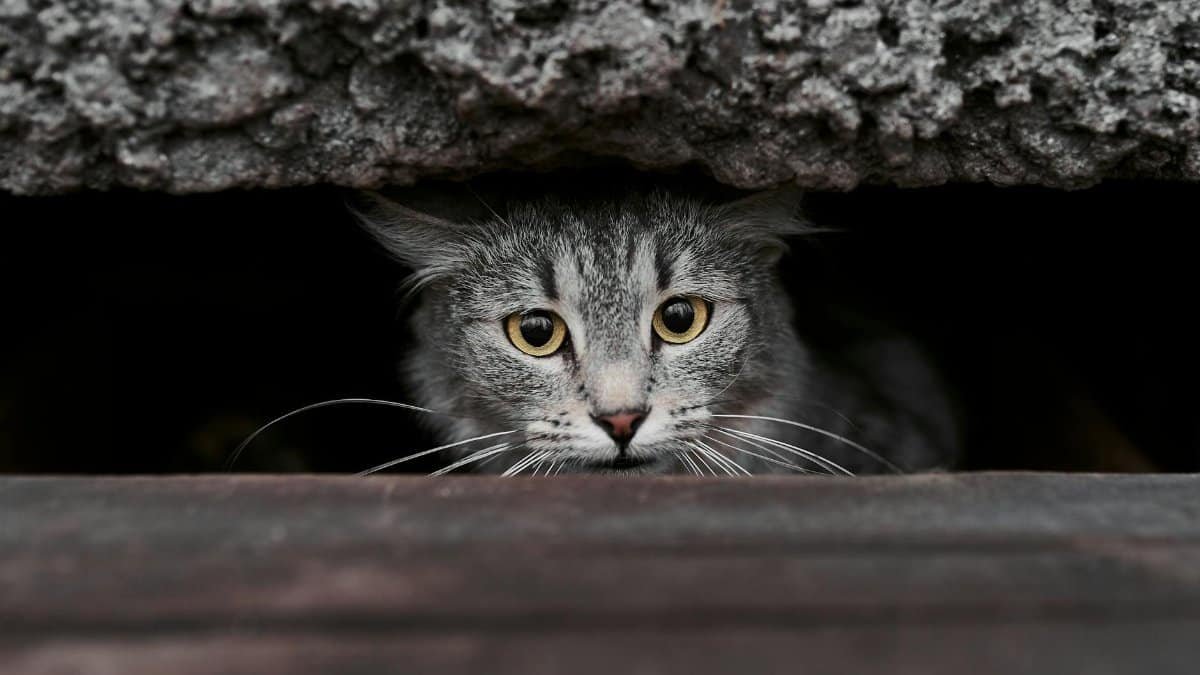
New data shows that 75% of pet owners miss subtle cues from their animals, leading to unchecked stress in households. This oversight is sparking a wave of interest in decoding pet behaviors. Simply put, animal signals reveal hidden tension through everyday actions, and understanding them can foster calmer environments. As U.S. vets report rising anxiety cases in pets amid urban living pressures, experts urge awareness. Ignoring these signs isn’t just oversight—it’s a missed chance for harmony. In 2025, with mental health in focus, tuning into these signals could transform pet-human bonds.
1. Tail Wagging Patterns
Dogs are masters of non-verbal communication, and their tails tell tales. A slow, low wag often signals unease rather than joy. Experts from the American Kennel Club note that when a dog’s tail is held low and wags stiffly, it might indicate underlying tension. This behavior stems from evolutionary instincts where animals mask vulnerability. Pet owners in bustling cities like New York frequently misread this as mere shyness. Recognizing it early can prevent escalation into aggression. Studies show that addressing such signals reduces household conflicts by up to 30%. For more on canine body language, check the American Kennel Club’s guide.
2. Ear Positioning in Cats
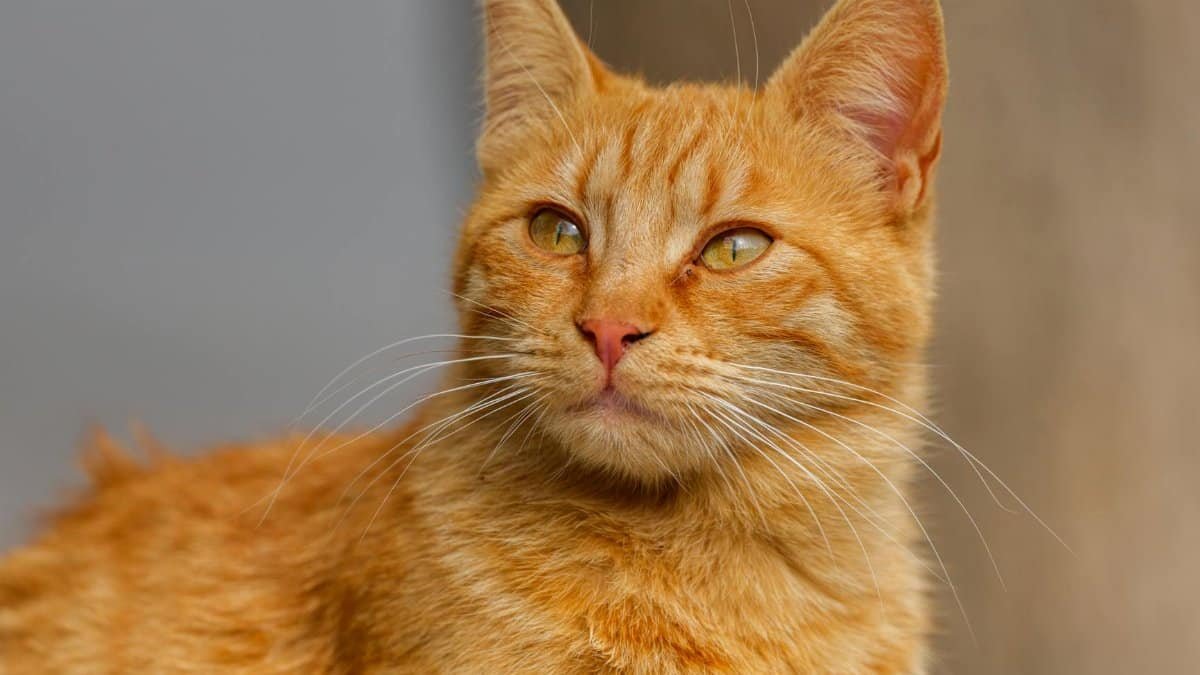
Cats flatten their ears against their heads when tension builds. This isn’t just a quirky pose—it’s a clear indicator of discomfort or fear. According to the ASPCA, flattened ears often accompany other stress signs like dilated pupils. In multi-pet homes, this signal reveals hidden rivalries that could lead to fights. Vets in California have seen a spike in such cases post-pandemic, as remote work blurs boundaries. Ignoring ear positions can result in scratched furniture or worse, injured animals. Training yourself to spot this promotes a peaceful space. The Humane Society offers insights via their cat behavior resources.
3. Bird Feather Ruffling
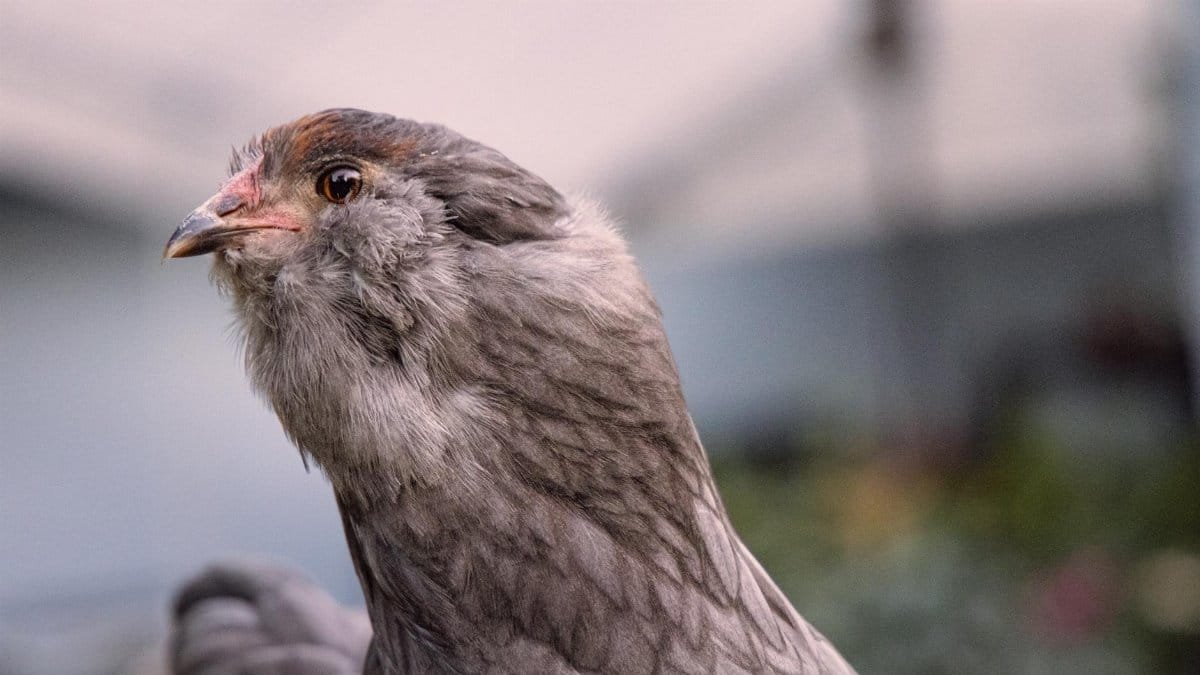
Birds ruffle their feathers excessively when stressed, a behavior mimicking illness to ward off threats. Ornithologists explain this as a defense mechanism in species like parrots. In home settings, constant ruffling points to environmental tensions, such as loud noises or poor cage placement. A 2024 survey by the Audubon Society found 40% of bird owners overlook this, leading to health declines. Spotting it early allows adjustments, like quieter spots, enhancing bird welfare. This signal is crucial in urban apartments where noise pollution is rampant. For detailed avian studies, visit the Audubon Society’s bird resources.
4. Horse Stomping and Pawing
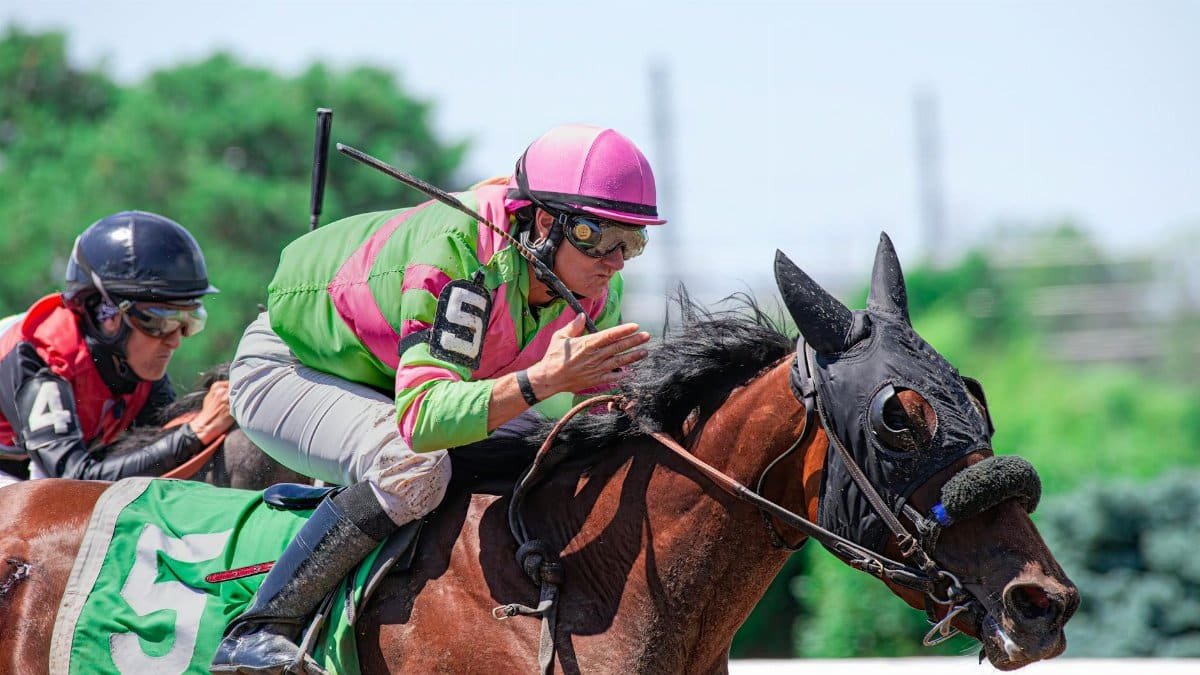
Horses paw the ground or stomp when tension simmers beneath the surface. Equine experts from the University of Kentucky’s extension program link this to frustration or anxiety, often from confinement. Ranchers in Texas report increased incidents during hot summers, exacerbating stress. This signal reveals hidden issues like poor stable conditions or health problems. Addressing it promptly can avert injuries. In therapeutic riding programs, recognizing pawing has improved outcomes for riders with anxiety. It’s a reminder that large animals communicate subtly yet powerfully.
5. Rabbit Thumping
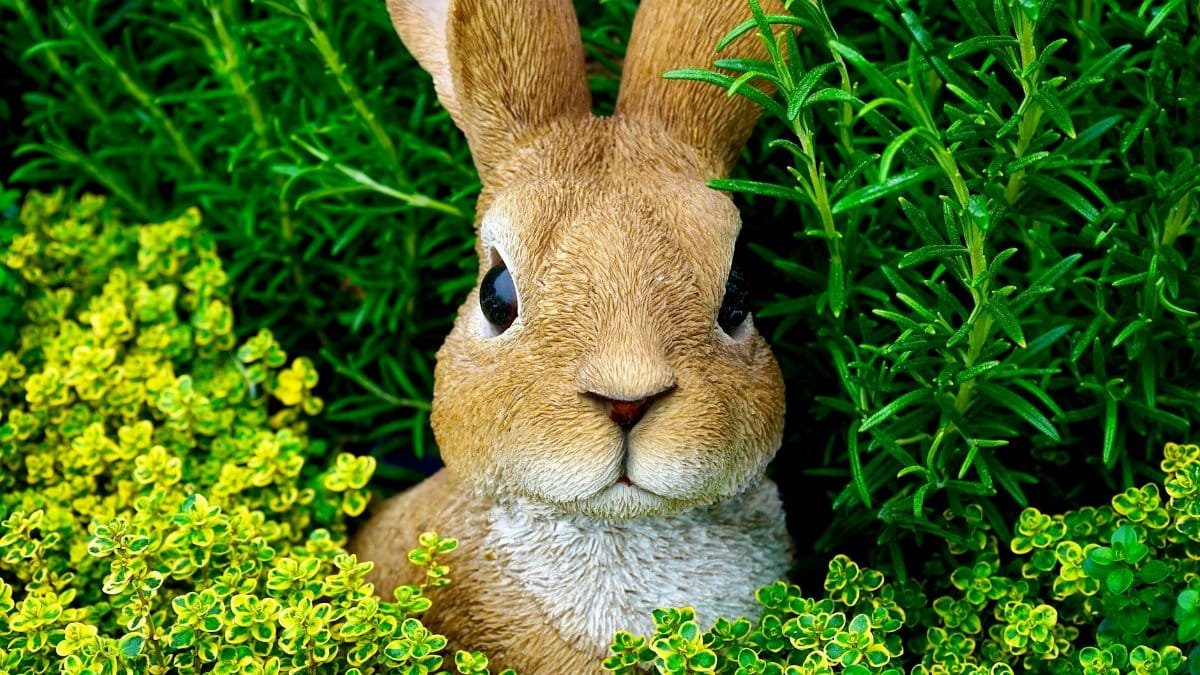
Rabbits thump their hind legs loudly to alert others of danger, but repeated thumping at home signals ongoing tension. The House Rabbit Society highlights this as a response to perceived threats, like unfamiliar scents. In suburban U.S. homes, where rabbits are popular pets, this behavior often goes unnoticed until it becomes chronic. It can indicate overcrowding or predator fears. Owners who intervene by creating safe zones see calmer bunnies. This instinctive action underscores how wild roots influence domestic life, promoting empathy in pet care.
6. Fish Fin Clamping
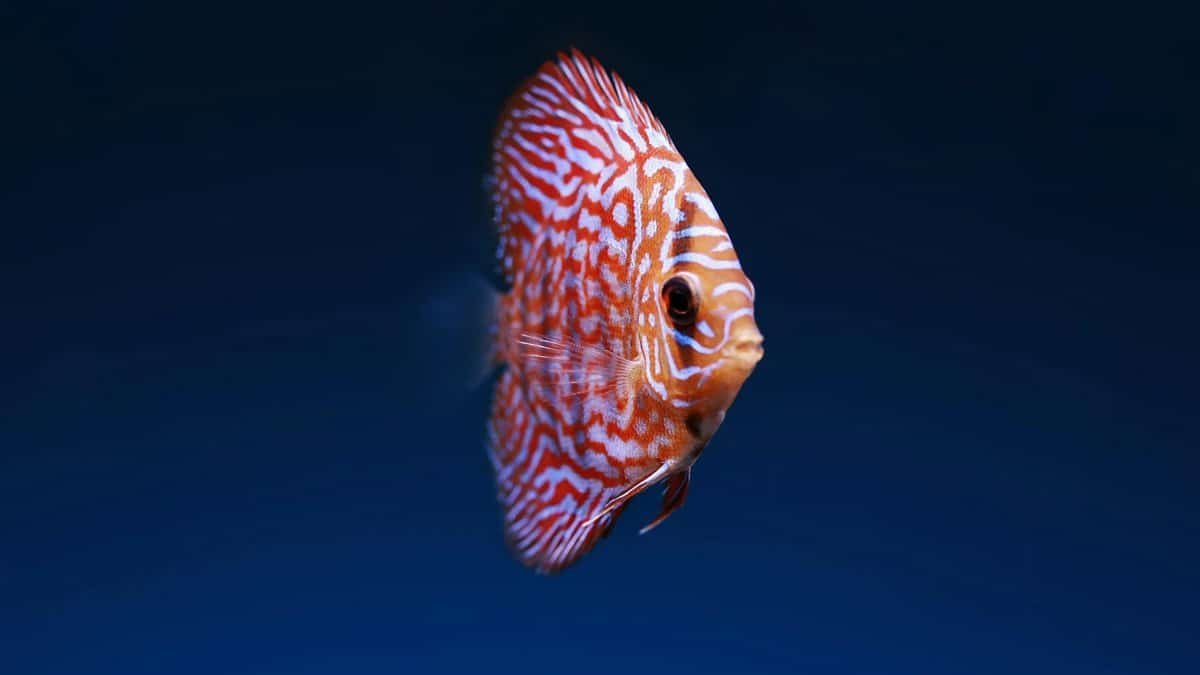
Aquarium fish clamp their fins close to their bodies when stressed, a subtle sign of tension in water quality or tank mates. Marine biologists from the NOAA note this in species like bettas, where aggression leads to hiding behaviors. Hobbyists in Florida, a hub for aquariums, frequently miss this, resulting in disease outbreaks. Monitoring fin positions can reveal hidden issues like ammonia spikes. Simple fixes, such as better filtration, restore balance. In 2025, with eco-awareness rising, understanding these signals supports sustainable pet keeping. NOAA’s fisheries page provides more at NOAA Fisheries.
7. Rodent Whisker Twitching
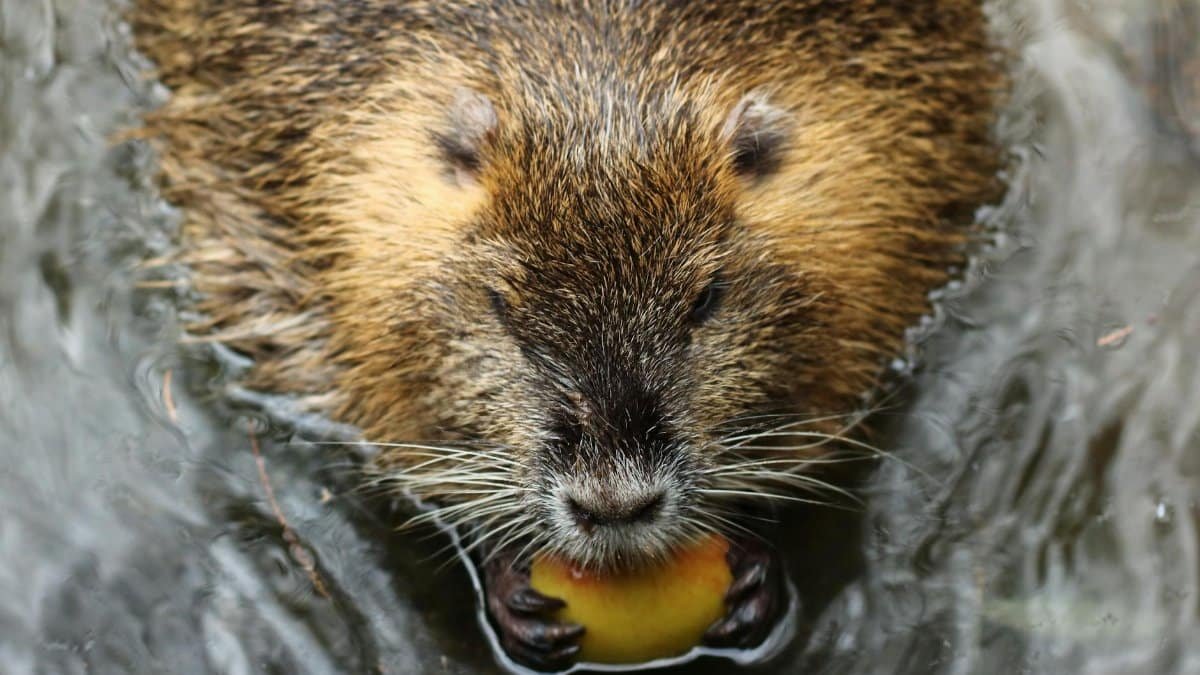
Rodents like hamsters twitch their whiskers rapidly under tension, scanning for threats. Researchers at Purdue University’s animal sciences department link this to heightened alertness in confined spaces. Pet stores across the Midwest see owners puzzled by this, mistaking it for play. It often reveals hidden stressors like inadequate bedding or noise. Responding with enriched environments calms them. This signal highlights the need for attentive care in small pets, preventing behavioral issues. Purdue’s resources on small animals are available at Purdue Animal Sciences.
Decoding these animal signals isn’t just about observation—it’s about action. U.S. animal welfare groups emphasize education to curb rising stress-related vet visits. By heeding these cues, owners can uncover and ease hidden tensions, fostering healthier bonds. In a fast-paced world, this awareness brings calm to both pets and people.