

A recent study from the American Psychological Association revealed that 68% of Americans report feeling overwhelmed by the pace of daily life, a number that’s climbed steadily over the past decade. What if turning to the animal kingdom could offer a simple antidote? In our rush to keep up with emails, deadlines, and endless notifications, many are rediscovering how animal cues can prompt us to pause. These subtle signals from nature, like a bird’s gentle chirp or a cat’s rhythmic purring, tap into something primal. They remind us that slowing down isn’t a luxury; it’s essential. This concept of animal, people interactions highlights how observing or engaging with creatures can ground us, fostering calm in chaotic times. As we navigate 2025’s demands, exploring these cues might just be the reset we need.
1. The Soothing Rhythm of a Purring Cat
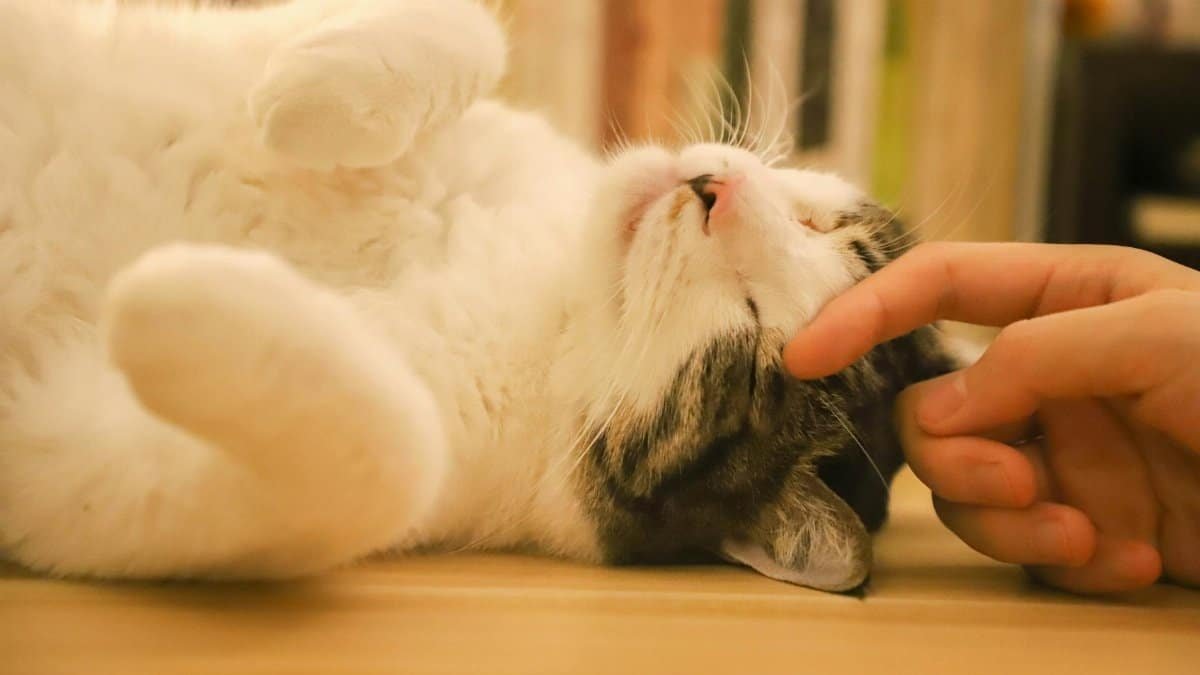
Cats have long been companions in human homes, their purrs a familiar backdrop to quiet evenings. But there’s more to that vibration than meets the ear. Research shows that the frequency of a cat’s purr, typically between 25 and 150 Hertz, aligns with ranges known to promote healing and relaxation in humans. One study from the University of Sussex explored how petting a cat can lower heart rates, providing a natural buffer against stress. University of Sussex Research on animal human bonds underscores this effect, suggesting that the sound alone can mimic the comfort of a steady heartbeat.
Imagine settling into an armchair after a long day, a feline friend curling up on your lap. The low rumble starts, and suddenly the world’s frenzy fades. It’s not magic; it’s biology. This cue invites people to sync with a slower tempo, one dictated by instinct rather than schedules. In bustling cities like New York, where noise never stops, such moments become vital anchors. Online discussions often reveal how cat owners credit these purrs for pulling them back from burnout, with one anonymous account describing it as “a lullaby that silences the mental chatter.”
Yet, not everyone has a pet. Even recordings of purring, available through apps, can mimic the benefit. The key lies in intentional listening, letting the rhythm guide your breath. Over time, this practice builds resilience, turning fleeting calm into a habit.
2. Watching Birds in Flight
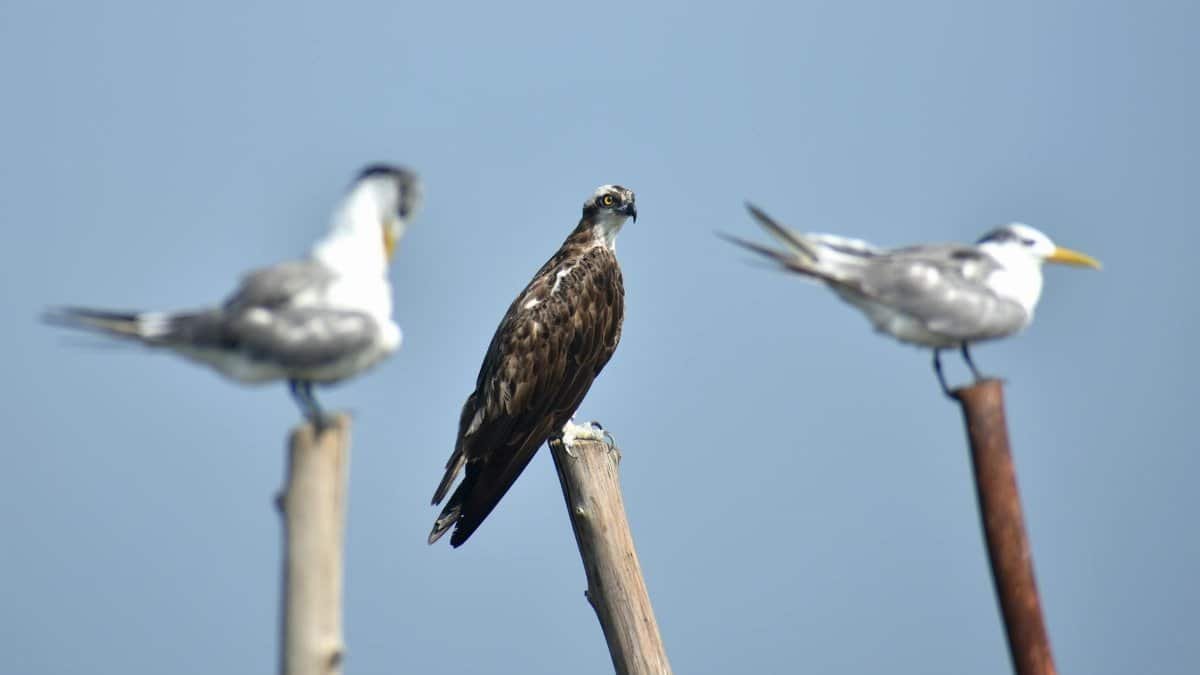
“Look up,” a friend once advised during a particularly hectic week, pointing to a flock of sparrows darting across the sky. That simple act shifted everything. Birdwatching, or even casual observation, serves as a powerful cue to slow down. The National Audubon Society reports that engaging with birds can reduce anxiety by encouraging mindfulness. Their unpredictable paths force us to be present, breaking the cycle of constant planning.
A deeper dive reveals why. According to findings from Cornell University’s Lab of Ornithology, time spent observing avian behavior correlates with improved mood and lower cortisol levels. Cornell Lab of Ornithology studies highlight how this activity fosters a sense of wonder, pulling focus from digital screens to the natural world. In 2025, with urban green spaces expanding, more Americans are incorporating birdwatching into routines, from balcony feeders to park strolls.
Consider a morning in Central Park, where joggers pause to watch pigeons coo or hawks soar. These interruptions aren’t distractions; they’re invitations to breathe. The variety in flight patterns, from swift dives to lazy glides, mirrors life’s ebbs and flows, teaching patience without words.
3. The Gentle Gaze of a Dog

Dogs stare with an intensity that’s hard to ignore, their eyes locking onto ours in a silent conversation. This gaze isn’t just endearing; it’s a cue wired to calm. Oxytocin, the “bonding hormone,” surges during these moments, as detailed in a study from the National Institutes of Health. National Institutes of Health research on human animal interactions shows that mutual eye contact with dogs can decrease blood pressure, offering a quick path to relaxation.
Picture a loyal retriever tilting its head, waiting for your response. That pause creates space, a break from the rush. For many, especially in remote work setups prevalent in 2025, this becomes a daily ritual. It’s not about training or commands; it’s the raw connection that slows the mind. Tensions arise when we overlook these signals, rushing past without engaging, but embracing them transforms routine into respite.
Variations exist across breeds, yet the effect holds. Even brief encounters, like at a dog park, yield benefits, weaving animal, people bonds into everyday life.
4. Listening to Ocean Waves Echoed in Whale Songs
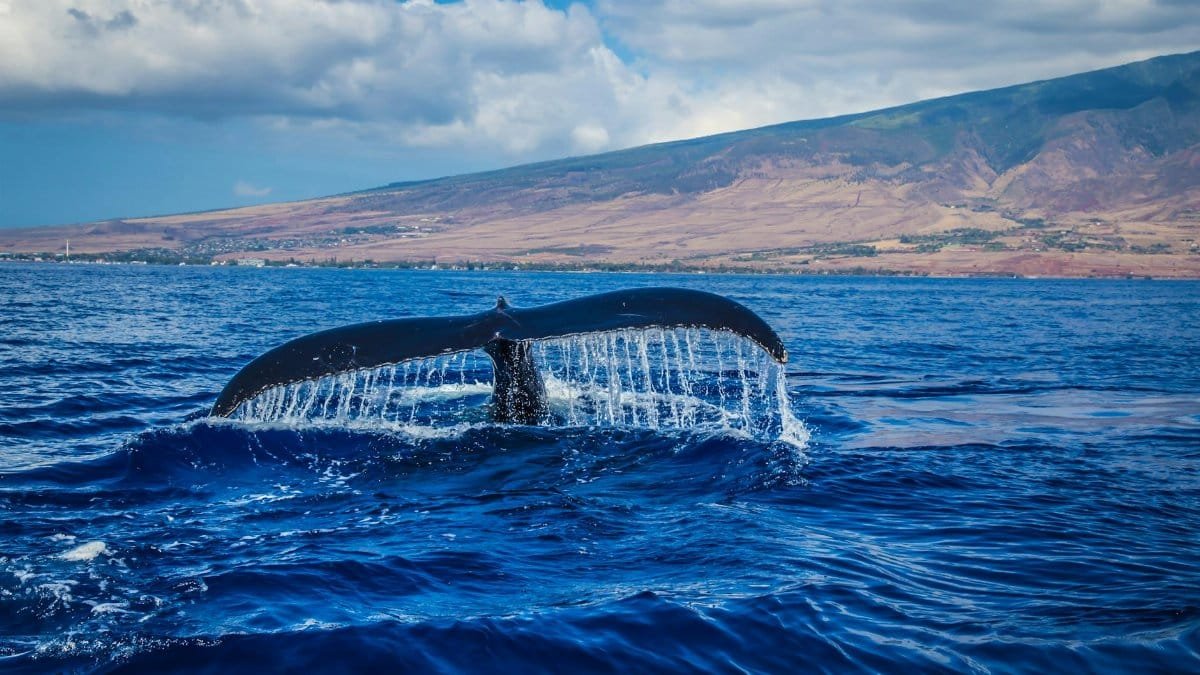
Deep beneath the surface, whales communicate with haunting melodies that travel miles. Though not always accessible in person, recordings of these songs provide a profound cue for slowing down. The slow, resonant tones encourage deep breathing, mimicking the ocean’s ebb. A report from the Woods Hole Oceanographic Institution links exposure to such sounds with reduced stress, drawing parallels to meditation practices. Woods Hole Oceanographic Institution archives offer insights into how these vocalizations promote tranquility.
One might start with a podcast episode, letting the calls wash over them during a commute. It’s a reminder that nature operates on vast timelines, far removed from our hurried ones. In coastal communities, live encounters amplify this, but technology bridges the gap for inland dwellers. The complexity of the songs, with their layered echoes, invites reflection on life’s deeper rhythms, countering superficial distractions.
Challenges emerge when noise pollution disrupts these natural symphonies, yet conservation efforts in 2025 aim to preserve them, ensuring future generations can tune in for calm.
5. The Steady Trot of a Horse
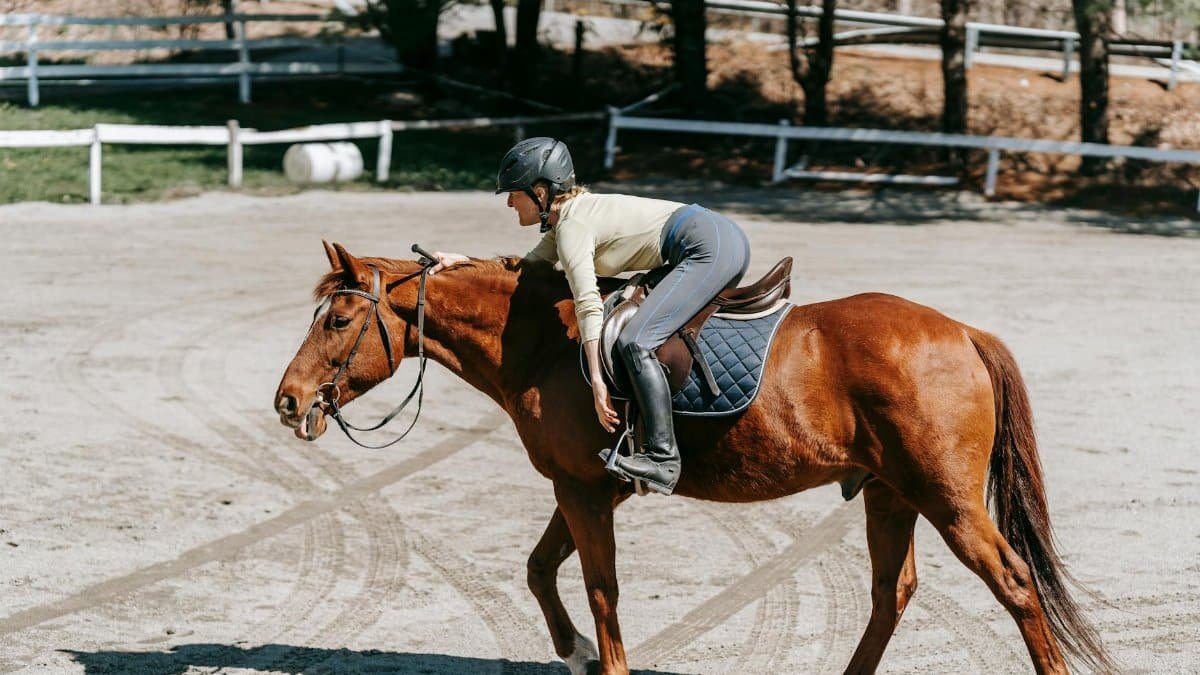
Horses move with a deliberate grace, their hooves clipping against the ground in a measured beat. Riding or simply walking alongside one can synchronize human pulses to this pace, a therapeutic tool recognized in equine assisted therapy. The American Heart Association notes that such interactions lower heart rates, fostering emotional regulation. American Heart Association guidelines on stress management include animal therapies, emphasizing their role in slowing mental whirlwinds.
Envision a trail ride where the horse’s gait dictates the speed, forcing riders to let go of control. This surrender is key, as it counters the acceleration of modern life. For veterans or those in high stress jobs, programs leveraging this cue have shown remarkable results, blending physical movement with mental pause. Online forums buzz with stories of transformation, one sharing how “the horse’s calm became my own, step by step.”
Accessibility varies, but even videos of horses grazing can evoke similar effects, making this cue adaptable to urban settings.
6. Butterflies and Their Delicate Flutter
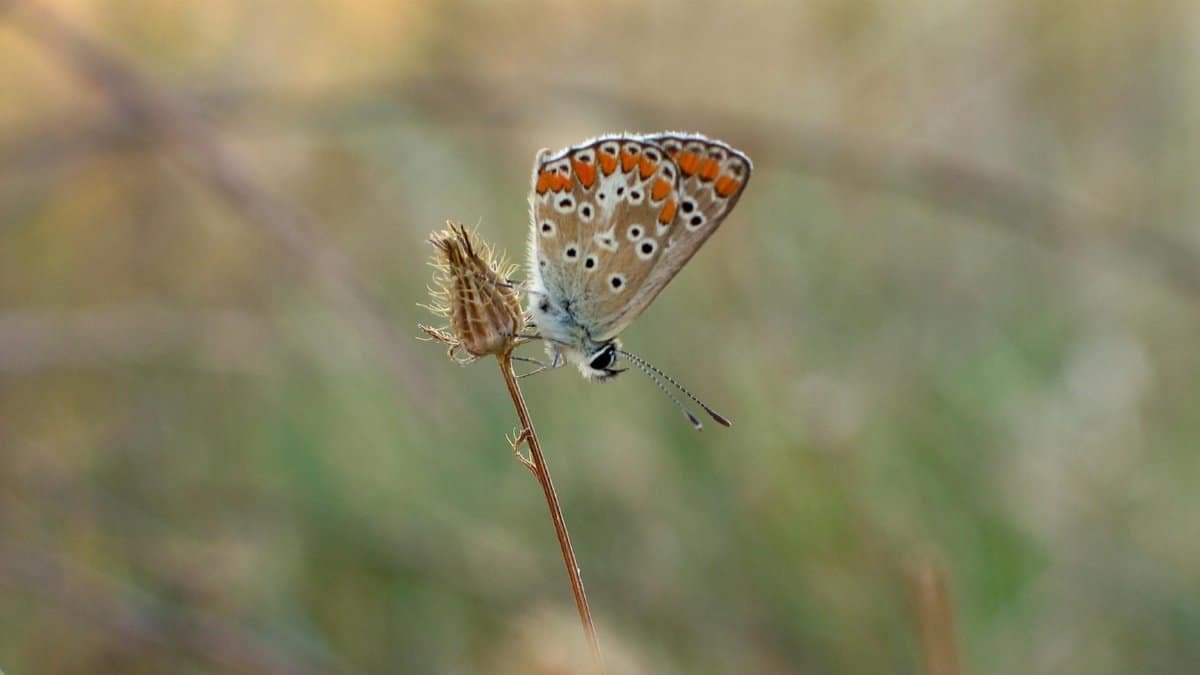
Butterflies embody transience, their wings beating in soft, erratic patterns that captivate without demanding much. Observing them prompts a gentle slowdown, as the eye follows their dance. Entomological studies from the Smithsonian Institution reveal that such nature immersion boosts well being, with butterflies symbolizing renewal. Smithsonian Institution resources on biodiversity highlight how these insects encourage contemplative states.
A garden visit turns into a lesson in patience, waiting for a monarch to alight. This isn’t passive; it’s an active engagement that quiets inner noise. In 2025, with pollinator gardens popping up in schools and communities, more people access this cue. The flutter contrasts with our linear pursuits, introducing whimsy and reminding us of impermanence.
Yet, habitat loss poses a threat, underscoring the need to protect these delicate messengers of calm.
7. The Quiet Foraging of Squirrels
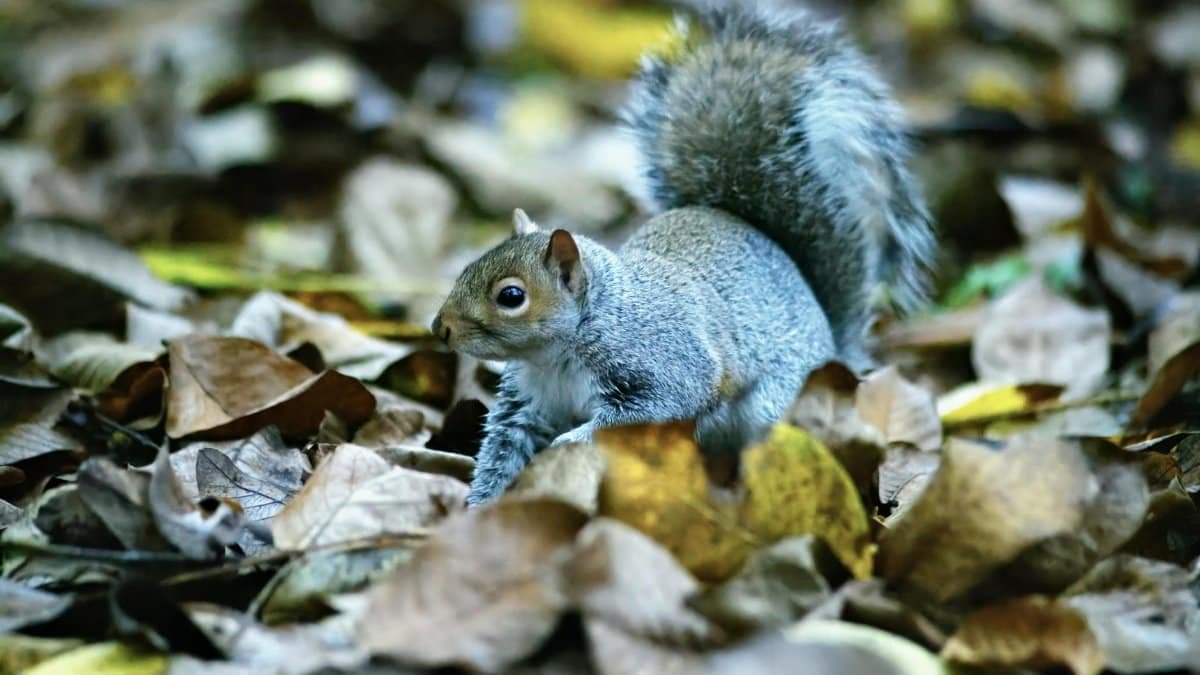
Squirrels scamper with purpose, yet their foraging is methodical, a series of pauses and darts. Watching them gather nuts invites us to appreciate small, deliberate actions over haste. Behavioral ecology research from Purdue University demonstrates how observing wildlife like squirrels can enhance focus and reduce impatience. Purdue University Psychology Department studies on nature’s impact support this, linking it to better emotional health.
From a park bench, one notices the squirrel’s calculated risks, mirroring our own need for balance. This cue thrives in suburban backyards, where animal, people encounters are commonplace. It teaches that productivity doesn’t require speed; sometimes, it’s about the thoughtful gather. As cities greenify in 2025, these observations become more integrated, offering urbanites a natural brake on life’s accelerator.
Embracing this final cue rounds out a toolkit for deceleration, drawn from the animal world’s wisdom.