

A recent survey from the American Psychological Association revealed that over 40% of adults in the Midwest, including Ohio, report heightened stress levels in 2025, often linked to urban sprawl and daily pressures. Yet amid this, a growing number turn to nature for solace. What if observing wildlife behaviors could teach us emotional balance? In Ohio’s diverse landscapes—from the rolling Appalachians to Lake Erie’s shores—animals exhibit quiet lessons in resilience and calm. Think of the patient heron waiting by a stream or the adaptable raccoon navigating suburban edges. These aren’t just survival tactics; they’re models for human equilibrium. As ecologists note, such observations foster mindfulness, reducing anxiety in subtle ways. This article explores six wildlife behaviors that teach emotional balance, drawing from Ohio’s rich biodiversity to offer practical insights for everyday life.
1. The Heron’s Stillness: Embracing Patience Amid Uncertainty
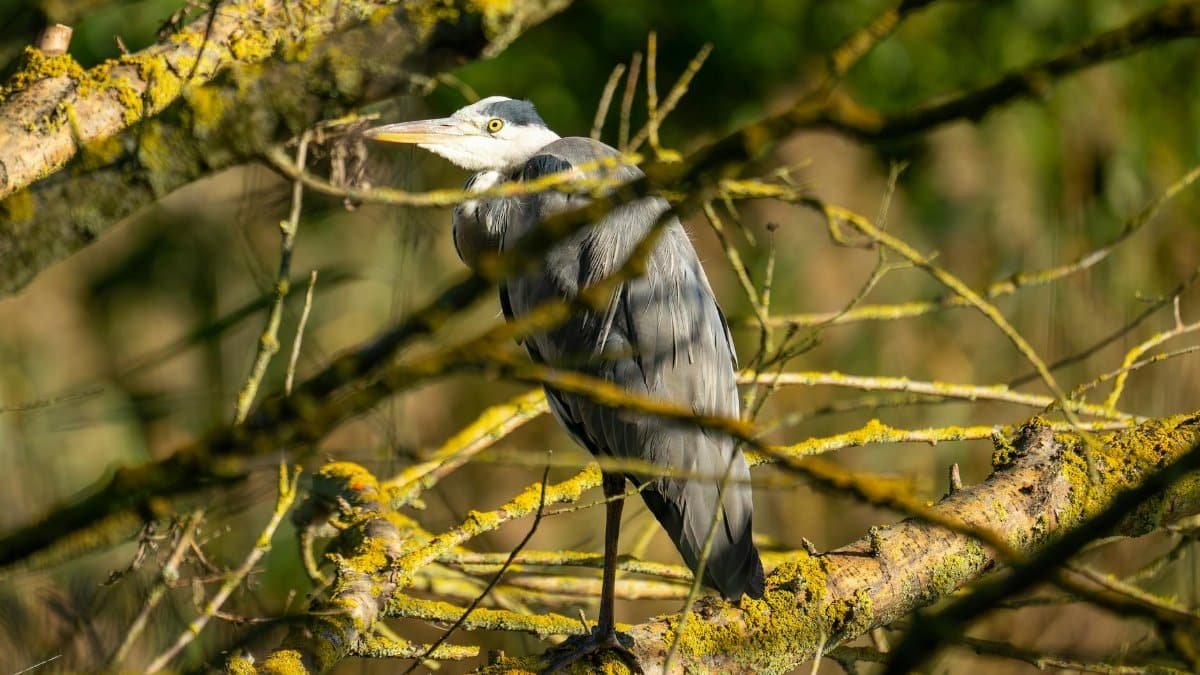
In the misty wetlands of Ohio’s Magee Marsh, a great blue heron stands motionless, its long neck arched like a question mark against the dawn sky. This bird doesn’t chase its prey; it waits, embodying a profound lesson in patience. For humans grappling with emotional turbulence, this behavior highlights the power of stillness. Rushing through decisions often amplifies stress, but mirroring the heron’s poise can cultivate inner calm.
Consider a hiker in Cuyahoga Valley National Park who paused during a trail walk, inspired by a heron nearby. “It was like the bird was reminding me to breathe,” she later shared in an anonymous online reflection. Such moments underscore how wildlife behaviors teach us to endure uncertainty without frenzy. Research supports this: a study from the University of Michigan found that nature immersion lowers cortisol levels, promoting emotional stability. Nature Scientific Reports on Nature Exposure details how even brief observations reduce physiological stress markers.
This isn’t about inaction, though. The heron strikes with precision when the moment arrives, teaching balanced timing. In Ohio’s fluctuating seasons, where floods and droughts test wildlife, this adaptability resonates. People facing job insecurities or family strains might find solace here, learning to wait without unraveling.
2. Squirrels’ Foraging Frenzy: Building Reserves for Tough Times

Watch a gray squirrel dart across an Ohio backyard, burying acorns with frantic energy, and you see a masterclass in preparation. These creatures don’t hoard out of greed; it’s survival instinct, stashing food for winter’s bite. For emotional balance, this behavior illustrates foresight—gathering inner resources before crises hit.
One autumn in Columbus, a community gardener noticed squirrels methodically caching nuts amid falling leaves. It sparked a realization: just as they prepare, humans can build emotional buffers through routines like journaling or meditation. A report from the National Institutes of Health links such proactive habits to better mood regulation. NIH Study on Mindfulness and Resilience shows how anticipatory behaviors mirror animal strategies, enhancing psychological resilience.
Yet there’s nuance. Squirrels sometimes forget their caches, allowing new oaks to sprout—a reminder that over-preparation can stifle growth. In Ohio’s urban-rural mix, where economic shifts loom large in 2025, this teaches flexible planning. Balance comes from storing wisely without obsessing, fostering security amid life’s unpredictability.
Integrate this by starting small: set aside time weekly to reflect on personal “acorns”—strengths that sustain during emotional winters.
3. Deer Grazing Grace: Practicing Mindful Presence
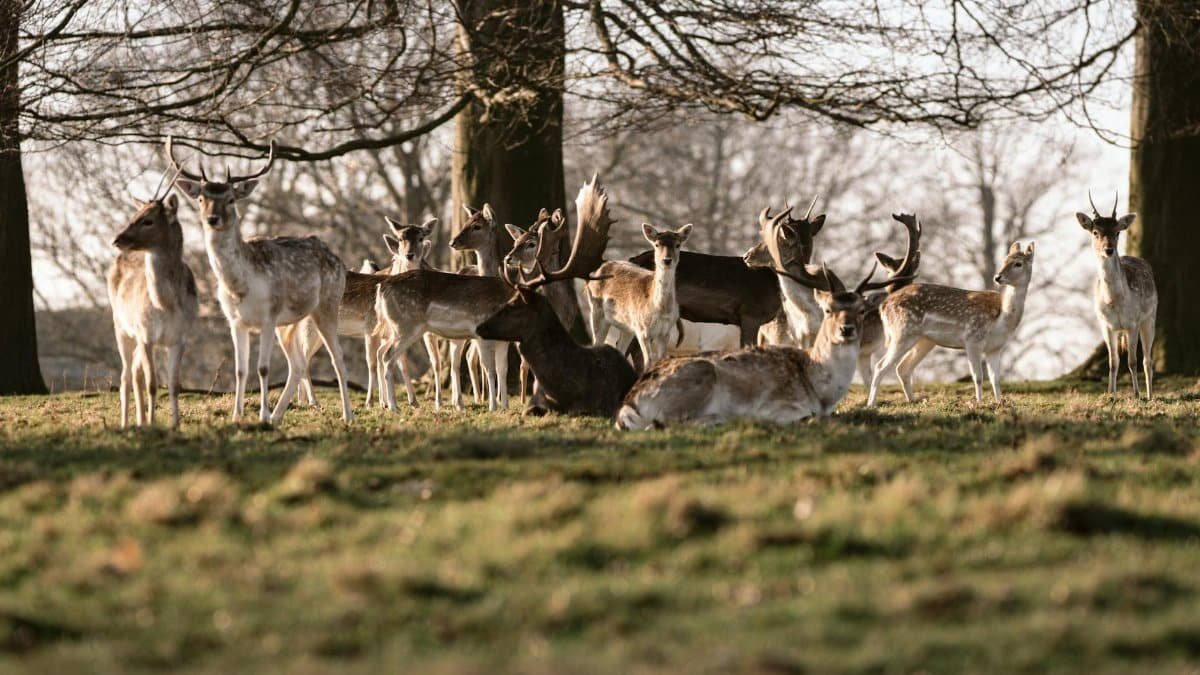
A white-tailed deer in Ohio’s Hocking Hills browses quietly, ears twitching at every rustle, fully attuned to its surroundings. This vigilant yet serene grazing offers a blueprint for mindfulness, where awareness tempers reactivity. Emotional balance thrives on such presence, helping us navigate overwhelm without disconnection.
Imagine a family picnic interrupted by a deer’s gentle approach; the group falls silent, absorbed in the moment. This snapshot captures how wildlife behaviors teach immersion over distraction. According to Pew Research, more Americans in 2025 seek nature for mental health, with 35% reporting improved focus from outdoor activities. Pew Research on Mental Health Trends highlights this shift, tying it to reduced anxiety.
Deer don’t dwell on past threats or future fears; they respond in the now. For Ohioans dealing with seasonal affective disorder in gray winters, this model encourages grounding techniques. Yet, it’s not flawless—deer bolt at real danger, showing discernment. Blending vigilance with calm creates emotional equilibrium, turning everyday stresses into manageable encounters.
4. Fox’s Cunning Hunt: Strategizing with Adaptable Focus

Under the cover of dusk in Ohio’s Wayne National Forest, a red fox pounces with calculated grace, adapting its hunt to the terrain. This cunning approach teaches strategic focus, essential for emotional balance when life’s obstacles feel insurmountable.
A wildlife photographer once described tracking a fox through snowy fields: “It circled, waited, then struck—pure efficiency.” Such anecdotes reveal how observation fosters problem-solving skills. In a fast-paced world, this behavior counters impulsive reactions, promoting thoughtful responses. The Ohio Department of Natural Resources notes foxes’ adaptability in urban areas, a trait humans can emulate. Ohio DNR on Red Fox Behaviors provides insights into their versatile strategies.
Emotional parallels abound: facing relationship strains, one might pause like the fox, assessing before acting. This prevents regret, building resilience. In 2025, with rising mental health awareness in Ohio, such lessons gain traction, blending instinct with intention for steadier moods.
Challenges arise when adaptability turns to evasion; true balance requires commitment. Still, the fox’s method invites us to hunt our goals with poise.
5. Beaver’s Dam-Building: Cultivating Resilience Through Effort

Along Ohio’s winding rivers, beavers tirelessly construct dams, transforming landscapes with persistent labor. This behavior exemplifies resilience, teaching how sustained effort fortifies emotional foundations against floods of doubt or despair.
Picture engineers studying a beaver lodge in the Muskingum Watershed: wood chips scatter as the animal reinforces its home. “It’s inspiring,” one observer noted anonymously online, “seeing creation from chaos.” Wildlife behaviors like this teach perseverance, vital for balance. A Cornell University study on animal engineering links such activities to human innovation and stress relief. Cornell Lab on Beaver Behaviors explores their ecological impact, paralleling emotional rebuilding.
Beavers fail and rebuild, mirroring our setbacks. In Ohio’s flood-prone regions, this resonates, encouraging recovery mindsets. Yet overwork risks burnout; balance means pacing effort. By 2025, as therapy incorporates nature therapy, these insights help channel energy productively, mending inner dams.
6. Owl’s Silent Vigil: Honing Observation for Inner Clarity

Perched high in an Ohio barn, a barn owl scans the night with unblinking eyes, its silent flight a testament to focused observation. This vigilant watch teaches clarity, cutting through emotional noise to reveal truths beneath.
During a nighttime hike in Shawnee State Forest, a group spots an owl swooping soundlessly. The hush that follows invites reflection: how often do we overlook subtle cues in our lives? This behavior promotes discernment, key to balance. The National Audubon Society details owls’ acute senses, offering models for human perception. Audubon Society on Barn Owls emphasizes their role in ecosystems, akin to emotional ecosystems.
In an era of information overload, owl-like observation filters distractions, fostering peace. Ohio’s rural quiet amplifies this, where stargazers find solace. A 2025 trend sees more seeking such wisdom, per wellness reports. But observation without action stagnates; pair it with response for full equilibrium.
Ultimately, these wildlife lessons weave into daily life, grounding us in nature’s rhythms.