
In the heart of Georgia’s lush landscapes, a hiker named Alex Thompson stumbled upon a family of deer during a stressful week. What started as a simple trail walk turned into a lesson in serenity as he observed their calm grazing amid chaos. This mirrors how wildlife behaviors teach emotional balance, offering natural insights for stressed-out Americans in 2025. As mental health concerns rise, with 1 in 5 adults reporting anxiety per CDC data, these animal habits provide free, timeless wisdom right in our backyards.
1. The Deer’s Gentle Alertness
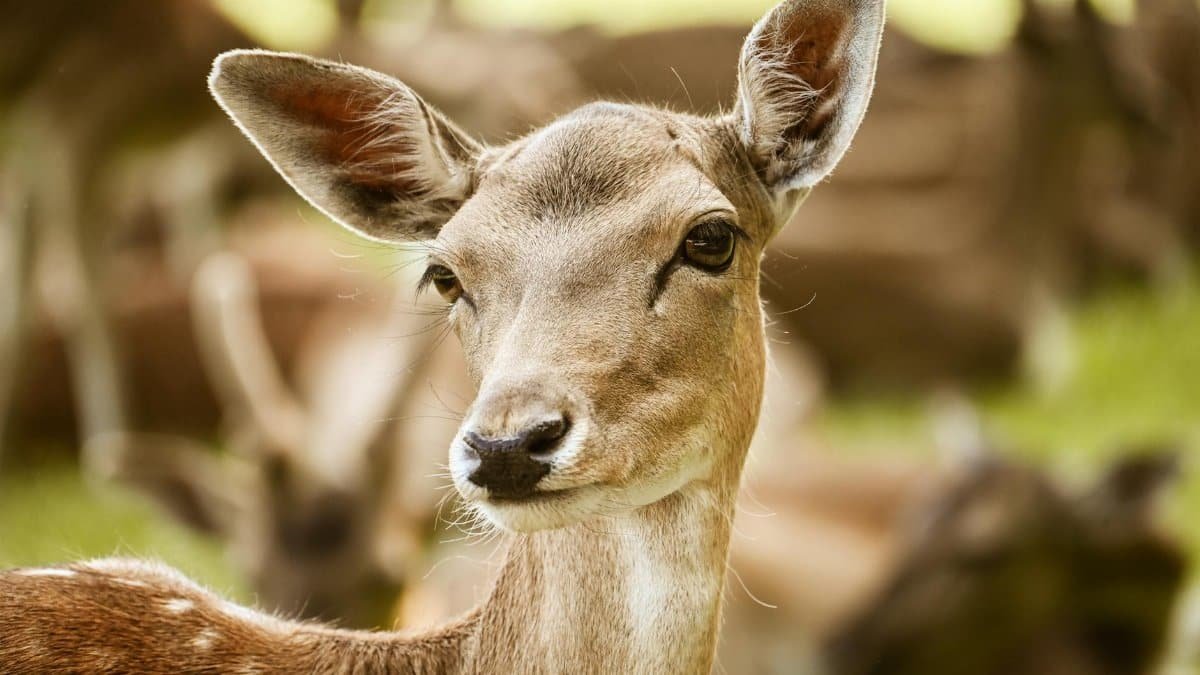
White-tailed deer, common in Georgia’s forests, exemplify vigilance without panic. They freeze and assess threats before bolting, teaching us to pause and evaluate stressors rather than react impulsively. This behavior promotes emotional stability by encouraging mindfulness, a practice backed by studies showing reduced anxiety through present-moment awareness. In bustling Atlanta suburbs, locals are drawing parallels to daily commutes, using this insight to maintain calm amid traffic snarls.
Experts note that mimicking this alertness can lower cortisol levels, fostering better decision-making. A report from the Centers for Disease Control and Prevention highlights how nature exposure aids mental health, aligning with deer’s adaptive strategies. Georgians facing work pressures find this particularly relevant, turning to state parks for real-life applications.
2. Squirrels’ Resourceful Hoarding

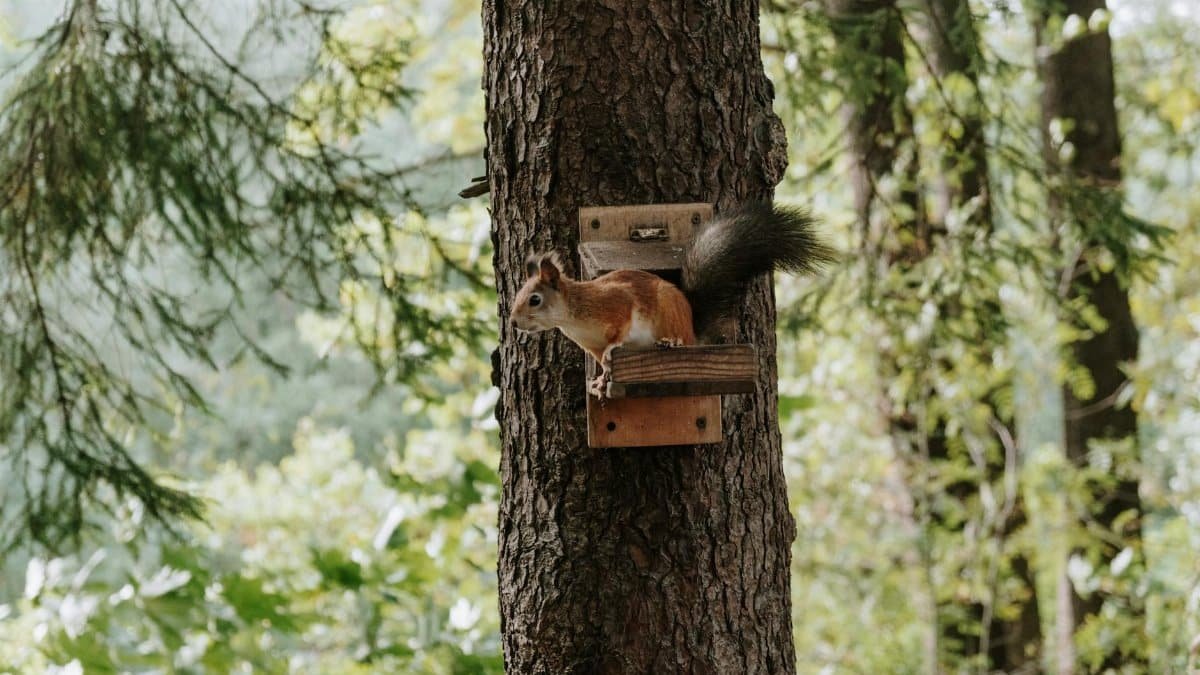
Eastern gray squirrels scamper across Georgia’s oaks, burying nuts with precision and retrieving them later. This forward-thinking habit teaches planning without obsession, key to emotional balance. It reminds us to prepare for tough times while living in the now, avoiding the pitfalls of over-worrying about finances or relationships.
In 2025, with economic uncertainties lingering, this wildlife behavior resonates. A study from the American Psychological Association links proactive habits to lower stress, much like squirrels’ efficient storage. Urban dwellers in Savannah apply this by budgeting mindfully, drawing direct lessons from these furry teachers.
3. Birds’ Harmonious Flocking
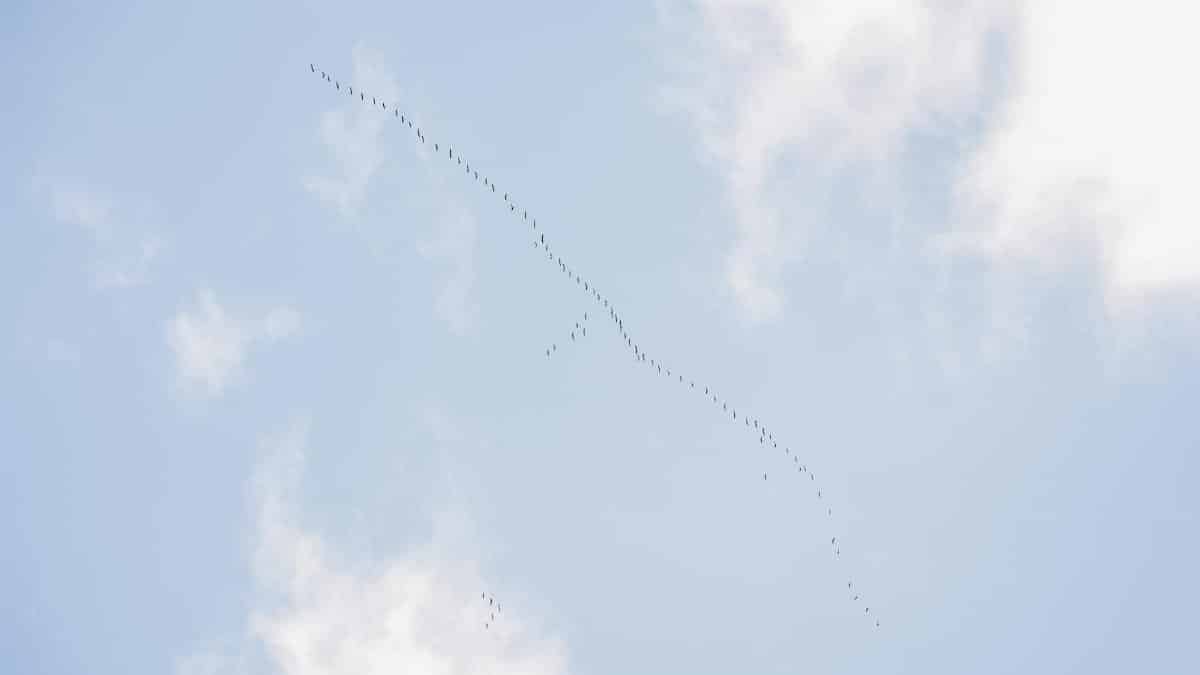
Georgia’s migratory birds, like flocks of robins, move in synchronized waves, demonstrating unity and adaptability. This behavior illustrates how leaning on community during change maintains inner peace, crucial for emotional equilibrium. It counters isolation, a growing issue in post-pandemic America.
Observing these patterns in wetlands like the Okefenokee Swamp, people learn to seek support networks. Research from Pew Research Center shows social connections buffer against depression, echoing birds’ cooperative flights. In rural Georgia towns, community groups are incorporating bird-watching sessions to build resilience, proving wildlife behaviors teach practical harmony.
4. Turtles’ Patient Retreat

Box turtles in Georgia’s woodlands withdraw into shells when threatened, embodying self-protection and patience. This teaches setting boundaries and waiting out storms, essential for managing overwhelming emotions without confrontation.
As burnout rates climb in 2025, this slow-and-steady approach offers relief. The National Institutes of Health reports on resilience-building techniques that mirror turtle tactics, promoting recovery time. Hikers in the Chattahoochee National Forest use this metaphor to practice saying no, enhancing their emotional toolkit through nature’s example.
5. Foxes’ Clever Adaptability

Red foxes prowl Georgia’s fields, adapting swiftly to urban edges by scavenging smartly. Their flexibility in changing environments teaches embracing uncertainty, a vital skill for emotional balance amid life’s unpredictability.
With climate shifts affecting the Southeast, foxes’ resilience inspires. A University of Georgia study on wildlife adaptation underscores how such behaviors model human coping strategies. Residents in growing cities like Augusta are adopting this mindset, turning challenges into opportunities for growth.
6. Owls’ Silent Observation

Barred owls in Georgia’s nights perch quietly, observing before acting. This watchful silence promotes introspection, helping process emotions without hasty judgments, fostering deeper self-awareness.
In an era of constant digital noise, this behavior stands out. The Mayo Clinic’s resources on mindfulness align with owls’ methods, showing benefits for mood regulation. Georgians in quiet retreats are emulating this, using evening walks to cultivate calm, directly applying how wildlife behaviors teach emotional balance.
These Georgia wildlife examples highlight nature’s role in mental wellness. As trends in 2025 push for holistic health, turning to local animals offers accessible paths to stability, blending ecology with psychology for everyday wins.