
In a world buzzing with constant notifications and emotional upheavals, what if the natural world held simple secrets to steadying our inner storms? Wildlife behaviors teach us profound lessons in emotional balance, often without a single word. From the patient stance of a predator to the rhythmic cycles of migration, animals navigate stress and survival with an elegance humans envy. As we grapple with rising anxiety rates in 2025, turning to these innate strategies could offer fresh perspectives. A recent report highlights how nature-inspired practices are gaining traction among Americans seeking mental equilibrium. This article delves into six such behaviors, drawing parallels to our daily lives and uncovering how they foster resilience and calm.
1. The Heron’s Stillness: Embracing Patience Amid Uncertainty
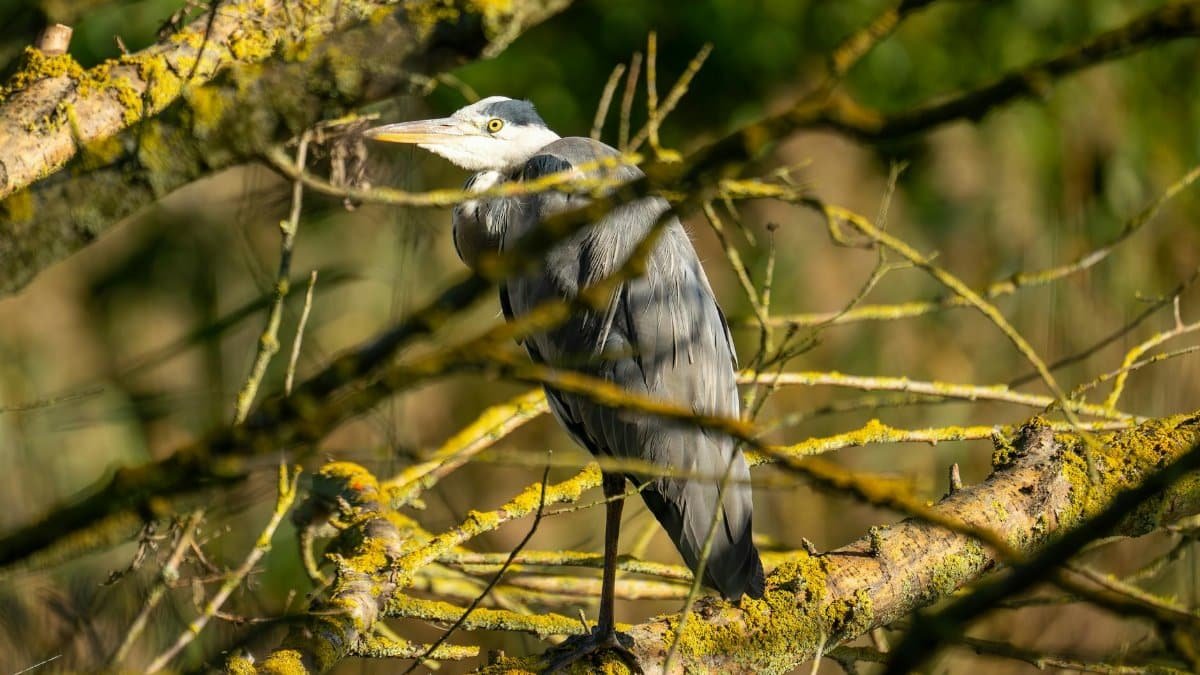
Watch a great blue heron poised at the water’s edge, unmoving for what seems like hours. It waits for the perfect moment to strike, embodying a quiet patience that contrasts our frantic rush. This behavior reminds us that emotional balance often comes from pausing rather than pushing forward blindly. In turbulent times, like during economic shifts or personal setbacks, adopting this stillness can prevent rash decisions driven by fear or frustration.
Consider a story from a midwestern angler who, after a stressful divorce, started mimicking the heron’s vigil by a local pond. He found that those quiet hours reshaped his impulsive reactions into thoughtful responses. Research supports this: a study from the University of Michigan shows that mindfulness practices rooted in observation of nature reduce cortisol levels by up to 20 percent.University of Michigan Study on Mindfulness and Stress. It’s not about inaction, but about gathering strength in the wait.
Yet, this lesson isn’t always straightforward. Sometimes, the heron’s patience tests its limits, much like ours. When prey evades repeatedly, the bird adjusts its stance subtly, teaching flexibility within calm. In 2025, with remote work blurring boundaries, many report burnout from constant availability. Online discussions often reveal a common thread: people experimenting with “heron moments” in their routines, setting aside time to simply observe without interference, and finding it eases emotional overload.
2. Wolves’ Pack Dynamics: Building Trust Through Shared Roles

Wolves thrive in packs where each member knows its place, from the alpha leading hunts to the omega maintaining harmony. This structured cooperation teaches emotional balance by emphasizing trust and interdependence over solitary striving. Humans, too, can draw from this to navigate relationships strained by individualism.
Imagine a family in Colorado facing a health crisis. Drawing inspiration from wolf packs, they assigned roles: one handled logistics, another emotional support. The result? Reduced resentment and a stronger bond. According to the American Psychological Association, such role clarity in groups enhances emotional resilience.APA on Resilience and Group Dynamics.
The beauty lies in the wolves’ fluid hierarchy; it’s not rigid but adapts to needs, allowing vulnerability without weakness. This mirrors how emotional balance requires letting go of control sometimes. A brief anecdote from a team-building workshop illustrates: participants role-played as a wolf pack during a trust exercise, emerging with newfound empathy for colleagues’ stresses. It’s a reminder that balance comes from collective strength, not isolated effort.
Of course, packs face conflicts, like territorial disputes, yet they resolve them through signals rather than all-out fights. Applying this, we might use clear communication to defuse tensions at work or home, fostering a more balanced emotional landscape.
3. Salmon’s Upstream Journey: Resilience in the Face of Adversity

Every year, salmon battle raging currents to return to their birthplace, a grueling trek that demands unwavering determination. This behavior exemplifies resilience, teaching us to push through emotional hardships without losing sight of our core goals.
One woman’s account comes to mind: after losing her job in the 2025 tech layoffs, she likened her job search to the salmon’s swim. Each rejection felt like a waterfall, but persisting built her inner fortitude. Data from the National Institutes of Health underscores how such perseverance mindsets correlate with lower depression rates.NIH on Depression and Resilience.
What’s compelling is the salmon’s instinctual drive, unmarred by doubt. They leap obstacles repeatedly, adapting mid-jump if needed. This fluidity encourages us to view setbacks as temporary, not defining. In storytelling terms, it’s like the hero’s journey, where trials forge character. Yet, not all salmon succeed, highlighting a poignant truth: balance involves accepting limits while striving onward.
Integrating this into daily life might mean small acts, like resuming a hobby after a failure, gradually rebuilding emotional stamina.
4. Bees’ Hive Harmony: The Power of Collective Calm

Inside a beehive, thousands of bees work in synchronized roles, from foraging to nurturing, creating a humming equilibrium. This collective behavior teaches emotional balance through community and shared purpose, countering the isolation that plagues modern life.
Picture a community garden in urban Seattle, where volunteers mimic bee roles to tend plots. One participant shared how this teamwork alleviated her anxiety, fostering a sense of belonging. Pew Research notes a rise in community involvement as a buffer against loneliness in 2025.Pew Research on Loneliness and Community.
Bees communicate via dances and pheromones, maintaining order without chaos. This subtle coordination suggests that emotional balance thrives on subtle cues in our own networks. A quick reflection: during a neighborhood crisis, like a storm, people banding together often report heightened well-being afterward. It’s not perfect; hives can swarm under stress, reminding us that even strong systems need outlets for pressure.
Exploring this further, wildlife behaviors teach us that harmony isn’t absence of conflict but its efficient resolution, applied to our buzzing social worlds.
5. Elephants’ Mourning Rituals: Processing Grief with Grace
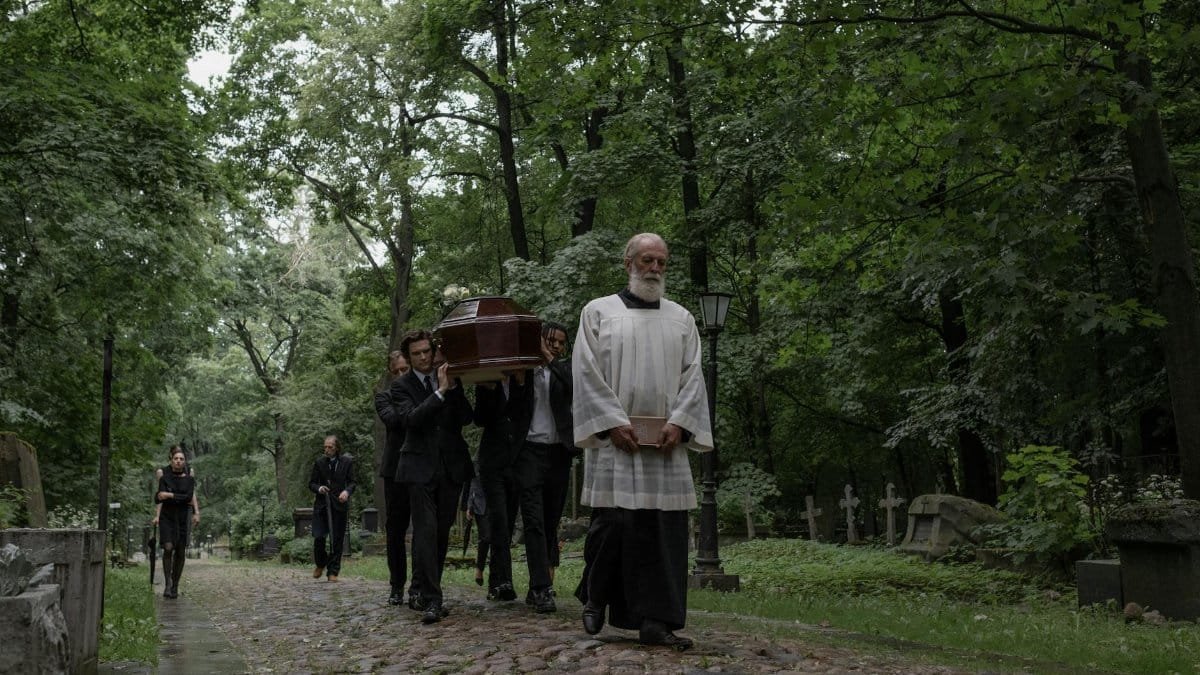
Elephants gather around fallen kin, touching trunks and lingering in what appears as communal mourning. This ritualistic behavior imparts lessons in emotional balance by validating grief as a shared, necessary process rather than a solitary burden.
In a poignant example, a support group for widows in Florida drew parallels to elephant herds, incorporating group reflections that eased individual pain. Studies from the Smithsonian Institution affirm how such rituals aid emotional recovery in animals and humans alike.Smithsonian on Animal Behavior and Emotions.
The elephants’ slow, deliberate actions contrast our tendency to rush past sorrow. They teach presence in pain, allowing time for healing. One anonymous online account described channeling this after a loss: “Like elephants, we stood vigil together, and it lightened the load.” This approach underscores balance as integrating emotions, not suppressing them.
Challenges arise when grief overwhelms, yet elephants move on eventually, modeling progression without forgetting. It’s a delicate dance, one that enriches our emotional toolkit.
6. Owls’ Nocturnal Vigilance: Finding Clarity in Quiet Reflection

Owls perch silently through the night, their keen senses attuned to subtle shifts. This vigilant quietude teaches emotional balance by promoting introspection and clarity amid life’s noise.
Think of a New York executive who adopted “owl hours” for evening journaling, cutting through daily chaos to realign his priorities. The Centers for Disease Control and Prevention links reflective practices to improved mental health outcomes.CDC on Mental Health Practices.
Unlike diurnal creatures, owls embrace darkness as opportunity, suggesting we confront inner shadows for growth. A narrative snippet: during a retreat, participants practiced silent observation, emerging with sharper emotional insights. Wildlife behaviors teach that true balance often blooms in solitude, away from the glare of constant stimulation.
Yet, vigilance can tip into paranoia if unchecked, so owls balance it with decisive action when needed. In 2025’s fast-paced environment, this lesson encourages carving out reflective spaces, ultimately leading to more centered decisions.
As these examples illustrate, the natural world offers timeless wisdom. By observing and adapting wildlife behaviors, we can cultivate a more balanced emotional life, grounded in the rhythms that have sustained species for millennia.