

A recent study from the Smithsonian National Museum of Natural History revealed that over 70 percent of observed animal behaviors in the wild involve some form of nervous system regulation, a figure that’s climbed as researchers track climate impacts more closely. This surge highlights how wildlife navigates stress with an innate savvy that humans might envy. Amid rising environmental pressures, these creatures demonstrate a profound nervous-system wisdom through everyday actions. From the subtle freeze of a deer sensing danger to the rhythmic grooming in primate troops, wildlife, actions, nervous unfold in ways that promote survival and balance. As we enter 2025, understanding these patterns could offer lessons for our own frazzled lives, where anxiety often runs unchecked. It’s not just about instinct; it’s a blueprint for resilience, drawn from millions of years of evolution.
1. The Freeze Response in Prey Animals
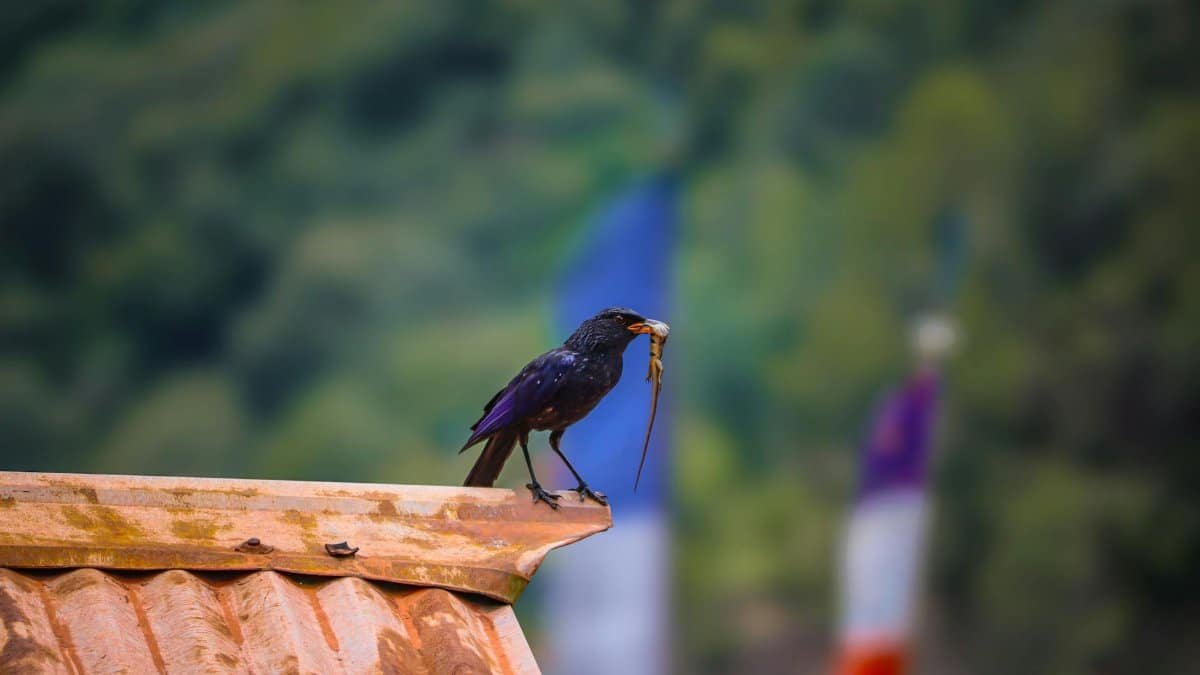
Picture a rabbit in a meadow, ears perked, body suddenly statue-still as a shadow passes overhead. This isn’t paralysis from fear alone; it’s a calculated nervous-system maneuver. When predators loom, many prey species like deer or rodents activate a freeze response, dialing down movement to evade detection. Evolution has wired this into their autonomic systems, conserving energy while assessing threats.
Researchers at the University of California, Berkeley have explored how this response ties into the vagus nerve, which helps regulate heart rate and digestion during stress. In one field observation, a team noted how cottontail rabbits in California’s grasslands froze for up to two minutes, their breathing shallow, before darting to safety. This isn’t random; it’s a wisdom that prevents wasteful panic. Humans, too, experience versions of this in high-stakes moments, but animals refine it to perfection.
Yet there’s tension here. Freezing can backfire if the threat persists too long, leading to exhaustion. Still, it underscores a broader point: wildlife actions nervous in origin often prioritize calm over chaos. As one biologist put it in a recent discussion, these behaviors show “nature’s way of hitting pause.” For more on this, check the UC Berkeley Research page, where studies on animal stress responses are detailed.
2. Grooming Rituals in Social Primates
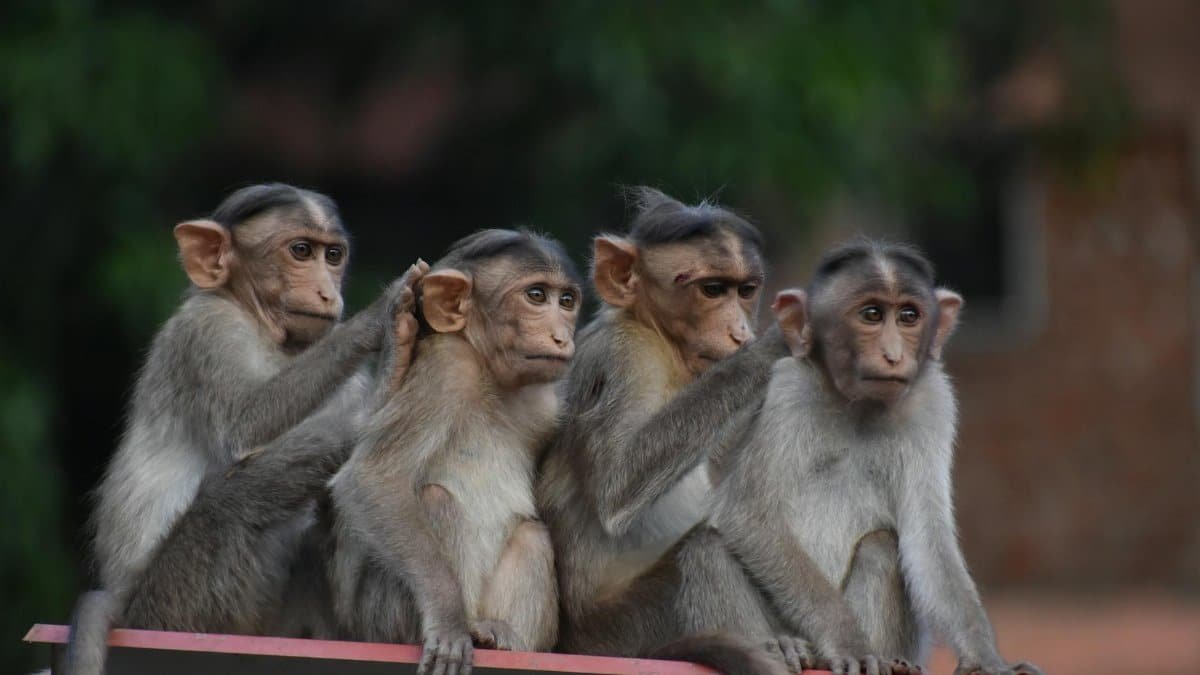
Among chimpanzees in Tanzania’s Gombe Stream National Park, grooming isn’t just about cleanliness. It’s a deliberate act to soothe jangled nerves within the troop. When tensions rise after a territorial dispute, individuals pair off, picking through fur with focused care. This tactile interaction releases endorphins, calming the sympathetic nervous system and fostering bonds.
A study from the Jane Goodall Institute highlights how such rituals reduce cortisol levels, the hormone linked to stress. Imagine a young chimp, agitated after losing a playfight, settling under an elder’s gentle hands. The session lasts 20 minutes, heart rates dropping noticeably. This wisdom extends to other primates, like bonobos, who use grooming to resolve conflicts without violence.
But it’s not always smooth; dominant members sometimes demand more grooming, creating subtle power dynamics. Online discussions often reveal fascination with these scenes, one anonymous account describing a viewed documentary moment where “the whole group just melted into peace after chaos.” It’s a reminder that nervous-system balance in wildlife thrives on connection. Dive into the findings at the Jane Goodall Institute Research section.
3. Migration Patterns in Birds
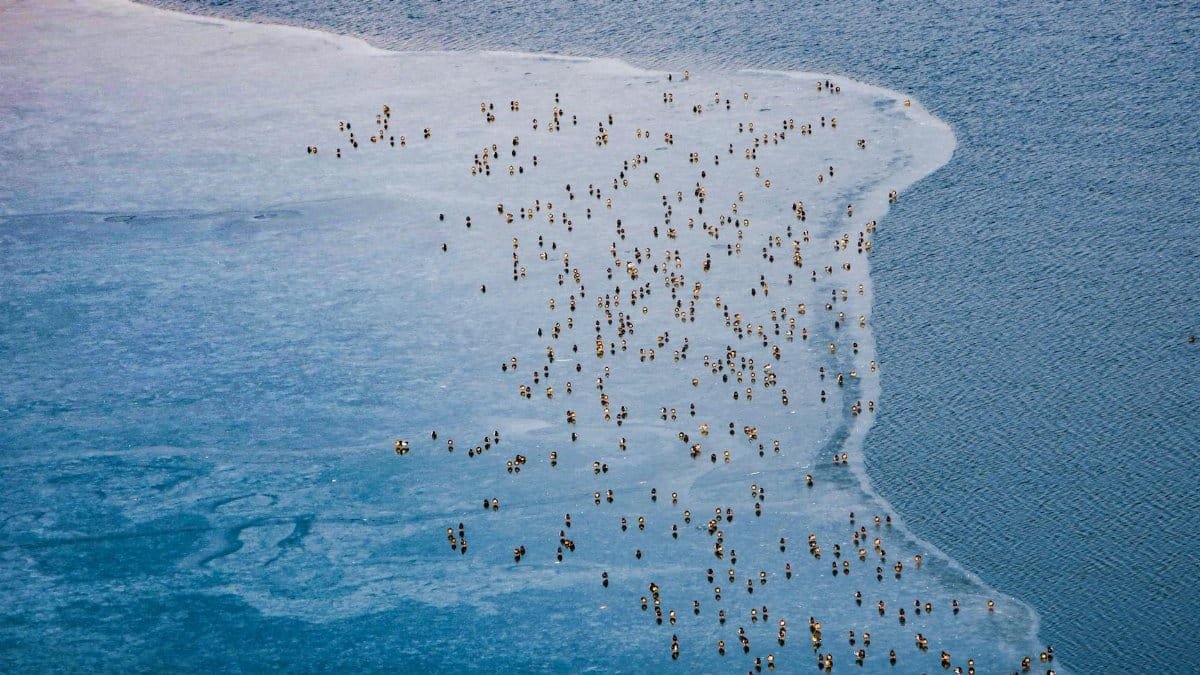
What drives a flock of Arctic terns to traverse 44,000 miles annually? It’s more than wanderlust; it’s nervous-system wisdom attuned to seasonal cues. As daylight shifts, their bodies release hormones that signal it’s time to move, avoiding the stress of dwindling food in harsh winters.
This isn’t impulsive flight. Birds like the ruby-throated hummingbird navigate using an internal compass linked to their vestibular system, which maintains balance during long journeys. A report from the Cornell Lab of Ornithology details how these migrations prevent overload from environmental stressors, with birds arriving healthier at destinations.
Consider a warbler pausing mid-route to rest on a ship deck, its tiny frame conserving energy. Such pauses reflect an innate pacing that humans might apply to burnout. Yet climate change disrupts these patterns, forcing adaptations that test this wisdom. In 2025, with warming trends accelerating, observing these shifts offers urgent insights. Explore more via the Cornell Lab of Ornithology Research page.
4. Hibernation Strategies in Mammals
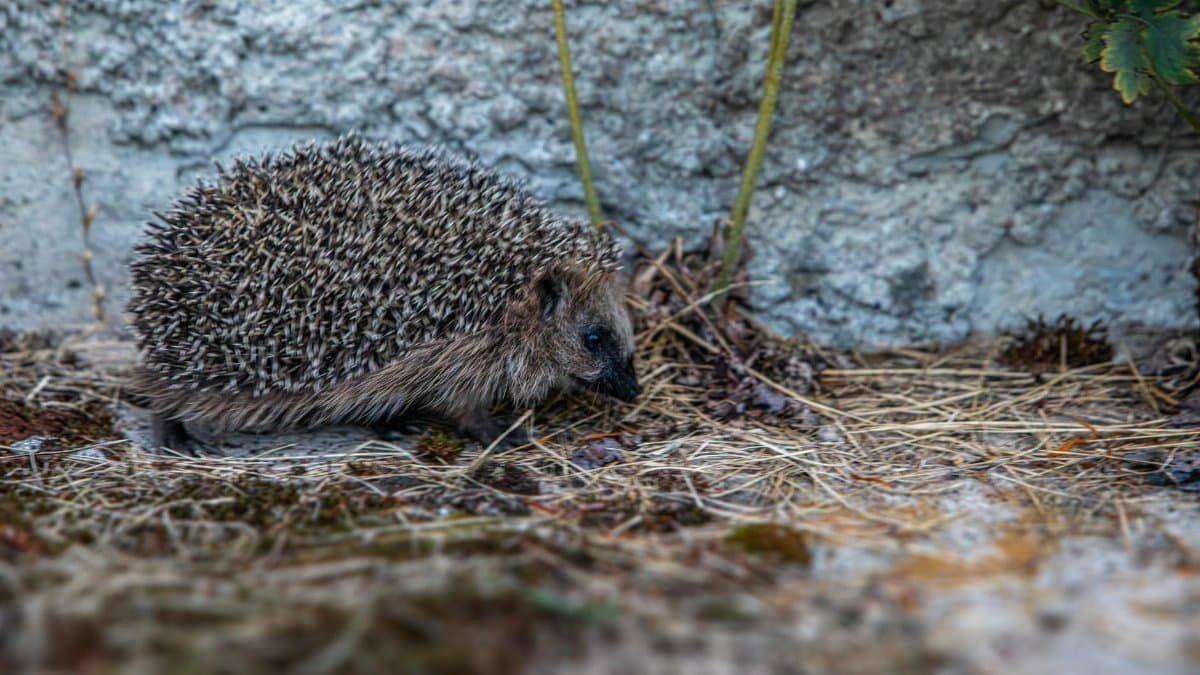
Bears don’t just sleep through winter; they enter a state of torpor, a nervous-system masterstroke that slows metabolism and shields against cold-induced stress. In the Rocky Mountains, black bears lower their heart rates from 40 to 8 beats per minute, preserving fat reserves without the frenzy of constant foraging.
This process involves the hypothalamus, the brain’s thermostat, which orchestrates a shutdown of non-essential functions. Insights from the National Park Service reveal how this hibernation wards off the nervous strain of starvation, allowing bears to emerge robust in spring.
There’s a quiet drama in it: a mother bear, denned with cubs, her body temperature dipping just enough to sustain life. It’s wisdom born of necessity, contrasting our own sleepless winters chasing deadlines. Occasionally, though, warmer spells rouse them prematurely, highlighting vulnerabilities. One shared story from wildlife enthusiasts notes the “eerie calm” of a hibernating site, evoking awe. For detailed reports, visit the National Park Service Bears Research page.
5. Camouflage and Alertness in Reptiles
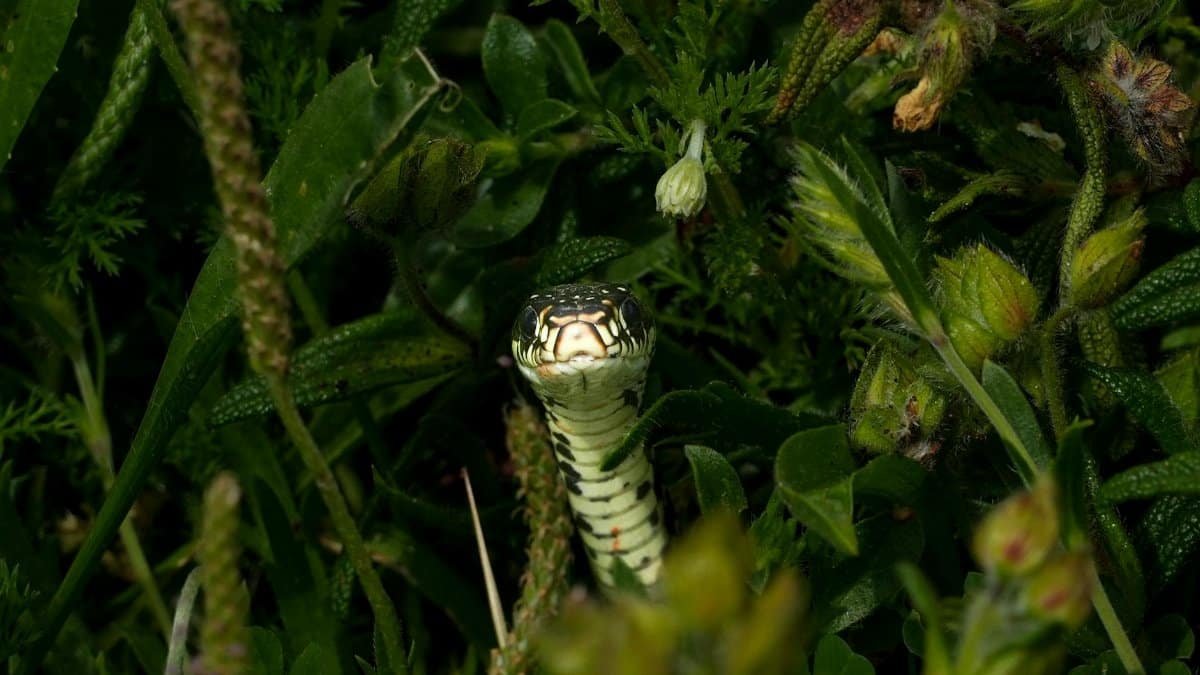
Chameleons change color not for show, but as a nervous-system response to threats, blending into surroundings while their senses stay hyper-vigilant. In Madagascar’s forests, this adaptation involves rapid neural signals that adjust skin pigments, reducing the stress of visibility to predators.
Studies from the Smithsonian’s National Zoo emphasize how this camouflage ties into the reptile’s autonomic responses, allowing energy conservation amid constant danger. Watch a chameleon on a branch, its eyes swiveling independently, processing dual views without overload.
But camouflage has limits; bright emotions like anger can override it, flashing unintended signals. This duality shows wildlife’s nervous actions as a balancing act, full of calculated risks. In reflecting on this, it’s clear animals teach us about adaptive awareness without exhaustion. For further reading, see the Smithsonian National Zoo Research page.
6. Play Behaviors in Young Animals
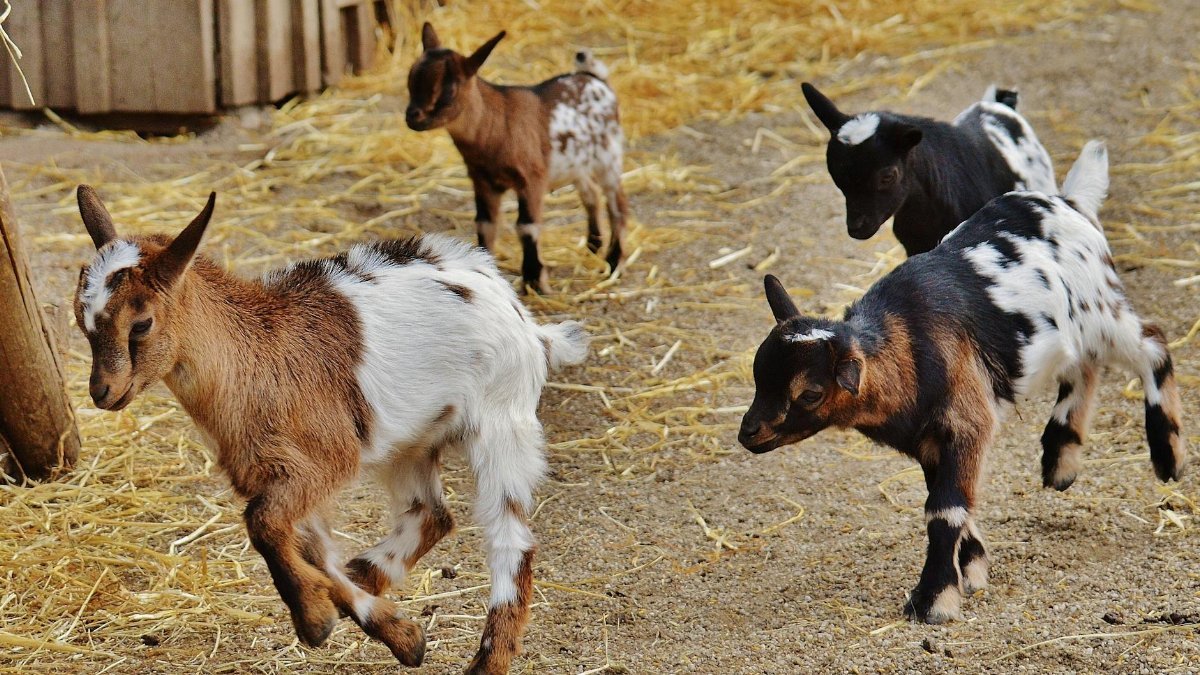
Why do wolf pups tumble and chase in Yellowstone’s packs? Play is no frivolity; it’s nervous-system training, building resilience against future stresses. Through mock fights, they learn to regulate adrenaline, turning potential fear into fun.
Research from the Yellowstone Wolf Project shows how these activities strengthen neural pathways for quick recovery from arousal states. A pup nips at a sibling, then backs off, both calming swiftly. This wisdom fosters social skills and emotional control, crucial for pack survival.
Challenges arise when play turns too rough, risking injury, yet it mostly hones balance. As we consider 2025’s focus on mental health, these wildlife actions nervous in essence suggest play as a timeless antidote to tension. It’s a lively reminder that joy and survival intertwine. Learn more at the Yellowstone National Park Wolf Research page.