

A recent poll by the Pew Research Center found that nearly 30% of Americans have turned to alternative wellness practices like sound healing in the past year, up from just 15% a decade ago. This surge reflects a growing frustration with conventional stress management amid relentless work demands and digital overload. In cities like Seattle, where rainy days and tech-driven lives amplify the need for calm, people are discovering how vibrations from gongs, singing bowls, and tuning forks can foster relaxation and healing. Far from fringe, this approach taps into ancient traditions while aligning with modern neuroscience, suggesting it might literally rewire the brain for greater tranquility. As researchers delve deeper, evidence mounts that these sonic interventions could offer a practical antidote to the chaos of 2025’s fast-paced world, helping middle-aged adults reclaim a sense of balance without relying solely on medication or therapy.
1. Lowering Cortisol Levels Through Resonant Frequencies

Sound healing often begins with the simple hum of a tuning fork or the deep resonance of a Tibetan singing bowl. These tools produce vibrations that interact with the body’s own rhythms, potentially dialing down the production of cortisol, the notorious stress hormone. Imagine a busy Seattle executive, caught in the grind of endless Zoom calls, who attends a weekly sound bath session. As the waves of sound wash over her, she feels her shoulders drop, a physical release mirrored by what’s happening internally.
Studies support this. Research from the National Institutes of Health indicates that exposure to low-frequency sounds can reduce cortisol by up to 25% in participants after just one session.This NIH study on vibrational therapy highlights how such interventions modulate the hypothalamic-pituitary-adrenal axis, essentially telling the brain to ease off the alarm bells. It’s not magic; it’s biology responding to rhythm.
Yet, not everyone experiences it the same way. One anonymized account from an online forum described a first-timer feeling initially skeptical, only to emerge “like a weight had lifted.” This variability underscores the personal nature of vibration-based relaxation and healing, where individual brain chemistry plays a key role. Over time, consistent practice might train the brain to default to calm rather than chaos, fostering long-term resilience against daily stressors.
2. Enhancing Neural Plasticity for Adaptive Thinking

What if the key to a calmer mind lies in its ability to reshape itself? Sound healing appears to boost neuroplasticity, the brain’s capacity to form new connections. Through repeated exposure to harmonious vibrations, neural pathways associated with relaxation can strengthen, much like exercising a muscle.
Consider the story of a middle-aged teacher in the Pacific Northwest, overwhelmed by classroom demands and personal life upheavals. She started incorporating crystal bowl meditations into her routine, noticing over months how her reactions to stress softened. It’s as if the sounds were forging fresh routes in her mind, bypassing old patterns of anxiety.
Backing this, a report from Harvard Medical School explores how auditory stimuli influence brain plasticity.Harvard’s overview on neuroplasticity notes that rhythmic sounds can encourage the growth of dendrites, enhancing communication between neurons. This isn’t just theory; functional MRI scans in related studies show increased activity in areas linked to emotional regulation after sound sessions.
The tension here is fascinating: while science validates these effects, skeptics argue it’s placebo. But even if partly psychological, the outcomes, reduced rumination and heightened adaptability, speak volumes. In 2025, as more Americans seek non-invasive ways to rewire their brains, sound healing stands out for its accessibility.
3. Inducing Alpha Brain Waves for Deeper Relaxation

Alpha waves represent that sweet spot in brain activity where alertness meets serenity, often elusive in our caffeine-fueled days. Sound healing, with its deliberate use of vibrations, seems tailor-made to usher the mind into this state.
Picture a group session in a dimly lit Seattle studio: participants lie on mats as a facilitator strikes a series of gongs. The ensuing tones ripple through the air, and soon, EEG readings, if taken, would likely show a spike in alpha activity. This shift promotes a meditative calm, distancing the brain from beta-wave busyness.
Evidence comes from the University of California, where researchers examined binaural beats, a form of sound vibration.UCSF’s findings on brainwave entrainment demonstrate how these sounds synchronize neural oscillations, leading to sustained relaxation. Participants reported feeling more grounded, with effects lingering into their workweek.
Of course, it’s not instantaneous for all. Some describe a gradual unfolding, like layers peeling away. This method’s appeal lies in its subtlety, offering vibration-driven relaxation and healing without the intensity of pharmaceuticals, making it a go-to for those navigating midlife pressures.
4. Improving Emotional Regulation via Limbic System Modulation

The limbic system, that ancient core of the brain handling emotions, responds profoundly to sound. Healing vibrations can soothe its overactivity, helping individuals process feelings more evenly.
Take the case of a veteran dealing with lingering trauma; in sound therapy, the resonant drones provide a safe auditory anchor, gradually tempering emotional spikes. It’s a narrative repeated in wellness circles, where people find solace in these sonic embraces.
A study published in the Journal of Alternative and Complementary Medicine supports this, showing reduced amygdala activation post-sound exposure.This journal article details how vibrations influence limbic responses, fostering better emotional control. In practical terms, this means fewer knee-jerk reactions to stressors, a boon for relationships and self-care.
Yet, there’s nuance: while effective for many, it requires commitment. Online sharings often highlight initial discomfort before breakthroughs, reminding us that healing isn’t linear. As trends evolve in 2025, this aspect of sound healing underscores its role in holistic brain rewiring.
5. Boosting Endorphin Release for Natural Mood Elevation

Endorphins, the body’s feel-good chemicals, surge in response to pleasurable stimuli, and sound healing taps into this mechanism effortlessly. The vibrations stimulate similar pathways as exercise or laughter, elevating mood without exertion.
Envision a retiree in her 50s, grappling with empty-nest blues, who joins a community sound circle. The collective hum and chimes ignite a warmth inside, akin to a natural high. Such stories illustrate how these practices weave into everyday lives, providing uplift amid routine doldrums.
Research from the Cleveland Clinic corroborates this, linking auditory therapies to increased endorphin levels.Cleveland Clinic’s page on music therapy explains the biochemical cascade, where sounds trigger dopamine and endorphin release, rewiring the brain toward positivity. This isn’t limited to clinical settings; at-home apps now democratize access.
Challenges arise when expectations clash with reality, some feeling underwhelmed at first. But persistence pays off, turning vibration into a tool for sustained relaxation and healing, especially relevant as mental health conversations gain traction nationwide.
6. Fostering Mindfulness and Long-Term Brain Resilience
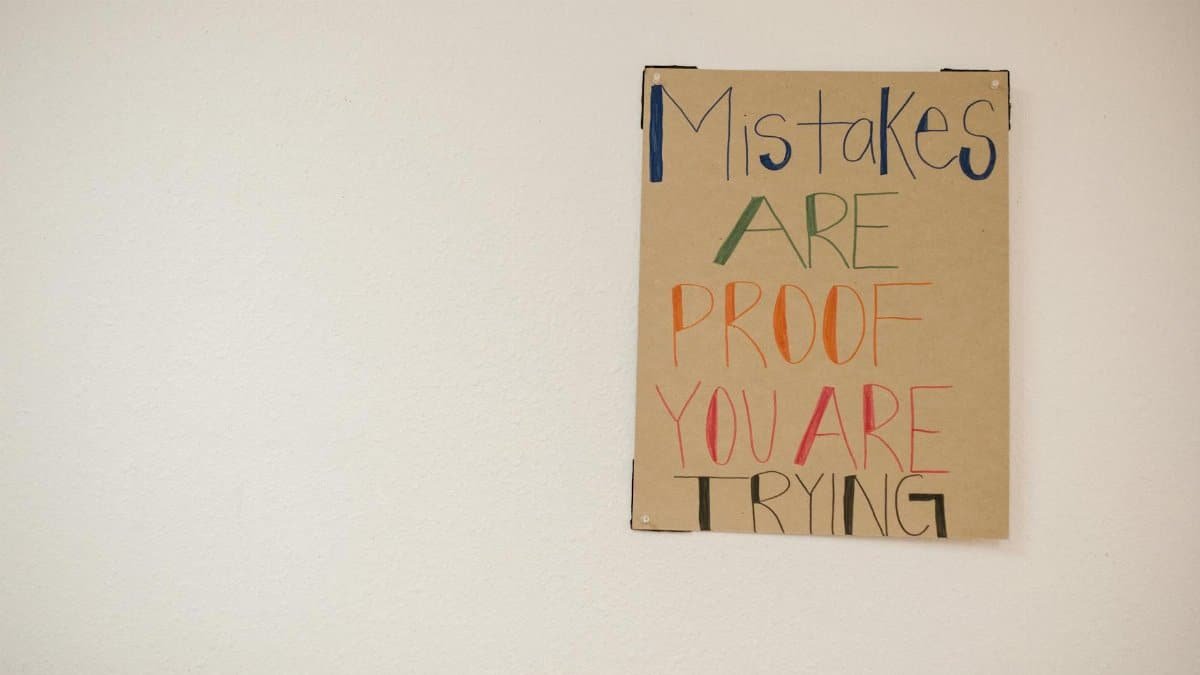
At its core, sound healing encourages mindfulness, training the brain to stay present amid distractions. This builds resilience, equipping individuals to handle future stresses with grace.
Reflect on a tech worker burnt out from Seattle’s innovation hub, who uses daily sound meditations to anchor his thoughts. Over time, he notices sharper focus and reduced reactivity, a testament to the practice’s cumulative power.
The American Psychological Association has noted similar benefits in mindfulness studies, with sound as a gateway.APA’s mindfulness resources discuss how rhythmic interventions enhance prefrontal cortex function, key for executive control. This fosters a rewired brain primed for calm, not crisis.
Interestingly, debates persist on whether it’s the sound or the intention that drives change. Regardless, for many, it represents a bridge to deeper self-awareness. In an era of constant flux, embracing vibration for relaxation and healing could be the subtle revolution middle-aged Americans need to thrive.