

A recent study from the American Psychological Association revealed that nearly 80% of Americans experience physical symptoms of stress, yet many overlook the subtler cues until they escalate into bigger health issues. In Pennsylvania, where the pace of life can swing from the bustling streets of Philadelphia to the quiet farmlands of Lancaster County, these overlooked signals often blend into the background of daily routines. Think about it: amid harsh winters and economic pressures from industries like manufacturing and energy, residents might dismiss nagging headaches or restless nights as just part of the grind. But what if recognizing these stress signals people commonly miss could lead to earlier interventions and better well-being? This piece delves into six such signals, drawing on expert insights and real-life observations from the Keystone State. By tuning into them, Pennsylvanians might find new ways to reclaim calm in an increasingly demanding world.
1. Persistent Muscle Tension in Unexpected Places
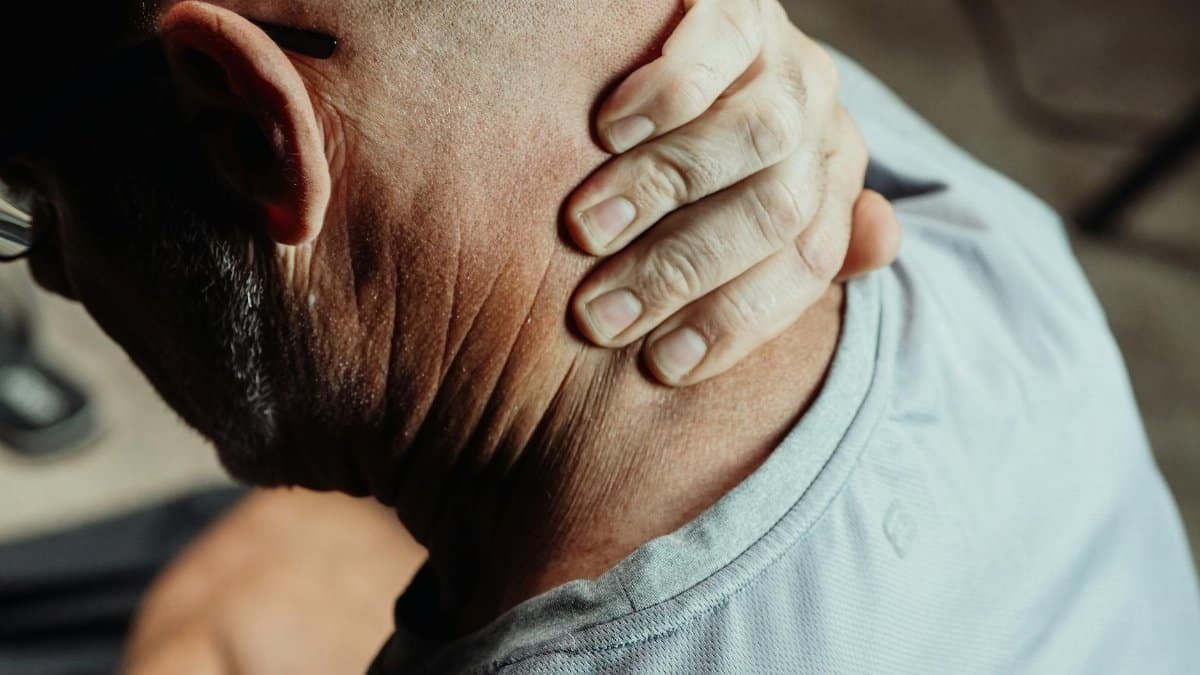
Muscle tightness often sneaks up as a primary indicator of stress, but in Pennsylvania, people frequently attribute it to the physical demands of everyday life. Consider the factory workers in Pittsburgh or the farmers in the central valleys; they might shrug off a stiff neck as a byproduct of lifting heavy loads or enduring long hours outdoors. Yet this tension, especially in areas like the jaw or shoulders, signals the body’s fight-or-flight response kicking in repeatedly.
Experts point out that chronic stress triggers the release of cortisol, which keeps muscles primed for action even when no immediate threat exists. A study from the National Institutes of Health highlights how prolonged muscle tension can lead to migraines or back pain if ignored.National Institute of Neurological Disorders and Stroke on Tension Headaches One anonymous account shared publicly online described a Philadelphia office worker who only noticed her clenched fists during commutes, realizing it stemmed from unspoken work anxieties rather than traffic alone.
This signal doesn’t always scream for attention. It builds quietly, perhaps during a tense family gathering in Scranton or while navigating snowy roads in Erie. Ignoring it allows stress to compound, turning minor discomfort into debilitating issues. Instead, simple stretches or mindfulness pauses could interrupt the cycle, offering relief before it escalates.
2. Subtle Changes in Eating Habits

Shifts in appetite might seem trivial, but they often whisper warnings of underlying stress. In Pennsylvania’s diverse food scene—from cheesesteaks in Philly to whoopie pies in Amish country—people might not connect a sudden craving for comfort foods or skipped meals to emotional strain. Stress hormones like adrenaline can suppress hunger initially, only to trigger overeating later as a coping mechanism.
Research from the Harvard T.H. Chan School of Public Health underscores this link, showing how stress alters brain signals related to hunger and satiety.Harvard T.H. Chan School of Public Health on Stress and Health Picture a teacher in Harrisburg rushing through lunch breaks, barely tasting her food amid grading pressures; over time, this habit erodes her energy levels without her realizing the root cause.
These changes ripple outward, affecting mood and focus. A brief anecdote from a Pittsburgh resident illustrates: she found herself mindlessly snacking late at night after long shifts, only to trace it back to unresolved tensions from remote work demands. Recognizing this pattern early allows for intentional adjustments, like mindful eating practices, to restore balance.
It’s not about drastic diets. Small observations, such as noting when meals feel rushed or joyless, can reveal much about one’s stress landscape in 2025’s fast-paced environment.
3. Interrupted Sleep Patterns That Linger

Sleep disruptions hit hard in Pennsylvania, where seasonal affective disorder can amplify stress during long winters. Many dismiss waking up at 3 a.m. with racing thoughts as a one-off, but it’s a classic signal of cortisol imbalances keeping the mind alert when it should rest.
A comprehensive report from the Centers for Disease Control and Prevention notes that over a third of adults get insufficient sleep, often tied to stress.CDC Sleep and Sleep Disorders Data In places like Allentown, where shift work in logistics hubs is common, these patterns might blend into the norm, but they erode cognitive function over time.
Imagine a nurse in Philadelphia lying awake, replaying the day’s emergencies; she attributes it to caffeine, missing the deeper anxiety buildup. Such stories highlight how stress signals people overlook can masquerade as habits. Breaking the cycle might involve evening wind-down routines, turning restless nights into restorative ones.
The nuance here lies in the persistence. Occasional bad sleep happens, but when it becomes a pattern, it’s worth probing. In Pennsylvania’s varied climates, from humid summers to icy winters, environmental factors can mask these cues, making awareness all the more crucial.
4. Heightened Irritability Over Minor Issues

Snapping at a loved one over a misplaced remote might feel like a fleeting annoyance, but in stress-laden lives, it’s often a red flag. Pennsylvanians, juggling commutes in traffic-clogged corridors like the Schuylkill Expressway or family obligations in suburban enclaves, may chalk this up to fatigue rather than accumulated pressure.
Psychological insights from the American Psychological Association link irritability to elevated stress levels, where the brain’s emotional regulation falters.APA on Stress Effects on the Body One local example comes from a mechanic in Erie, who noticed his short fuse during winter slowdowns, later connecting it to financial worries bubbling under the surface.
This signal thrives on subtlety. It doesn’t announce itself boldly; instead, it erodes relationships quietly. A public online reflection captured this: someone described lashing out at colleagues during virtual meetings, only to realize it stemmed from unaddressed burnout in Pennsylvania’s evolving job market.
Addressing it requires pause. Deep breaths or journaling can uncover triggers, transforming irritation into insight. As 2025 brings new economic shifts, spotting this early could preserve personal connections amid broader uncertainties.
5. Forgetfulness in Routine Tasks

Forgetting where you parked or missing a deadline isn’t always age-related; stress can fog the mind, impairing memory and concentration. In Pennsylvania’s education hubs like State College, students and professors alike might blame heavy workloads, overlooking how chronic worry hijacks cognitive resources.
Studies from the Mayo Clinic detail how stress affects the hippocampus, the brain’s memory center.Mayo Clinic on Stress Management Envision a small-business owner in Lancaster forgetting supplier calls amid market fluctuations; it’s not carelessness, but a signal of overload.
These lapses create a vicious cycle, breeding more stress from the fallout. A brief story from a Philadelphia commuter: she repeatedly misplaced her keys, tracing it back to anxiety over urban living costs. Such realizations prompt strategies like lists or meditation to clear the mental haze.
Complexity arises when this signal intersects with Pennsylvania’s aging population trends. Distinguishing stress-induced forgetfulness from other causes demands attention, fostering resilience in daily life.
6. Unexplained Physical Aches Without Injury

Aches in the back or stomach without clear cause often point to stress manifesting somatically. Pennsylvanians enduring the state’s variable weather—think humid summers in the southeast or blustery falls in the mountains—might dismiss these as seasonal woes, missing the emotional undercurrent.
The Cleveland Clinic’s research connects psychosomatic pain to stress, where tension translates into physical discomfort.Cleveland Clinic on Musculoskeletal Pain Take a hiker in the Pocono Mountains feeling persistent gut twinges after stressful weeks; it’s not always diet, but the body’s way of signaling distress.
This signal’s elusiveness makes it easy to ignore. Yet, as one anonymized account noted, a retiree in York experienced recurring headaches during family transitions, eventually linking them to unspoken grief. Interventions like yoga or therapy can alleviate these, turning pain into a pathway for healing.
In wrapping this up, these aches remind us that stress signals people miss aren’t isolated; they interconnect, urging a holistic view. In Pennsylvania’s resilient communities, acknowledging them could spark widespread shifts toward calmer, more mindful living in 2025 and beyond.