
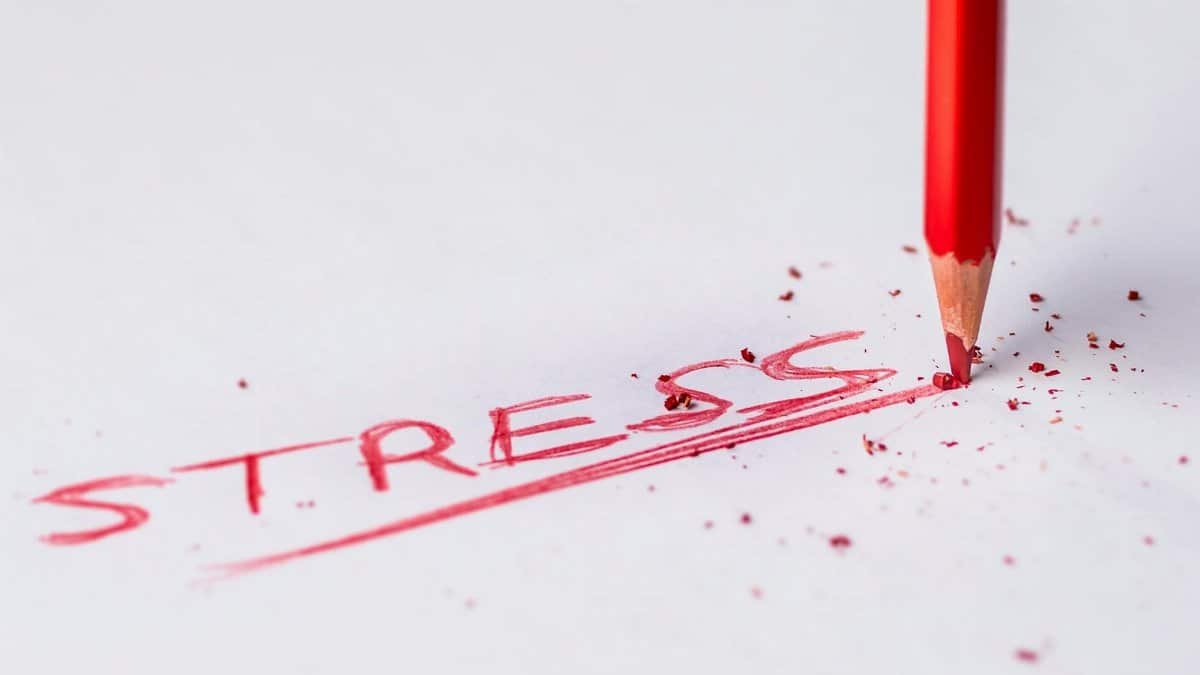
New data shows that 70% of Americans report improved mental clarity after adopting stress recovery habits, according to a recent survey by the American Psychological Association. In a fast-paced world, these habits are gaining traction as essential tools for combating daily pressures. From mindfulness techniques to physical routines, stress, mental, habits are reshaping how people maintain balance and focus. As we head into 2025, experts say incorporating them can lead to lasting benefits, reducing burnout and enhancing productivity. This shift is particularly evident among urban professionals juggling work and family demands.
1. Mindful Breathing Exercises

Deep breathing stands out as a cornerstone for stress recovery. It activates the body’s relaxation response, lowering cortisol levels and clearing mental fog. Start with the 4-7-8 technique: inhale for four seconds, hold for seven, exhale for eight. Studies from Harvard Medical School highlight how this practice improves focus within minutes. In busy cities like New York, commuters use it during subway rides to reset. Regular sessions, even five minutes daily, build resilience against anxiety. Experts recommend apps for guided sessions, making it accessible for beginners. Over time, it fosters a calmer mindset, crucial for decision-making in high-stakes environments.
2. Regular Physical Activity

Exercise isn’t just for the body; it’s a powerhouse for mental clarity. Activities like jogging or yoga release endorphins, which combat stress hormones. A report from the Centers for Disease Control and Prevention notes that 150 minutes of moderate activity weekly can slash depression risks by 25%. In 2025, with remote work persisting, incorporating walks during lunch breaks is key. Gym-goers in Los Angeles swear by high-intensity interval training for quick mood boosts. It enhances blood flow to the brain, sharpening cognition. Consistency matters more than intensity, so find enjoyable routines to stick with long-term.
3. Journaling for Reflection

Putting thoughts on paper clears mental clutter effectively. Journaling helps process emotions, identifying stress triggers and patterns. Research from the University of Rochester shows it reduces rumination, leading to better sleep and focus. Many start with gratitude lists, noting three positives daily. In corporate America, executives use it to debrief after meetings. This habit builds self-awareness, turning chaotic thoughts into actionable insights. Digital tools like apps make it portable, but old-school notebooks offer a tactile benefit. Aim for 10 minutes before bed to unwind and prepare for the next day.
4. Digital Detox Periods

Stepping away from screens rejuvenates the mind. Constant notifications overload the brain, heightening stress. A study by Pew Research Center reveals that 31% of adults feel overwhelmed by digital demands, but short detoxes restore clarity. Try device-free evenings or weekends. Families in Chicago implement no-phone dinners to foster real connections. This break allows the brain to recharge, improving attention spans. In 2025, with AI integrations rising, setting boundaries becomes vital. Replace scrolling with reading or hobbies to sustain mental energy throughout the day.
5. Healthy Sleep Routines

Sleep is non-negotiable for stress recovery. Quality rest repairs neural pathways, boosting clarity. The National Sleep Foundation advises seven to nine hours nightly, with consistent schedules. Dim lights and avoid caffeine post-noon for better results. Data from a National Sleep Foundation report links poor sleep to heightened anxiety. Urban dwellers combat noise with white noise machines. Establishing a wind-down ritual, like herbal tea, signals the body to relax. Prioritizing this habit prevents the vicious cycle of fatigue and poor decisions.
6. Social Connections and Support

Building relationships buffers against stress. Meaningful interactions release oxytocin, countering isolation’s toll on mental health. A longitudinal study from Harvard’s Grant Study emphasizes strong ties for longevity and happiness. Join clubs or call friends weekly to maintain bonds. In bustling metropolises, community events provide outlets. Virtual meetups suffice for remote workers in 2025. Sharing burdens lightens loads, offering fresh perspectives. This habit not only recovers from stress but prevents buildup, ensuring sustained mental sharpness in daily life.
These six habits are transforming how Americans approach mental well-being. Backed by evidence, they’re practical steps toward clarity. For more on sleep’s role, check the CDC’s sleep resources. Implementing even a few can yield noticeable changes, proving small adjustments lead to big shifts.