

Imagine the first moments of your day not tethered to a screen, but to something quieter, more grounding. What if the endless scroll of bad news and notifications could be replaced with a deliberate ritual—one that sets a tone of calm before the chaos creeps in? This is the promise of a digital sunrise routine, a practice gaining traction among those weary of starting their mornings with digital overload. Across the U.S., from bustling cities to quiet suburbs, people are seeking ways to reclaim their first waking minutes. The idea is simple: swap the knee-jerk reach for a phone with intentional steps that prioritize mental clarity. For many, it’s not just about cutting tech—it’s about crafting a morning that feels human again. This article lays out a practical six-step approach to build that routine, tailored for anyone ready to wake up differently.
Step 1: Wake Without the Screen
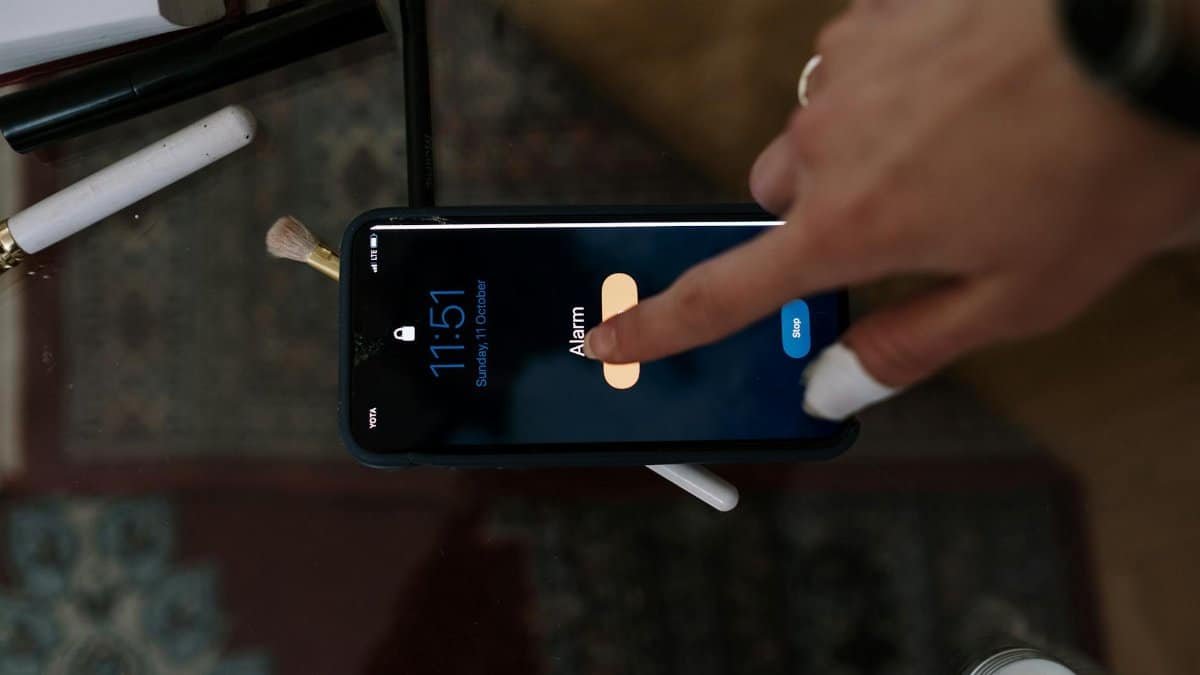
The alarm blares, and instinct pulls your hand toward the phone. Stop there. The first step of a digital sunrise routine is to break that cycle. Use a traditional alarm clock—yes, the kind that doesn’t double as a portal to endless notifications. Place it across the room if you must, forcing yourself to physically get up. This small act creates a barrier between sleep and the digital world. Studies suggest that exposure to screens within the first hour of waking can spike stress hormones like cortisol. A report from the National Institutes of Health highlights how blue light from devices disrupts circadian rhythms, often leaving us wired instead of refreshed. Start with silence, or the simple tick of a clock, and let your mind ease into the day.
Consider the experience of a Seattle-based teacher who shared, anonymously, that switching to a non-digital alarm felt like “reclaiming a piece of my sanity.” Mornings once filled with news alerts became a quiet space to just breathe. It’s not about rejecting technology forever—it’s about delaying its grip for a few precious minutes.
Step 2: Let Light Lead the Way

Before anything else, seek natural light. Open the curtains, step onto a balcony, or even crack a window to feel the morning air. Light signals to your brain that it’s time to wake, regulating melatonin and boosting mood. Research from the Centers for Disease Control and Prevention underscores how morning light exposure can improve sleep quality over time. In a digital sunrise routine, this step isn’t just practical—it’s symbolic. You’re choosing the world outside over the glow of a screen. If sunlight isn’t an option due to weather or early hours, a light therapy lamp can mimic the effect. The point is to anchor yourself in something real, something beyond pixels.
Picture a gray morning in Chicago, where one office worker described standing by their window each day, even in drizzle, just to “feel like part of the world waking up.” That tactile connection—light on skin, a glimpse of sky—can shift the entire trajectory of a morning.
Step 3: Breathe With Intention

Next, take five minutes to breathe. Not the shallow, distracted kind, but slow, deliberate inhales and exhales. Sit on the edge of your bed or stand by that open window. Count to four as you breathe in, hold for a moment, then release for six. This isn’t meditation if that feels daunting—it’s simply resetting. A study published through the Frontiers in Psychology journal found that brief breathing exercises can lower anxiety and improve focus. In the context of a digital sunrise routine, this step carves out mental space before the day’s demands—or digital distractions—rush in.
It’s a small rebellion against the pace of modern life. No apps, no guided tracks on a phone. Just you and the rhythm of your own breath. Over time, this can become a signal to your nervous system: the day starts on your terms.
Step 4: Ask One Grounding Question

Now, pose a single question to yourself: What’s one thing I want to feel today? Maybe it’s calm, curiosity, or even grit to tackle a tough task. Write it down on a scrap of paper or just hold it in your mind. This isn’t about setting lofty goals or adding pressure—it’s about intention. A digital sunrise routine thrives on mindfulness, and this question acts as a compass. Research from the Pew Research Center shows many Americans feel overwhelmed by constant connectivity, often losing sight of personal priorities. This step pulls focus inward, away from external noise.
Think of it as a quiet conversation with yourself. One person, reflecting on their own shift away from morning scrolling, noted online that asking this question felt like “setting an emotional anchor” before the day could sweep them away. It’s a moment to decide how you’ll show up, screen or no screen.
Step 5: Move, Even Briefly

Step five is about motion. Stretch for a minute, do a quick set of jumping jacks, or walk to the kitchen with purpose. Movement wakes the body without the jolt of a news feed. It doesn’t need to be a full workout—though if that’s your thing, go for it. The goal in a digital sunrise routine is to reconnect with your physical self before diving into the virtual. Studies link even brief movement to improved mood and energy, a finding often highlighted by health experts. Without a phone in hand, you’re fully present in the act, whether it’s feeling your muscles loosen or hearing your footsteps on the floor.
This can be as simple as reaching for the ceiling while coffee brews. A friend once described their morning stretch as “shaking off the digital fog,” a vivid reminder of how screens can dull our senses. Movement brings you back.
Step 6: Delay the Digital Dive

Finally, commit to a specific window of tech-free time. Aim for at least 30 minutes after waking, ideally an hour. Keep the phone out of reach—drawer, another room, anywhere but bedside. Use this time for a slow breakfast, a quick read of a physical book, or just sitting with your thoughts. The digital sunrise routine hinges on this delay, creating a buffer before the flood of emails, social media, and news. It’s not about permanent disconnection but intentional timing. Data shows that constant digital engagement can erode attention spans and heighten stress, a trend well-documented in mental health studies.
One parent in a suburban town shared how this delay transformed mornings with their kids—no notifications interrupting cereal chats. It’s a reclaiming of time. When you do check your device, it’s a choice, not a reflex. That difference matters.
As 2025 unfolds, more Americans are wrestling with the pull of technology, especially in those vulnerable first moments of the day. A digital sunrise routine isn’t a cure-all, but it’s a tangible way to push back. These six steps—waking without a screen, seeking light, breathing with purpose, asking a grounding question, moving briefly, and delaying the digital dive—offer a framework to start mornings with clarity. They’re not rigid rules but adaptable habits, meant to fit into real, messy lives. The beauty lies in the shift: from reactive to intentional, from consumed to present. For anyone tired of doom-scrolling their way into the day, this routine might just be the reset needed. It’s less about perfection and more about showing up for yourself, one morning at a time.