

In a fast-paced world where stress seems baked into daily life, it’s no wonder that more than 60 percent of Americans report turning to food for comfort during tough times, according to a recent survey by the American Psychological Association. This figure, up from previous years, underscores a growing recognition that what we eat can influence how we feel. Enter the intriguing intersection of snacks, improve, emotional balance: simple bites that might just steady our inner equilibrium. From nutrient-packed nuts to antioxidant-rich fruits, these everyday options draw on science-backed benefits to support mood regulation and resilience. As we navigate 2025’s uncertainties, from economic shifts to personal pressures, exploring these snacks offers a practical, accessible way to foster emotional well-being without overhauling our routines. It’s not about magic fixes, but small, intentional choices that accumulate over time.
1. Dark Chocolate for Mood Elevation

Dark chocolate often gets dismissed as a guilty pleasure, but emerging research suggests it plays a subtler role in emotional health. Consider the way a square melts on the tongue, releasing a subtle bitterness that lingers. Scientists have found that compounds like flavonoids in cocoa can boost endorphin levels, those natural feel-good chemicals that ease anxiety. One study from the National Institutes of Health highlighted how regular, moderate consumption correlates with lower depression symptoms in adults.
Picture a harried office worker in Chicago, pausing mid-afternoon to savor a piece. “It just resets my day,” she might say, echoing sentiments from countless others who’ve discovered this ritual. Yet, it’s not all indulgence; the key lies in choosing varieties with at least 70 percent cocoa to maximize benefits while minimizing sugar spikes that could crash energy later. This balance matters, especially when emotional lows hit unexpectedly.
Diving deeper, theobromine in chocolate acts as a mild stimulant, promoting alertness without the jitters of caffeine overload. Pair it with a handful of berries for added antioxidants, and you’ve got a snack that supports serotonin production too. Of course, moderation is crucial—overdoing it might lead to unwanted calories—but integrated thoughtfully, dark chocolate becomes a reliable ally in maintaining emotional steadiness. For more on this, check out the NIH study on cocoa and mood.
2. Almonds to Combat Stress

Start with the crunch: that satisfying snap as you bite into a roasted almond, a sound that signals a moment of pause amid chaos. These nuts aren’t just portable fuel; they’re loaded with magnesium, a mineral often depleted in stressed bodies. Deficiency in magnesium can amplify feelings of irritability and fatigue, but snacking on almonds helps replenish it, potentially smoothing out emotional rough edges.
Anecdotes abound of people incorporating them into routines for noticeable shifts. One anonymous account shared online described how swapping chips for almonds during work breaks reduced afternoon slumps, leading to calmer evenings at home. It’s a reminder that emotional balance sometimes stems from steady blood sugar, which almonds support through their healthy fats and protein.
Beyond basics, vitamin E in almonds acts as an antioxidant, protecting brain cells from oxidative stress that might contribute to mood disorders. Research from Harvard’s School of Public Health links nut consumption to improved mental health outcomes over time. Try toasting them lightly with a sprinkle of sea salt for variety, or mix with dried fruit for a trail mix that sustains through long days. The ritual itself can become grounding, a small act of self-care in 2025’s relentless pace. Explore the details in this Harvard Nutrition Source on nuts.
3. Blueberries for Cognitive Clarity

What if a handful of blueberries could clear the mental fog that clouds emotional responses? These tiny fruits pack anthocyanins, pigments that cross the blood-brain barrier to enhance neuron communication. In moments of overwhelm, when emotions run high, such support might make all the difference, fostering clearer thinking and reduced reactivity.
Imagine a parent in Seattle, juggling remote work and family demands, reaching for frozen blueberries in a smoothie. The burst of tartness wakes the senses, and over weeks, she notices sharper focus, less prone to snap decisions born of frustration. Studies back this up, showing berries’ role in mitigating inflammation linked to depression.
Variety keeps it engaging—fresh in summer salads or blended into yogurt parfaits. The fiber content aids digestion, indirectly benefiting the gut-brain axis, where much of our serotonin originates. A report from the USDA emphasizes how regular berry intake correlates with better emotional resilience in middle-aged adults. It’s a simple swap that aligns with broader trends toward mindful eating, proving that snacks can indeed improve emotional landscapes without fanfare. Learn more from the USDA on blueberries.
4. Greek Yogurt with Probiotics
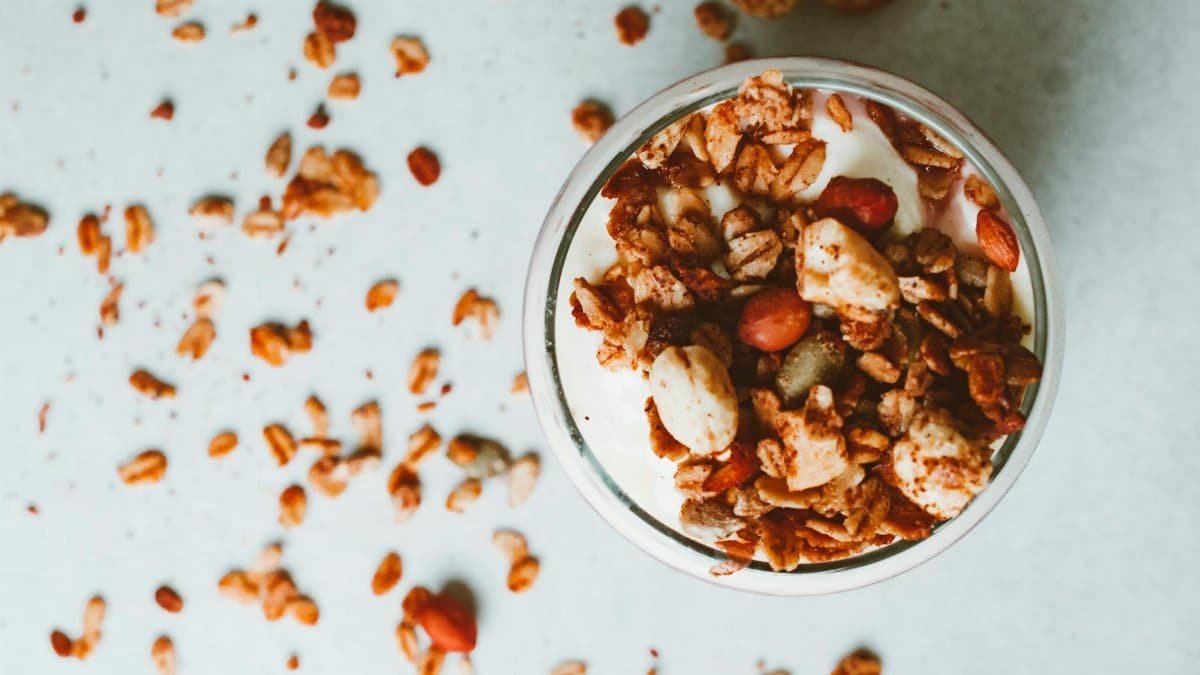
Greek yogurt’s creamy texture invites a slow savor, a contrast to hurried meals that often exacerbate emotional turbulence. Rich in probiotics, it nurtures gut health, which researchers increasingly tie to mood via the microbiome. Disruptions there can manifest as anxiety or low energy, but consistent intake helps restore harmony.
Reflect on a story from a New York commuter who started topping yogurt with honey and seeds. “My mornings feel less frantic,” he noted, attributing it to steadier emotions throughout the day. This aligns with findings that fermented foods like yogurt can lower cortisol levels, the stress hormone that fuels emotional imbalance.
Opt for plain varieties to avoid added sugars, then customize with fresh fruit or a dash of cinnamon. Protein keeps you full, preventing hanger-induced irritability, while calcium supports nerve function. The Mayo Clinic’s overview connects dairy probiotics to improved mental well-being, especially in populations facing daily stressors. In essence, this snack bridges physical and emotional nourishment, a quiet revolution in how we approach self-care. Dive into the evidence at Mayo Clinic on probiotics.
5. Bananas for Serotonin Support

A banana’s humble peel belies its power as an emotional stabilizer, thanks to tryptophan, a precursor to serotonin. This neurotransmitter regulates mood, and when levels dip, so can our sense of calm. Grabbing one mid-morning provides a quick, natural lift without the crash of processed sweets.
Envision a teacher in Atlanta, peeling a banana during recess to recharge. The subtle sweetness eases her through lesson plans, warding off the impatience that builds by lunch. Public shares online often highlight similar experiences, where this fruit curbs emotional dips tied to fluctuating energy.
Potassium in bananas also aids muscle relaxation, countering tension that amplifies stress. Combine with peanut butter for a protein boost, creating a snack that sustains. Data from the CDC points to fruit-rich diets correlating with lower rates of mood disorders. It’s an accessible entry point for those exploring how snacks improve emotional balance, blending convenience with science. For insights, visit the CDC on nutrition and health —while not banana-specific, it ties into broader fruit benefits.
6. Avocado Slices on Whole Grain Toast
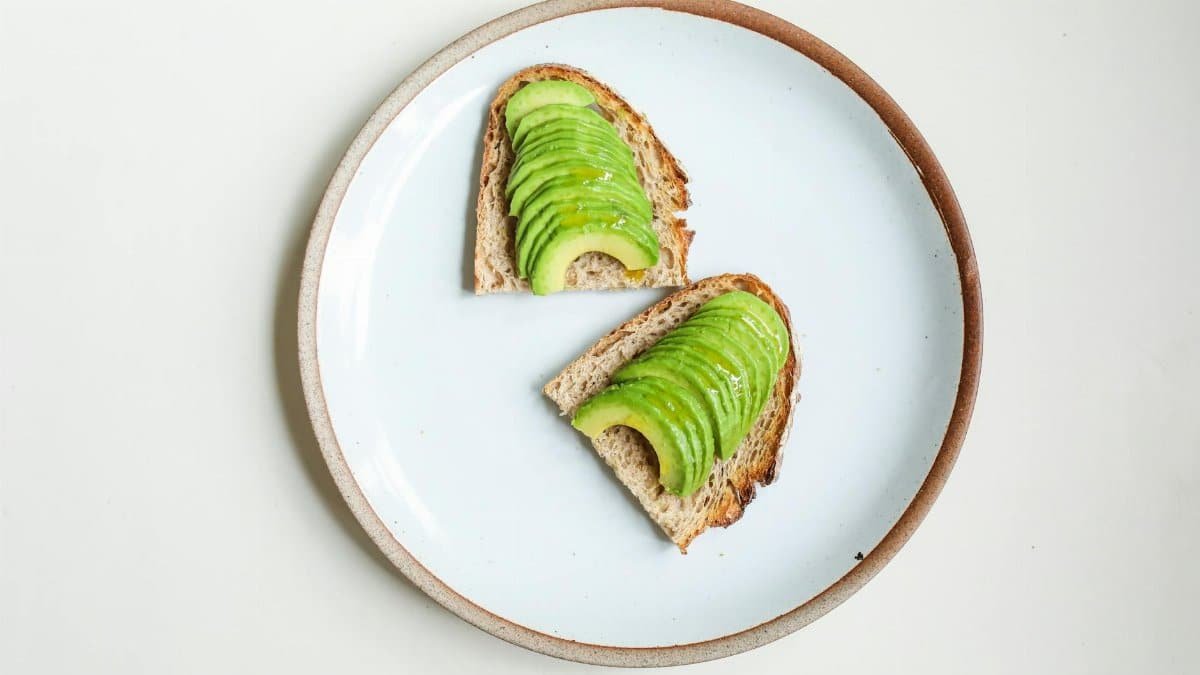
Avocado toast has evolved from trend to staple, offering monounsaturated fats that bolster brain health and emotional stability. The creamy spread on crisp toast provides a sensory delight, grounding us in the present amid emotional whirlwinds.
Think of a freelance writer in Los Angeles, assembling this snack as a ritual to steady nerves before deadlines. “It centers me,” she reflects, noting how the fats help maintain even keel emotions. Omega-3s in avocados mimic those in fish, supporting anti-inflammatory effects that ease depressive symptoms.
Add a squeeze of lemon for zest, or top with seeds for crunch. Fiber ensures steady digestion, linking back to gut-mood connections. A Pew Research analysis on dietary trends in 2025 shows rising adoption of such snacks for wellness. This final option rounds out a toolkit where snacks improve emotional outlooks, proving everyday foods can foster resilience. For related data, see Pew Research on healthy eating.