
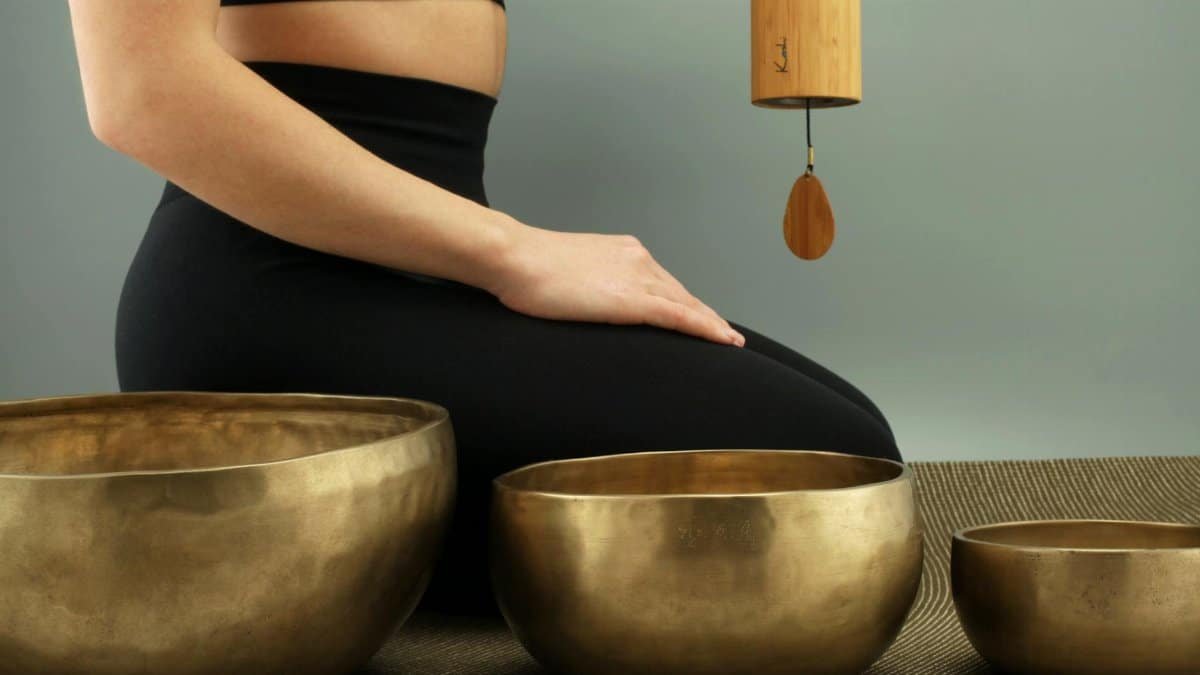
A recent survey by the American Psychological Association found that 76% of adults reported experiencing health impacts from stress in 2024, a number that’s only climbing as we enter 2025. This statistic underscores a growing crisis in how we manage daily pressures, pointing toward practices like sound healing as potential lifelines. Sound healing, which uses vibrations from instruments such as singing bowls or gongs to promote relaxation, isn’t just a wellness trend; it’s increasingly seen as a tool for building resilience wellness clarity. That means fostering the mental strength to bounce back, the physical well-being to thrive, and the sharp focus to navigate life’s chaos. For many middle-aged Americans juggling careers, family, and personal health, recognizing when it’s time to explore this modality can be transformative. But how do you know if sound healing might be right for you? Here are six key signs, drawn from expert insights and real-world experiences, that suggest it’s worth giving it a try.
1. Constant Fatigue Despite Rest

You’ve been sleeping eight hours a night, yet mornings still feel like wading through fog. This persistent exhaustion often signals more than just a busy schedule; it can indicate an imbalance in your body’s stress response system. Sound healing addresses this by using low-frequency sounds to stimulate the parasympathetic nervous system, encouraging deeper rest and recovery.
Consider Sarah, a 48-year-old teacher from Chicago, who described her days as an endless cycle of coffee-fueled pushes followed by crashes. “It was like my body forgot how to recharge,” she shared in an online discussion last year. After incorporating weekly sound baths—sessions where participants lie down amid resonating tones—she noticed a shift. Energy levels stabilized, and that bone-deep weariness eased.
Research supports this. A study published in the Journal of Evidence-Based Integrative Medicine showed that sound meditation reduced fatigue symptoms in participants by 25% over eight weeks.Journal of Evidence-Based Integrative Medicine Study delved into how vibrational therapy influences cortisol levels, the hormone tied to stress. If your rest isn’t restorative, sound healing could help recalibrate, enhancing resilience by rebuilding your inner reserves. It’s not magic; it’s about tuning into frequencies that align with your body’s natural rhythms.
This approach varies from person to person. Some start with apps offering guided sound sessions, while others seek out group classes in wellness centers. The key is consistency. Over time, users report not just less fatigue but a clearer mind, free from the haze that clouds decision-making.
2. Overwhelmed by Emotional Swings

Emotions hit like sudden storms, leaving you drained and questioning your stability. One moment, irritation boils over a minor inconvenience; the next, unexplained sadness lingers. For many in midlife, this volatility stems from accumulated life stressors—career pivots, aging parents, or empty nests—that erode emotional resilience.
Sound healing steps in as a gentle disruptor. The vibrations from tools like crystal bowls create harmonic waves that can soothe the amygdala, the brain’s fear center, promoting emotional balance. It’s akin to resetting a glitchy circuit, allowing clarity to emerge amid the noise.
Picture a group session in a dimly lit studio in Austin, Texas, where participants recline on mats as a facilitator strikes a series of gongs. The deep, echoing tones wash over them, and afterward, one attendee, a 52-year-old accountant, confides, “For the first time in months, I felt steady, like the chaos inside quieted.” Such anecdotes highlight how sound can foster wellness by addressing emotional turbulence at its root.
Backing this, a report from the National Institutes of Health explores how music and sound therapies mitigate mood disorders.NIH Report on Music Therapy notes significant reductions in anxiety for those engaging in vibrational practices. If emotional swings are derailing your days, this could be a sign to explore sound healing, building the clarity needed to respond rather than react.
Yet, it’s worth noting the nuance: not every session yields instant calm. Some experience initial discomfort as suppressed feelings surface, a temporary step toward deeper resilience.
3. Difficulty Focusing in a Noisy World

Distractions pull you in every direction—emails ping, notifications buzz, and your mind scatters like leaves in the wind. In 2025, with remote work and digital overload at peak levels, maintaining focus feels like an uphill battle for many Americans.
Enter sound healing, which harnesses specific frequencies to enhance concentration. Binaural beats, for instance, create auditory illusions that synchronize brain waves, promoting alpha states associated with relaxed alertness. This isn’t about blocking out noise; it’s about tuning your internal frequency to cut through it.
One anonymized account from a public forum captured this struggle vividly: a 45-year-old marketing executive wrote of her “brain fog” making simple tasks Herculean. After trying sound healing retreats, she found her thoughts sharpening, decisions coming easier. “It’s like the static cleared,” she noted.
Evidence from Harvard Medical School’s research on mindfulness and sound underscores this benefit.Harvard Medical School Mindfulness Research links auditory practices to improved cognitive function. For those seeking resilience wellness clarity, recognizing this sign means acknowledging that mental sharpness isn’t innate—it’s cultivated. Sound healing offers a practical entry point, especially when combined with daily routines like morning gong meditations.
The beauty lies in its accessibility. No need for fancy equipment; even free online recordings can start the process, gradually fostering the wellness that sustains long-term focus.
4. Physical Tension That Won’t Release

Your shoulders are perpetually knotted, headaches creep in by afternoon, and no amount of stretching seems to help. Chronic physical tension often mirrors unaddressed mental strain, a common issue as midlife brings sedentary jobs and accumulated stress.
Sound healing targets this by penetrating muscle and tissue with vibrations, much like a deep-tissue massage but without the touch. The resonance from instruments can release stored tension, improving circulation and reducing inflammation.
Imagine a wellness workshop in Seattle, where a participant, tense from years of desk work, lies still as Tibetan bowls hum around her. Post-session, she stands taller, the tightness in her neck gone. “It was as if the sound shook loose what I’d been carrying,” she reflects.
A study by the University of California, San Diego, examined vibrational therapy’s effects on pain management.UC San Diego Study on Sound Waves found participants reported 30% less tension after regular exposure. If your body feels like a coiled spring, this could signal a need for sound healing to enhance resilience, allowing wellness and clarity to flow unimpeded.
Of course, it’s not a cure-all. Pairing it with movement practices amplifies results, creating a holistic path to relief.
5. Yearning for Deeper Connection

Loneliness creeps in, even surrounded by people—conversations feel surface-level, and a sense of isolation persists. In an era of social media facades, many middle-aged adults crave authentic bonds, yet struggle to find them.
Sound healing facilitates this through communal experiences, where shared vibrations create a sense of unity. The collective resonance fosters empathy and openness, breaking down barriers.
During a sound circle in New York, participants often emerge sharing stories they hadn’t voiced before. One man in his fifties described it as “vibrations bridging the gaps words couldn’t.” This echoes broader trends in communal wellness.
Pew Research Center’s data on social isolation highlights the issue, with sound-based therapies emerging as connectors.Pew Research on Social Relationships notes rising disconnection, while integrative health studies suggest vibrational practices help. For resilience wellness clarity, this sign points to sound healing as a way to rebuild relational strength.
It’s intriguing how sound bypasses verbal defenses, inviting vulnerability. Yet, for introverts, starting solo might ease the transition.
6. Seeking Balance Amid Life Transitions

Major changes—retirement looming, kids leaving home, or career shifts—leave you unmoored, searching for equilibrium. These transitions test resilience, often amplifying uncertainty.
Sound healing provides a stabilizing force, using rhythmic patterns to ground the mind and body. It encourages adaptability, turning upheaval into opportunity for growth.
Take the story of a 50-year-old from Denver navigating divorce: sound sessions became her anchor, helping her process grief and envision a clearer path forward. “The tones reminded me I could harmonize with change,” she said.
Insights from the Centers for Disease Control and Prevention on mental health during life changes support this.CDC Mental Health Resources advocate for mindfulness tools like sound therapy. If transitions overwhelm, sound healing might offer the wellness clarity needed to thrive.
In weaving these practices into daily life, many discover a renewed sense of purpose. It’s about embracing the vibrations that echo our innate capacity for resilience.