
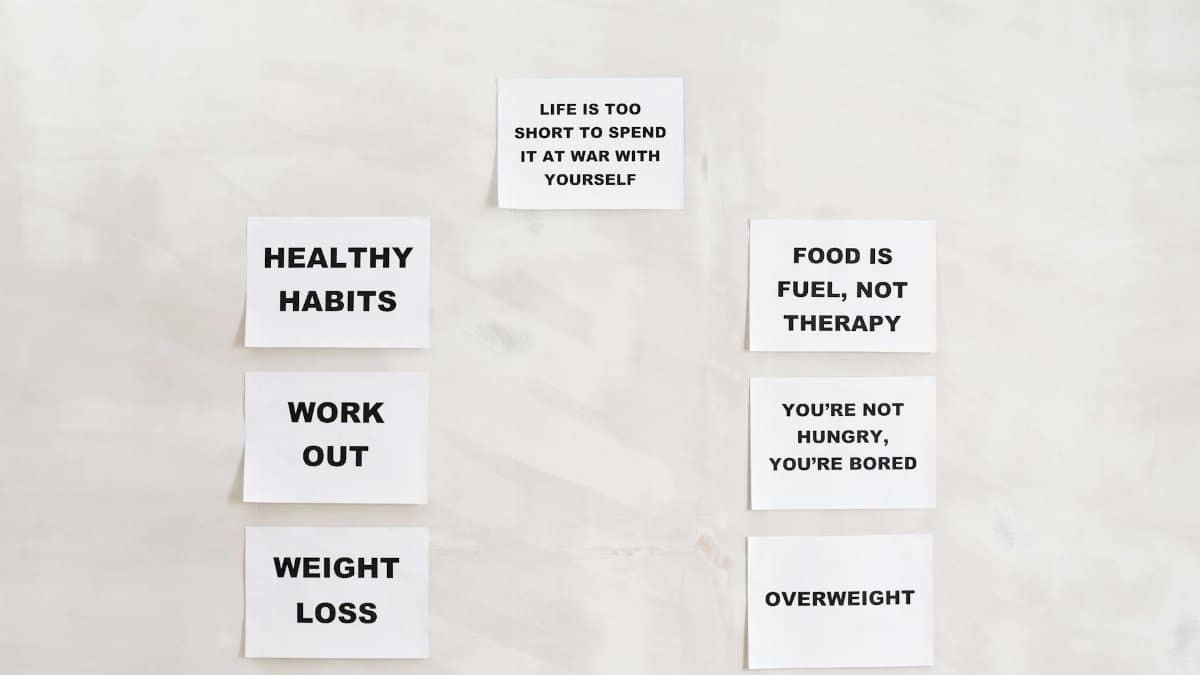
In a nation where stress levels are skyrocketing, a startling fact emerges from recent research: nearly 40% of American adults report feeling overwhelmed by daily emotions, up from just 25% a decade ago, according to a comprehensive survey by the American Psychological Association. This surge underscores a growing quest for stability amid chaos. Enter advancing, restorative, balance—a concept that’s gaining traction as people seek ways to reclaim their inner equilibrium. It’s not about quick fixes but sustainable habits that nurture emotional resilience. As wellness trends evolve in 2025, these practices are proving essential for middle-aged Americans juggling careers, families, and personal growth. They offer a pathway to clarity, helping individuals navigate life’s ups and downs with greater poise. But what specific habits can truly advance this balance? Let’s explore six restorative wellness approaches that are making waves.
1. Embracing Mindful Meditation

Meditation isn’t just for monks or yoga enthusiasts anymore. It starts with something simple: sitting quietly for a few minutes each day, focusing on the breath. Imagine a busy parent in Chicago, pausing amid the morning rush to inhale deeply, letting thoughts drift like clouds. This practice rewires the brain over time, reducing anxiety and fostering emotional steadiness.
Research backs this up. A study from Harvard Medical School found that regular meditation can decrease activity in the amygdala, the brain’s fear center, leading to better emotional regulation. Participants reported feeling more centered after just eight weeks. Yet, it’s not always straightforward. Some beginners struggle with wandering minds, but starting small—say, five minutes—builds momentum.
Think of it as mental housekeeping. One anonymized account from an online discussion captured this vividly: a middle-aged professional described how meditation helped them process grief after a job loss, turning raw pain into quiet acceptance. In 2025, with apps making it accessible, this habit is advancing restorative balance for countless users. For more on the science, check out the Harvard Health Publishing overview on meditation’s benefits.
2. Cultivating Daily Journaling

What if putting pen to paper could untangle the knots in your mind? Journaling invites reflection, a space to pour out thoughts without judgment. Picture a teacher in Atlanta, scribbling notes after a long day, uncovering patterns in their stress triggers. This habit transforms vague unease into actionable insights, promoting emotional clarity.
It’s grounded in evidence. The National Institutes of Health highlights how expressive writing can lower cortisol levels, easing emotional turmoil. One trial showed participants who journaled about traumatic events experienced improved mood and fewer intrusive thoughts. But variety keeps it fresh—try prompts like “What am I grateful for?” or free-form rants.
Challenges arise, like consistency, yet weaving it into routines, perhaps before bed, makes it stick. A brief snapshot: someone shared publicly about journaling through a divorce, noting how it revealed hidden strengths, fostering resilience. As U.S. wellness circles emphasize mental health in 2025, this practice stands out for advancing restorative balance. Dive deeper via the NIH study on expressive writing.
3. Integrating Nature Immersion

Step outside, and the world shifts. Nature immersion, whether a park stroll or forest hike, reconnects us with something larger, soothing frayed nerves. Envision a retiree in Seattle wandering trails, the rustle of leaves drowning out urban noise, restoring a sense of peace.
Science supports this. A Pew Research Center analysis reveals that Americans spending time outdoors report higher life satisfaction, with nature exposure linked to reduced depression symptoms. Forests, in particular, emit phytoncides that boost mood-regulating hormones. Still, urban dwellers might adapt with balcony plants or virtual nature sounds.
The key is intentionality—notice the details, like bird calls or wind on skin. Tensions emerge when weather or schedules interfere, but even short bursts count. Online forums buzz with stories, like one where a stressed executive found solace in weekly hikes, describing it as “recharging my emotional battery.” In advancing restorative balance, this habit shines brightly. Explore findings at Pew Research on outdoor activities, though note broader wellness contexts apply.
4. Practicing Gratitude Rituals

Gratitude isn’t mere positivity; it’s a deliberate shift in perspective. Begin by noting three things you’re thankful for each evening, turning focus from lacks to abundances. Consider a nurse in Dallas, amid shift exhaustion, listing small wins like a colleague’s smile, which lightens her emotional load.
Backed by data, a CDC report ties gratitude practices to enhanced emotional well-being, with practitioners showing lower rates of burnout. One study followed groups over months, finding sustained mood improvements. Mix it up with letters to loved ones or visual boards to avoid routine fatigue.
Yet, authenticity matters—forced thanks can backfire. A real-life moment: during a family gathering, someone realized gratitude helped mend strained ties, revealing deeper connections. As 2025 spotlights mental health initiatives, this ritual advances restorative balance effectively. For details, see the CDC’s mental health resources.
5. Implementing Digital Detox Periods

Screens dominate, but stepping away reclaims mental space. A digital detox might mean no devices after 8 p.m., allowing evenings for reading or conversation. Visualize a manager in New York, silencing notifications, suddenly aware of forgotten hobbies, easing constant digital pull.
Evidence from the American Psychological Association shows excessive screen time correlates with heightened anxiety, while breaks improve focus and emotional stability. Surveys indicate a 20% drop in stress for those limiting usage. Adapt by setting boundaries, like app timers, to make it feasible.
Resistance is common—FOMO strikes—but gradual changes build habits. An illustrative snippet: a parent recounted online how detoxing led to better sleep and family bonds, describing renewed calm. This approach is pivotal in advancing restorative balance amid tech-saturated lives. Reference the APA’s insights on technology and stress.
6. Engaging in Gentle Physical Movement

Movement heals beyond the body. Gentle activities like yoga or tai chi link breath to motion, dissolving emotional blocks. Think of an artist in Austin flowing through poses, each stretch releasing pent-up tension, inviting balance.
NIH studies confirm yoga reduces symptoms of emotional distress, with brain scans showing increased GABA levels for calm. Long-term practitioners report greater resilience to stressors. Vary with walking or dance to suit preferences, ensuring inclusivity.
Barriers like time or physical limits exist, but modifications help. A nuanced reflection: one person’s journey through yoga post-injury highlighted how it not only mended the body but rebuilt emotional fortitude. In 2025’s wellness landscape, this habit propels advancing restorative balance forward. Learn more from NIH’s yoga overview.
These habits aren’t isolated; they interconnect, building a foundation for emotional harmony. As Americans grapple with modern pressures, incorporating them can lead to profound shifts. The journey toward advancing restorative balance is personal, yet universally rewarding, offering tools for a more centered life.