

In a state like Pennsylvania, where bustling cities meet rolling farmlands, a surprising statistic stands out: according to a 2024 survey by the American Pet Products Association, over 70% of households own pets, a number that’s climbed steadily amid rising mental health concerns. This isn’t just about companionship; it’s about how pets tap into their innate instincts to foster emotional stability. A deeper dive reveals that these animal behaviors, from a dog’s empathetic gaze to a cat’s rhythmic purring, align with human needs for support in managing stress and anxiety. As we navigate 2025’s uncertainties, from economic shifts in Pittsburgh to serene retreats in the Pocono Mountains, understanding these instincts, support, mental connections offers a grounded way to enhance well-being. It’s a reminder that sometimes, the simplest bonds provide the most profound relief.
1. The Empathetic Sensing of Canine Companions

Dogs have long been hailed as man’s best friend, but in Pennsylvania’s diverse landscapes, their instinctual ability to detect human emotions takes on new significance. Picture a steelworker in Pittsburgh returning home after a grueling shift, only to be greeted by a tail-wagging Labrador whose keen sense of smell picks up on subtle stress signals. This isn’t mere affection; it’s an evolutionary trait where dogs read chemical cues in our sweat and breath, responding with comforting proximity.
Research backs this up. A study from the University of Pennsylvania’s School of Veterinary Medicine highlights how dogs can lower cortisol levels in their owners simply by being present during tense moments. One anonymized account from an online discussion captured it vividly: a person described how their rescue dog seemed to “know” when panic attacks loomed, curling up close and providing a steady heartbeat to focus on. Such stories resonate across the Keystone State, where urban isolation in Philadelphia or rural solitude in Amish country amplifies the need for this unspoken support.
Yet, it’s not always straightforward. Some dogs, bred for specific tasks, might overreact to stimuli, leading to their own anxiety. Balancing this requires mindful training, turning instinct into a reliable pillar for mental ease. In 2025, with telehealth options expanding, veterinarians in places like Harrisburg are integrating behavioral insights to strengthen these bonds, making them even more effective against everyday pressures.
2. Feline Purring as a Calming Rhythm
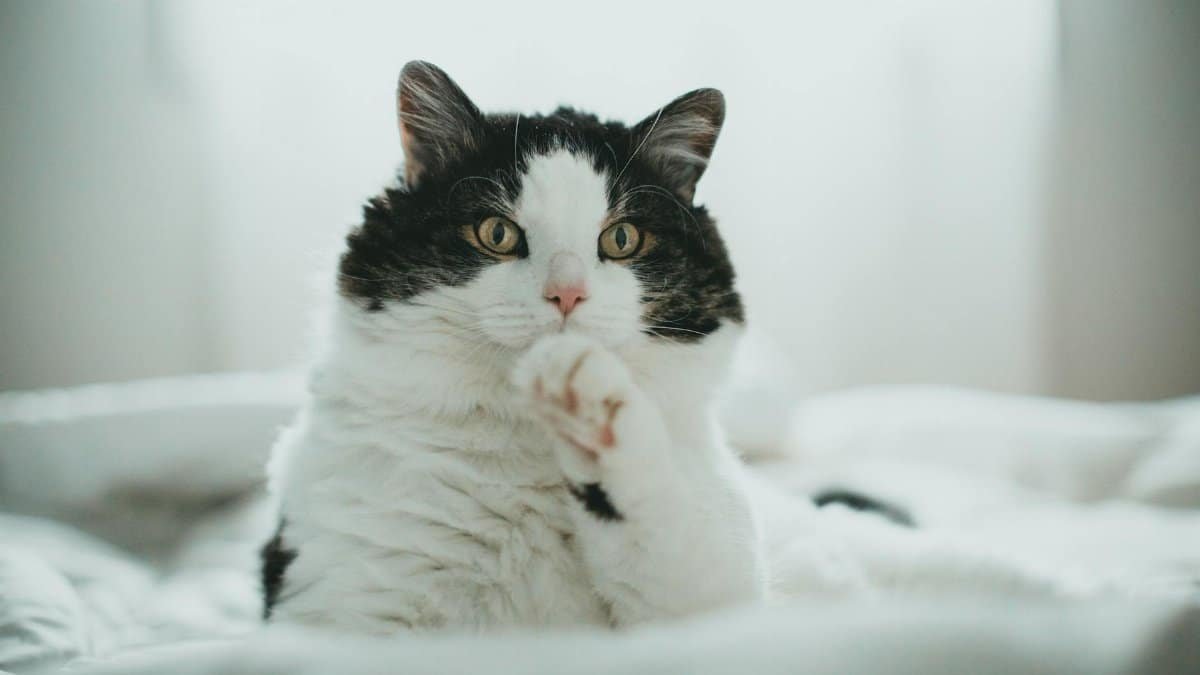
Consider the soft vibration of a cat’s purr echoing through a quiet apartment in Philadelphia’s historic districts. This sound, often dismissed as mere contentment, actually stems from an instinctual mechanism that promotes healing and relaxation. Cats purr not just when happy, but also when stressed or injured, using the frequency to soothe themselves—and, by extension, their human companions.
Scientists have noted that purr frequencies between 25 and 150 Hertz align with those used in therapeutic vibration treatments for bone density and pain relief. A report from the National Institutes of Health explores how this can reduce anxiety in humans, drawing parallels to mindfulness practices. In Pennsylvania, where winter blues can hit hard in snowy Erie, cat owners report feeling a tangible lift from these sessions of mutual calm.
One local tale involves a retiree in Lancaster who found solace in her tabby’s persistent purring during bouts of loneliness after losing a spouse. It wasn’t dramatic; just a consistent hum that grounded her thoughts. This illustrates how feline instincts, support, mental health by creating auditory anchors in chaotic times. Of course, not every cat is a natural therapist—some prefer independence—but when the connection clicks, it’s a subtle force for emotional balance.
3. Birds’ Vocal Mimicry and Emotional Mirroring

Birds, with their sharp intelligence, offer a unique form of instinctual support through vocal mimicry. In the backyards of suburban Allentown, a parrot repeating phrases might seem amusing, but it’s rooted in social bonding behaviors that echo human needs for validation and interaction.
Studies show that species like African Greys can discern tones and respond accordingly, providing a mirror for owners’ moods. A publication from Cornell University’s Lab of Ornithology details how this mimicry fosters a sense of being heard, crucial for mental well-being. Amid Pennsylvania’s tech hubs in the Lehigh Valley, where remote work blurs boundaries, such interactions combat isolation.
Imagine a software engineer practicing presentations to her cockatiel, who chirps back encouragements in a mimicked voice. It’s lighthearted yet profound, easing performance anxiety. Tensions arise when birds pick up negative patterns, like yelling, but positive reinforcement turns this instinct into a tool for positivity. As 2025 brings more hybrid lifestyles, these feathered companions highlight adaptive ways to maintain mental equilibrium.
4. The Protective Vigilance of Guard Animals

Instinct drives animals like dogs or even goats in rural Pennsylvania farms to stand guard, alerting owners to potential threats and instilling a sense of security. This vigilance isn’t just physical; it translates to emotional reassurance, knowing someone’s watching your back.
A Pew Research Center analysis on pet ownership trends notes a spike in adoptions for security purposes, correlating with lower reported anxiety levels. In areas like the Allegheny Mountains, where isolation can breed unease, a loyal hound’s bark serves as an early warning system, both literal and metaphorical.
One illustrative snippet comes from a farmer near Gettysburg, who shared how his sheepdog’s alertness helped him process lingering PTSD from military service. The dog’s instinctive patrols created a buffer zone, allowing space for reflection without fear. Here, instincts, support, mental resilience by building trust in one’s environment. Challenges include overprotectiveness leading to noise complaints in denser neighborhoods, but tailored environments mitigate this, enhancing the overall benefit.
5. Rodents’ Playful Energy for Stress Relief

Small pets like hamsters or rats bring a playful instinct that injects joy into daily routines, particularly in compact living spaces across Pennsylvania’s college towns. Their scampering and curiosity encourage owners to engage in lighthearted activities, diverting minds from heavier thoughts.
Findings from a study linked through the American Psychological Association indicate that interacting with small animals boosts endorphins, akin to mild exercise. In bustling State College, students juggling academics find brief respites in watching a gerbil navigate mazes, mirroring their own problem-solving efforts.
A young professional in Scranton recalled setting up obstacle courses for her pet rat, which not only entertained but also sparked creative outlets during work slumps. This playful dynamic underscores how such instincts foster mental agility. Drawbacks? Short lifespans can lead to grief, yet the cycle teaches impermanence and appreciation. In 2025’s fast-paced world, these tiny dynamos remind us of the power in simple diversions.
6. Aquatic Pets’ Serene Presence and Mindfulness

Fish gliding through aquariums offer a visual symphony of calm, their instinctual schooling behaviors promoting a meditative state for observers. In Pennsylvania’s riverine communities along the Susquehanna, this translates to home setups that mimic natural flows, aiding mental decompression.
Research from the Mayo Clinic supports how watching fish reduces blood pressure and anxiety, similar to nature immersion therapies. One doesn’t need a vast tank; even a betta in a bowl can provide focal points for breathing exercises.
Reflect on a teacher in Harrisburg who installed a small aquarium in her classroom, noting how students’ focus improved during chaotic days. Personally, it’s like having a living screensaver that pulls you into the present. This serene instinct counters the noise of urban life, though maintenance demands discipline to keep the environment thriving. As we look to 2025, embracing these aquatic instincts, support, mental tranquility in innovative ways, perhaps through community fish-keeping groups in places like Wilkes-Barre.
Across Pennsylvania, from the industrial heartlands to verdant valleys, these pet instincts weave into the fabric of daily life, offering unassuming yet powerful support for mental ease. They remind us that well-being often hides in the familiar, urging a closer look at the animals sharing our spaces.