

A recent study from the American Psychological Association found that nearly 70 percent of pet owners experience a noticeable drop in stress levels simply from interacting with their animals daily. This isn’t just feel-good fluff; it’s backed by data showing how these furry companions influence our emotional well-being. In a world where anxiety often feels like a constant hum, pets offer subtle yet powerful ways to ground us. Consider the keyword here: behaviors that strengthen emotional safety. From a cat’s gentle purring to a dog’s enthusiastic welcome, these actions create a buffer against life’s chaos. They remind us we’re not alone, fostering a sense of security that’s both instinctive and profound. As more Americans turn to pets for companionship amid rising mental health concerns, understanding these behaviors reveals why our bonds with animals run so deep.
1. The Calming Rhythm of Purring

Cats have this uncanny way of knowing when you’re unraveling. One evening, a friend described curling up on the couch after a brutal workday, her tabby jumping onto her lap and starting that familiar rumble. It’s more than noise; purring vibrates at frequencies between 25 and 150 Hertz, which studies suggest can promote healing and reduce stress. This behavior taps into something primal, signaling safety and contentment.
Research from the National Institutes of Health explores how such vibrations might even lower blood pressure. Imagine it as nature’s white noise machine, drowning out worries. Yet, it’s not always straightforward. Some cats purr when injured or anxious themselves, adding a layer of mutual comfort. This reciprocity builds emotional safety, turning a simple sound into a shared language of reassurance.
In bustling households, this purring often becomes a ritual. Picture a family dealing with remote work fatigue; the cat’s presence shifts the energy, making space for vulnerability. It’s these small, repeated acts that weave emotional resilience into daily life.
2. Enthusiastic Greetings at the Door

What if coming home felt like a celebration every time? Dogs excel at this, with tails wagging furiously and bodies wriggling in pure joy. This greeting isn’t random; it’s a behavior that reinforces bonds, releasing endorphins for both pet and owner. One online account shared anonymously captured it perfectly: feeling utterly drained after a long commute, only to be met by a dog’s unbridled excitement that melted the day’s tension away.
According to findings from the American Psychological Association, such interactions boost oxytocin levels, the hormone tied to trust and affection. It’s like hitting a reset button on your mood. But there’s nuance here—overly exuberant greetings can sometimes overwhelm, especially in smaller spaces. Still, they signal unwavering loyalty, creating a foundation where emotional safety thrives amid uncertainty.
Think about urban dwellers in high-rise apartments. Amid the isolation of city life, that daily ritual becomes a lifeline, reminding you of connection in a disconnected world. Over time, it accumulates, strengthening your ability to face external pressures with a bit more ease.
3. Gentle Nuzzling and Cuddling
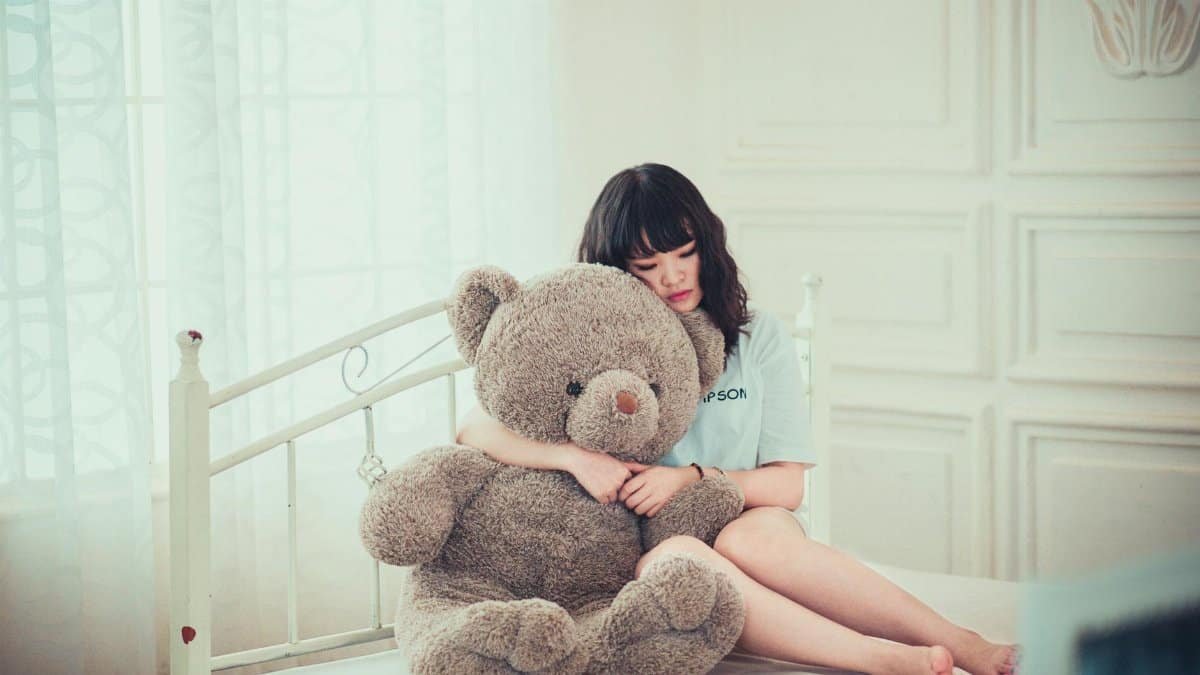
Start with the warmth of a pet pressing close, seeking contact. This nuzzling—whether from a rabbit, dog, or even a bird—activates touch receptors that calm the nervous system. It’s a quiet affirmation: you’re safe here. In one vivid snapshot, an elderly man recounted how his rescue dog’s head on his knee during quiet evenings helped him navigate grief after losing his spouse.
A study highlighted by Purdue University’s Center for the Human-Animal Bond links physical closeness with pets to reduced cortisol, the stress hormone. Yet, it’s not without its complexities; some animals nuzzle out of their own need for security, blurring the lines of who comforts whom. This interplay deepens the emotional tie, making it a cornerstone for behaviors that strengthen emotional safety.
As routines evolve in 2025, with more people working hybrid schedules, these moments of closeness offer stability. They counter the digital overload, grounding us in the tangible world of fur and warmth.
4. Playful Antics and Energy Bursts

Dive right into the chaos: a puppy chasing its tail or a cat batting at a feather toy. These playful behaviors invite participation, pulling owners into lighthearted moments that disrupt rumination. It’s infectious, turning a somber afternoon into something joyful. Consider a young professional, bogged down by deadlines, suddenly laughing as her ferret zooms around the room— a spark of levity amid pressure.
Evidence from the Centers for Disease Control and Prevention points to how pet play enhances mental health by promoting physical activity and laughter. But there’s a flip side; mismatched energy levels can frustrate if not managed. When aligned, though, it fosters a playful resilience, key to emotional safety.
In families, this dynamic often bridges generational gaps. Kids learn empathy through play, while adults rediscover whimsy. It’s these bursts that recharge our inner reserves, making tough days more bearable.
5. Vigilant Watching and Alertness

Ever notice how a pet perks up at unfamiliar sounds? This vigilance, like a dog barking at the door or a bird chirping warnings, instills a sense of protection. It’s not paranoia; it’s an evolutionary holdover that makes us feel guarded. One woman shared how her cat’s stares toward the window during stormy nights eased her own fears, creating a shared watchfulness.
Studies compiled by the National Library of Medicine suggest this alertness can alleviate feelings of vulnerability, particularly for those living alone. However, excessive barking might heighten anxiety in quiet neighborhoods. Balanced, it becomes a subtle shield, enhancing behaviors that strengthen emotional safety without words.
Amid rising concerns about personal security in 2025, this trait resonates deeply. It transforms pets into silent guardians, bolstering our emotional fortitude in subtle ways.
6. Steady Companionship Through Routines
End with the understated power of routine: a pet following you from room to room, mirroring your movements. This companionship combats loneliness, a silent epidemic. Picture a remote worker whose golden retriever curls up nearby during calls— a constant, nonjudgmental presence that steadies the mind.
Research from American Psychological Association journals underscores how such consistent behaviors reduce isolation’s impact. Yet, dependency can emerge if routines shift abruptly. When harmonious, it solidifies emotional safety, turning solitude into something shared.
As societal shifts continue, these patterns remind us of enduring connections. They weave stability into the fabric of daily life, proving pets’ roles extend far beyond entertainment.