
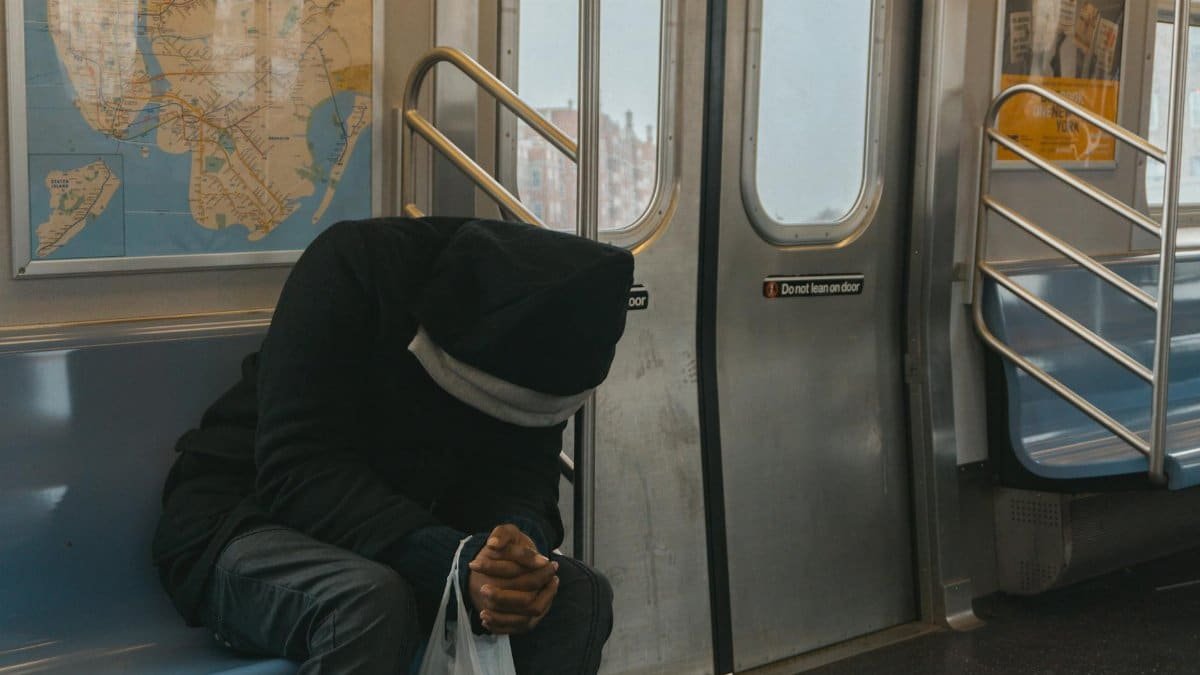
In a bustling city like New York, where the pace never slows, a recent survey from the American Psychological Association found that 76% of urban dwellers report elevated stress levels, up from 62% just five years ago. This spike isn’t always obvious; it hides in subtle daily habits that many dismiss as normal city life. But paying attention to these patterns can reveal hidden tensions simmering beneath the surface. From the endless scroll through social media during subway rides to the skipped lunches amid back-to-back meetings, these behaviors signal a deeper unease. As we navigate 2025’s ever-accelerating demands, understanding such indicators offers a pathway to reclaiming balance. It’s not about overhauling everything overnight, but recognizing how stress manifests quietly in the rhythms of city living.
1. Restless Nights in the City That Never Sleeps

New Yorkers pride themselves on thriving in chaos, yet one telling pattern emerges in the quiet hours: fragmented sleep. Picture a midtown apartment where the glow of a smartphone pierces the darkness, as someone checks emails at 2 a.m. This isn’t just insomnia; it’s a symptom of underlying stress that disrupts the body’s natural rest cycles. Research from the National Sleep Foundation highlights how chronic urban noise and light pollution exacerbate this, leading to heightened cortisol levels that keep the mind racing.
Consider Sarah, a fictional composite based on countless stories shared in online discussions—a marketing executive who tosses and turns, replaying client demands. Her experience echoes a broader trend: when stress hides in poor sleep, it often spirals into daytime fatigue. Breaking this cycle starts with small rituals, like dimming screens an hour before bed. A study linked from the Centers for Disease Control and Prevention’s sleep resources shows that consistent bedtime routines can reduce stress markers by up to 30%. In a city of constant stimulation, acknowledging this pattern is the first step toward restorative nights.
Yet, it’s not always straightforward. Some nights, the hum of traffic outside becomes a lullaby, while others amplify every worry. This variability underscores how hidden stress adapts, making it crucial to track personal sleep logs. Over time, patterns emerge, revealing connections to workday pressures that might otherwise go unnoticed.
2. The Subtle Grip of Irritability on Crowded Streets
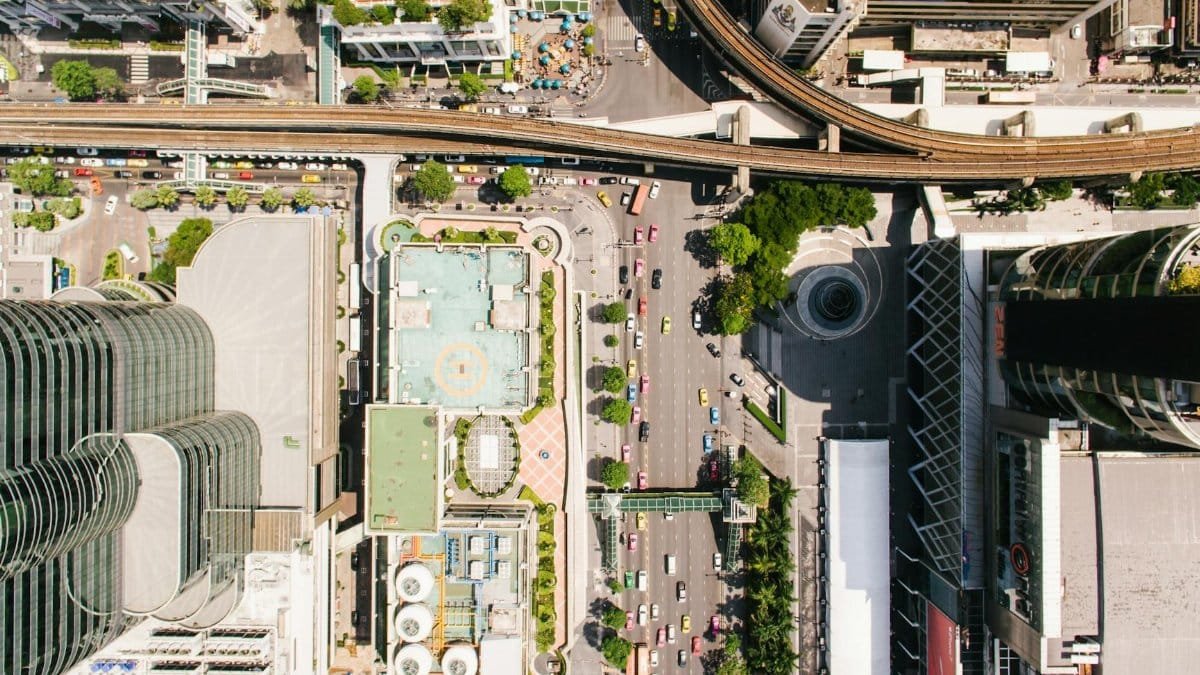
Walk along Fifth Avenue during rush hour, and you might spot it: a sharp sigh or an impatient tap of the foot at a crosswalk. This irritability, often brushed off as “just a bad day,” frequently points to hidden stress building from relentless urban demands. It’s that moment when a delayed train turns frustration into a full-blown edge, signaling the body’s fight-or-flight response kicking in without a real threat.
Drawing from observations in bustling environments, experts note how such reactions stem from accumulated micro-stresses—like dodging pedestrians or navigating noisy construction. One anonymized account from public forums described snapping at a barista over a simple order mix-up, later realizing it stemmed from unaddressed work anxiety. The American Psychological Association’s stress reports, accessible via their dedicated stress topic page, confirm that urban dwellers experience 15% more irritability linked to environmental overload.
To counter this, mindfulness practices can interrupt the cycle. Imagine pausing amid the crowd to breathe deeply, reframing impatience as a cue to assess deeper tensions. It’s about noticing how these outbursts cluster during high-pressure weeks, revealing patterns tied to hidden emotional loads. In 2025, with remote work blurring boundaries, this awareness becomes even more vital for maintaining equilibrium.
Of course, not every snap is stress-related; sometimes it’s just hunger or fatigue. But when it recurs in specific settings, like packed subways, it often unmasks broader strains, urging a closer look at daily habits.
3. Neglected Meals Amid Endless Hustle
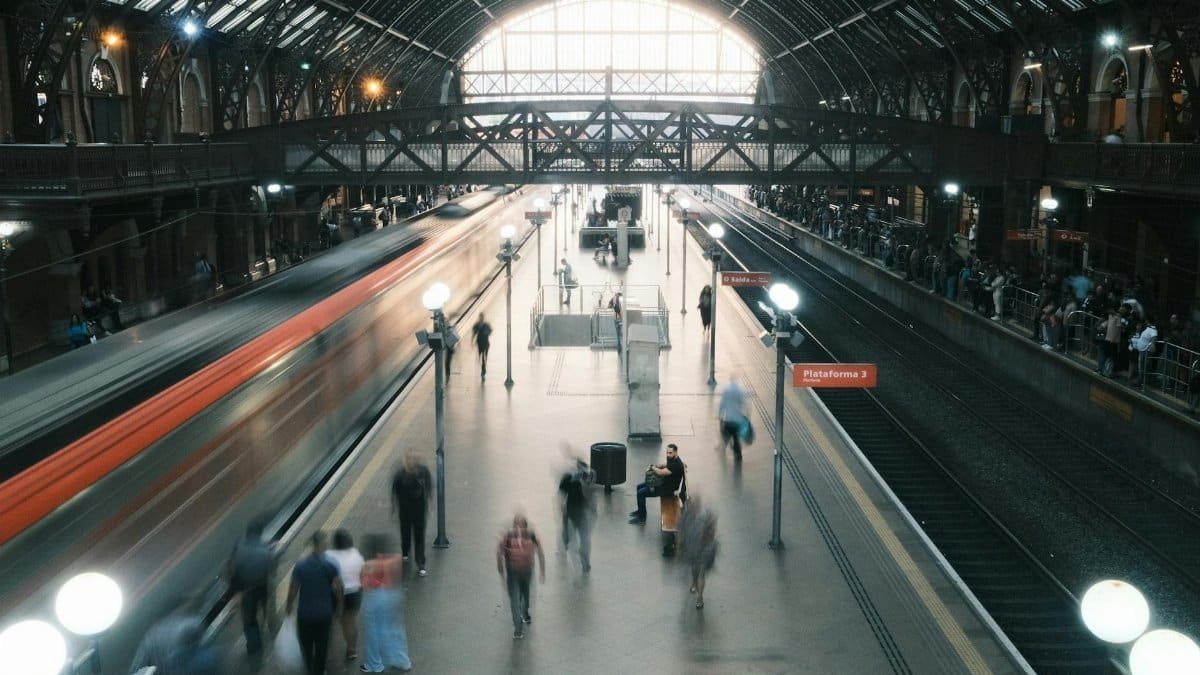
“I’ll eat later,” becomes a mantra for many in New York, where skipped lunches morph into a pattern that betrays hidden stress. This isn’t mere forgetfulness; it’s the body prioritizing survival mode over nourishment, as adrenaline suppresses appetite. In cafes dotted across Brooklyn, you see professionals glued to laptops, sipping coffee instead of eating, their focus masking a deeper depletion.
Take the story of a young lawyer, pieced together from common narratives: she powers through depositions on empty, only to crash with headaches by evening. Such habits align with findings from the Harvard T.H. Chan School of Public Health, which link irregular eating to elevated stress hormones. Their resources on nutrition and mental health, found at Harvard’s Nutrition Source page, emphasize how consistent meals stabilize mood and energy.
Shifting this requires intentional pauses—perhaps packing a simple snack for the commute. Yet, the challenge lies in recognizing when “busy” is code for avoidance, a way stress hides by keeping us in perpetual motion. As trends in 2025 show more gig workers facing irregular schedules, this pattern demands attention to prevent burnout.
Interestingly, some find solace in communal eating spots, where breaking bread with others uncovers shared stresses, turning isolation into connection. It’s a reminder that food isn’t just fuel; it’s a barometer for inner calm.
4. The Pull of Constant Digital Distraction

In the glow of Times Square screens, another pattern unfolds: the compulsive check of notifications, a reflex that reveals hidden stress through digital escapism. It’s not about staying informed; it’s fleeing discomfort by diving into endless feeds, where each scroll offers temporary relief from real-world pressures.
Observations from city life show this in action—a commuter on the L train, eyes fixed on her phone, ignoring the world around her. This mirrors data from Pew Research Center, indicating that 81% of Americans feel overwhelmed by information overload, exacerbating anxiety. Explore their digital wellbeing insights at Pew’s internet and technology research hub, which ties excessive screen time to stress amplification.
One shared experience online recounted the relief of a “digital detox” weekend, where unplugging highlighted how devices masked underlying worries about job security. To address this, setting boundaries like app limits can help, but it demands honesty about why we reach for the phone in quiet moments.
The irony? In a connected city, this pattern often isolates us further. Yet, by tracking usage spikes during tense periods, we uncover links to hidden emotional burdens, paving the way for more mindful engagement.
5. Physical Tension in Everyday Movements
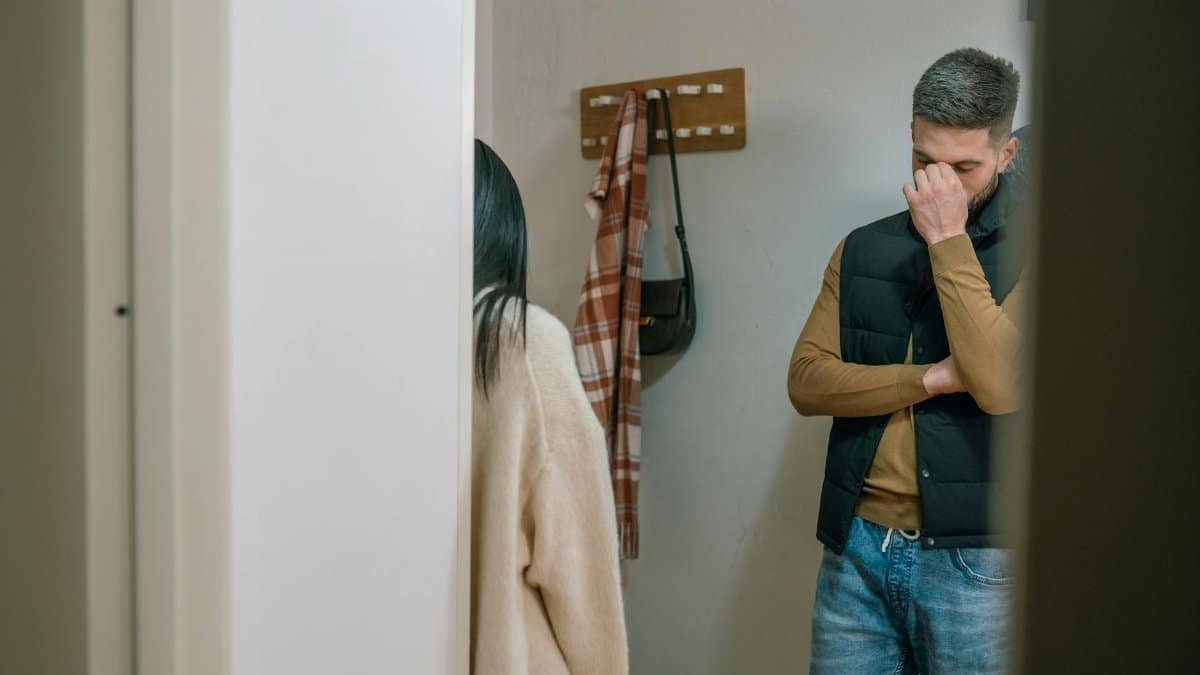
Notice how shoulders hunch forward during a brisk walk through Central Park? This subtle clenching—tight jaws, furrowed brows—is a physical pattern that often reveals hidden stress manifesting in the body. Urban life amplifies it, with constant stimuli prompting a defensive posture that’s hard to shake.
From yoga studios in Chelsea to office desks in Midtown, people report unexplained aches that trace back to this. A composite tale involves a teacher who noticed her neck stiffening during parent meetings, a sign of bottled-up frustration. The National Institutes of Health supports this through studies on stress and musculoskeletal health, detailed at NIH’s chronic pain information page, showing how tension contributes to long-term issues.
Interventions like gentle stretches or body scans can release this grip, but the key is awareness—spotting when relaxation feels foreign. In 2025’s hybrid work era, where screens dominate, this pattern serves as a bodily alarm, urging us to listen before pain escalates.
Sometimes, it’s intertwined with emotional layers, like grief or uncertainty, making release a multifaceted process. Embracing movement, perhaps a daily park stroll, transforms tension into insight.
6. Withdrawal from Social Connections

Finally, in a city teeming with people, isolation creeps in as a pattern: declining invitations, opting for solo evenings over gatherings. This withdrawal signals hidden stress, as the energy for connection drains away, leaving one cocooned in solitude.
Imagine a freelance artist in the East Village, turning down gallery openings she once loved, her excuses masking exhaustion from creative pressures. This resonates with broader findings; the Surgeon General’s advisory on loneliness, available via U.S. Department of Health and Human Services’ loneliness resources, notes how stress fuels social retreat, impacting mental health.
Reversing it might involve small steps, like a coffee meetup, but first comes recognizing the pullback as a stress indicator. Online sentiments often echo this, with one account describing the “aha” moment of reaching out and feeling lighter. As New York’s social scene evolves in 2025, nurturing ties counters this hidden drain.
Yet, balance is key—not forcing interactions, but gently probing why solitude feels safer. This pattern, when revealed, opens doors to renewed bonds and resilience.