
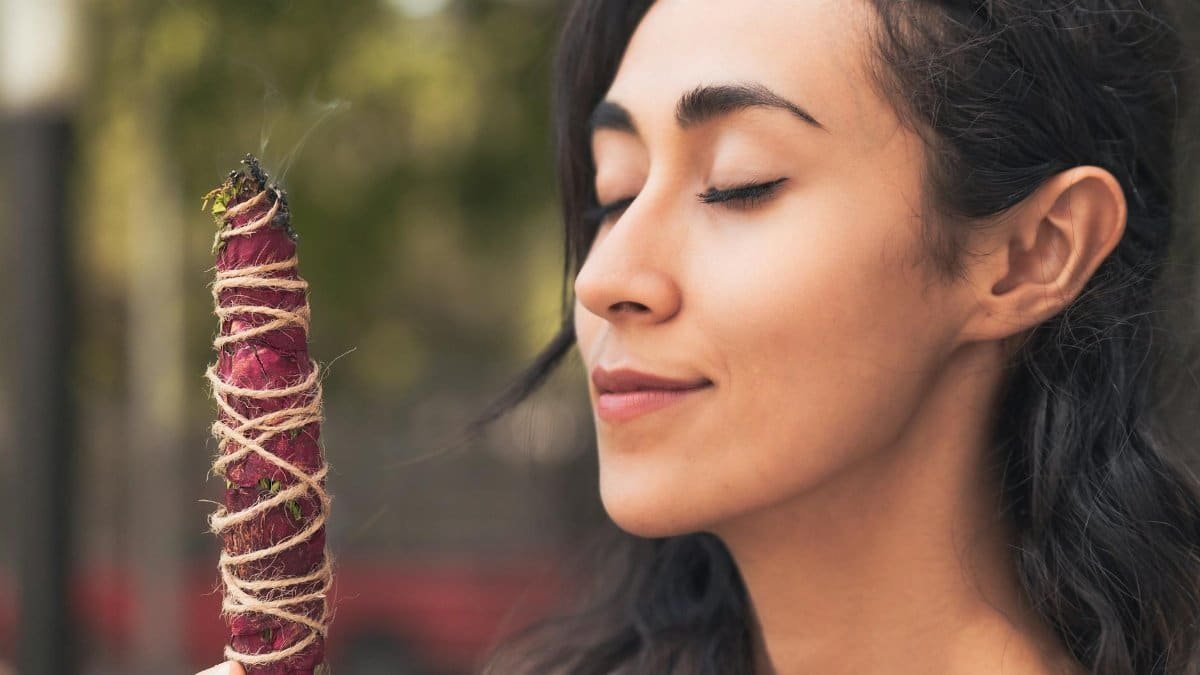
In a fast-paced world, more Americans are ditching urban stress for something simpler. New data from a 2024 Pew Research survey reveals that 35% of U.S. adults now incorporate nature-based practices into their routines, up from 22% five years ago. This surge highlights a growing embrace of holistic living, nature-based approaches that blend mind, body, and environment for better wellbeing. From forest bathing to herbal rituals, these methods are reshaping how people find balance amid modern chaos. Experts say it’s not just a trend; it’s a response to rising mental health concerns in 2025.
1. Forest Bathing for Mental Clarity
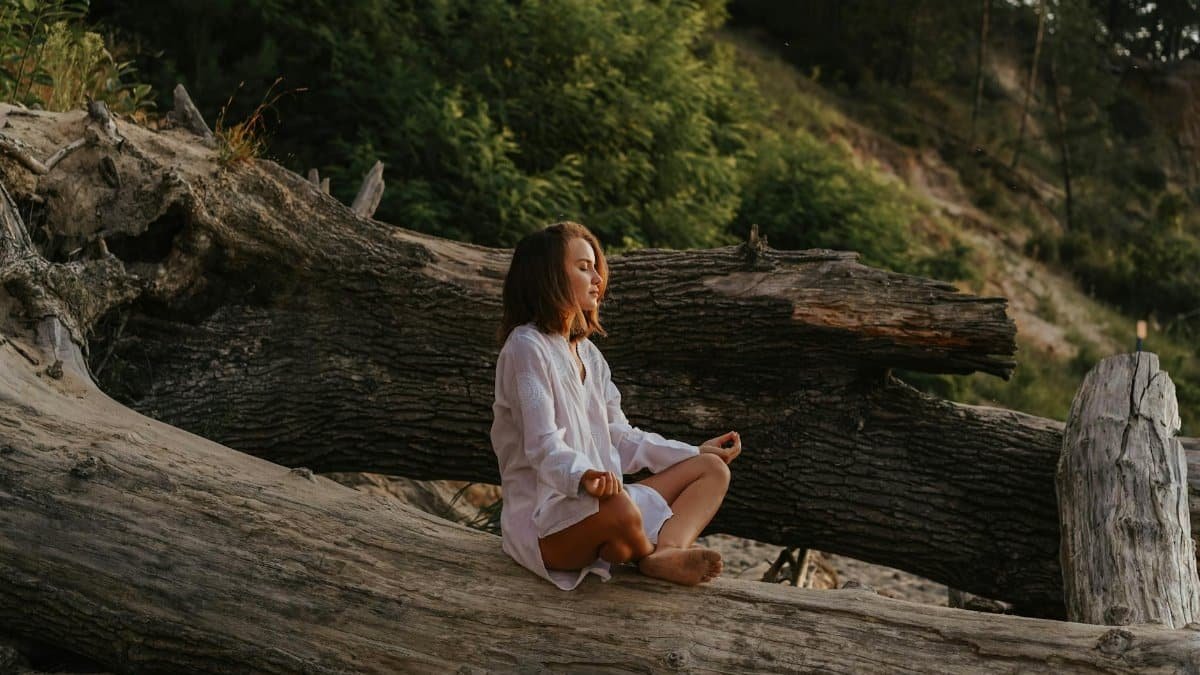
Forest bathing, or shinrin-yoku, originated in Japan but has caught on big in the U.S. It involves immersing yourself in a wooded area, absorbing the sights, sounds, and smells without any agenda. No hiking required, just presence. Studies show this practice lowers cortisol levels and boosts mood. A report from the National Institutes of Health details how phytoncides from trees reduce stress hormones. In holistic living, nature-based rituals like this reconnect people with the earth, fostering inner peace. Practitioners report sharper focus and reduced anxiety after sessions lasting as little as 20 minutes.
Across the country, parks from California’s redwoods to New York’s Adirondacks host guided forest bathing walks. One participant in Seattle shared how it transformed her daily routine, turning overwhelming workdays into manageable ones. As urban sprawl continues, this ritual offers a free, accessible way to tap into nature’s healing power. In 2025, expect more workplaces to integrate it into wellness programs, recognizing its role in preventing burnout.
2. Herbal Tea Ceremonies for Daily Nourishment
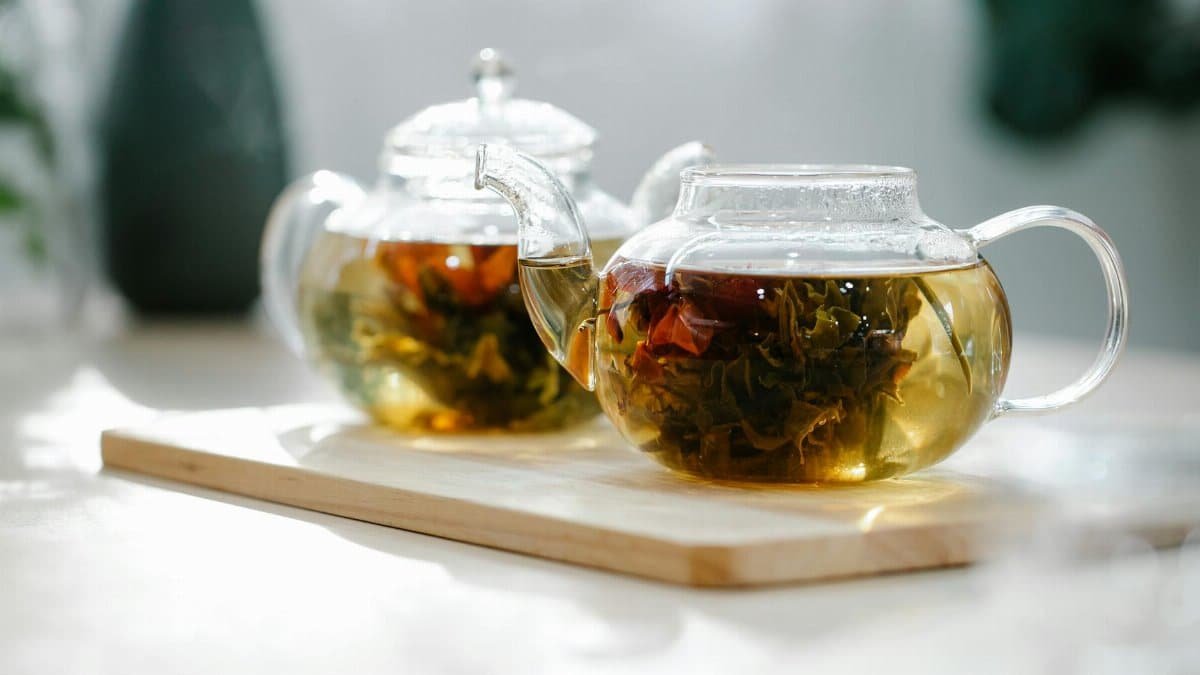
Brewing and sipping herbal teas mindfully turns a simple drink into a ritual. Choose plants like chamomile for calm or peppermint for energy, sourced from your garden or local farms. This nature-based practice emphasizes intention, from harvesting to steeping. Research from the Johns Hopkins Medicine site explains how herbs provide antioxidants and support digestion. In holistic living, nature-based elements like these nourish the body while grounding the mind.
Many start their mornings with this ritual, setting positive tones for the day. A study in the Journal of Alternative and Complementary Medicine found regular herbal tea drinkers experience better sleep and less inflammation. Communities in Vermont and Oregon hold seasonal tea gatherings, blending education with relaxation. It’s straightforward: boil water, add herbs, and reflect. This ritual grows holistic living by linking personal health to natural cycles, making wellness feel organic and sustainable.
3. Moon Phase Journaling for Emotional Balance

Tracking the moon’s cycles through journaling aligns personal reflections with lunar phases. During a full moon, note achievements; in the new moon, set intentions. This draws on ancient traditions, using nature’s rhythm to process emotions. A 2023 study published via the American Psychological Association links lunar awareness to improved self-awareness. Holistic living, nature-based in essence, thrives on such connections, helping individuals navigate life’s ups and downs.
Apps and journals make it easy, but purists prefer outdoor observations. Women in holistic circles report it aids in managing hormonal shifts. From Texas ranches to Colorado mountains, groups gather for moon rituals, sharing stories under the night sky. It’s not astrology; it’s about syncing with natural patterns for emotional resilience. In 2025, with mental health apps booming, this ritual could mainstream, offering a low-tech alternative to digital therapy.
4. Grounding Walks for Physical Connection
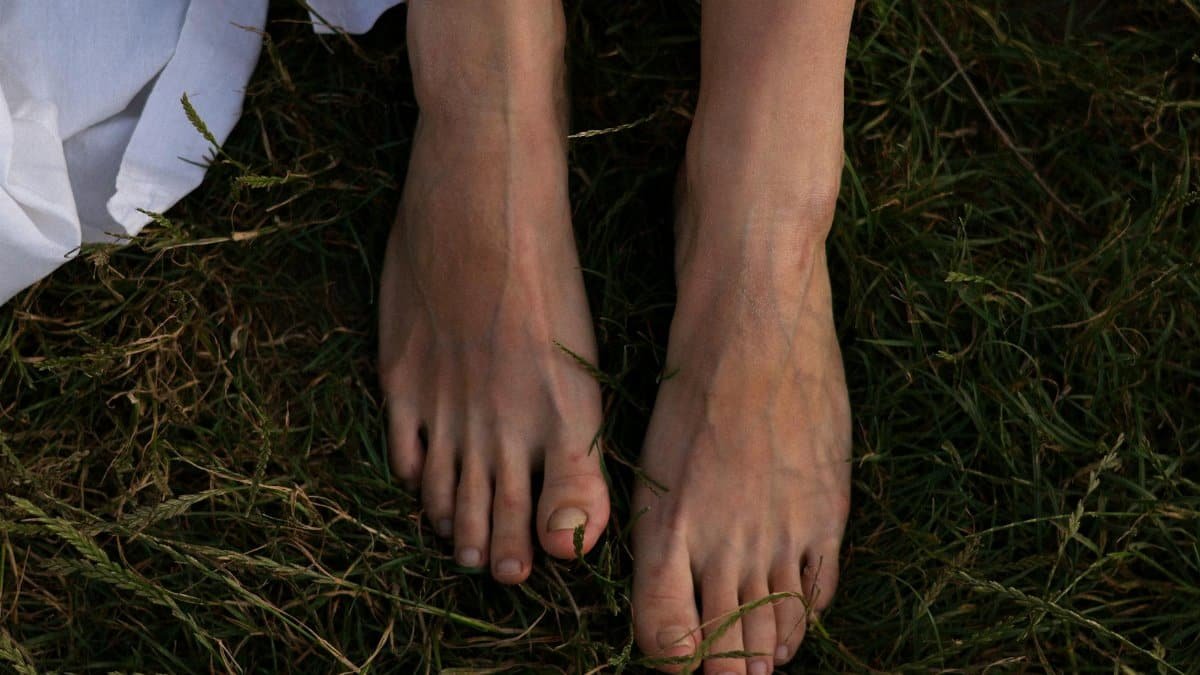
Also known as earthing, grounding involves walking barefoot on grass, soil, or sand to absorb the earth’s electrons. Proponents claim it reduces inflammation and improves sleep. A review in the Journal of Environmental and Public Health supports these benefits, citing reduced pain in participants. This ritual embodies holistic living, nature-based by directly linking human energy to the planet’s.
Urban dwellers head to beaches or parks for quick sessions. One New Yorker credits daily grounding for alleviating chronic back pain, backed by personal testimonials in wellness forums. It’s simple: remove shoes, walk for 15 minutes, and breathe deeply. As climate awareness rises in 2025, this practice encourages environmental stewardship, reminding people of their place in the ecosystem. Scientists continue researching, but anecdotal evidence drives its popularity.
5. Plant Meditation for Spiritual Growth

Sit with a houseplant or tree, focusing on its growth and vitality as a meditation anchor. This fosters gratitude and patience, mirroring nature’s slow pace. Horticultural therapy research from the University of Florida shows interacting with plants lowers blood pressure. In holistic living, nature-based meditations like this build spiritual depth without religious ties.
Botanical gardens in cities like Chicago offer guided sessions. Participants describe feeling more centered, with one study noting enhanced creativity post-meditation. It’s adaptable: indoors with succulents or outdoors with oaks. As remote work persists in 2025, this ritual counters screen fatigue, promoting mindfulness through living greenery. Experts predict it will integrate into school curriculums for youth wellbeing.
6. Seasonal Foraging for Nutritional Harmony

Foraging wild edibles like berries or greens ties eating to the seasons, ensuring fresh, nutrient-rich foods. Learn safe identification first to avoid risks. The USDA’s guide on wild plants emphasizes nutritional boosts from foraged items. This ritual enhances holistic living, nature-based by harmonizing diet with environmental cycles.
Groups in the Pacific Northwest lead ethical foraging hikes, teaching sustainability. A forager in Maine reports better immunity from incorporating wild mushrooms and herbs. It’s hands-on: identify, harvest, prepare. With food prices fluctuating in 2025, this practice saves money while deepening nature appreciation. Nutritionists advocate it for diverse microbiomes, making it a practical step toward self-sufficiency.